
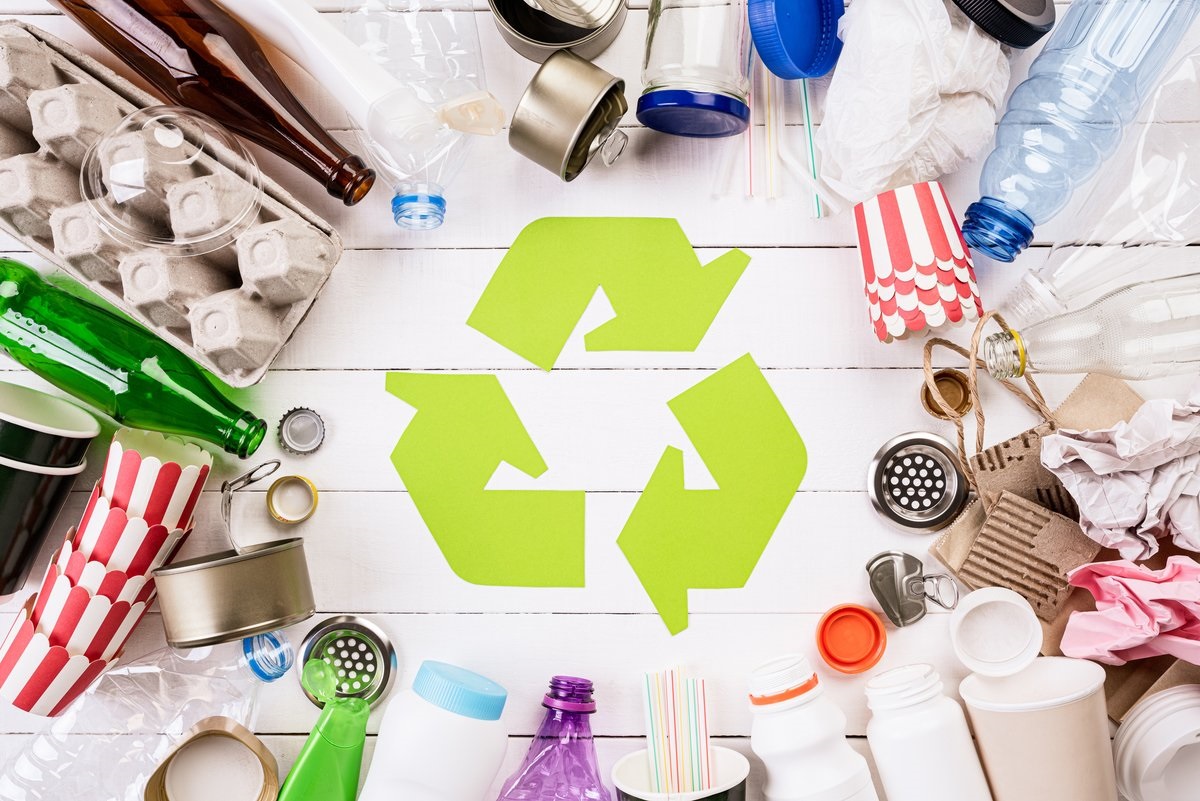
Recycling is no longer an option, but a necessity! Every day, tons of waste are produced by our homes, businesses, and construction sites. Yet, a large portion of these materials could be reused, transformed, or repurposed…
Recycling is not just an ecological act, it is a real lever for the future of our planet and for our local economy.
In Moselle, ABTP Recyclage is fully committed to this responsible approach, offering concrete solutions for the sorting, recovery and recycling of metals.
Why recycling has become a vital issue
Our linear consumption model — produce, consume, discard — is reaching its limits. Natural resources are being depleted, while landfills are filling up at an alarming rate.
Recycling breaks this cycle, giving materials a second life. This reduces the extraction of new resources, saves energy, and significantly lowers our carbon footprint.
According to ADEME (the French Agency for Ecological Transition), recycling one tonne of aluminium saves up to 95% of the energy required for its initial production. For steel, the figure reaches nearly 60%!
These figures demonstrate that recycling helps preserve our planet while limiting the environmental costs associated with manufacturing.
But recycling is not limited to an industrial process. Each of us can, through simple actions, become an agent of change.
Sorting your waste, reducing your packaging, favouring reusable products or repairing rather than throwing away: these are all concrete actions which, combined, have a colossal impact on the planet.
Good habits to adopt at home
Recycling starts at home. The first step is to properly sort your waste. Plastics, cardboard, paper, glass, and metals don't all go in the same place, and it's essential to follow local recycling guidelines.
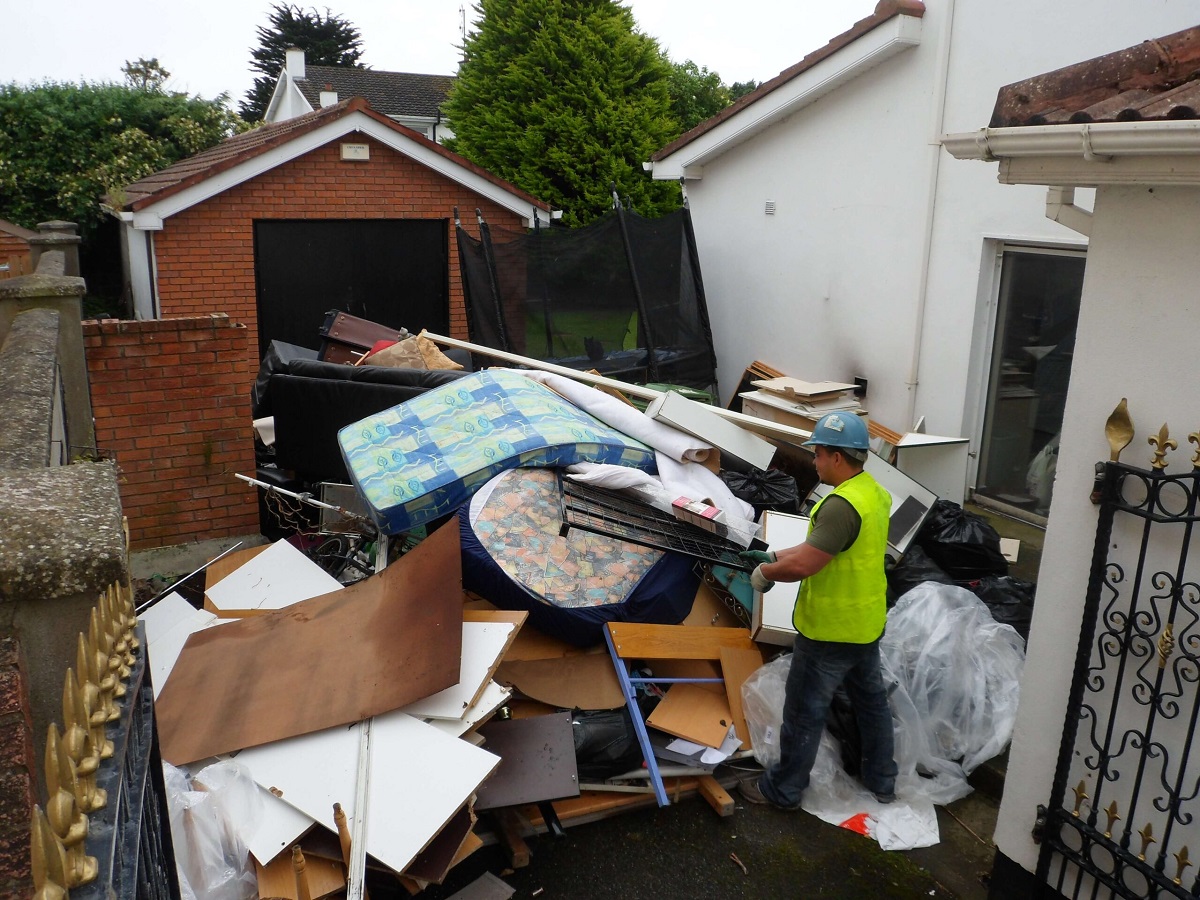
Today, there are several simple solutions for making use of certain types of waste directly at home, such as composting organic waste or creatively reusing everyday objects.
At Simple et Bon we regularly offer tips for adopting a more ecological lifestyle without sacrificing comfort.
For example, it is possible to transform old jars into storage pots, to reuse metal boxes as decorative containers, or even to make your own natural household products to limit plastic packaging.
Small, simple gestures that, put together, make a big difference!
Metal recovery: a pillar of modern recycling
Metals are among the most valuable materials to recycle, as they can be melted down and reused indefinitely without loss of quality.
Aluminium, copper, iron or steel: their recovery is an essential economic and ecological resource. Yet, all too often, these materials end up in landfills or are abandoned on construction sites.
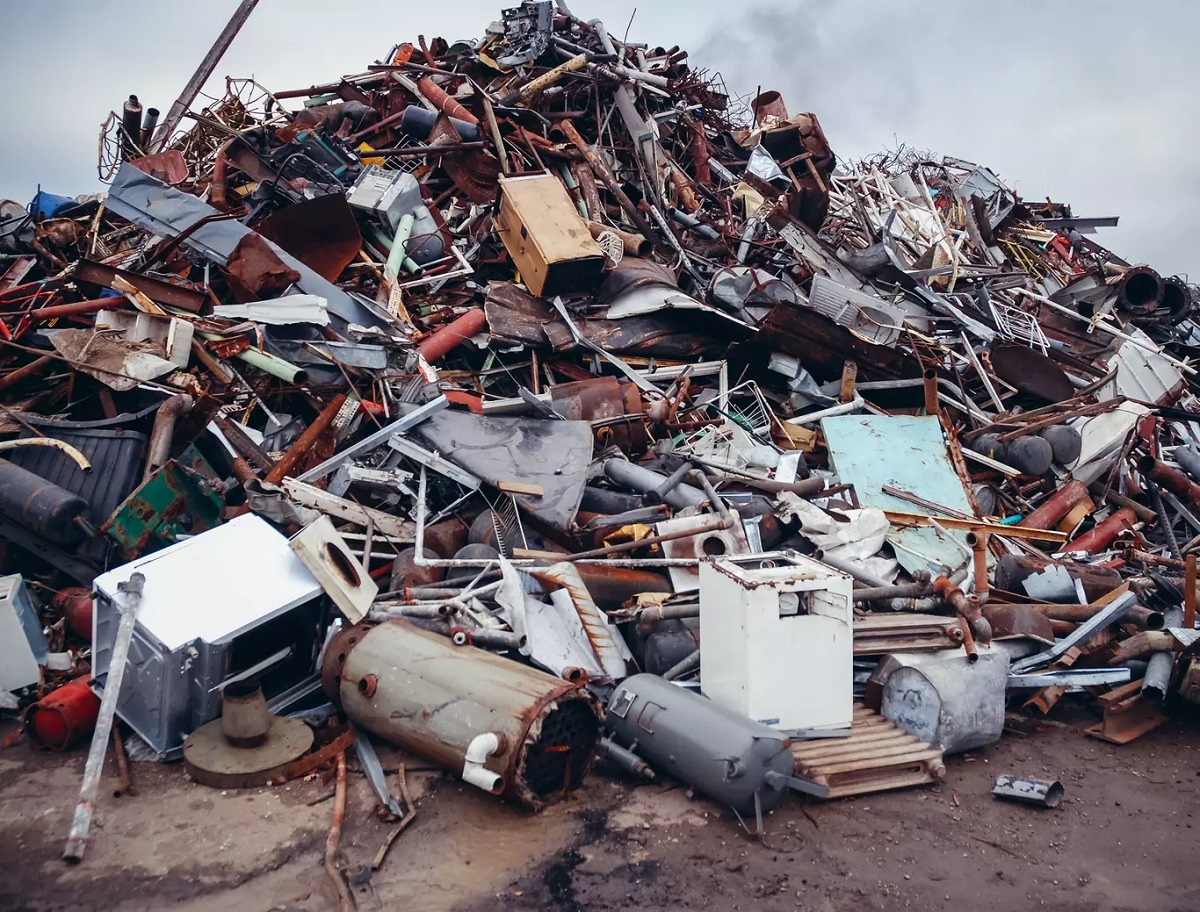
This is where ABTP Recyclage comes in, a local company committed to recycling and recovering metals in Moselle and the surrounding area. Their mission? To collect, sort, and transform metal waste into new resources usable by industries.
This process not only reduces waste volumes, but also limits dependence on mining, which is extremely energy-intensive.
ABTP Recyclage also works with individuals, tradespeople and companies for scrap metal recovery, house or construction site clearance, skip hire and metal recycling.
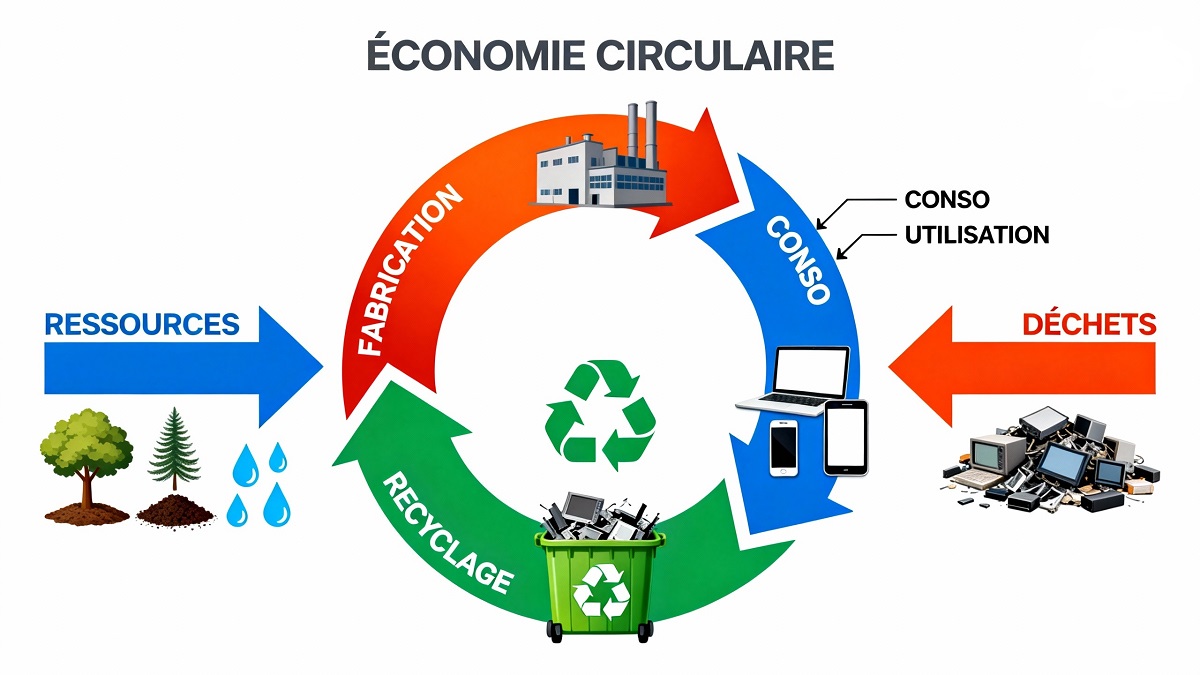
A comprehensive approach that fits into a virtuous circle: less waste, more reused materials, and a cleaner territory.
Recycling also supports the local economy
Contrary to popular belief, recycling is not just a gesture for the planet: it is also a powerful economic lever.
By promoting the sorting and local processing of materials, we create jobs, boost short supply chains and support local businesses.
Recycling companies, such as ABTP Recyclage, actively participate in this circular economy in Moselle, where every recovered material becomes an opportunity.
Recycling locally also helps limit long-distance waste transport, thus reducing greenhouse gas emissions. A doubly beneficial approach: ecological and economic.
Furthermore, local authorities benefit by reducing their treatment costs and developing partnerships with responsible companies.
Inspiring initiatives to go further
Recycling is evolving and adapting to new societal challenges, and many initiatives are emerging to encourage waste reduction and the reuse of materials.
Some municipalities are setting up recycling centers, where everyone can give or collect second-hand items, while others are promoting the establishment of collection points for batteries, electronic devices or used metals.
Online exchange and sharing platforms are also multiplying: they allow objects to be given a second life, reduce waste and raise awareness of responsible consumption.
The “zero waste” movement is gaining more and more momentum, and companies like ABTP Recyclage embody this collective desire to act differently.
Recycling: a collective and sustainable commitment
Recycling is much more than an isolated action! It's a collective commitment to a more sustainable future. By adopting new habits and supporting local recycling organizations, each of us contributes to a positive transformation.
Selective sorting, metal recovery, composting or waste recycling are all links in the same chain: that of a society more respectful of its environment.
In Moselle, ABTP Recyclage perfectly embodies this dynamic by combining ecological performance and human proximity.
Thanks to their expertise, recycled materials find a second life, while useless waste becomes valuable resources for the future.
It is by multiplying these local initiatives that we will succeed in building a cleaner, more united and more responsible world.
And tomorrow? Rethinking our lifestyles
Recycling will not solve all environmental problems, but it is a necessary foundation.
Indeed, the future depends on better resource management, more responsible production, and more conscious consumption. The key is to rethink our needs, repair rather than replace, and encourage businesses to produce sustainably.
By combining individual efforts, local policies, and the actions of committed companies like ABTP Recyclage, it is possible to build a society that values materials instead of wasting them. Recycling then becomes a civic, ecological, and meaningful act.
Adopting the right habits means choosing to preserve our planet while supporting those working on the ground. That's what it means to live "simply and well"!
Some answers to your questions
What types of waste can we really recycle on a daily basis?
In the yellow bin, put plastic bottles, flasks, cardboard packaging, clean paper, cans, and tins. Glass goes in the designated containers. However, avoid putting dirty yogurt pots, tissues, paper towels, and plastic toys in the yellow bin. Remember that batteries and electronic devices have their own collection points.
Why is recycling so important for the planet?
Recycling preserves our natural resources and reduces pollution. Recycling one ton of cardboard saves 2.5 tons of wood, and recycled aluminum uses 95% less energy. It also limits CO2 emissions and prevents our waste from ending up incinerated or buried. A simple action that truly makes a difference when we all do it.
What are the most common sorting errors to avoid?
Never put plastic bags in the recycling bin; empty them directly. Clothing, plastic items, and greasy paper don't belong there either. These mistakes contaminate the entire bin and increase processing costs. As a result, recyclable waste ends up in the trash when it could have been reused.
How to adopt simple recycling habits on a daily basis?
Start with two bins: one for recycling, one for everything else. Check your local council's guidelines, as they vary. Flatten your cardboard boxes, return medications to the pharmacy, and batteries to the store. Before throwing anything away, ask yourself if it could be useful to someone else. The best waste is the waste you don't create.
What actually happens to our recycled waste?
Your plastic bottles are transformed into fleece sweaters or new bottles. Paper becomes toilet paper or packaging. Aluminum cans end up as bicycles or car parts. Glass is recycled endlessly to make new jars. In short, every piece of waste that is properly sorted prevents us from depleting our natural resources.
This article was sponsored by a company or brand and does not reflect the editorial responsibility of the Simple & Bon website
