
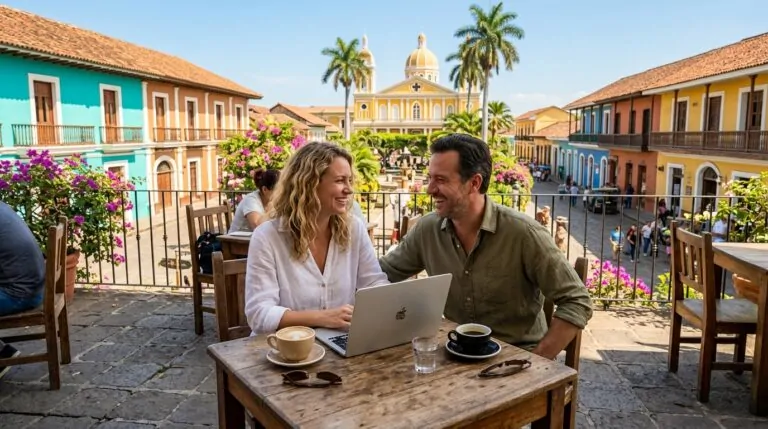
In short
Moving to Nicaragua is an idea that appeals to a growing number of French speakers seeking a different lifestyle, a lower cost of living, or greater professional freedom. The country is certainly attractive, but it deserves to be examined without bias!
This practical article reviews everything a future expat needs to know before packing their bags: realistic budget, administrative procedures, quality of life, risks, and opportunities. Nothing superficial, only what matters to make an informed decision.
What is the cost of living in Nicaragua for expats?
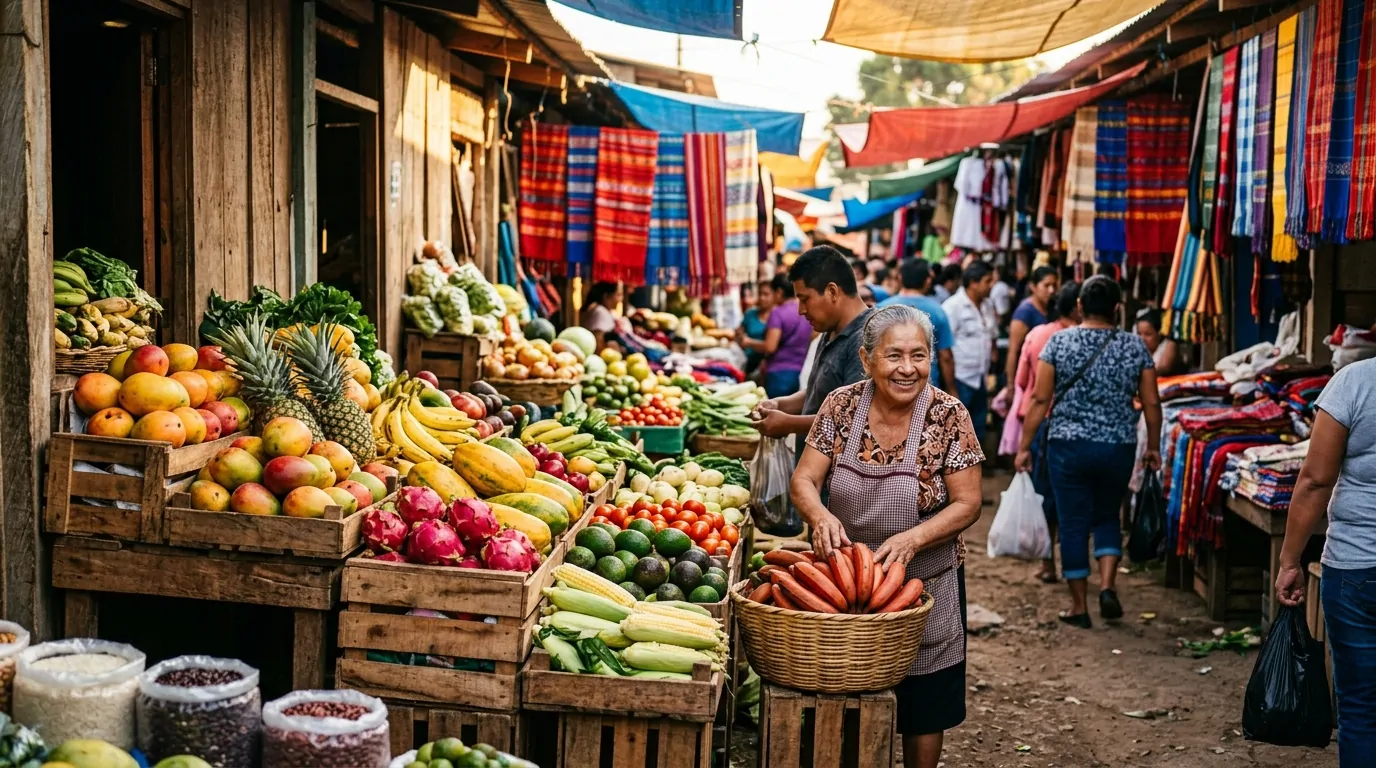
Nicaragua, along with Honduras, is one of the cheapest countries in Central America, and for a French-speaking expatriate used to the European cost of living, the difference is immediately noticeable.
But "cheaper" does not mean "without surprises"!
First and foremost, it must be taken into account that prices vary depending on the city, consumption habits and the level of comfort one seeks.
So here's what the numbers really say.
Rent, food, and daily transportation
In Managua, the capital, a decent apartment in a secure residential area costs between 400 and 700 USD per month, while in smaller cities like Granada or León, the price often falls to close to 250-450 USD for an equivalent area.
Food at local markets costs very little, and a meal in a "comedor" (popular restaurant) does not exceed 2 USD.
On the other hand, imported products, European cheeses or wines cost as much, or even more, than in France.
Transportation is inexpensive: local buses are almost free, and a regular taxi in town costs around 1 to 3 USD.
Owning a personal car remains preferable for travel outside urban centers, with reasonable maintenance and fuel costs on a local scale.
Health and education: what budgets should be allocated?
A consultation at a private clinic in Managua costs between USD 30 and 60 depending on the specialty, and common medications are readily available and inexpensive at local pharmacies.
For schooling, expatriate families generally opt for international or bilingual schools, whose fees range from 300 to 800 USD per month depending on the institution and level.
Nicaraguan public schools are free, but their educational standards are very inconsistent.
Private health insurance should also be considered, as the public system is clearly insufficient to meet the needs of an expatriate in good conditions.
This expense item generally represents 80 to 200 USD per month depending on age and the guarantees taken out.
Comparison of purchasing power by city
Monthly budgets vary considerably from city to city; in this context, here is a concrete comparison by city for a single expatriate with a decent standard of living:
| City | Rent (1-bedroom apartment) | Estimated monthly budget | Suitable profile |
|---|---|---|---|
| Managua | 400-700 USD | 1,000-1,600 USD | Entrepreneur, employee |
| Granada | 300-500 USD | 800-1,300 USD | Retired, nomad |
| León | 250-450 USD | 750-1,200 USD | Student, nomad |
| San Juan del Sur | 400-600 USD | 900-1,400 USD | Surfing, coastal lifestyle |
The quality of life in Nicaragua depends a lot on the city chosen, and Managua concentrates services but remains congested and not very aesthetically pleasing.
Granada and San Juan del Sur are more attractive for their everyday living environment.
Visas and procedures for settling in Nicaragua
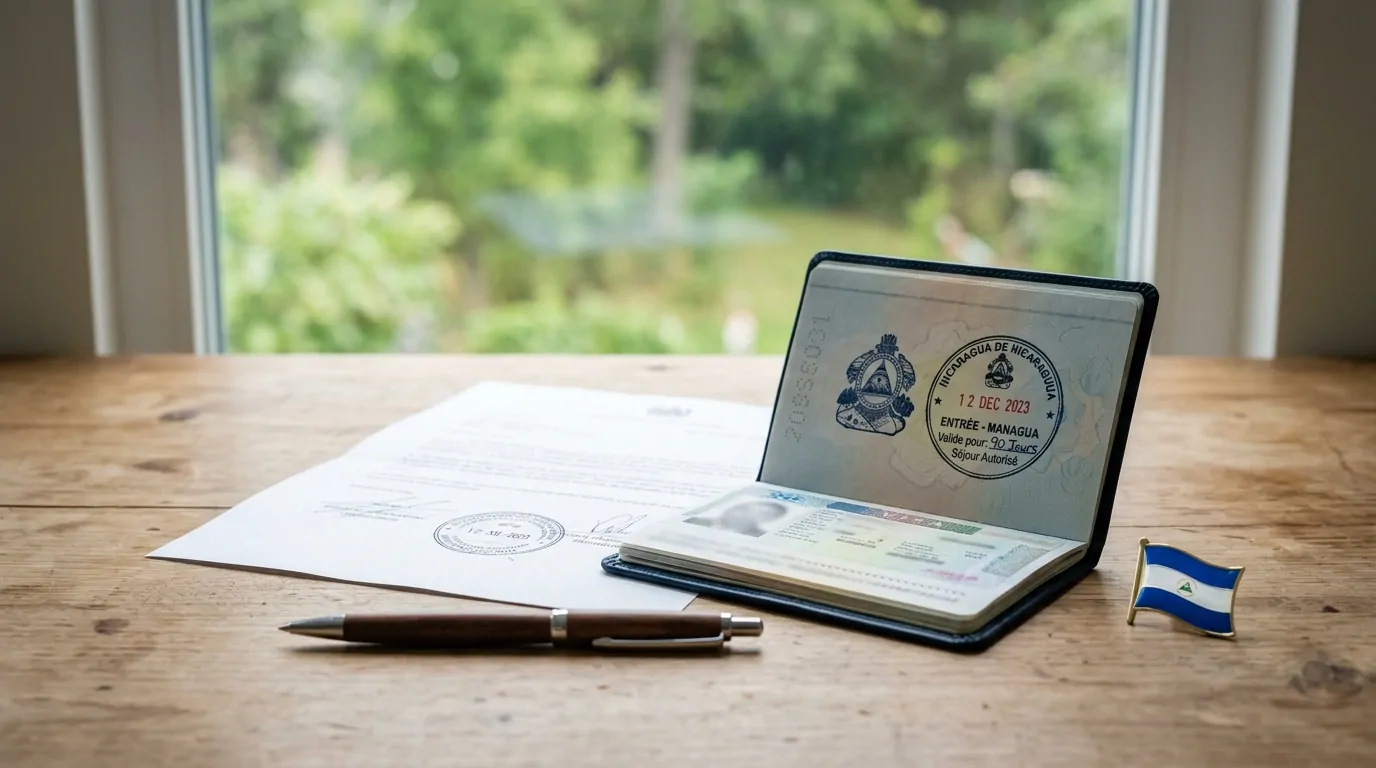
Before settling in, you'll need to sort out the administrative details, as Nicaragua offers several legal residency statuses with relatively easy requirements compared to other countries in the region. However, the process can be lengthy and the applications demanding.
Types of visas for a long legal stay
French nationals can enter Nicaragua without a visa for a tourist stay of 90 days, renewable once in the countries of the CA-4 zone (Honduras, Guatemala, El Salvador).
But for a permanent installation, this "visa run" system is not legally viable!
Here are the most common long-stay Nicaragua visa formalities :
- The temporary resident visa : for employees, entrepreneurs or people who invest locally.
- Rentier status (rentista) : for retirees or people with a regular passive income of at least USD 600 per month.
- The investor visa : starting from an investment of USD 30,000 in an economic activity.
- Family reunification : for spouses and children of legal residents.
Each status requires specific documents: translated and apostilled birth certificate, criminal record, proof of income, photos, forms.
The list is long but the requirements remain comparable to other Latin American countries.
Temporary and permanent residence: the important steps
Temporary residency is usually granted for two years, renewable, and provides access to the local job market and allows the holder to open a bank account.
Permanent residency is obtained after three to five years of continuous temporary residency.
The key steps in the process:
- Preparation of the file in France (civil status documents, apostille, certified translation).
- Submission of the file to the General Directorate of Migration in Managua.
- Medical examination with a licensed doctor in Nicaragua.
- Payment of application fees (approximately USD 150 to 300 depending on status).
- Pending validation, from a few weeks to several months depending on administrative delays.
Residency application processing times are notoriously unpredictable. Some expatriates wait several months without any updates. It is strongly recommended to consult a local lawyer specializing in immigration law to ensure a smooth process.
Nicaraguan taxation for a foreign resident
Taxation in Nicaragua for a foreign resident is territorial: only income generated on Nicaraguan soil is taxable, while foreign income (French salary, rents in France, pensions) is not taxed locally.
The local income tax rate ranges from 10 to 30% depending on the brackets, and the local VAT (IVA) is set at 15%.
There is no tax treaty between France and Nicaragua to date, which can create situations of double taxation for certain profiles.
Specialized tax advice is essential before any permanent relocation.
🌍 Monthly budget calculator for an expat in Nicaragua
Estimate your monthly living budget in Nicaragua based on your profile and lifestyle.
The tangible benefits of living abroad in Nicaragua
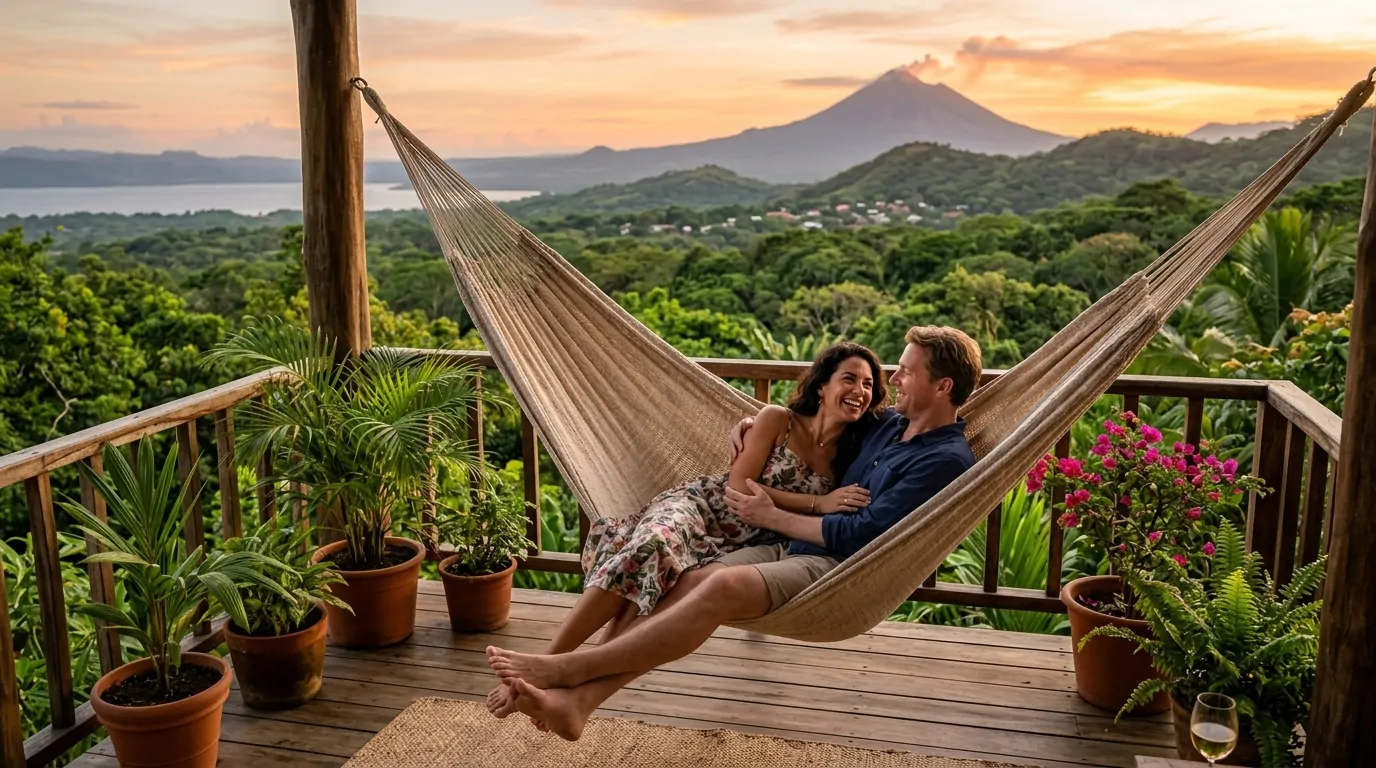
Living in Nicaragua, advantages and disadvantages considered, is primarily attractive because of what it offers that few other destinations can match at this price. The country has compelling arguments, provided you see them with your eyes open!
The quality of life and the natural surroundings of everyday life
Nicaragua boasts an exceptional natural setting, including volcanoes, lakes, rainforests, and Caribbean and Pacific coasts, all accessible within a few hours' drive.
This is not a holiday setting, this is indeed the daily life of the residents.
Nicaragua enjoys a tropical climate , warm year-round, with a very pleasant dry season from November to April. No cold weather, no gray winters! So for outdoor enthusiasts, surfers, or hikers, this is a constant advantage.
The pace of life is slower, as the locals, called "Northern Ticos" by some travelers, are generally welcoming and warm.
Those who have experienced living abroad in Central America often point out that Nicaragua retains an authenticity that other countries have lost with mass tourism.
Moreover, sailing enthusiasts who wish to explore the coasts can also consider choosing a small sailboat to sail solo from Pacific ports.
Opportunities for entrepreneurs and digital nomads
Settling in Nicaragua to work offers a direct economic advantage: costs are low, local labor is inexpensive, and some sectors such as hospitality, catering, agriculture, or services for expatriates remain relatively unsaturated.
The government is proposing free zones and tax exemption schemes for foreign investors in certain sectors.
These mechanisms can be useful for setting up a local structure.
For digital nomads, working remotely from Nicaragua is possible in equipped urban areas, and the low cost of living mechanically lengthens the financial runway.
Some entrepreneurs report significantly improved profitability thanks to the cost difference between their revenues in euros and their expenses in córdobas.
Cultural integration and local conviviality
Nicaragua is a country steeped in strong traditions. Local festivals, music, colorful markets, and home cooking punctuate neighborhood life; moreover, integration is facilitated by the natural affinity of Nicaraguans with foreigners.
Unlike some gilded bubble expatriations, living in Nicaragua often involves real contact with local reality, so it can be enriching or destabilizing, depending on temperaments.
The Spanish language is spoken with a distinct Nicaraguan accent and a particular vocabulary.
Expatriates who invest in language learning consistently report a much smoother integration and far richer human relationships!
"Feedback from expatriates living in Granada or León shows that cultural integration is more natural than in the city. Neighborhood life quickly creates strong bonds, provided you don't remain in your expatriate bubble."
The real drawbacks to know before leaving
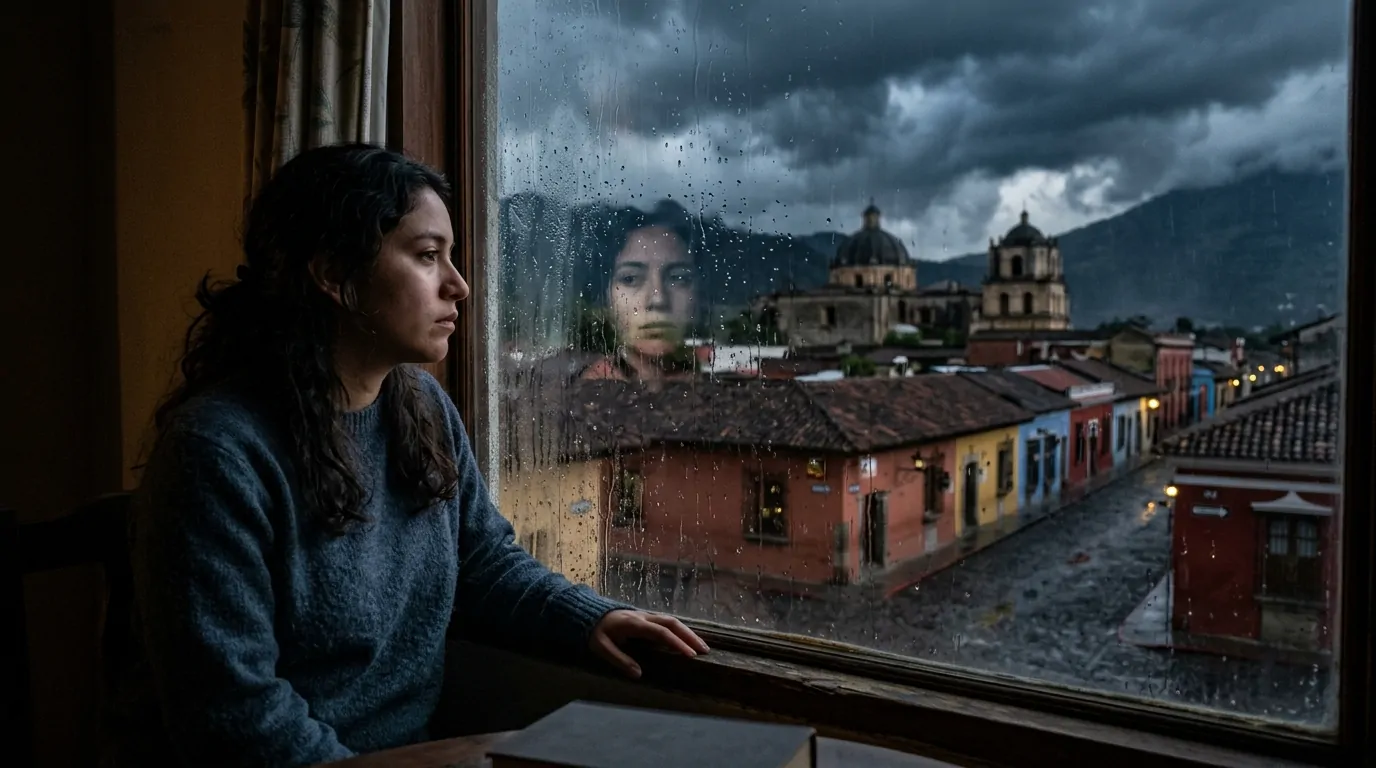
To talk about the advantages without addressing the negative points would be irresponsible, and when you want to live in Nicaragua, advantages and disadvantages are intimately linked!
Here's what expats often only learn once they're there.
The security and political stability of Nicaragua
Safety in Nicaragua for expatriates is a subject that deserves to be addressed honestly.
Previously, Nicaragua was historically considered one of the safest countries in Central America, but this reputation has been weakened since the events of 2018.
The protests that were suppressed in 2018, followed by a wave of political arrests and restrictions on civil liberties, have profoundly changed the social climate.
The current government closely monitors the activities of non-governmental organizations and foreign nationals involved in civilian life.
In practical terms, for an expatriate who remains outside of any political activity, the risk of direct violence remains limited in frequented residential areas, but sometimes political instability can spill over into daily life: increased controls, sudden restrictions, tense social climate.
For more information, the French Ministry of Foreign Affairs website (Travel Advice) recommends increased vigilance and regular updates of information before and during any stay.
The quality of infrastructure and public services
Secondary roads are often in poor condition, especially in rural areas and after the rainy season, and power outages are common, particularly outside of Managua.
Tap water is rarely drinkable directly.
The public transport network exists but remains unreliable for intercity travel, and in this context, the personal car is not a luxury in Nicaragua, it is almost a necessity for active expatriates.
Public services (town hall, administrations, social services) operate with significant delays and sometimes labyrinthine bureaucracy, so expatriates who are used to efficient administrative systems may find this reality particularly frustrating on a daily basis.
Administrative hurdles and the language barrier
Nicaragua does not have a structured French-speaking community because, unlike Costa Rica or Colombia, French-language resources are scarce.
Almost all procedures are carried out in Spanish, including contracts, notarial acts and legal proceedings.
The language barrier is therefore a real obstacle for expatriates who do not have an intermediate level of Spanish.
Misunderstandings in official documents can have serious consequences!
Signing a lease or deed without mastering legal Spanish is risky. Consistently using a certified translator or a bilingual lawyer effectively protects your interests.
Health and the medical system for expatriates
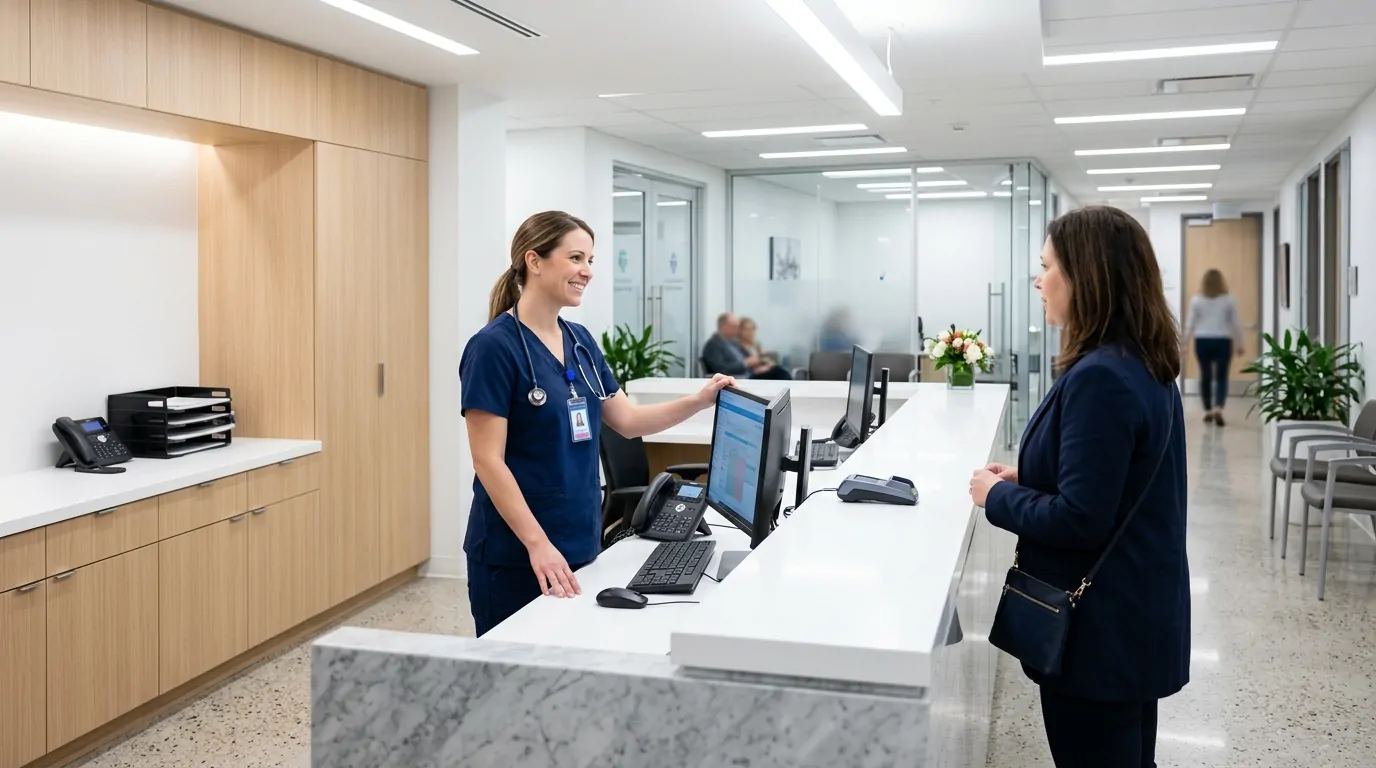
This is often the deciding question… An accident, a chronic illness, an emergency: how are you treated in Nicaragua? The answer depends a lot on the sector (public or private) and the city where you live.
Hospitals, clinics and access to care
The Nicaraguan public system is free but profoundly under-resourced.
Public hospitals lack staff, equipment and medicines, so for expatriates, resorting to the private sector is the norm.
In Managua, several private clinics offer a decent level of care for common pathologies, such as Hospital Bautista and Hospital Vivian Pellas, which are cited among the best-equipped establishments in the capital.
For complex specialist care (advanced cardiology, neurosurgery), a transfer to Costa Rica or Miami is often considered.
Outside of Managua, access to quality healthcare quickly becomes difficult. Granada and León have a few private clinics, but specialists are scarce.
The medical system in Nicaragua for expatriates is therefore essentially based on the urban private sector, with its clear geographical limits.
Which health insurance should I choose to live in Nicaragua?
International health insurance is non-negotiable for living in Nicaragua in good conditions, and insurers specializing in expatriation such as Cigna Global, AXA International or Allianz Care offer suitable contracts covering local care and medical evacuations.
The monthly budget varies from USD 80 to 200 depending on age, options chosen and deductible level, but it is always necessary to check that the contract covers medical evacuations to a third country, as complex care may require a rapid transfer out of Nicaragua.
Specific health risks to anticipate
Nicaragua is a tropical region, and dengue fever is present year-round, with peaks during the rainy season. Chikungunya and Zika are also circulating.
Mosquitoes are the main vectors: physical protection and repellents are daily reflexes to adopt.
Waterborne diseases (diarrhea, leptospirosis) can be prevented by strict hygiene, and tap water should not be consumed directly.
Recommended vaccinations include hepatitis A, typhoid and yellow fever depending on the areas visited.
Work remotely or locally from Nicaragua
The question of work is often central to the expatriation project. Can Nicaragua accommodate professionals, freelancers, or remote workers under good conditions? The answer is nuanced.

Internet quality and coworking spaces
Internet connectivity in Nicaragua has improved in recent years, and in Managua, fiber optic is available in some residential areas, offering decent speeds for teleworking. In other cities, the quality is more variable…
Power outages remain frequent, especially during storms in the wet season, and in general, experienced digital nomads advise always having a plan B: a backup 4G mobile connection (the operators Claro and Tigo cover urban areas well) and an inverter for power cuts.
Coworking spaces are developing in Managua and Granada, but remain rare compared to Costa Rica or Colombia.
Some cafes and boutique hotels play this role informally, which is reminiscent of the flexibility found in other forms of slow travel, such as those that combine work and sightseeing by ferry in island environments.
Moving to Nicaragua to work: the different possible statuses
Working legally in Nicaragua as a foreigner involves choosing the right status.
Here are the main options:
- Working remotely for a foreign employer : technically legal if the income comes from abroad. No specific procedures are required on the Nicaraguan side, but the tax situation in the country of origin must be clarified.
- Setting up a local company (Sociedad Anónima) : accessible to resident foreigners, with a low minimum capital requirement. Useful for invoicing locally and accessing Nicaraguan contracts.
- Local self-employed status : possible with legal residence, implies tax registration and contributions to the social security system (INSS).
- Working for a local company : less common for expatriates, as local salaries are low. This is reserved for high-value-added positions or international companies operating in Nicaragua.
Creating a local legal structure, even for a primarily online business, allows you to open a business bank account, invoice local clients, and benefit from certain legal protections. The support of a local accountant is inexpensive and helps avoid many mistakes.
Feedback from expatriates working in Nicaragua
According to feedback from several French-speaking expatriate communities in Central America, the expatriate experience in Nicaragua is generally positive financially and negative in terms of infrastructure.
The profiles that fare best are those who arrive with a defined project, a safety net of savings of at least six months of expenses, and an ability to adapt to unforeseen administrative issues.
Experts emphasize that rigorous preparation beforehand (language, legal, tax) makes all the difference between a successful expatriation and a disappointing experience.
Conclusion: Who is expatriation to Nicaragua for?
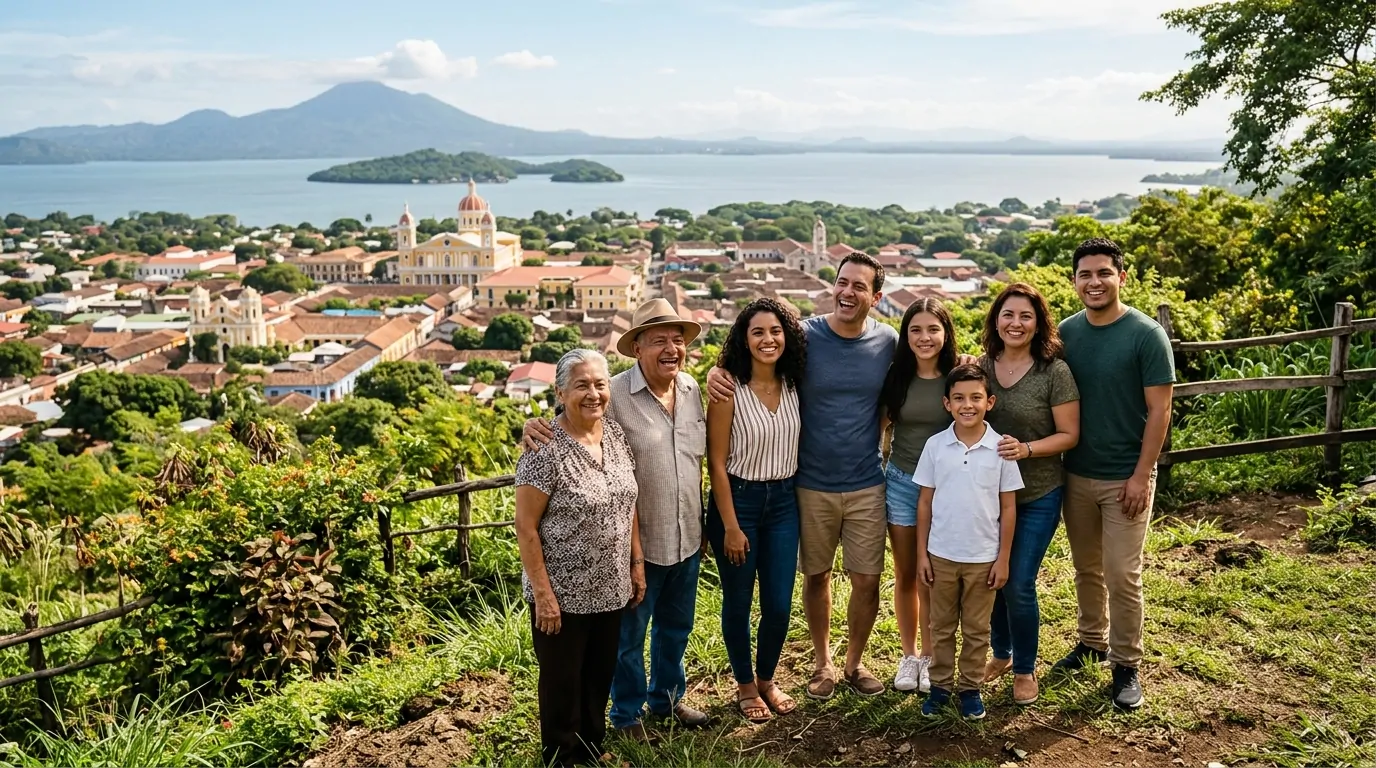
After analyzing all the concrete aspects of this destination, one central question remains: who is really suited to settle in Nicaragua?
Here is our real and honest summary to help you make a decision.
Summary table of advantages and disadvantages
- Very low cost of living
- Favorable local taxation
- Exceptional natural setting
- Warm welcome from the locals
- Real entrepreneurial opportunities
- Accessible residency procedures
- Political instability since 2018
- Limited infrastructure outside of cities
- Inadequate public health system
- The pervasive language barrier
- Unreliable internet outside of Managua
- Absence of a Franco-Nicaraguan tax treaty
The profiles best suited to this expatriation
Nicaragua is particularly suitable for the following profiles:
- Independent retirees with a stable pension in euros or dollars, good health insurance and a taste for the simple life.
- Digital nomads and freelancers whose income comes from abroad and who seek to maximize their purchasing power.
- Entrepreneurs who wish to launch a business in sectors that are not saturated (tourism, gastronomy, organic farming, services).
On the other hand, families with young children, people dependent on regular medical care, or those uncomfortable with administrative instability will probably find more suitable destinations.
Nicaragua is not a destination for everyone, and that is precisely what makes it interesting for those for whom it truly suits.
Those who are still hesitating can consult our overview of must-see destinations to compare the different options before making a decision.
Our practical advice before taking the plunge!
Before leaving, spend at least two to three months in different cities in Nicaragua to test the waters. Meet with expatriates already living there, consult a local immigration lawyer, regularize your tax situation in France with your tax advisor, and purchase international health insurance before leaving Europe. Don't sever your ties with French administrative services too quickly: premature deregistration from the French social security system can create complications upon your return.
Finally, think about the practical details that are often overlooked: the rights related to your temporary accommodations during the prospecting phase (such as knowing your traveler rights regarding bed bugs in hotels), or the preparation of your departure trip, which can also be an opportunity to explore the region before settling down.
Practical questions
How to obtain permanent residency in Nicaragua as a French expatriate?
Permanent residency is granted after three to five years of continuous temporary residence in Nicaragua. A complete application must be submitted to the General Directorate of Migration, including proof of legal residence, apostilled and translated civil status documents, and proof of stable income. Processing times vary, and assistance from a local immigration lawyer is strongly advised.
Is the cost of living in Nicaragua really lower than in Europe?
Yes, the difference is significant for essential items like housing, local food, and transportation. A comfortable standard of living is achievable for a single person on $1,000 to $1,500 USD per month. However, some items, such as imported goods, international schools, and private medical care, remain close to, and sometimes even higher than, European prices.
Is it possible to work remotely from Nicaragua without legal problems?
Working remotely for a foreign employer from Nicaragua is technically possible with a tourist visa or legal residency. In Nicaragua, foreign-sourced income is not taxed locally. However, the tax situation in the country of origin (particularly in France) should be clarified with a tax advisor before any change of tax residence.
What is the main mistake to avoid when moving to Nicaragua?
The main mistake reported by expatriates is leaving without having finalized their administrative and tax status in both France and Nicaragua. Leaving without regularizing one's French tax residency, without robust international health insurance, and without even a basic command of Spanish leads to avoidable complications. A preliminary trial stay of several weeks is strongly recommended before any permanent relocation.
Is the security situation in Nicaragua sufficient to envision a safe family life?
Physical safety in residential neighborhoods of major cities is generally acceptable for everyday life. However, the political context since 2018 has introduced instability that is difficult to anticipate. For families with children, the issues of schooling, access to pediatric care, and overall political stability warrant careful consideration and consultation of the latest French consular recommendations before making any commitments.
