
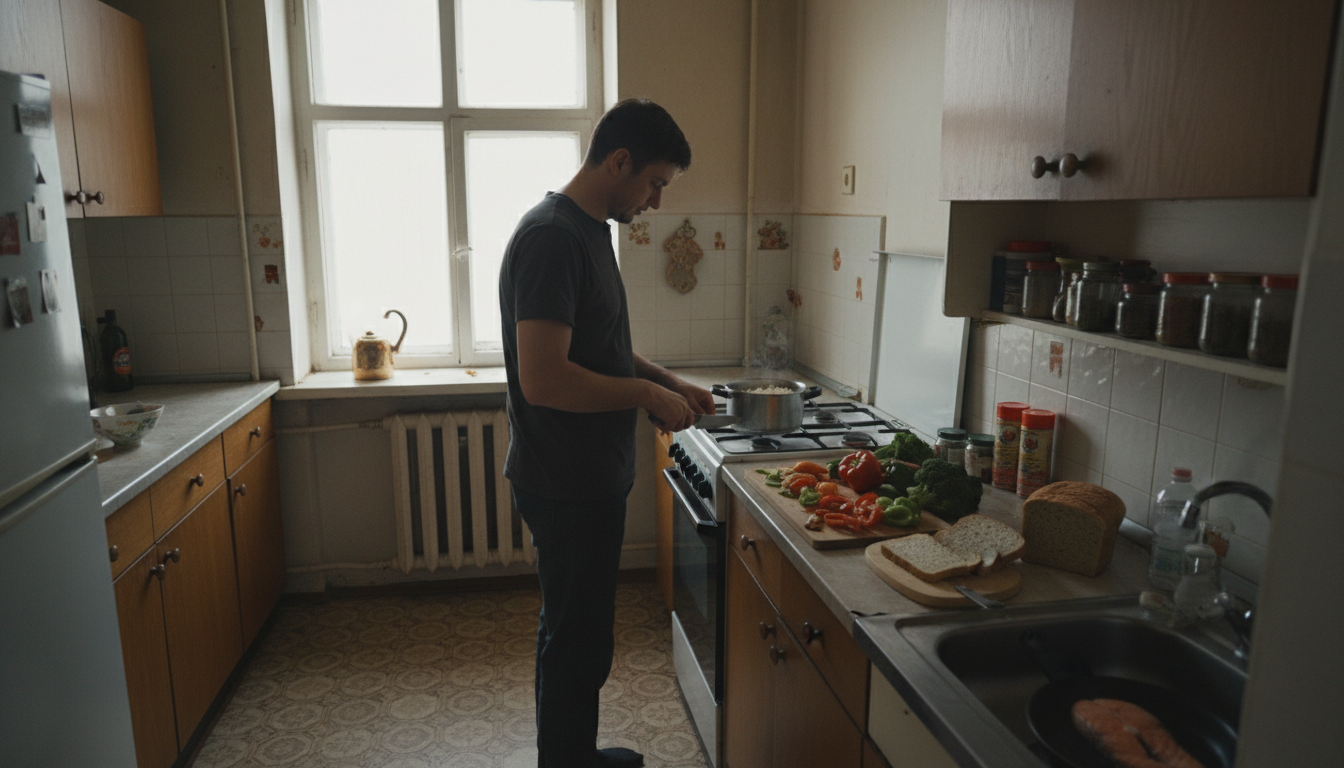
When you're constantly on the go, you end up treating food like a mere logistical detail: a coffee gulped down standing up, a sandwich eaten in front of the screen, a last-minute dinner late at night. Except that your body keeps track. And often, what we call a "slump," "dull skin," or "overwhelming stress" also has its roots in what we eat.
In this environment, Léa, 34, a project manager, thought she was “eating fairly well”. Then she started writing down what she ate when her days were too full. Same menus, same shopping… but not the same eating habits.
A small change here, an ultra-sweet snack there, and the dietary balance would shift without her realizing it.
What's fascinating is that nutrition doesn't just affect weight or cholesterol. It impacts energy, digestion, mood, concentration, and the prevention of many long-term health problems. And when you understand the "why," making adjustments becomes much easier.
Food, energy and health: what the body really does with what we eat
Foods are not only equal in terms of calories. They are distinguished primarily by the way they provide nutrients : proteins for repair, carbohydrates to fuel exertion, and lipids to produce hormones and protect the nervous system.

Léa noticed something silly: when her lunch consisted mainly of white bread and a sweet dessert, she had an energy spike… then a “crash” around 3 p.m. By gradually replacing it with a more complete plate (legumes, semi-whole grains, fish or eggs, vegetables), her stability changed within a week.
The difference is less noticeable on the scale than in the feeling of being able to get through the day without collapsing.
It doesn't mean eating "perfectly". It means building a foundation that protects daily health and makes deviations much less costly
The idea is to have a body that can take the strain, not a body that compensates.
Portions, guidelines and precision: when a small measure makes all the difference
Part of the imbalance comes from something very human: we underestimate or overestimate. We think we're putting "a little" oil, "not that much" cereal, "just" a handful of cheese... and in the end, the actual intake explodes without us realizing it.
Léa amused herself by weighing a few ingredients for two weeks. Not to live down to the gram, but to recalibrate her eye. She used this feedback on a practical kitchen scale to choose a simple model, then stopped weighing once she'd gotten the hang of it. The result: less snacking, because her meals were truly satisfying.
This kind of approach has an unexpected effect: you stop feeling "incompetent" and instead think, "Okay, I have information, I can adjust." It's often at this point that abalanced diet becomes natural.
Digestion, microbiota and well-being: the gut is not just a pipe
Digestion isn't just about comfort. It's a crucial hub: nutrient absorption , immunity, inflammation, and even signals sent to the brain. When it's out of balance, we can feel tired, irritable, or bloated without really understanding why.
Léa experienced bloating, especially on days when she skipped lunch and made up for it in the evening. She tried a simple solution: more regular mealtimes, more gentle fiber (cooked vegetables, oats, well-rinsed lentils), and better hydration. In ten days, she stopped trying to pinpoint which food was the culprit; it was mainly her eating schedule.
In Mediterranean cultures, this logic has long been practiced: structured meals, whole foods, and fermented foods (yogurt, kefir, lacto-fermented vegetables). It's not a fad; it's age-old wisdom that aligns with modern knowledge about the gut microbiota. And the message is clear: for well-being, regularity is just as important as food choices.
Gluten-free, fiber-rich, and intolerable: distinguishing between trend and real need
A gluten-free diet can be essential for some people, but unnecessary (or even disruptive) for others if it leads to a decrease in fiber or an increase in ultra-processed foods. The real question isn't "gluten or no gluten," it's "how do I feel, and is my diet still nutritious?".
When Léa wanted to cut down on processed bread, she looked for higher-quality alternatives rather than cutting it out altogether. She found inspiration in our guide to gluten-free baked goods, especially to offer variety when entertaining friends with gluten sensitivities. She kept one simple rule: if it's gluten-free, great, but it also has to provide real nutrients.
True progress comes when we stop making "all or nothing" decisions and build a routine that respects the body. Then, quality of life follows.
Nutrition, mood and mental health: what your plate changes when the day is heavy
We often separate the mind and body, when in fact they constantly influence each other. A diet low in omega-3 fatty acids, iron, magnesium, or B vitamins can make stress management more difficult, especially if sleep is already unreliable.
Léa noticed that her periods of high stress coincided with faster, sugarier meals. She didn't eliminate sugar, she adjusted it: a dessert after a full meal doesn't have the same effect as a pastry on its own in the mid-afternoon. This change improved her mood in the evenings, because she no longer arrived home starving.
Nordic countries have long emphasized oily fish and whole grains in their public health policies, precisely to support long-term prevention . The idea is simple: when the ground is solid, storms are better managed
Colors on the plate: when pigments reveal something about nutritional intake
Colors are a useful shortcut. The pigments in fruits and vegetables are often associated with protective compounds (polyphenols, anthocyanins, carotenoids). It's not magic, but it's an easy way to add variety without overthinking it.
To motivate herself, Léa set herself a "palette" challenge: one dominant color per day. She discovered ideas through an article on blue fruits and their benefits, then expanded to include unusual pink fruits and white fruits to try. This made the process fun, and above all, it increased the variety without any calculations.
Ultimately, we don't "eat colors" just for looks: we broaden our intake, and the body loves diversity. It's one of the simplest keys to well-being.
Daily nutritional balance: realistic habits that work in real life
You can know all the rules and still fail for one reason: they don't fit into your schedule. The most effective balanced diet is the one you can repeat without thinking about it, even during busy weeks.
Léa stopped aiming for perfect menus. Instead, she created a "solution box": two reliable breakfasts, three quick lunches, four flexible dinners. And above all, snacks that avoid the vending machine trap when hunger strikes too strongly.
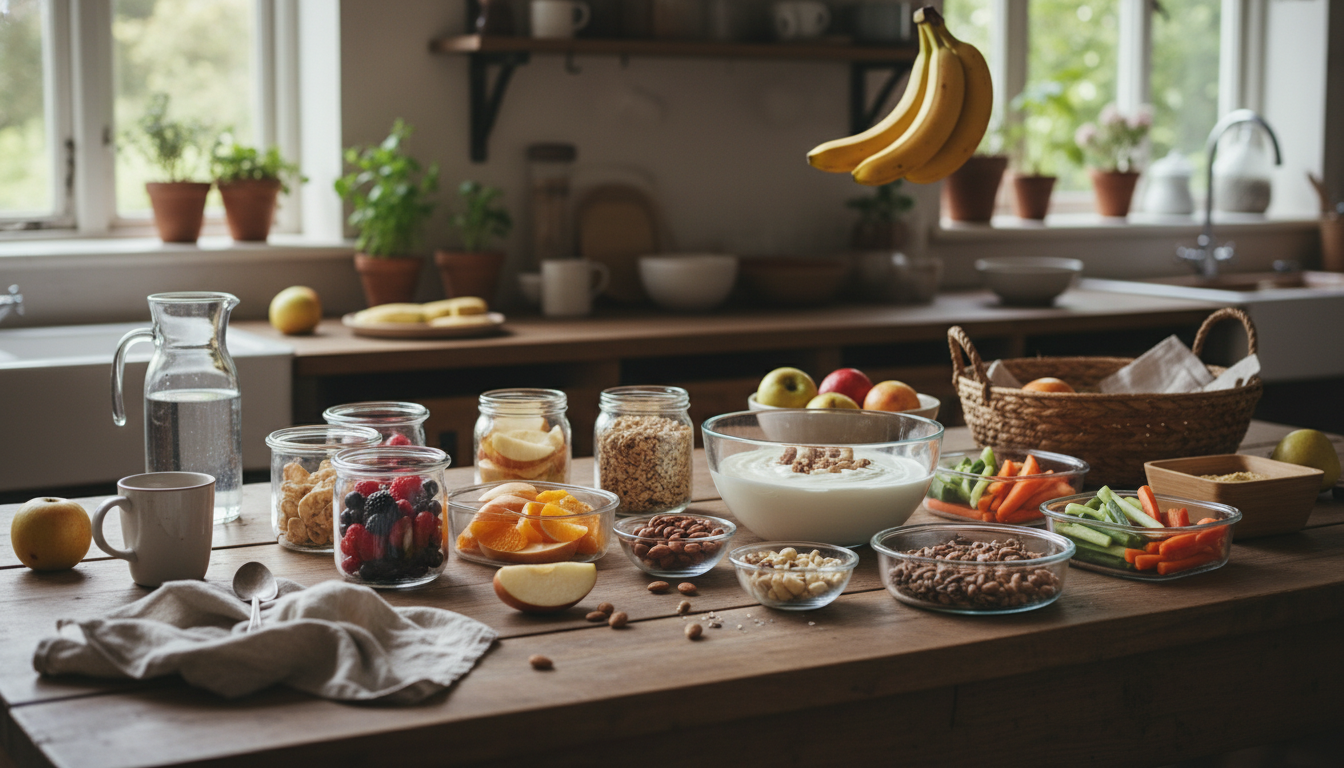
For this, she drew inspiration from these organic snack ideas for the family, adapting them for adults: plain yogurt + fruit, nuts, whole-wheat toast + almond butter, or leftover soup. It's not glamorous, but it's what protects her health in the long run.
Gentle cooking in winter: supporting immunity without complicating life
When it's cold, many people switch to heavier, less vegetable-rich dishes. Yet, this is often the time of year when we need a boost in vitamins, fiber, and hydration.
Léa has rediscovered steaming and simple simmered dishes. She tried a bamboo steamer basket after stumbling upon a review of a bamboo steamer, which is practical for cooking vegetables and fish at the same time. The benefit is improved taste and consistency: when it's easy, you do it.
And to avoid winter blues, she kept a list of recipes rich in vitamin C, found on our website. A simple habit that improves quality of life when the days get shorter!
