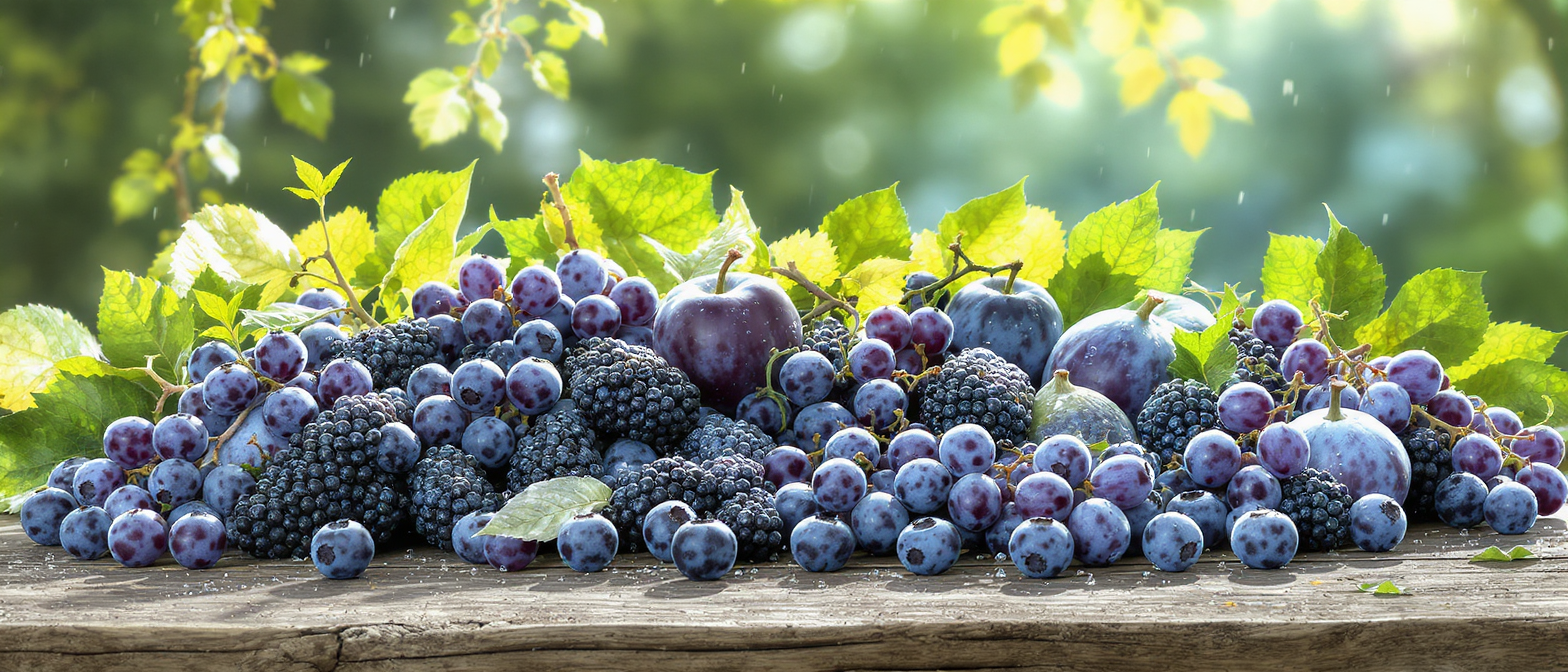


In a market where everything seems standardized, blue fruits retain an air of rarity. Their color is almost never a “primary blue”: it tends more towards blue-black, blue-violet or blue-green, depending on the light and ripeness.
This unique characteristic often stems from a cocktail of pigments, notably anthocyanins, found in many berries. These compounds contribute to cellular protection by helping the body combat oxidative stress, a mechanism implicated in aging and several chronic diseases.
As a result, these fruits appeal to both cooks and health-conscious individuals.
In the nutrition workshops, a fictional dietician, Camille, enjoys "making blue" in her patients' plates: a bowl of blueberries for breakfast, a handful of dark grapes for a snack, or a sauce made from bluish plums on a savory dish.
The goal is not the magic of a color, but a simple reflex: vary the plants to diversify vitamins, fibers and bioactive molecules.
The following guides you, from the most familiar to the most surprising, with concrete guidelines for choosing them, consuming them and enjoying their natural benefits.
Blue fruits: understanding their color, pigments, and nutritional value
If truly blue fruits are rare, it is because nature seldom produces stable blue pigments.
Most of the “blue” tints observed on fruit come from a combination of anthocyanins, the pH of the skin, and sometimes a fine waxy bloom that diffuses light.

It is this alchemy that gives blueberries their powdery appearance, or certain grapes an almost nocturnal hue. This coloring is not merely aesthetic: it is often associated with a high density of antioxidants.
From a health perspective , these compounds help limit lipid oxidation and support microcirculation.
In practice, this translates into a simple strategy: regularly include a portion of berries or dark fruits, especially if your diet is rich in processed products.
The benefits are also expressed through improved digestive comfort thanks to the fibers , and through immune support when these fruits also provide vitamins such as vitamin C.
Camille, our fictional dietician, uses an easy-to-remember rule: “blue in the morning, blue as a snack, and once a week in a savory version.” Why? Because these fruits lend themselves well to a variety of uses: raw, in smoothies, in lightly sweetened compotes, or roasted to accompany a protein.
A so-called “blue” tomato (often more purplish) roasted in the oven, for example, concentrates its aromas and retains some of its pigments, while limiting the addition of sugar.
When choosing, rely on the skin: it should be intact, without soft areas, and the color should be uniform.
To preserve antioxidants, avoid prolonged soaking: rinse quickly, dry, then consume.
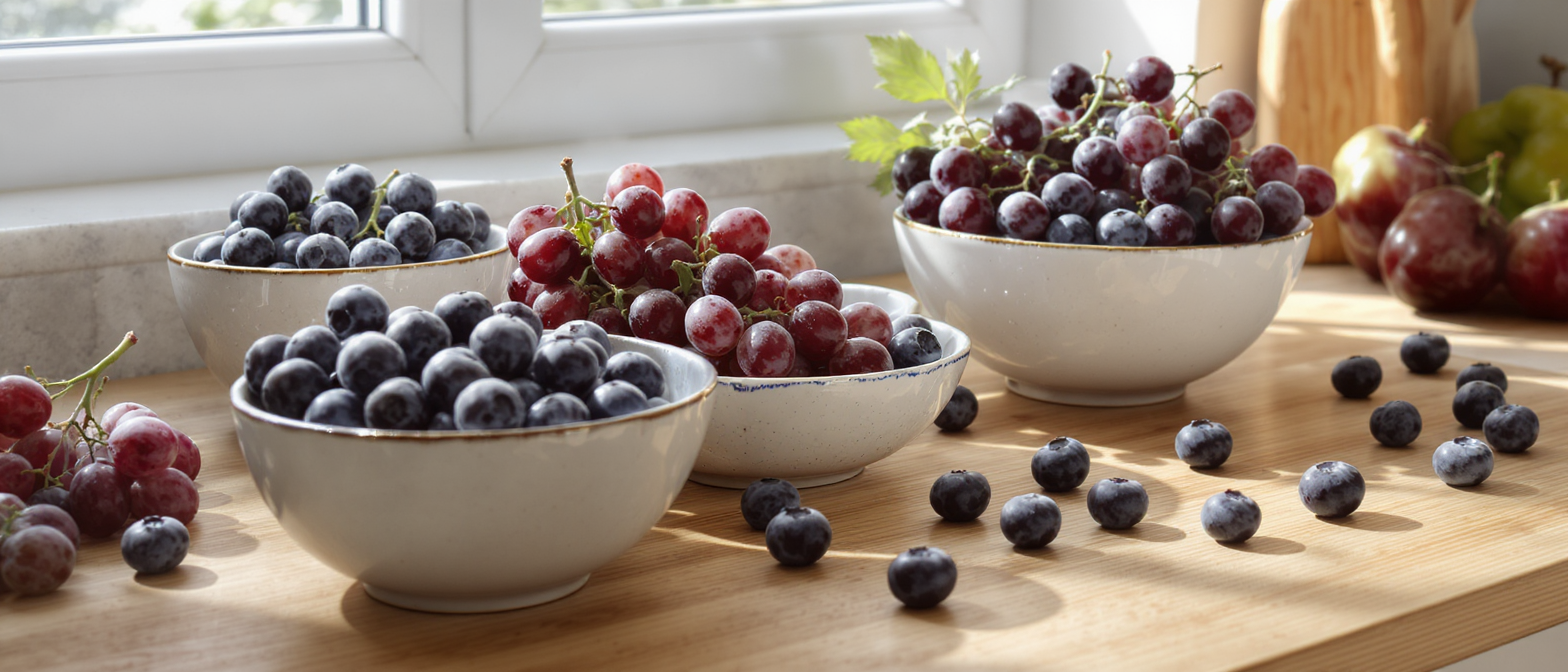
This logic of quality naturally paves the way for the complete list, which mixes classics, regional specialties and botanical curiosities.
Remember one key idea: colour is not a gimmick, it is often an indicator of cellular protection and nutritional density.
List of 20 naturally blue fruits (from most common to rarest): appearance, origin and benefits
Here is an ordered selection from the most common to the most difficult to crossbreed. Each fruit is distinguished by its bluish hue, its terroir and its advantages, including fiber, minerals and vitamins.
The goal is to give you usable guidelines: what to buy, what to taste while traveling, and how to incorporate them without complexity.
| # | Fruit (common/scientific name) | Blue feature | Origin / culture | Benefits & consumer idea |
|---|---|---|---|---|
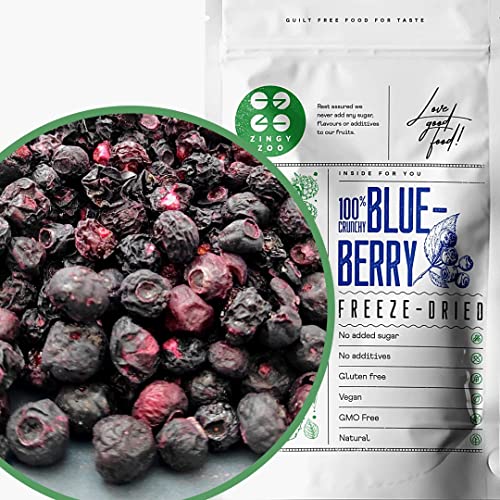
| 1 | Blueberry (Vaccinium corymbosum) | Blue to blue-black skin, pruinose | North America, Europe | Antioxidants + fiber; raw, porridge, yogurt |
| 2 | Black table grape (e.g., Ribier) | Blue-violet skin | Mediterranean Basin, California | Polyphenols, hydration; as a snack, salad |
| 3 | Concord grape (Vitis labrusca) | Intense blue-violet | United States (Northeast) | Phenolic compounds; in lightly sweetened juice, homemade jelly |
| 4 | Damson plum (Prunus domestica subsp. insititia) | Blue skin, oval shape | Europe, United Kingdom | Fiber, potassium; in compote, lightly sweetened jam |
| 5 | Blackthorn (Prunus spinosa) | Small bright blue drupe | Europe, wild hedges | Astringency useful in maceration; in chutney, jelly |
| 6 | Saskatoon Bay (Amelanchier alnifolia) | Blue-black, the size of a large grape | Canada, Northern USA | Fiber + micronutrients; in muffins, porridge |
| 7 | European wild bilberry (Vaccinium myrtillus) | Darker skin, more colored pulp | Northern Europe, mountain ranges | Anthocyanins; raw, as a coulis on cottage cheese |
| 8 | “Blue” tomato (varieties rich in anthocyanins) | Purple/blue-black epidermis | Vegetable crops, seed producers | Protective pigments; roasted, in sauce, in salad |
| 9 | Juniper berry (Juniperus communis) | Small blue-black berry | Europe, mountainous areas | Resinous aroma; as a spice, use in moderation |
| 10 | haskap / honeysuckle (Lonicera caerulea) | Dark blue berry, elongated shape | Eastern Europe, Canada, Japan | Antioxidants; in smoothies, sorbets, jams |
| 11 | Huckleberry (Vaccinium spp.) | Blue to black depending on the species | American Northwest | Fiber, phenolic compounds; in pies, compotes |
| 12 | Giant blue Texas fig (cultivar of Ficus carica) | Blue-violet skin, large caliber | Southern USA | Minerals (iron, calcium) + energy; fresh, with nuts |
| 13 | Blue Java Banana (Musa, hybrid) | Blue-green skin when mature | Southeast Asia, tropical islands | Potassium, creamy texture; in homemade “nice cream” |
| 14 | Kastoree Mango (Mangifera indica, regional type) | Dark blue-violet skin, orange pulp | India (local growing areas) | Vitamin A (precursors) + strong flavor; plain, lassi |
| 15 | Ceylon blue olive (local variety) | Round, bright blue | Sri Lanka | Monounsaturated fats; marinated, cooked, as a condiment |
| 16 | Fruit “blue marble” (often Elaeocarpus spp.) | Very blue, bright, marble-shaped | Asia/Oceania depending on species | Mostly artisanal; if consumed locally, use is regulated |
| 17 | Laurestine (Viburnum tinus) | Blue-black berries, metallic sheen | Mediterranean | Primarily used in traditional ways; decorative interest, caution |
| 18 | Blue sausage fruit (Decaisnea fargesii) | Bright blue pod, light-colored pulp | China, Himalayas | Melon-like flavor; pulp can be scooped out, skin is inedible |
| 19 | Blue corn (Zea mays, variety) | Blue-violet grains | Mexico, Southwestern US | Fiber + pigments; tortillas, polenta, flour |
| 20 | Filius Blue pepper (Capsicum annuum) | Blue-violet then red | Vegetable crops | Capsaicin; in sauces, gradually increasing the dosage |
To fully enjoy these natural benefits, aim for simplicity: a portion of berries (often picked ripe) works very well in a smoothie, while sloes and damsons lend themselves to less sweet homemade preparations.
Camille also advises combining these fruits with white and red fruits with a source of protein (Greek yogurt, cottage cheese, silken tofu) for a more stable snack, especially when monitoring blood sugar.
The next step is to integrate them into daily life without a monotonous routine.
How to incorporate blue fruits into your daily life: ideas, precautions and culinary uses
Including blueberries on the menu doesn't mean eating the same punnet of blueberries every day. The key is to play with textures and when you eat them.
For example, if you enjoy quick breakfasts, a bowl of plain yogurt with berries and seeds provides an effective trio: fiber, protein, and antioxidant compounds.
For more "meal-like" use, purple-skinned tomatoes with a drizzle of olive oil make a dense sauce, which is interesting when you want to reduce the added sugar in industrial sauces.
In Camille's workshops, one exercise comes up often: replacing an ultra-processed snack with a "blue fruit + oilseed" duo.
A handful of Ribier grapes with a few almonds, for example, is filling without being heavy and improves the quality of your diet. This indirectly supports the immune system by stabilizing energy levels and providing vitamins and minerals.
For sensitive individuals, gradual increase is key: abruptly increasing fiber intake can hinder digestion, especially with richer fruits or highly concentrated preparations.
In terms of storage, fresh berries keep best unwashed, in a ventilated box in the refrigerator, then rinsed just before consumption.
To preserve the cellular protection associated with antioxidants, favour gentle cooking methods when processing: short compote, moderate oven, or rapid reduction.
Frozen foods are a practical option: they limit waste and allow you to consume them all year round, which fits well with modern eating habits.
A useful precaution: some items on the list are not eaten like table fruit.
Juniper berries are mainly used as a seasoning, and the fruit of the blue sausage is eaten only through its internal pulp.
Laurestine, on the other hand, is more of a traditional or decorative use than a common food.
When in doubt, stick to varieties that are clearly commercially available, or ask locally when you travel.
Finally, to avoid boredom, create a four-week “blue cycle”: one week focused on berries (blueberries, haskap berries), one week on grapes, one week on homemade plums/sloes, then one “discovery” week (kastoree mango if available, blue corn in tortillas).
This approach keeps the enjoyment intact and anchors the natural benefits in a realistic habit.
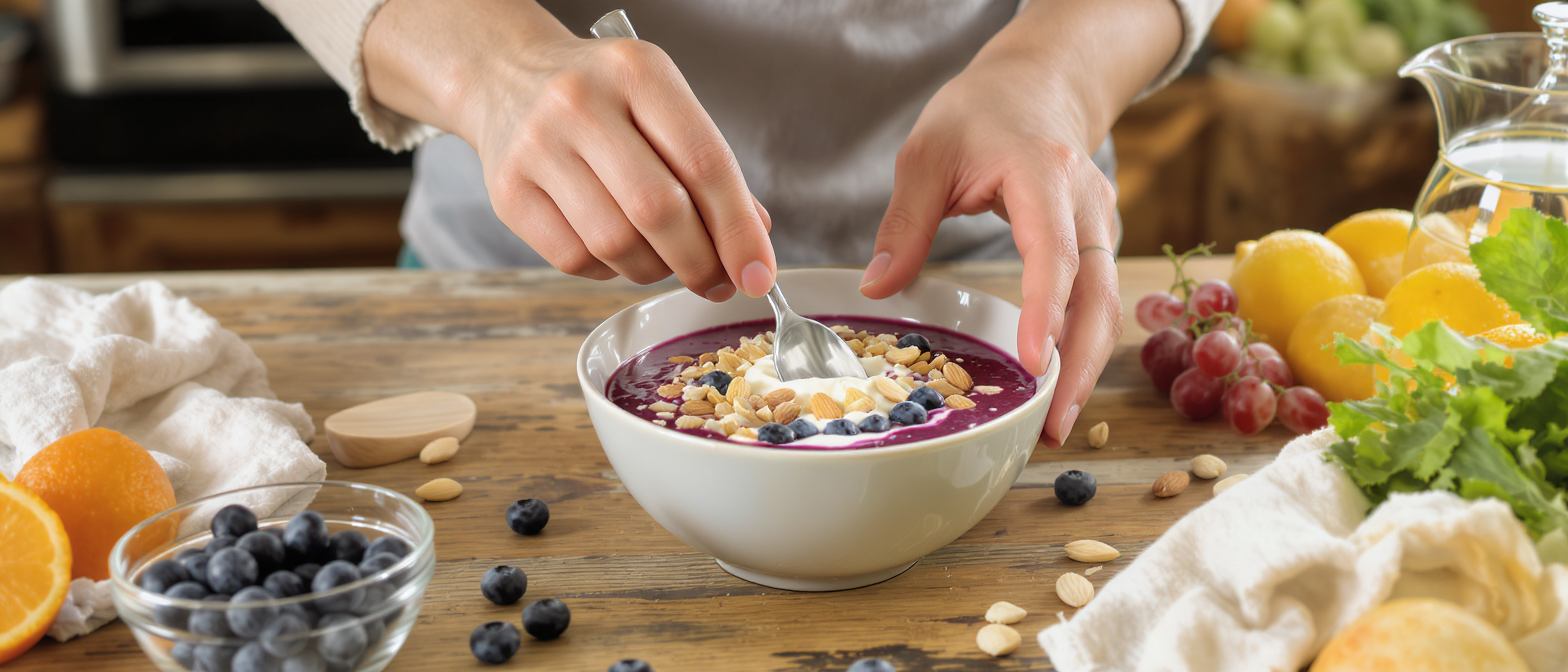
To broaden your ideas, traditional cuisines are a good source of inspiration: blue corn is central to some tortillas and flatbreads, while sloes and damsons have a long history of macerations and jams in several regions of Europe.
Adapting these uses with less sugar and more whole fruits allows us to keep the taste, without losing the nutritional value!
Additional information
Why are blue fruits rarer than red or yellow ones?
The color blue is difficult to produce consistently in living organisms. It often results from a mixture of anthocyanins, the structure of the skin, and sometimes a waxy bloom that alters light. Many "blues" are actually blue-violet or blue-black.
Do blue fruits really provide more antioxidants?
Often, yes, especially for dark berries (blueberries, haskap berries, some plums) which are rich in anthocyanins. This varies depending on the variety, ripeness, and storage conditions. The main benefit is to increase the diversity of pigments, and therefore protective compounds, in the diet.
How to consume blueberries to maximize their natural benefits?
Eat them fresh or frozen, rinsed quickly just before use. Combine them with a source of protein (yogurt, cottage cheese, silken tofu) and additional fiber (oatmeal, seeds) for greater satiety and more stable energy.
Which blue fruits are easiest to find on a daily basis?
The most readily available are generally blueberries, black table grapes (such as Ribier), and, depending on the region, certain bluish plums. Haskap berries are increasingly appearing frozen or as jam in specialty stores.