
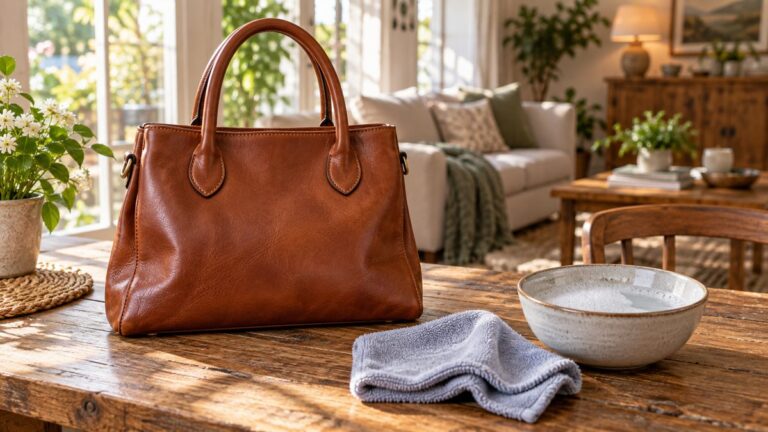
A fresh stain or leather that has lost its shine does not necessarily condemn a bag.
But cleaning a leather bag first requires knowing exactly what material you are dealing with, because an unsuitable method can easily damage genuine leather.
This guide details the method according to the type of stain, the actual material of the bag and the maintenance to repeat so that it ages well.
Before cleaning, identify the actual material of the bag
Most guides on cleaning leather start directly with the product to apply, assuming the bag is made of genuine leather.
However, imitation leather (PU, PVC) reacts very differently: it tolerates much more water and soap, whereas genuine leather swells, stains or cracks when exposed to excessive moisture.
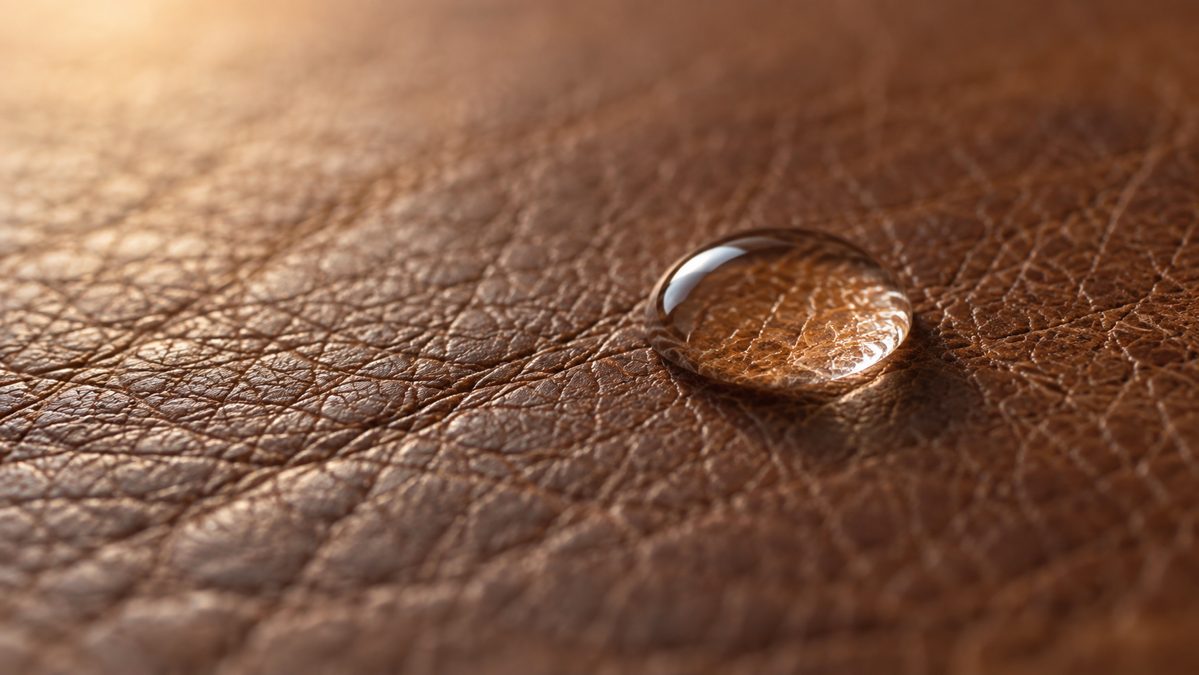
The most reliable test remains the water droplet test: on genuine leather, a small drop placed on a hidden area is absorbed in a few seconds and darkens slightly. On imitation leather, it remains on the surface and beads up without penetrating the material.
A second indicator helps to distinguish between genuine leather: turn over a tab or the inside of a pocket. Genuine leather shows an irregular texture, sometimes a little rough to the touch, while imitation leather retains a grain pattern that is too regular, as if printed.
For imitation leather, warm soapy water is perfectly sufficient, with a more thorough rinse than for genuine leather. The rest of this guide focuses on genuine leather, the most demanding material.
Basic cleaning to be repeated regularly
Before any staining, a simple dusting already prevents dirt from becoming embedded in the grain of the leather.
- Empty the bag completely and remove dust from the seams with a soft brush or a dry microfiber cloth.
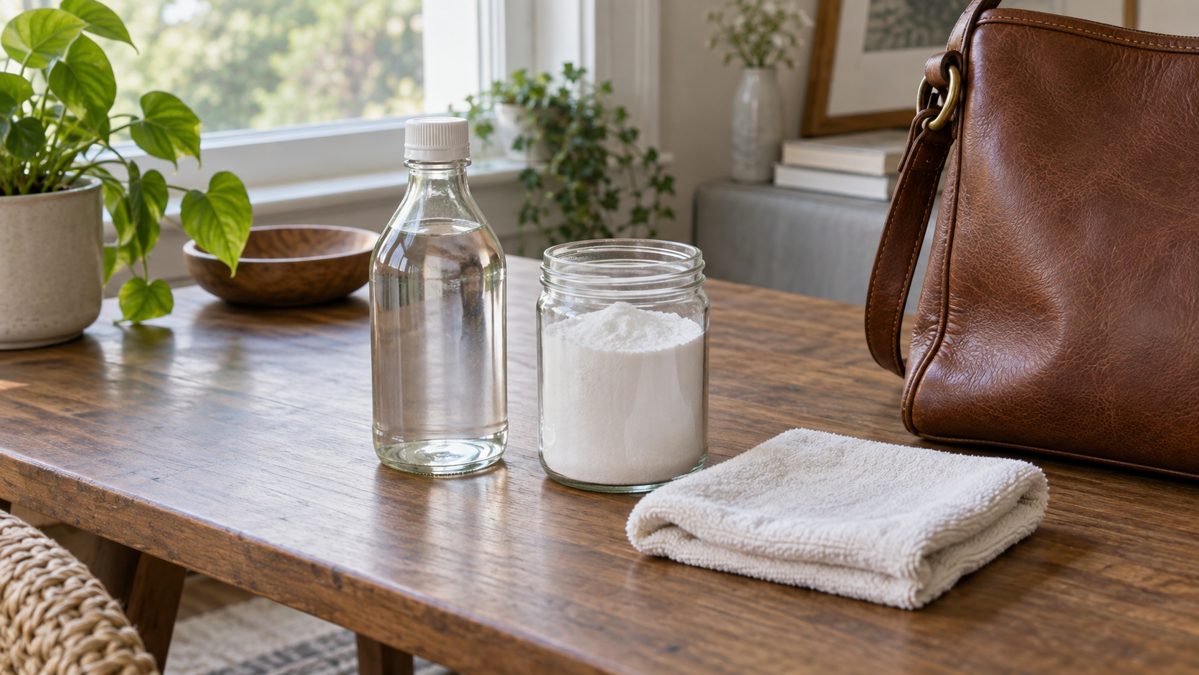
- Soak a second cloth in lukewarm water with a single drop of mild soap (Marseille soap for example), wring it out well: it should be damp, never wet.
- Clean with small circular movements, without pressing, working on a small area at a time.
- Wipe immediately with a dry cloth to prevent moisture from remaining on the surface.
This simple routine, repeated every two to three weeks on a bag used daily, prevents most of the deep stains discussed below.
Which method is best for the type of stain?
Each stain has its own chemistry: what works on a grease stain will do nothing on ink, and may even spread it further.
| Type of stain | Method |
|---|---|
| Fat (cream, food) | Sprinkle talcum powder or cornflour onto the still-fresh stain, leave it overnight, then brush gently. |
| Pen ink | Dab (without rubbing) with a cotton pad soaked in a little makeup remover milk, changing the side of the cotton pad with each pass. |
| Water (halo) | Allow to air dry completely before taking action, then dampen the entire area with a cloth to even it out, never just the edge of the stain. |
| Wine or coffee | Immediately wipe off the excess, then clean with 70° alcohol diluted half and half with water, testing first on a hidden area. |
| Mold | Wipe dry with a cloth soaked in 70% alcohol, let the bag air dry for 24 hours before storing it, never in a closed plastic bag. |
A concrete example: a pen ink stain that appeared during the journey can be treated in a few minutes with makeup remover milk, whereas once dried and fixed in the grain of the leather, it becomes much more difficult to remove.
Special case of light-colored leather, patent leather or suede
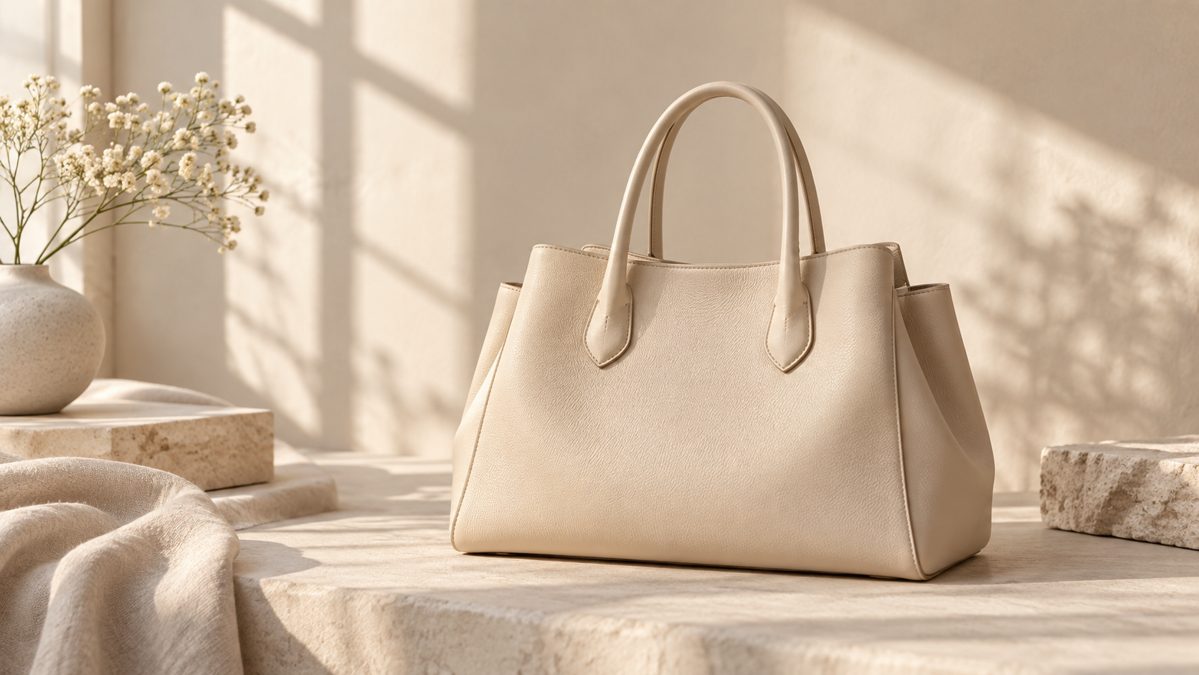
Light leather (beige, white, nude) should never be treated with the same products as dark leather: vinegar or alcohol can slightly yellow some light finishes.
Opt for a special light leather cleaning milk, applied in a very thin layer, and always test on an invisible area (under a tab, inside a pocket) before treating the visible stain.
Patent leather can withstand regular soapy water but is sensitive to heat: never use a hairdryer nearby, or the patent leather will be permanently dulled.
Suede and nubuck follow a different logic: a rubber brush or a special suede eraser replaces water, which leaves irreversible marks on this material.
Clean the interior and neutralize odors
The inside of a bag accumulates crumbs, makeup dust and sometimes a musty smell, especially after a summer spent closed in a closet.
Turn the bag upside down on a flat surface and vacuum with the brush attachment in the corners and zipped pockets.
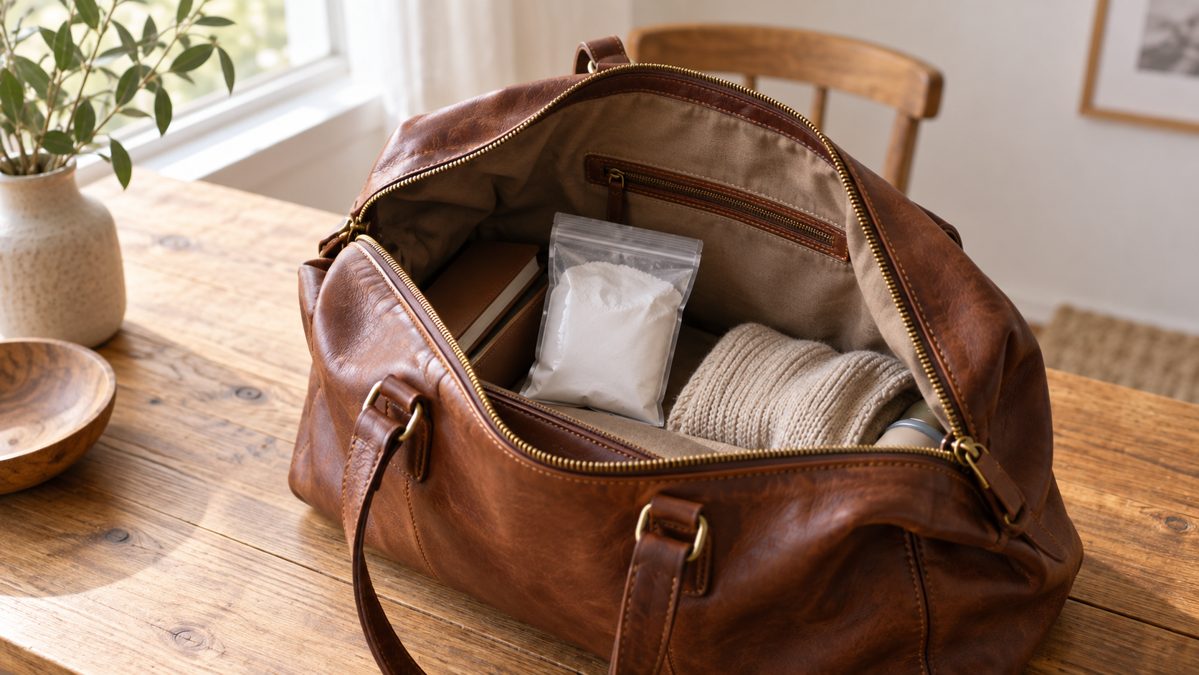
To get rid of the smell, slip a small sachet of baking soda or activated charcoal inside and leave it for several days with the bag closed.
A persistent musty smell (after being stored in an airtight plastic bag, which trapped the residual moisture) also requires wiping the outside with 70° alcohol and complete air drying before any storage.
Nourish and protect the leather once dry
Even a successful cleaning slightly dries out the leather: without conditioning, the material becomes rigid and cracks more quickly over time.
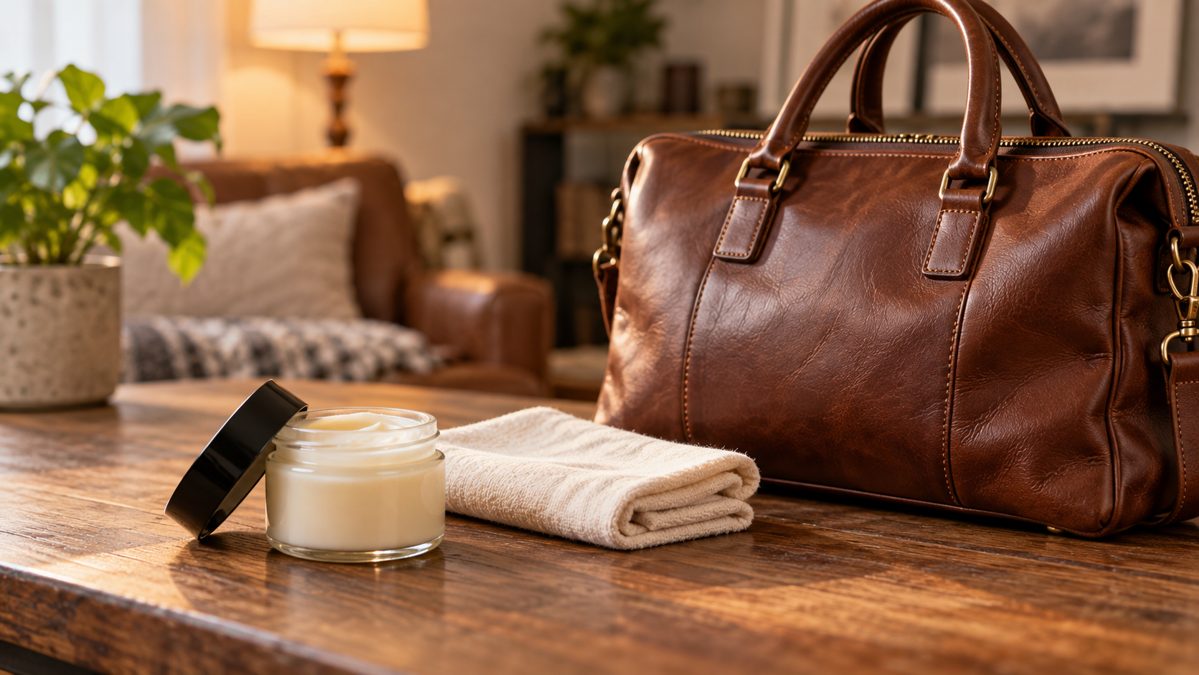
Apply a nourishing cream or lotion suitable for the color of the bag, in a thin layer, with a cotton cloth, then let it penetrate for several hours before reusing the bag.
In practice: replenish the food every 4 to 8 weeks depending on usage. For waterproofing, a spray applied 20-30 cm from the bag, reapplied approximately every 6 months (or more frequently with heavy use), will limit future water stains.
To learn more about the products suited to each type of leather, the Sac du Berger guide goes into detail about the most frequent mistakes depending on the finish.
Mistakes that damage the leather for good
- Test any product on a hidden area
- Air dry, away from any heat source
- Nourish after each deep cleaning
- Soak the leather or rinse it thoroughly
- Dry with a hairdryer or near a radiator
- Rubbing a stain hard instead of dabbing
On old leather, very dry leather, or leather that is cracked in places, these everyday methods have their limitations. Consulting a shoemaker avoids further damaging already fragile leather with an overly aggressive product.
In summary
Identifying the actual material of the bag first prevents the application of an unsuitable method that would damage genuine leather or, conversely, leave a stain on poorly treated imitation leather.
Each type of stain has its own solution, but the common point always remains the same: test before acting, air dry, then nourish the leather so that it regains its suppleness.
Regular maintenance, even minimal, greatly reduces the need for deep cleaning and prolongs the life of the bag.
Practical questions
- What's the best old-fashioned recipe for cleaning leather?
The most common mixture remains lukewarm water with a drop of mild soap for everyday cleaning, and makeup remover for ink stains or light odors. These tips are effective on leather in good condition, but they don't replace a specialized product for old or stubborn stains. - How do you restore a dull leather bag?
Gentle cleaning followed by deep conditioning (with a cream or lotion suited to the color, applied in two thin coats a few hours apart) will restore most of the shine to leather that has simply become dull due to lack of care. Leather that is cracked or discolored in places requires professional restoration rather than home cleaning. - Can you machine wash a leather bag?
No, never: large quantities of water and spinning will deform the leather, loosen the seams, and can cause the dye to run. This prohibition does not apply to quality imitation leather, provided you check the manufacturer's care label. - Is white vinegar suitable for all leather bags?
No: it works well on dark leather for disinfecting or degreasing, but can slightly dull or yellow light leather. For these finishes, a neutral leather cleaner remains the safest choice.
