

The fig tree is attractive for its sweet fruit and Mediterranean foliage. But after planting several fig trees in different gardens (including my own) and exchanging ideas with about ten experienced gardeners, the conclusion is clear: growing this tree has drawbacks and can sometimes cause some problems.
Whether it's its invasive roots, its irritating latex, or its potentially time-consuming maintenance… here's what you really need to know to better prepare before installing one at home.
Invasive roots: damage measured over 5 years
The fig tree's root system is its main drawback. The roots extend far, very far. Extensions of up to 8-10 meters from the trunk have been measured on 15-year-old trees. These roots seek water and nutrients, and they stop at nothing.
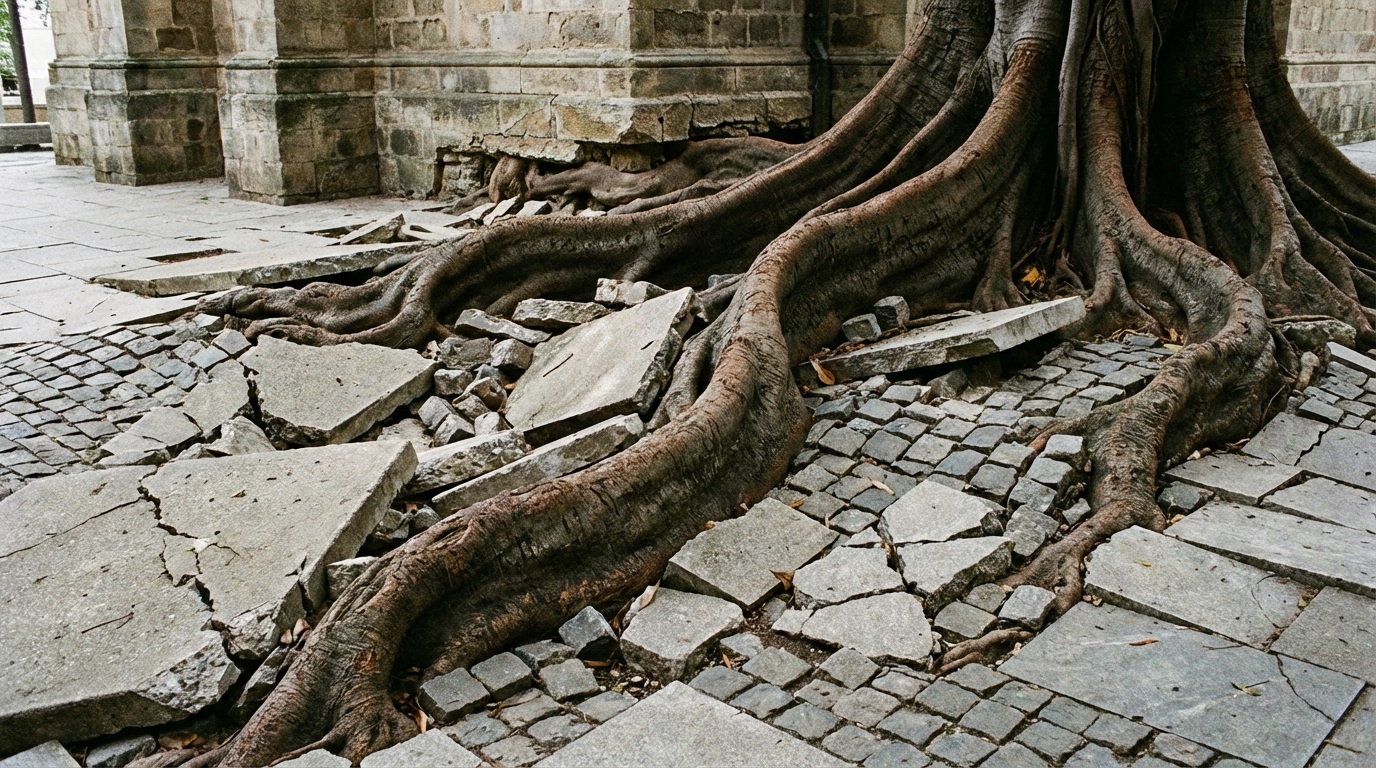
Studies by INRAE confirm that Mediterranean fruit trees such as the fig tree develop a particularly vigorous spreading root system to adapt to dry soils.
The damage observed on the ground
In a five-year study of a 300 m² garden, a fig tree planted 6 meters from a paved walkway began to deform the paving stones in its fourth year. The roots lifted three patio slabs and partially blocked a drainpipe located 7 meters from the trunk!
The foundations of houses are not spared because the roots of fig trees exert a progressive pressure that can create micro-cracks in the concrete.
In one observed case, cracks appeared on a retaining wall located 5 meters from a 12-year-old fig tree.
Planting distances: some key figures to remember
The minimum distance to be respected is 10 meters from any building (house, garage, swimming pool, pipe). Below this distance, the risk of damage becomes real and measurable.
For underground infrastructure (pipes, septic tanks), allow for a distance of up to 12 meters. Roots seek moisture and can infiltrate pipes through joints.
| Infrastructure type | Minimum recommended distance | Main risk |
|---|---|---|
| House (foundations) | 10 meters | Cracks, leaks |
| In-ground swimming pool | 10 meters | Structure deformation |
| Pipes/Pit | 12 meters | Obstruction, root infiltration |
| Paved walkway/terrace | 8 meters | Lifting of the slabs |
| retaining wall | 8 meters | Pressure cracks |
| Fence | 5 meters | Destabilization of the posts |
Do root barriers work?
Rigid plastic rhizome barriers (like those used for bamboo) give convincing results.
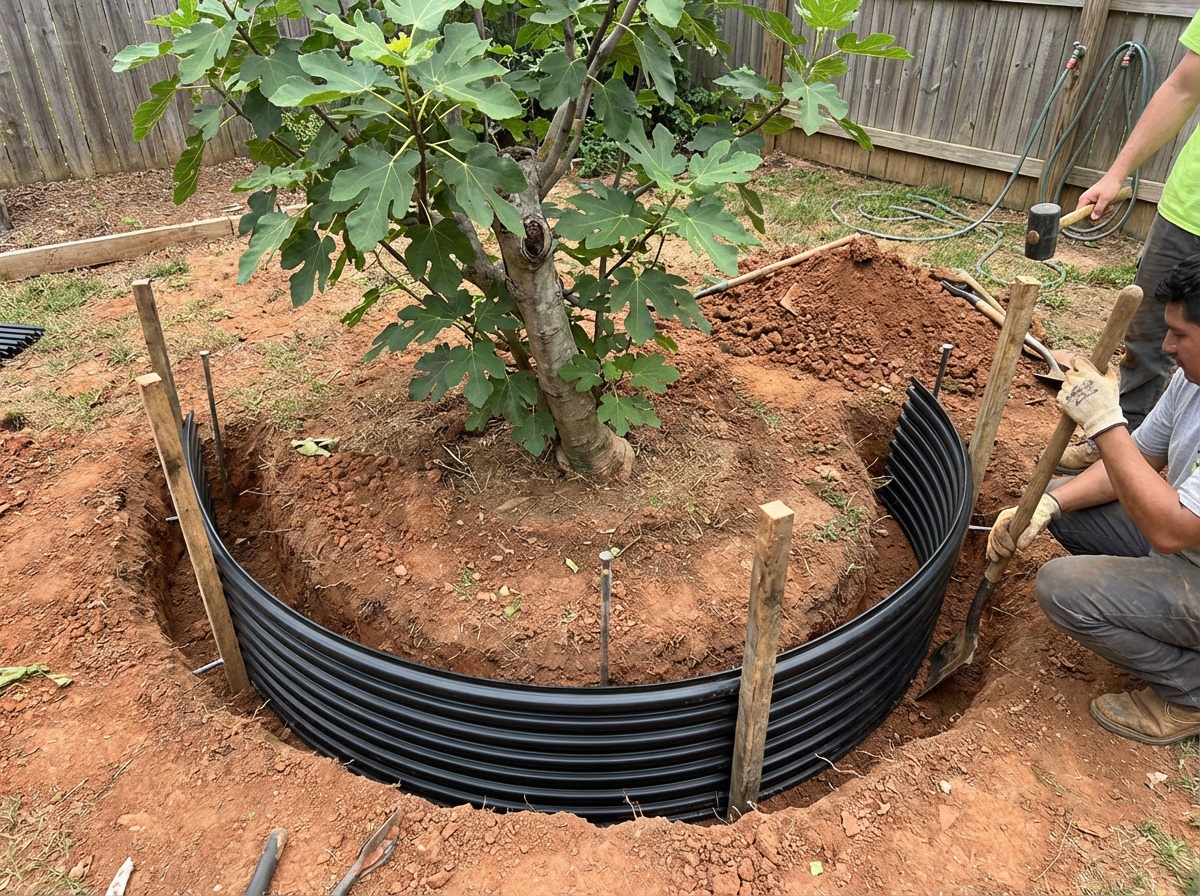
Here are some conditions for it to work:
- Burial depth: minimum 60 cm, ideally 80 cm
- Form a complete circle around the tree (no open areas)
- The diameter of the circle: at least 2 meters for a young plant
- The barrier thickness: minimum 2 mm
Test conducted by Marc.S, as quoted from Instagram:
With a 70 cm deep barrier installed at planting time, the roots were contained for 6 years. Without the barrier, the roots of the same cultivar reached 6 meters in 6 years.
Disadvantages of this method: the roots can still develop deep into the ground. And installing a barrier after planting is complex (it requires digging all around without damaging the existing roots).
Fig tree latex: avoid skin irritations
The fig tree produces a white latex with every cut or injury, and this latex contains furocoumarins, molecules that become irritating under the influence of sunlight. This is known as phototoxicity: contact with the latex combined with sun exposure causes skin reactions.
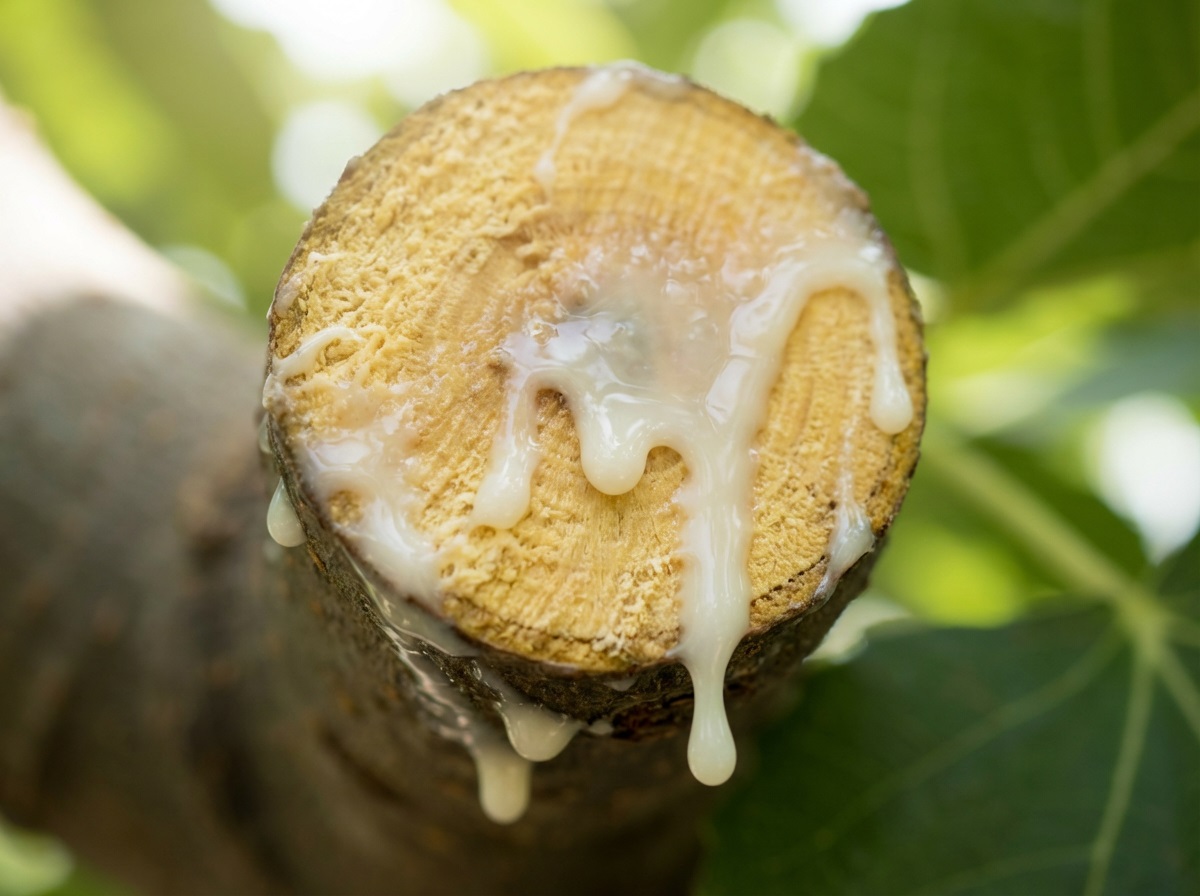
According to the Poison Control Center, furocoumarins present in fig tree latex can cause burns similar to severe sunburn when exposed to UV light.
Real-world testing
During a pruning session performed without gloves in sunny weather, latex caused redness in less than two hours of exposure. The observed symptoms were:
- Redness on the forearms: appears within 90 minutes
- Itching: persists for 48 hours
- Minor burns: a sensation similar to a localized sunburn
The same work performed with nitrile gloves and a long-sleeved t-shirt caused no irritation.
Areas at risk on the fig tree
Latex is present in all parts of the tree and can be used to alleviate warts but also has harmful effects.
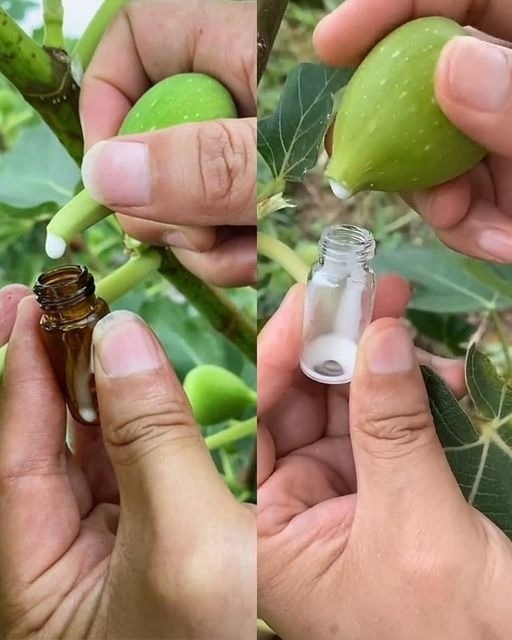
Latex is commonly found in:
- The leaves: they release latex at the slightest tear
- The branches: latex flows abundantly during pruning
- Immature fruits: green figs contain a lot of latex
- Ripe figs: less latex, but it is still present at the point of attachment
Effective protection during handling
To avoid irritation, the minimum equipment includes:
- Nitrile gloves (more resistant than classic latex)
- Long-sleeved T-shirt, even in summer
- Avoid touching your face while working
- Wash immediately with soapy water in case of contact
- Avoid sun exposure for 6 hours after contact
Harvesting figs presents the same problem. Use scissors to cut the stem rather than tearing the fruit off, which limits the release of latex.
What to do in case of a reaction?
If latex comes into contact with the skin:
- Rinse thoroughly with cold water for 5 minutes
- Wash with mild soap
- Dry without rubbing
- Apply a soothing cream (such as calendula)
- Avoid all sun exposure for 48 hours
If blisters appear or if itching persists beyond 72 hours, consult a doctor. Some people develop more severe reactions.
Fig tree care: the actual time investment required
The fig tree is not a tree that you plant and forget about!
Caring for a fig tree requires time, regularly, throughout the year.
Annual pruning: 2 to 4 hours of work
Pruning is essential to control the shape of the tree and stimulate fruit production. Timing on an 8-year-old fig tree (3 meters tall):
- Tree inspection and identification of branches to be cut: 20 minutes
- Cutting back dead and diseased branches: 45 minutes
- Training and thinning: 1 hour 30 minutes
- Waste collection and disposal: 45 minutes
- Total: 3h20
This pruning should be done in late winter (February-March depending on the region), before new growth begins. If you miss this opportunity, the tree will produce less fruit and take on an unruly shape.
Important point: fig trees heal poorly. Every cut remains visible and can become an entry point for disease. Pruning must be done cleanly, with sharp tools.
Raking up fallen leaves: the autumn chore
Fig tree leaves fall in large quantities in October-November. On a mature 12-year-old tree, you can easily collect 3 to 4 wheelbarrows of leaves.
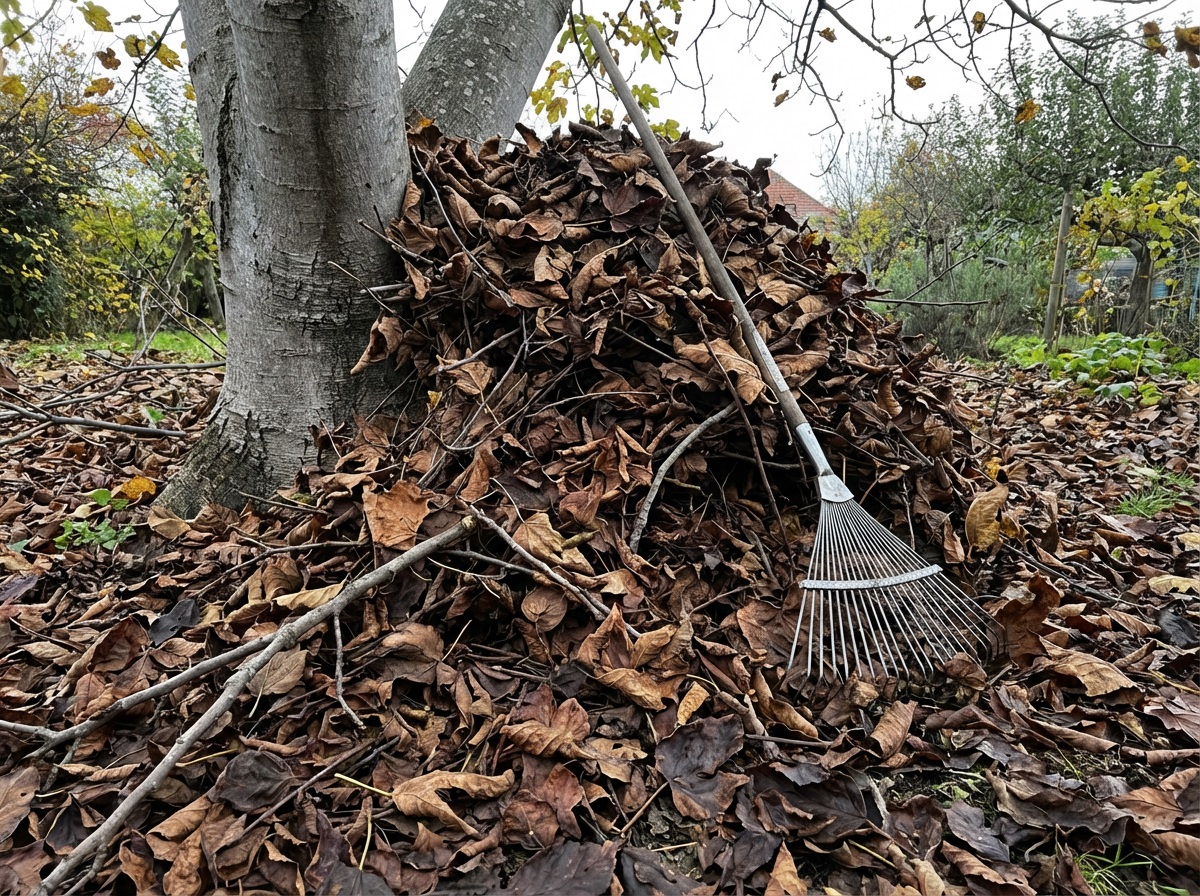
These sheets pose two problems:
- They decompose slowly (6 to 8 months)
- They slightly acidify the soil as they decompose
If you leave them at the base of the tree, they form a thick carpet that smothers the surrounding plants.
The collection takes between 1 and 2 hours depending on the size of the tree, and must be done 2 to 3 times during the season.
Pest monitoring: a necessary monthly inspection
Fig trees generally attract two main parasites:
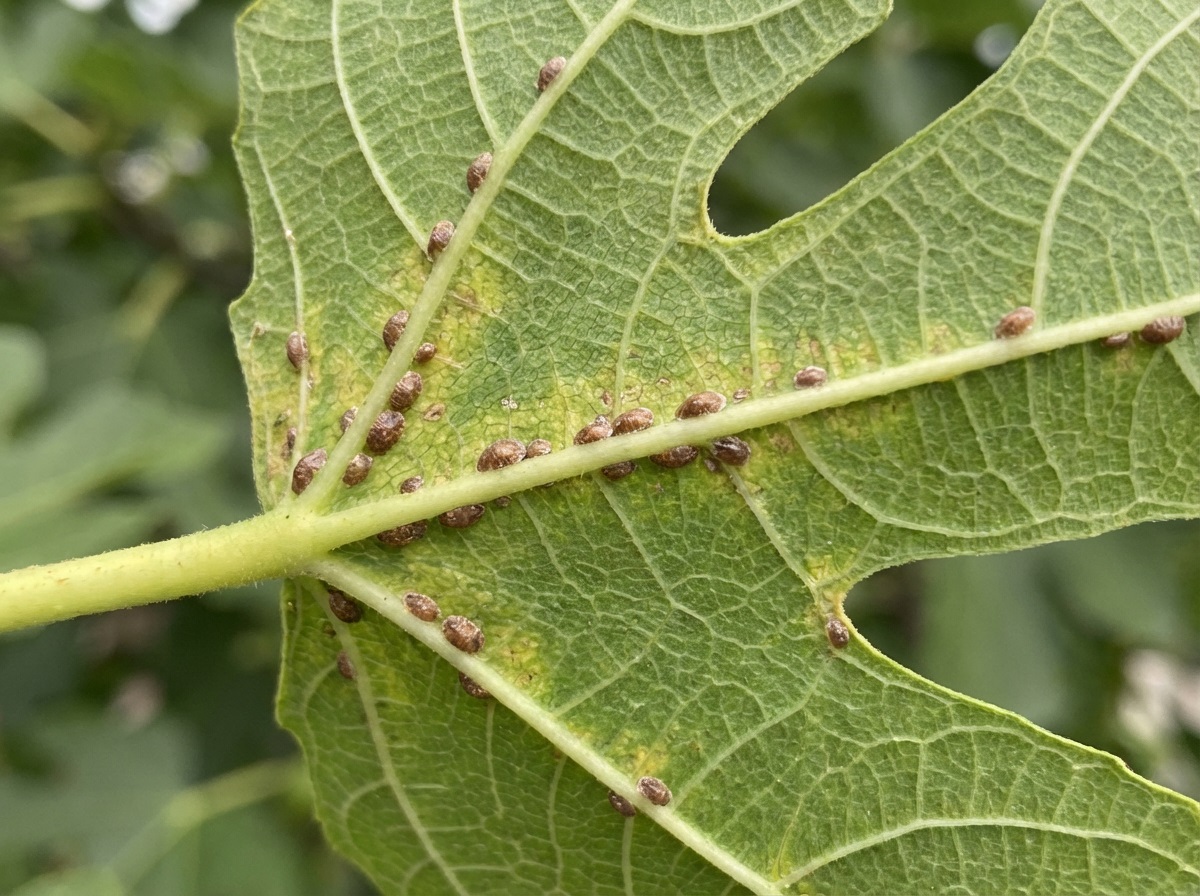
Mealybugs : these white, cottony insects settle under leaves and on young shoots. On an untreated 8-year-old tree, the infestation became visible in 6 weeks. Treatment tested: spraying with diluted black soap (5 tablespoons per liter of water), three applications spaced 7 days apart. Treatment time: 30 minutes per application.
Mites : They cause discoloration on the leaves. More difficult to see with the naked eye, they require a magnifying glass to confirm their presence. Treatment: Foliar spray with a jet of water, twice a week for 3 weeks. Time: 15 minutes per session.
Without regular monitoring (at least one inspection per month), these parasites proliferate and weaken the tree.
Watering in summer: rather difficult on well-drained soil
Although the fig tree is drought-resistant once established, it produces better with regular watering in summer. On sandy soil, it has been measured that a 10-year-old fig tree consumes approximately 40 liters of water every 4-5 days in July and August.
Without sufficient watering, the figs remain small and fall off before ripening. A 60% loss of the harvest was observed on a tree that was not watered during a dry summer.
Compost and waste management
Pruning produces a lot of waste: branches, leaves, twigs. This waste can be composted, but branches take 18 to 24 months to decompose (compared to 6 months for leaves of typical fruit trees).
Time spent on waste management over a year:
- After pruning: 45 minutes (grinding or cutting)
- Autumn leaf collection: 2 hours
- Compost maintenance: 30 minutes spread throughout the year
- Total: approximately 3 hours and 15 minutes per year
Summary of annual maintenance time:
| Stain | Period | Frequency | Time per intervention | Annual time |
|---|---|---|---|---|
| Tree size | February-March | once a year | 3:20 | 3:20 |
| Leaf collection | October-November | 2-3 times | 45 min | 2:00 |
| Pest monitoring | All year round | 1 time/month | 15 min | 3:00 |
| Cochineal treatment | If necessary | 3 times | 30 min | 1 hour 30 minutes |
| Waste/compost management | All year round | Variable | – | 3:15 |
| TOTAL ANNUAL | – | – | – | 1:05 PM |
Source: Rustica – Fig Tree Pruning Guide
Impact on the garden: dense shade and biodiversity
A mature fig tree doesn't just grow in its own corner. It profoundly alters the environment around it.
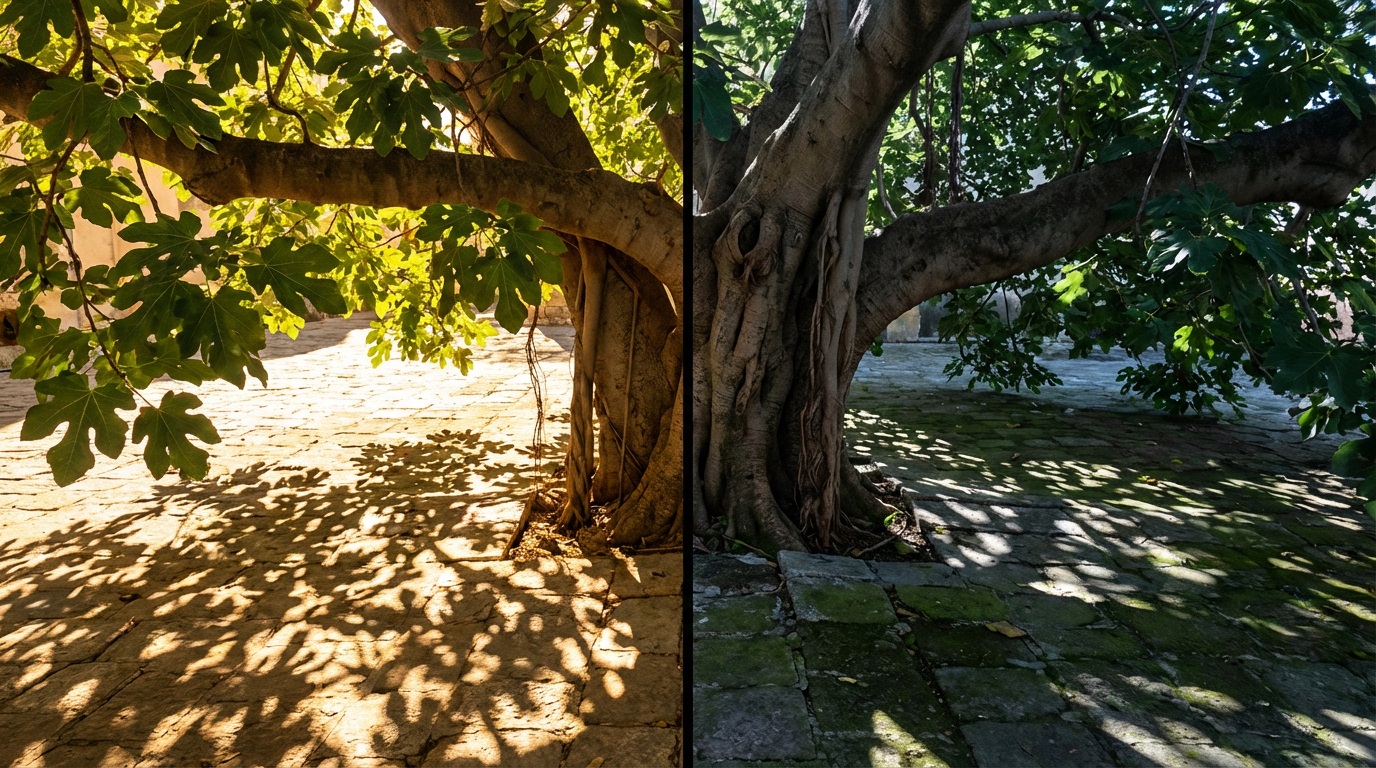
A shadow that condemns 20 m² of crops
The fig tree's foliage is dense, very dense. Measurements taken with a lux meter under a 15-year-old fig tree in sunny weather:
- In direct sunlight (control area): 100,000 lux
- At 1 meter from the trunk: 8,000 lux (-92%)
- At 3 meters from the trunk: 15,000 lux (-85%)
- At 5 meters from the trunk: 45,000 lux (-55%)
The result: it's impossible to grow fruiting vegetables (tomatoes, zucchini, eggplant) or sun-loving flowers less than 4-5 meters from the trunk. Even lettuce and radishes struggle to grow properly.
Test conducted under a fig tree: 6 tomato plants were planted 3 meters from the trunk. Result after 4 months: plants were etiolated, total production of 2 kg compared to 15 kg for the same varieties in full sun.
Plants that thrive in the shade of a fig tree
Only certain species truly tolerate this dense shade:
- Hostas: normal growth, flowering maintained
- Fougères: satisfactory development
- Periwinkles: effective ground cover
- Cyclamen of Naples: adequate autumn flowering
- Liriope muscari: good development
But if your garden is less than 200 m², losing 20 m² for very limited planting is a real sacrifice.
Soil acidification: pH measured over 3 years
Fig leaves, as they decompose, slightly acidify the soil. Measurements taken at the base of a 10-year-old fig tree:
- Initial pH (before planting the fig tree): 7.2
- pH after 3 years: 6.8
- pH after 5 years: 6.5
This acidification remains moderate, but it can be detrimental to certain calcicolous plants (lavender, thyme, rosemary). If you wish to grow these plants near the fig tree, you must amend the soil with lime or dolomite every year.
The impact on local biodiversity
The fig tree creates a unique microclimate. Observations over 2 years:
Positive points:
- Refuge for birds (blackbirds, thrushes)
- Shelter for lizards during the heatwave
- Figs attract pollinating insects
Negative points:
- Less floral diversity on the ground (therefore fewer diverse pollinators)
- The thick leaves smother any spontaneous seedlings
- Changes in soil fauna (fewer earthworms in the dense shaded area)
Overall, the fig tree favors a few species at the expense of a diverse ecosystem.
Is it possible to cut the roots of a fig tree?
Cutting the roots of a fig tree is sometimes necessary to protect a pipe or limit its spread. However, this operation carries risks for the tree's health.
Why cut the roots of a fig tree?
Four situations justify root pruning:
Infrastructure protection: when roots threaten a foundation, a pipe, or a driveway. In the field, intervention was required on a fig tree whose roots had cracked a wastewater pipe located 6 meters from the trunk.
Growth control: to keep the tree to a manageable size, especially in a small garden. Pruning the roots limits the tree's vigor.
Transplanting: moving a fig tree requires cutting part of the roots to create a transportable root ball.
Tree health: if some roots are diseased (rot, fungus), cutting them off prevents the spread to healthy roots.
Rules that must be absolutely followed
Rule #1: Never prune more than 20-30% of the root system at once. Beyond that, the tree suffers excessive stress. It has been observed that a fig tree with 40% of its roots removed lost all its leaves within 3 weeks and took 2 years to regain normal growth.
Rule #2: Preserve the main roots. The large roots that grow directly from the trunk (diameter greater than 5 cm) ensure the tree's stability. Cutting them can cause it to topple over.
Rule #3: Intervene during dormancy. The ideal period is from November to February. Intervening during peak growth (April to September) multiplies stress and increases the risk of mortality.
Step-by-step cutting method
Step 1: Locating the roots. Dig a trench 30 cm deep around the affected area. Proceed slowly to avoid damaging the main roots. Time: 1 to 2 hours depending on the area.
Step 2: Selecting the roots to cut. Only cut the roots that are strictly necessary. Focus on secondary roots (less than 3 cm in diameter). Mark with a marker which roots to keep and which to remove.
Step 3: Clean cut. Use a pruning saw disinfected with alcohol. Make clean cuts, perpendicular to the root. Beveled or jagged cuts heal poorly and promote infection.
For a root 3 cm in diameter, allow 2-3 minutes of sawing with a good saw.
Step 4: Protecting cuts. Apply a healing sealant to cuts larger than 2 cm in diameter. This limits the entry of pathogens. Cost: approximately €10 for a 300g jar.
Post-operative care
The tree needs intensive care for 2 to 3 months after pruning:
Increased watering: 30-40 liters every 3 days for the first month, then every 5 days for the second month. The tree has lost some of its absorption capacity; this needs to be compensated for.
Thick mulch: 10 cm of organic mulch (shredded material, straw) to retain moisture and protect the remaining roots. Area to mulch: 2 meters around the trunk.
Light fertilization: Apply a balanced fertilizer (NPK 10-10-10) one month after pruning to stimulate new root growth. Dosage: 100 g for a 10-year-old tree.
Monitoring: Inspect the tree weekly. Warning signs: yellowing leaves, wilting, premature fruit drop.
observed success rate
Out of 5 root pruning procedures performed according to regulations:
- Four trees have fully recovered (normal growth from the following year)
- One tree showed slowed growth for two years, then recovered
Regarding 2 poorly conducted interventions (cutting 50% of the roots, unsuitable timing):
- One tree died in eight months
- One tree survived but did not produce fruit for 3 years
Root pruning is possible, but it requires rigor and adherence to rules.
Is a fig tree right for your garden?
The fig tree is not a tree for every garden. It imposes its own constraints and needs.
Ideal garden profile for a fig tree
Your garden is suitable for a fig tree if:
- The surface area is greater than 400 m²: this allows us to respect the 10-meter distance from buildings while still leaving space for other crops
- The exposure is south or southwest: the fig tree needs warmth to fruit properly
- The soil is deep and well-drained: compact clay soils limit root development
- You have 5-6 hours per year for maintenance (pruning, collection, monitoring)
Garden profile incompatible
The fig tree is not suitable if:
- Garden smaller than 200 m²: the tree will occupy a disproportionate part of the space
- Immediate proximity to the house: real risk of damage to the foundations
- Shallow or rocky soil: roots struggle to develop and remain near the surface (increased risk of uplift)
- Looking for a "no-maintenance" tree? Fig trees require time and attention
The alternative: a potted fig tree
For small gardens, growing in pots remains a viable option.
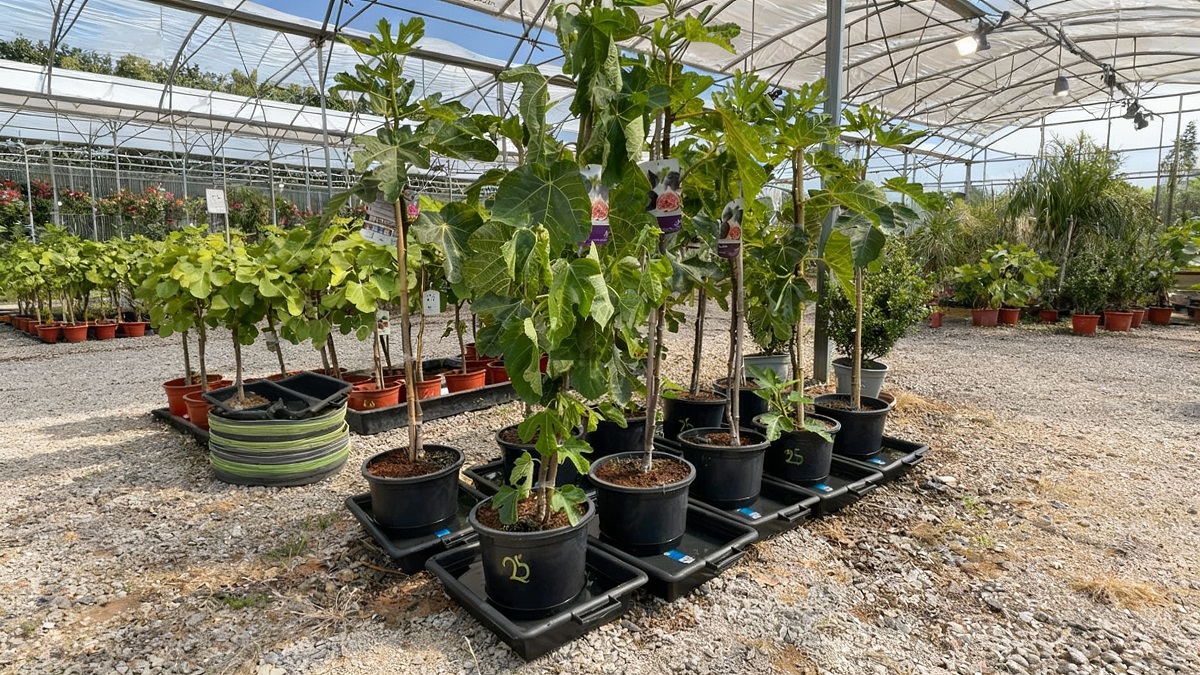
I personally tested it at home for about 3 years with a fig tree in a 100-litre container, but also in many separate pots.
The result:
Regarding production: 15-20 figs per year (compared to 40-60 for a tree of the same age planted in the ground)
Regarding size: the tree remains at 2 meters in height with annual pruning (compared to 4-5 meters in open ground)
The constraints:
- Water every 2 days in summer (the substrate dries out quickly)
- Repotting every 3-4 years (a difficult operation with a 100-litre container)
- Monthly fertilization from April to September (liquid fertilizer for fruit trees)
- Winter protection in cold regions (winter fleece + mulching of the pot)
Cost over 3 years:
- 100-litre container: €60
- Initial substrate: €35
- Repotting (new substrate): €35
- Fertilizer: €30 (€10 per year)
- Total: €160
This solution works, but it requires more attention than a tree planted directly in the ground.
Editor's review
The fig tree rewards those who have the space and time to care for it. The fruit and fig jam are delicious, the shade is welcome in summer, and the tree has character.
But the drawbacks are real, measurable, and unavoidable. The roots are often invasive. The latex is truly irritating. Maintenance takes quite a bit of time.
In a large garden (500 m² or more), with a good location (10 meters from any structure), a fig tree is a suitable choice. In a small garden, it's better to opt for a less demanding fruit tree (apple, pear, dwarf cherry) or a potted fig tree if you're determined to have this species.
Plant a fig tree knowing exactly where you're going. No unpleasant surprises, just accepted constraints.
Some answers to your questions
How far should a fig tree be planted from a house?
A minimum of 10 meters between the trunk and the foundations is required. Roots can crack foundations closer than this distance. For buried pipes, allow 12 meters.
How to avoid irritation from fig tree latex?
Wear nitrile gloves and long sleeves when pruning or harvesting. In case of contact: rinse for 5 minutes in cold water, wash with soap, and avoid sun exposure for 48 hours. Irritation lasts approximately 2 days.
How long does annual maintenance of a fig tree take?
Approximately 13 hours per year: 3 hours 20 minutes for pruning (February-March), 2 hours for leaf removal (autumn), 3 hours for pest monitoring, plus treatment if necessary. This time increases with the size of the tree.
Can you plant a fig tree in a pot?
Yes, with a container of at least 100 liters. Production: 15-20 figs/year (vs. 40-60 in open ground). Requirements: watering every 2 days in summer, repotting every 3-4 years, monthly fertilization from April to September.
Do roots really damage pipes?
Yes. Roots seek water and penetrate through joints. A case in point: a pipe partially blocked 7 meters from a 15-year-old fig tree. Plant at least 12 meters away from pipes.
When to prune a fig tree?
Prune once a year between February and March, before new growth begins. This is the period when the tree is dormant and less sap flows. Avoid pruning in summer, autumn, or during periods of frost.
Is it possible to cut the roots without killing the tree?
Yes, but a maximum of 20-30% of the root system. Period: November-February. Preserve the main roots (diameter >5 cm). Water with 30-40 liters every 3 days for 2 months after pruning. Success rate: 80% if the rules are followed.
