
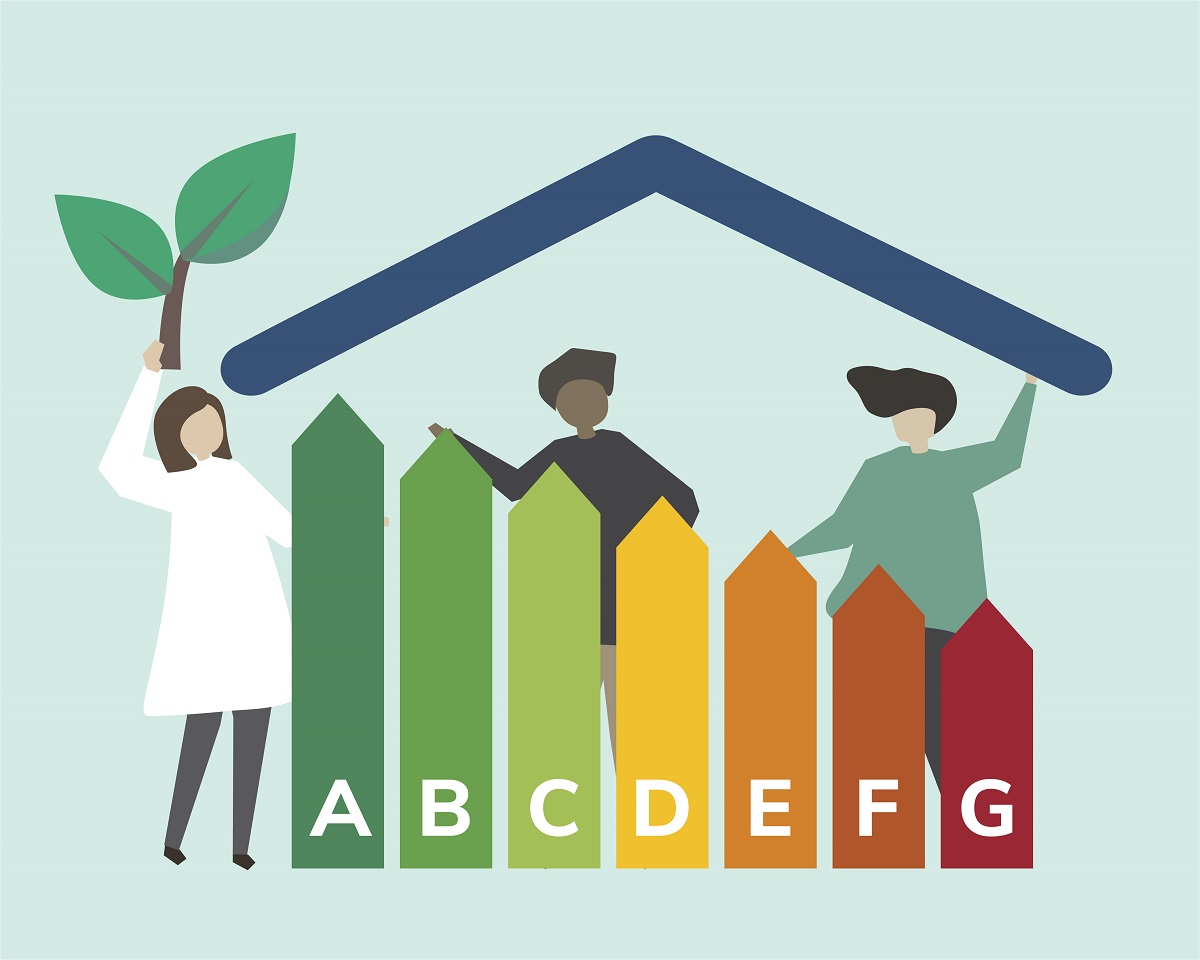
Energy renovation has become essential in the face of rising energy prices and new environmental requirements.
It not only helps to reduce bills, but also to improve the comfort of your home and increase its value on the real estate market.
To succeed in such a project, it is necessary to follow a clear, step-by-step methodology.
1. Conduct an energy audit
Before starting the work, the first step is to carry out an energy audit.
This in-depth diagnosis helps to identify the thermal weaknesses of the dwelling: faulty insulation, obsolete heating system, insufficient ventilation…
The audit is conducted by a certified professional and serves as a roadmap for prioritizing actions. It is also a necessary document to qualify for certain financial assistance.
For renovation work in Annecy, rely on a renovation professional in Haute Savoie who manages your project from A to Z.
The success of an energy renovation project depends in part on the choice of tradespeople.
It is recommended to favour RGE (Recognized Environmental Guarantor) companies, a guarantee of quality and a condition of access to the majority of aid.
2. Prioritize thermal insulation
Insulation is the foundation of any successful energy renovation.
Indeed, a poorly insulated house can lose up to 30% of its heat through the roof and 25% through the walls. Insulation work should primarily focus on:
- The roof and the attic,
- The walls (insulated from the inside or outside),
- The low floors,
- The windows (double or triple glazing).
By improving insulation, heating needs are significantly reduced, which then allows for the selection of a suitable system without oversizing.
3. Modernize the heating and hot water production system
Once the home is well insulated, it's a good idea to review the heating system. Several solutions exist:
- The heat pump (air-to-water or geothermal),
- The condensing boiler (gas or biomass),
- The wood or pellet stove.
The choice depends on the size of the dwelling, the climate, but also the budget. Installing a high-performance system can reduce energy consumption by 40%.
4. Improve ventilation and air quality
An insulated dwelling must be properly ventilated to prevent moisture buildup and ensure good indoor air quality.
Controlled mechanical ventilation (CMV) with double flow is the most efficient solution, as it recovers heat from the outgoing air to preheat the incoming air, thus limiting energy losses.
5. Integrate renewable energies
To go further, energy renovation can include the installation of photovoltaic or thermal solar panels.
These systems allow you to produce your own energy and move towards self-sufficiency. They represent a sustainable investment and increase the value of the property.
6. Financing your energy renovation
The work can represent a significant investment. Fortunately, there are many financial aid options available in 2025:
- MaPrimeRénov',
- Energy Savings Certificates (CEE),
- The zero-interest eco-loan,
- Local aid from communities.
These schemes can cover a significant portion of the cost of the work, making renovation more accessible.
Successfully completing an energy renovation requires a structured approach: audit, insulation, heating, ventilation, renewable energy and financing.
Each step is complementary and allows for a more comfortable, economical and environmentally friendly home.
When properly guided by qualified professionals, an energy renovation is a profitable investment, both financially and in terms of quality of life!