
In short
Spelt has an image of being an ancient and healthy cereal, almost beyond reproach. So when we come across headlines that talk about "danger," we wonder if we've missed something important.
The answer lies in two very distinct points, which should not be confused: the presence of gluten, which concerns certain people in particular, and a much rarer but very real risk of contamination, which has already led to a product recall in France.
This article sorts through what should really alert you and what is excessive worry, with concrete guidelines for consuming small spelt with peace of mind.
Does einkorn wheat contain gluten? What you need to know before eating it
First thing to correct: no, einkorn wheat is not a gluten-free grain. This is a common misconception, probably because it is often presented as a "more digestible" alternative to modern wheat.
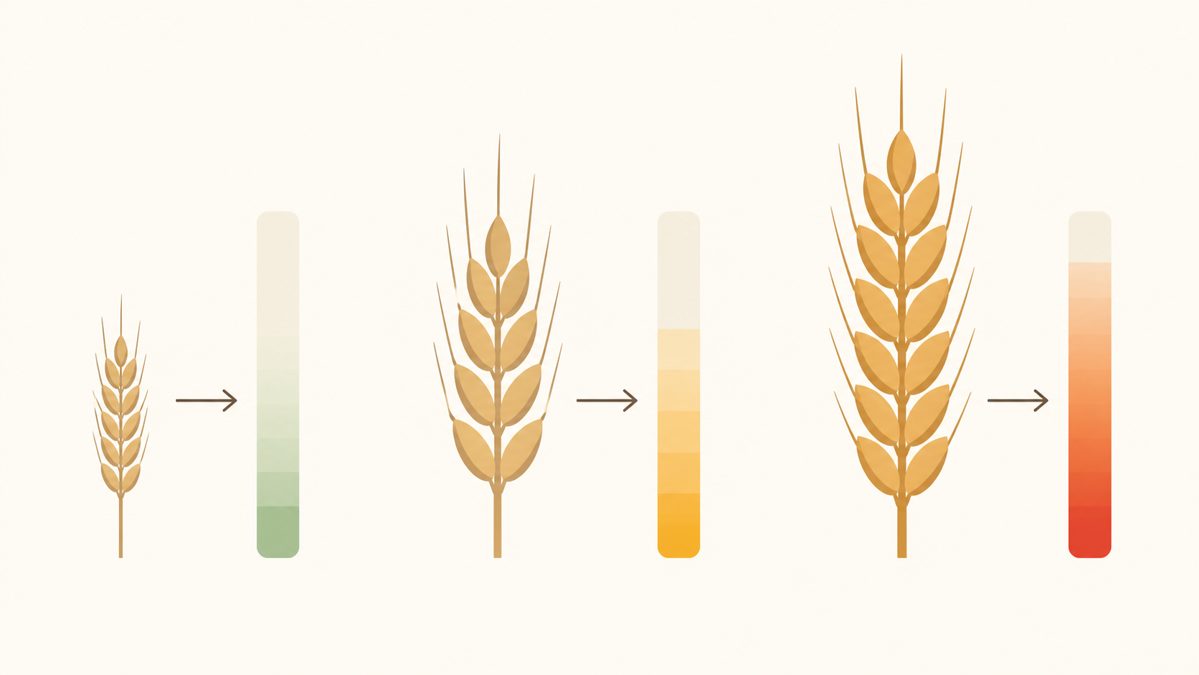
Einkorn wheat belongs to the same botanical family as wheat. It therefore contains gluten, at a level of approximately 7%.
Compared to 8 to 14% for classic soft wheat and 10 to 12% for spelt: it is generally less, but it is not zero.
A lower gluten content does not mean "risk-free." For a person with celiac disease, even a small amount of gluten triggers an immune system reaction that damages the intestinal lining, regardless of the dose.
Three very different situations are often confused in discussions about gluten, which explains a good part of the confusion.
- Celiac disease : a medically diagnosed autoimmune disease, where spelt is strictly discouraged, like any cereal containing gluten.
- Wheat allergy : an immune system reaction to wheat proteins (not just gluten), which can also affect einkorn wheat since it belongs to the same family.
- Non-celiac gluten sensitivity : digestive disorders (bloating, discomfort) without the markers of celiac disease, where some people actually report better tolerating einkorn wheat than modern wheat, although this is not a universal rule.
Let's take a concrete example: Amandine, who suffers from irritable bowel syndrome without being celiac, has replaced her usual wheat bread with spelt sourdough bread, and she tolerates small portions well per meal, but feels bloated if she exceeds a larger quantity in one go.
A threshold that obviously varies from person to person.
Spelt remains a cereal grain in the wheat family. Better individual tolerance never means gluten-free or a green light for people with celiac disease.
Another concrete example: Julien, diagnosed with celiac disease three years ago, briefly considered reintroducing einkorn wheat, thinking that "a little less gluten" might be acceptable. His gastroenterologist reminded him that no grain from the wheat group, including einkorn and spelt, has a place in a celiac diet, even in small quantities.
If you suspect an intolerance or allergy, never start an elimination or reintroduction diet on your own. A diagnosis of celiac disease requires tests performed while gluten is still being consumed; stopping it beforehand can skew the results.
Ergot contamination: a real but rare risk
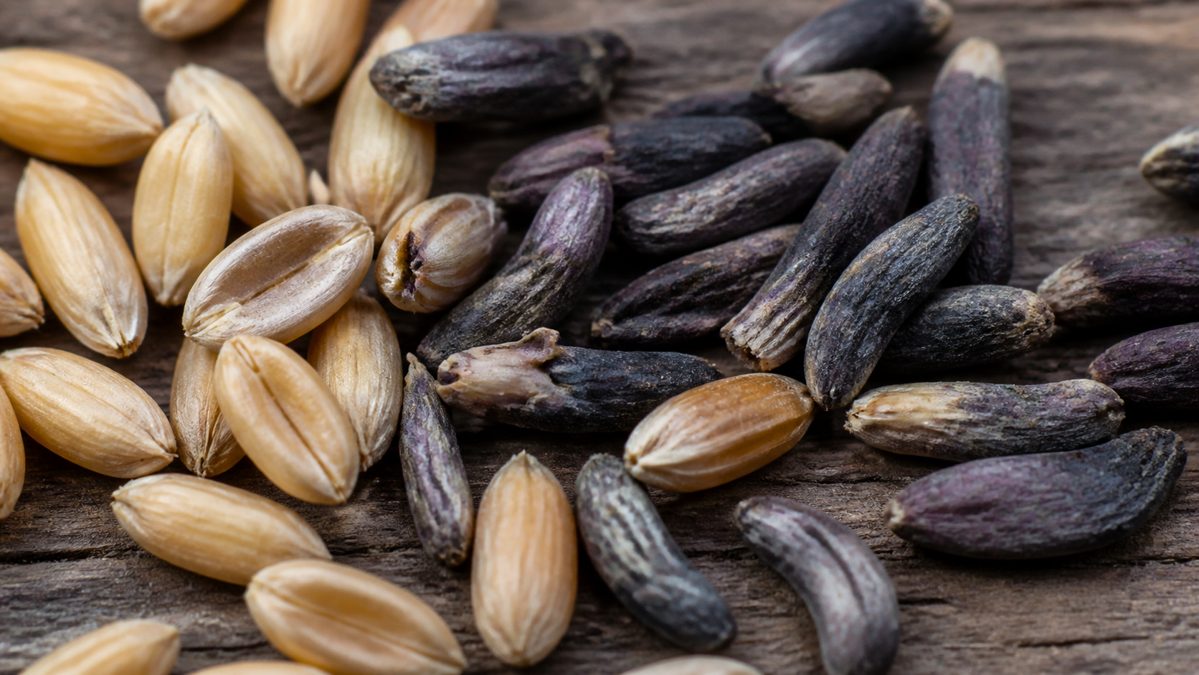
The second, less well-known danger has nothing to do with gluten: it is contamination by ergot, a parasitic fungus that can take hold on certain cereals, including einkorn wheat, under unfavorable growing or storage conditions.
This is not a theoretical hypothesis. In February 2025, the official consumer recall platform RappelConso published a recall notice concerning a FEV brand pure spelt bread, sold between January 6 and 31, 2025, in several organic stores in France. The reason: the presence of ergot alkaloids exceeding the permitted limit in the flour used.
Ergot alkaloids are toxins produced by the fungus Claviceps purpurea. In excessive doses, they can cause circulatory problems and seizures, according to the official recall notice. While not insignificant, this type of contamination remains rare and is subject to regular monitoring.
This case is not isolated in principle: 60 Millions de Consommateurs also reported on this contamination, recalling that ergot historically affects mainly rye but can also attack small spelt, wheat or barley in more limited proportions.
However, a one-off recall should not be turned into a general verdict on the cereal: it is precisely because health controls work that a contaminated batch was able to be identified and withdrawn quickly.
How can I check if a product is subject to a recall?
The most reliable approach is to consult the official RappelConso, which lists all food recalls in France with the batch number, brand, and sales period concerned. If you have any doubt about an opened package, the simplest thing to do is check the batch number printed on the packaging before consuming it.
Keep the packaging (with the batch number visible) until the product is finished, especially for artisanal or organic products with low volume, which are more difficult to trace afterwards than a mass-market product.
Small spelt, large spelt and wheat: what are the differences for digestion?
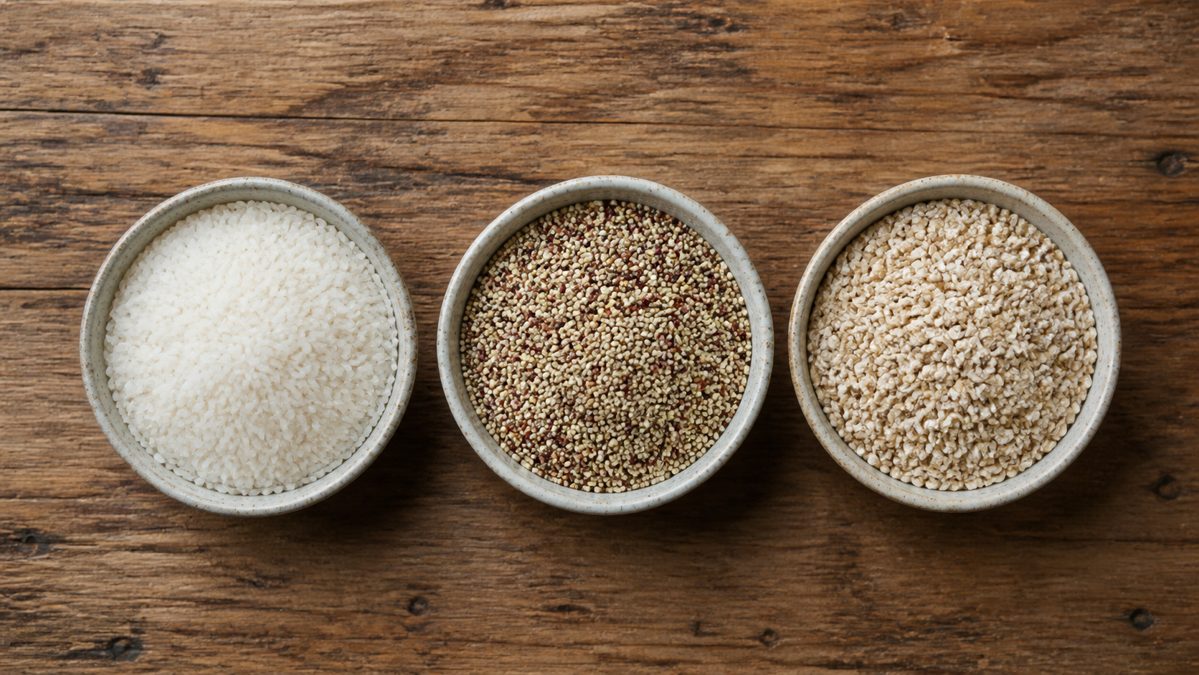
The confusion between einkorn wheat, spelt, and modern wheat is a recurring theme, even though they are three cereals with quite different profiles. The table below summarizes the most useful information for digestive health.
| Cereal | Gluten content | Protein content | For people with celiac disease |
|---|---|---|---|
| Small spelt | Approximately 7% | 15 to 17% | Not recommended |
| Spelt | 10 to 12% | 14 to 16% | Not recommended |
| Modern soft wheat | 8 to 14% | 12 to 14% | Not recommended |
Spelt is distinguished primarily by its lower gluten content and slightly higher protein content compared to wheat. This difference explains why some people with sensitivities (without celiac disease) digest it better, although this does not make it a "risk-free" grain in the strictest sense.
From a botanical point of view, small spelt (Triticum monococcum, also called einkorn) and large spelt (Triticum spelta) are not the same plant: they share a relationship with wheat, but each has its own genetic and nutritional profile, which explains the differences in the table.
- Lower gluten content than modern wheat
- Good source of plant-based protein
- Often better tolerated by people sensitive to gluten (non-celiac)
- Contains gluten, therefore incompatible with celiac disease
- Rare but real risk of ergot contamination
- May cause bloating if consumed excessively
How to consume small spelt safely on a daily basis?

For the vast majority of people who do not have celiac disease or a wheat allergy, einkorn wheat can be consumed without any special precautions. However, a few simple guidelines will allow you to enjoy it without any unpleasant digestive surprises.
Quantity plays a more important role than we think. A 300g portion of spelt bread already represents more than 700 kcal, which suggests treating it as a classic starchy food in a balanced meal, and not as a "health" food that can be consumed without limit.
Simulator: What quantity of einkorn wheat is suitable for my profile?
Answer these two questions to obtain a reference point (for guidance only, not medical advice):
Do you have a sensitive digestive system to gluten (without being celiac)?
In which meal do you plan to include it?
Opt for sourdough spelt bread rather than yeast bread: the long fermentation with natural sourdough predigests some of the gluten and fiber, which often makes it easier to digest for sensitive people.
If unusual symptoms appear after eating spelt (significant bloating, abdominal pain, unexplained fatigue), the best course of action is to consult a doctor. It's best to avoid assuming an intolerance yourself and permanently eliminating the food without medical advice.
In summary
Spelt is not a grain to be avoided on principle. The real point of concern is for people with celiac disease or wheat allergies, for whom it remains incompatible, like all grains in this family.
The risk of ergot contamination exists but remains rare, controlled by health regulations which in fact made it possible to identify and withdraw a contaminated batch in 2025. Following official recalls and respecting the batch number remains the best course of action.
For everyone else, reasonable consumption, in portions adapted to one's own digestion, allows one to enjoy small spelt without seeing it as a disproportionate danger.
Is einkorn wheat good for your health?
It provides good quality plant-based protein and a lower gluten content than modern wheat, making it a valuable grain in a varied diet. However, this doesn't make it a "miracle" grain: it remains a starchy food to be consumed in reasonable quantities, like any other.
Does einkorn wheat contain cadmium?
Like any cereal grown in open fields, einkorn wheat can accumulate traces of heavy metals if the soil contains them, but this depends entirely on the cultivated plot and not on the cereal itself. This is not a characteristic specific to einkorn wheat, and the regulatory limits for foodstuffs apply in the same way as for other cereals.
Is einkorn wheat good for the intestines?
Some people with irritable bowel syndrome report better tolerance of einkorn wheat than modern wheat, especially in the form of sourdough bread. However, this is not always the case: beyond a certain quantity, bloating may recur, hence the importance of adjusting portion sizes.
How can I find out if a batch of spelt flour or bread has been recalled?
The most reliable source is the official RappelConso website, which lists all current food recalls with the brand, batch number, and sales period concerned. If you have any doubt about a product that has already been opened, check the batch number printed on the packaging before consuming it.
Is einkorn wheat suitable for people with gluten intolerance?
No, not if it's a medical intolerance (celiac disease): einkorn wheat contains gluten and should be avoided. However, for simple digestive sensitivity without a diagnosis of celiac disease, some people tolerate it better than modern wheat in moderate quantities.
