
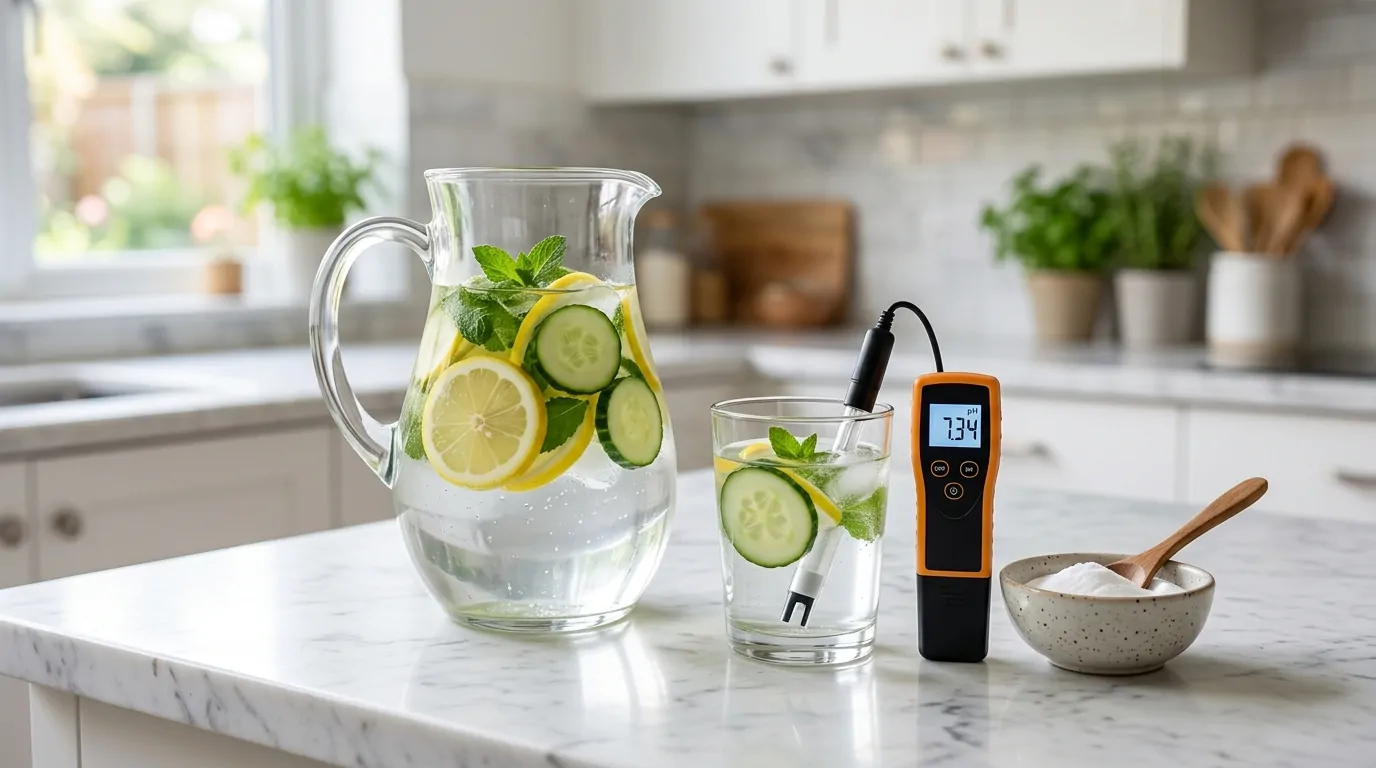
Are you wondering how to alkalize the water you drink every day? Between special carafes, bicarbonate and lemon, advice abounds… and sometimes contradicts itself.
In this practical guide, you will understand what alkaline water really is, how to change the pH of drinking water safely, and which methods for making water alkaline actually work.
All this with clear steps, precise dosages and a clear-eyed look at the advertised benefits.
In short
Understanding alkaline water and pH
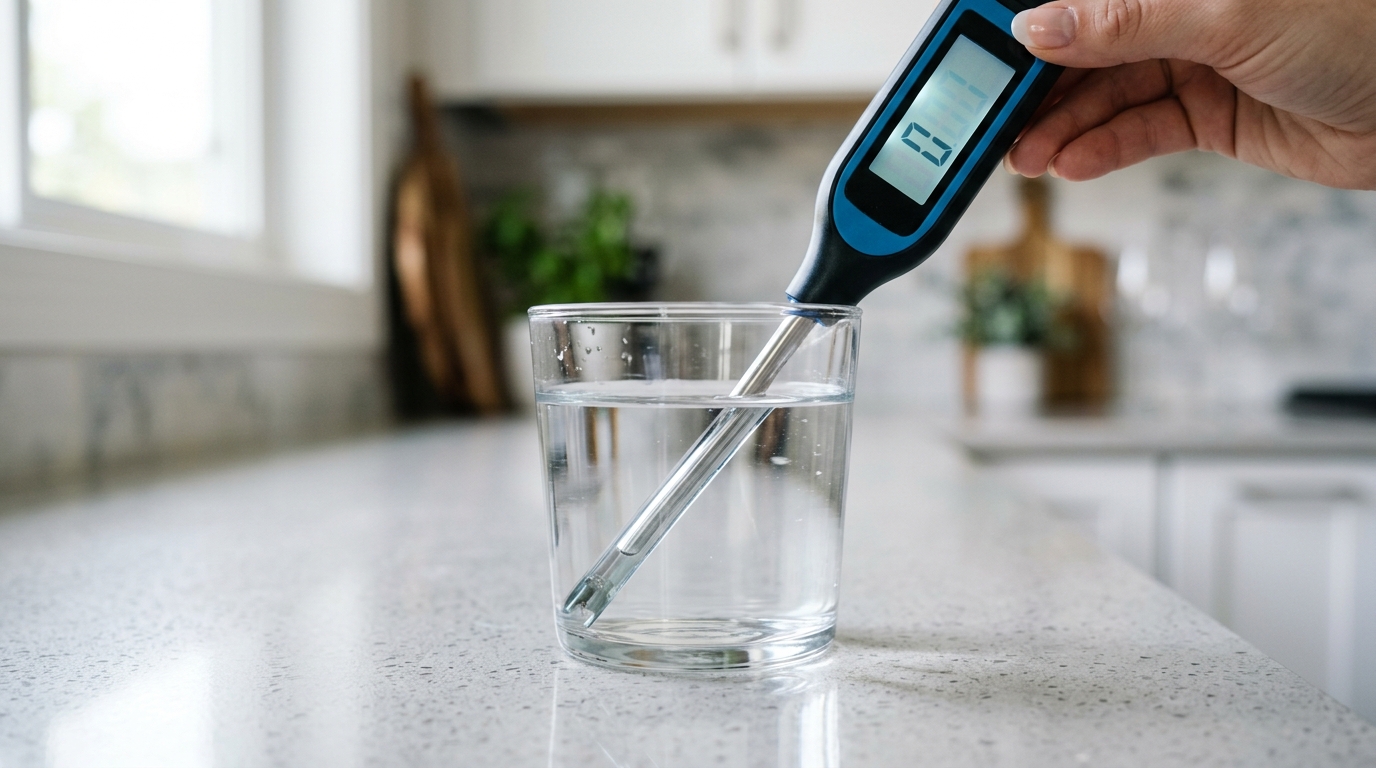
What is alkaline water?
Water is considered alkaline when its pH is greater than 7. pH measures the level of acidity or basicity of a liquid on a scale from 0 to 14.
Neutral water has a pH around 7. Below that, it is acidic. Above that, it becomes alkaline. Some natural mineral waters are slightly alkaline, as are some home-treated waters.
Alkalizing tap water therefore means slightly increasing its pH. The desired objective varies: a milder taste, acid-base balance, or simply curiosity about the benefits of alkaline water.
The pH of drinking water explained simply
The pH of drinking water depends on its source and treatment. Tap water is generally close to neutral, with slight variations depending on the region.
Hard water can taste different. If this topic interests you, you can also discover the drawbacks of limescale in cooking, as limescale influences the perception of water.
Increasing the pH does not mean "purifying" the water. It is simply a slight chemical change, which should remain within reasonable limits.
Why would you want to alkalize tap water?
Many people are looking for ways to naturally alkalize water to support their lifestyle. The idea is based on the body's acid-base balance.
Others want to make water more alkaline quickly to improve taste or reduce a feeling of acidity. The same logic applies to those interested in the benefits of zinc : understanding the role of an element without attributing excessive powers to it.
Before taking action, it is necessary to know the available methods and their limitations.
Homemade methods for alkalizing water
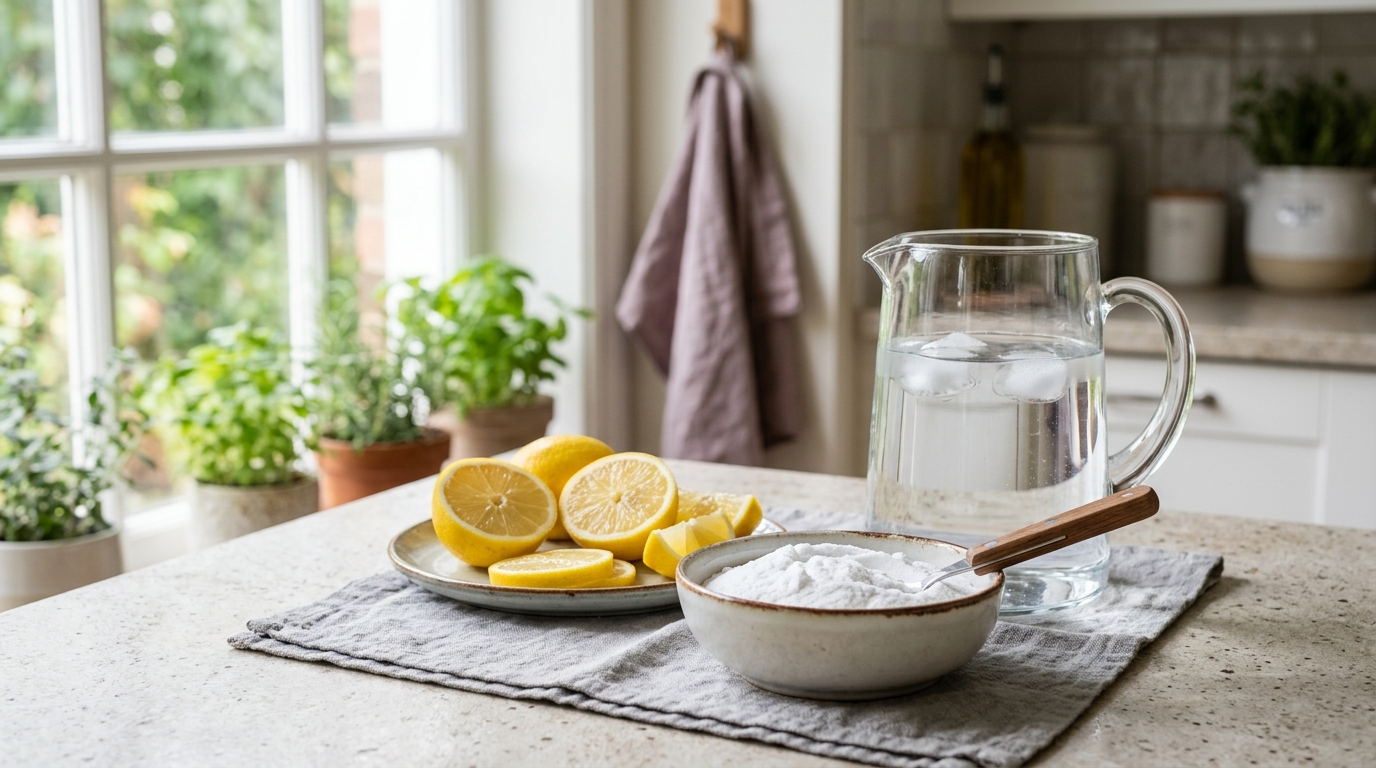
Here are the main methods for making water alkaline at home. They differ in cost, ease, and effectiveness.
| Method | Ease | Effect on pH | Cost |
|---|---|---|---|
| Bicarbonate | Very simple | Fast and measurable | Weak |
| Lemon | Simple | Indirect | Weak |
| Alkalizing drops | Very simple | Control | AVERAGE |
🧮 Dosage calculator for alkalizing water (homemade methods)
Bicarbonate to alkalize water
Bicarbonate is the most well-known solution for alkalizing water . This refers to food-grade sodium bicarbonate.
Added in small quantities, it increases the pH measurably. This is one of the most direct techniques for increasing the pH of water.
However, precise dosages must be respected. An excessive amount can give a salty taste and increase sodium intake.
- Inexpensive
- Fast effect
- Easy to dose
- sodium intake
- Taste altered
- Requires precise measurement
Add lemon to the alkaline water
Surprisingly, adding lemon to alkaline water is often recommended. Lemon tastes acidic, but its metabolic effect is described as alkalizing.
In practical terms, it doesn't directly raise the pH of the water before ingestion. It mainly alters the taste, which can encourage people to drink more.
It can be used in homemade alkaline water for taste, a bit like in some lemonade cocktails, while remaining modest on health expectations.
Ready-to-use alkalizing drops
Alkalizing drops contain concentrated minerals. Just a few drops are enough to modify the pH of drinking water in a controlled manner.
They are practical and portable. The dosage is indicated by the manufacturer, which limits errors.
Their limitation remains the price and the lack of proven benefits beyond simply changing the pH.
Steps and dosages to increase pH
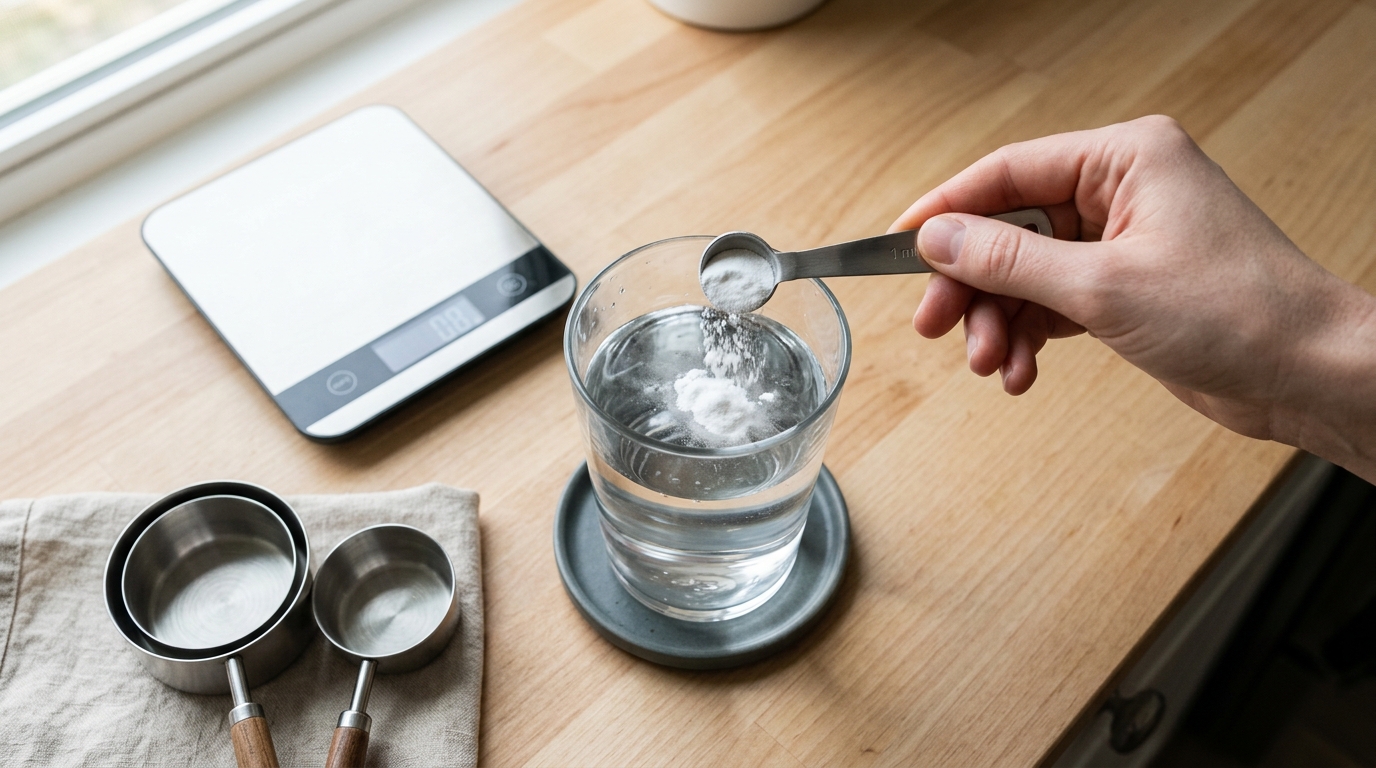
What is a safe dosage with bicarbonate?
For a 250 ml glass, a small pinch of baking soda is generally recommended , approximately 0.3 to 0.5 grams.
Mix until completely dissolved. The taste should remain mild. If the water becomes distinctly salty, the quantity is too high.
People on a low-salt diet or suffering from hypertension should seek medical advice before regular use.
How to change the pH of drinking water
To change the pH of drinking water, always start by measuring the pH with appropriate test strips.
Then gradually add the chosen agent (bicarbonate or drops). Remeasure. The goal is a slight increase, without exceeding a very high pH.
Proceed step by step. A sudden change will not achieve anything.
Make water more alkaline quickly
To make water more alkaline quickly, bicarbonate remains the most direct solution.
Mineral drops are also fast-acting, with precise dosing. Lemon, on the other hand, mainly adds flavor.
In all cases, regularity counts more than intensity.
Filters and ionizers for homemade alkaline water
Specific filter jugs
Some carafes contain mineral-enriched cartridges. These allow you to create homemade alkaline water without daily maintenance.
Their action remains moderate. They also filter out certain impurities, which improves the taste.
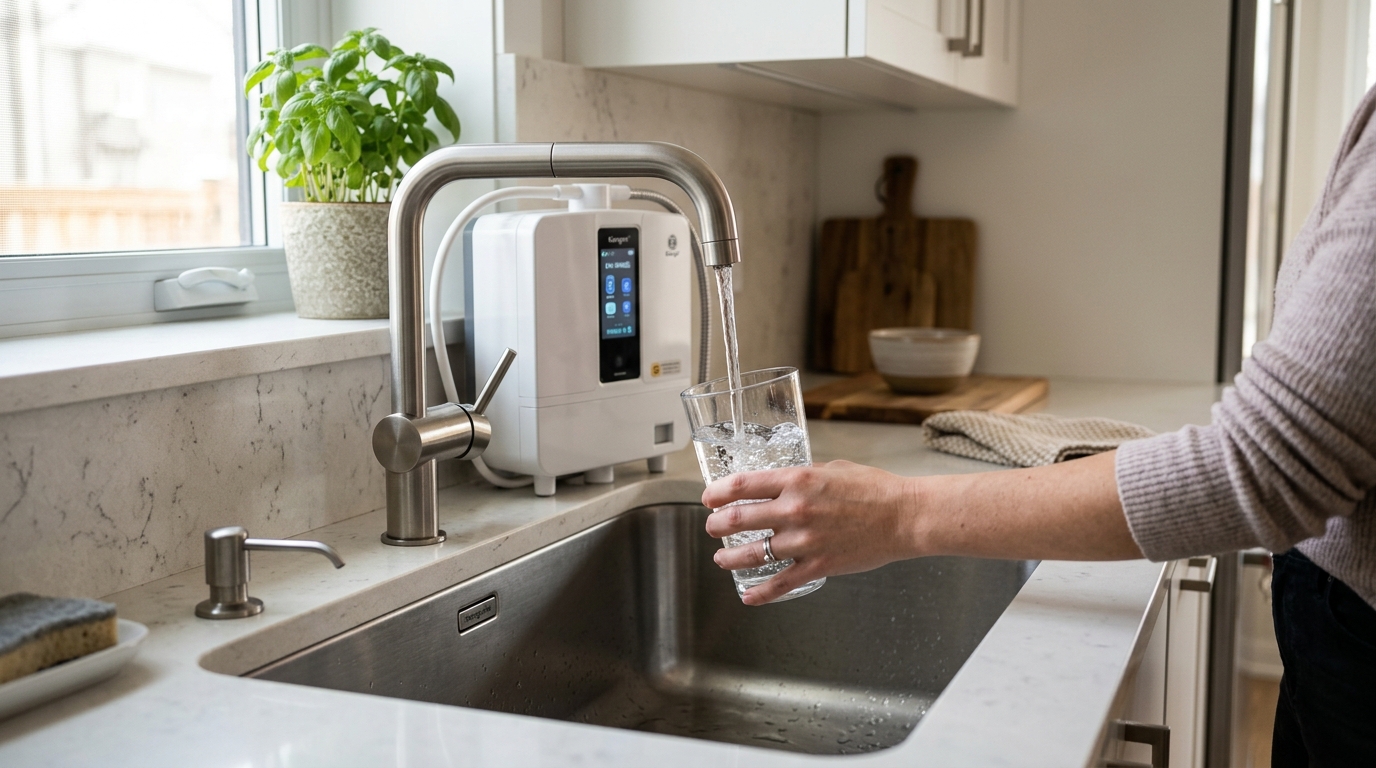
Electrical filters and ionizers
Electrical ionizers modify the pH through an electrochemical process. They separate the water into two streams: one more alkaline, the other more acidic.
They require a larger investment and regular maintenance.
Advantages and limitations depending on effectiveness
Here is a simple comparison:
| System | Effectiveness on pH | Budget | Interview |
|---|---|---|---|
| Carafe | Light | Moderate | Cartridge replacement |
| Ionizer | More pronounced | Pupil | Regular |
These devices modify the pH, but they do not replace a balanced diet, whether or not it includes the unexpected benefits of gluten-free products, for example, or diets higher in fat with less sugar.
💧 Do you really know how to alkalize water safely?
5 practical questions to check that you have mastered the basics before you begin
1. What does a pH greater than 7 mean for water?
2. What home method is commonly used to slightly increase the pH of water?
3. Why is it necessary to follow precise dosages with bicarbonate?
4. What is the main benefit of a home water ionizer?
5. Regarding the benefits of alkaline water, which statement is the most scientifically accurate?
Real benefits and precautions to know

The benefits of alkaline water: what does science say?
The benefits of alkaline water often cited relate to hydration and digestive comfort.
Drinking more water, regardless of its pH, remains more important than the exact pH value.
To date, solid evidence of major effects remains limited. Therefore, a measured perspective is necessary.
Possible precautions and contraindications
Occasional consumption is safe for most adults.
However, excessive use of bicarbonate can disrupt mineral balance. People with kidney or heart problems should consult a healthcare professional.
Avoid excessive marketing promises
Alkalizing water does not cure diseases. Beware of overly ambitious claims.
Consider techniques for increasing the pH of water as a personal choice for comfort, not as a treatment.
Answers to your questions
How to naturally alkalize water at home?
You can use a small pinch of baking soda in a glass of water or add a few drops of an alkalizing agent. Measure the pH with test strips to avoid over-alkalizing. Lemon mainly affects the flavor, not the pH directly.
What is the difference between alkaline water and mineral water?
Alkaline water has a pH above 7, whether natural or treated. Mineral water comes from a specific source and contains defined minerals. The two concepts are not automatically linked.
Is it possible to alkalize tap water every day?
Yes, in moderation and respecting the recommended dosages, especially for bicarbonate. People on a low-salt diet should be cautious. Consulting a healthcare professional is recommended if you have any doubts.
How much bicarbonate is needed to increase the pH of water?
For 250 ml of water, a small pinch is enough, about 0.3 to 0.5 grams. Mix well and adjust gradually. A taste that is too salty indicates an overdose.
Does alkaline water really have any benefits?
Drinking more water is beneficial, regardless of its pH. The specific effects of alkaline water remain debated. It's best considered a comfort choice rather than a health solution.
