
You have probably already heard of zinc, without necessarily knowing what it is used for?
This small mineral does great things in the body! It plays a role in immunity, skin, hair, energy… in short, it is a real daily health support, especially for women, who can sometimes lack it without realizing it.
A small but powerful mineral
Zinc is a trace element; the body needs it in small amounts, but it is essential for many functions. It is not produced by the body, so diet or supplementation are the only ways to maintain adequate levels.
Among its best-known functions is the strengthening of the immune system.
It helps strengthen the body's defenses against viruses and bacteria. A study published in The American Journal of Clinical Nutrition showed that sufficient zinc intake could reduce the duration of colds by 33%. Discover other benefits of zinc on the Nutripure blog.
Why is zinc so valuable for your health?
It promotes wound healing, helps to reduce skin inflammation (useful in cases of acne), supports hair growth and improves hair strength.
If you are losing more hair than usual, a lack of zinc may be one of the causes.
It also has an effect on the nervous system and stress management. Zinc is involved in the production of neurotransmitters, the brain's chemical messengers. A deficiency can worsen feelings of mental fatigue or mild anxiety.
From a hormonal perspective, zinc is an ally for fertility . It regulates hormones, supports ovulation, and improves egg quality.
Research, notably published in Biological Trace Element Research, shows a correlation between zinc deficiency and fertility problems.
How can you tell if you are deficient in zinc?
The signs of a zinc deficiency are sometimes subtle: unexplained fatigue, repeated infections, slow wound healing, hair loss, brittle nails or white spots on the nails.
If you recognize yourself in these symptoms, speak to a healthcare professional. A simple blood test may be enough to determine the cause.
Where can it be found naturally in food?
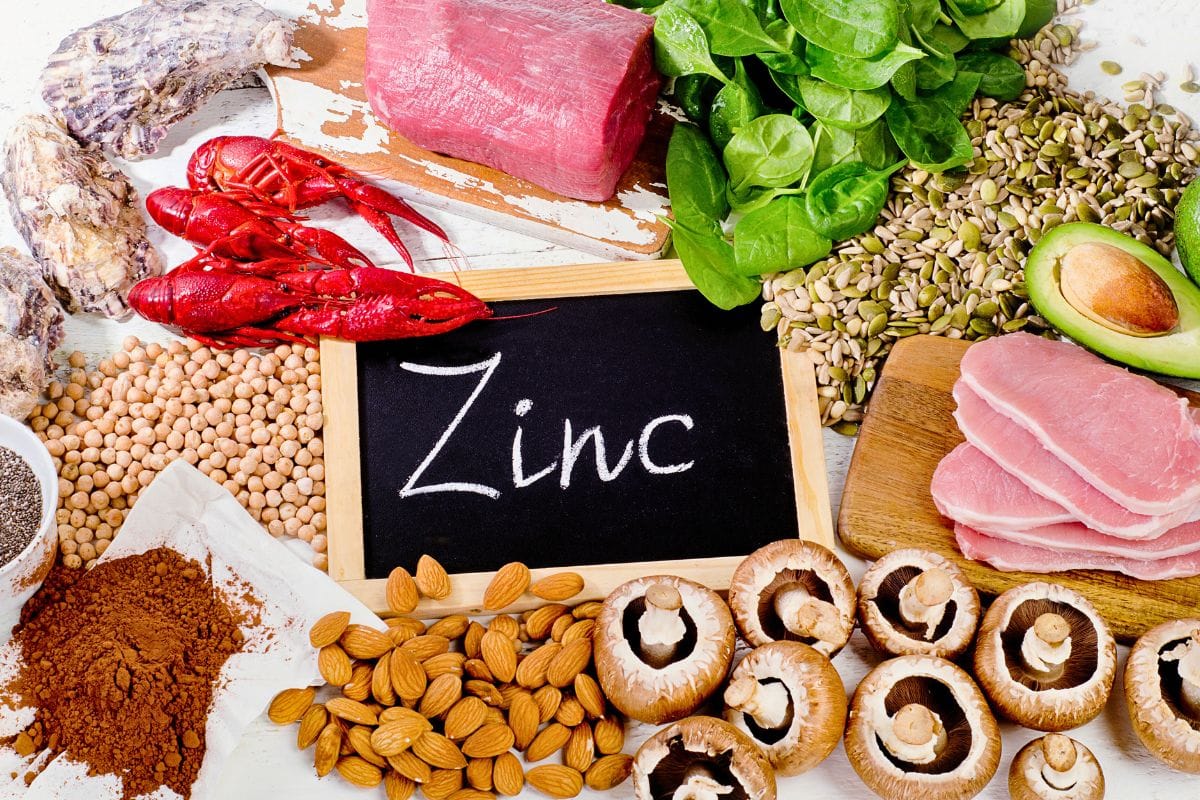
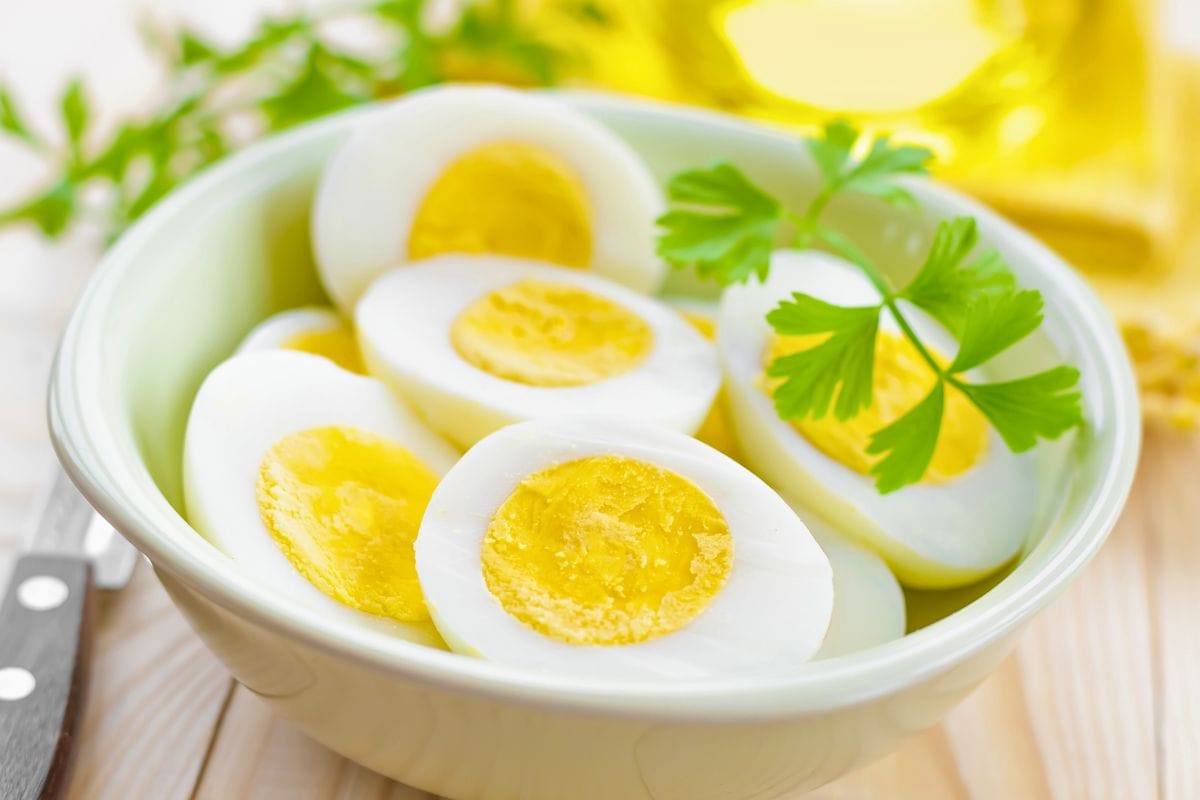
Zinc is present in several foods, but in varying amounts. It is best absorbed when it comes from animal sources. Oysters are the richest source (22 mg per 100 g), followed by beef, calf's liver, and eggs.
Vegetarians can turn to pumpkin seeds, cashew nuts, wholemeal bread, or legumes such as lentils.
However, be aware that some compounds, such as phytatesfound in whole grains, can inhibit zinc absorption . Therefore, it's important to vary your sources and maintain a balanced and diverse diet.
Who should pay particular attention to their zinc intake?
Pregnant women, teenagers, the elderly, vegetarians and athletes are more at risk of deficiency.
Special attention should also be paid in cases of chronic digestive disorders such as Crohn's disease or irritable bowel syndrome, which can impair absorption.
Zinc and beauty: the winning combination
Zinc also has its fans in the world of cosmetics. It is present in many anti-acne creams, purifying lotions or hair supplements such as Forcapil or Cystiphane.
When used externally, it soothes irritated skin and promotes a more resistant skin barrier
It is also used in the form of zinc powder in some natural skincare products or mineral and natural sunscreens