
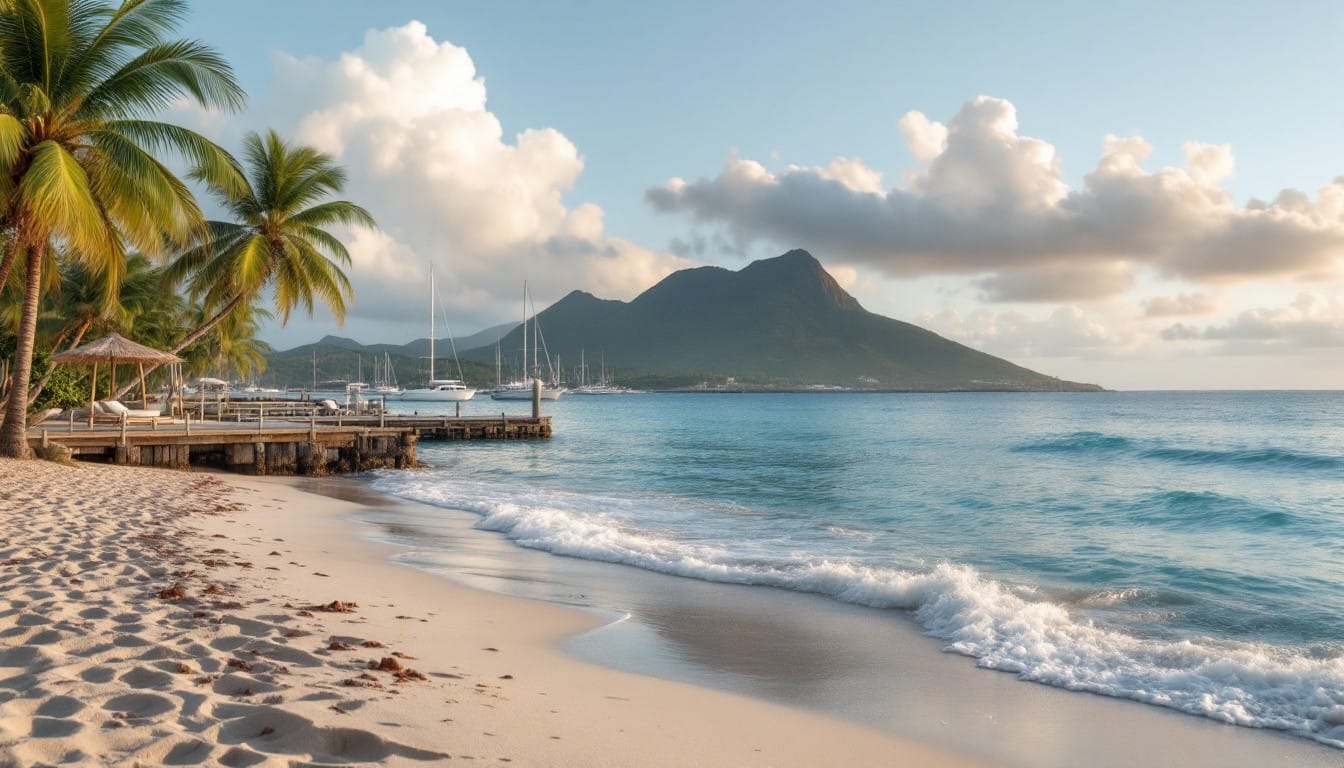
Planning a trip to Martinique often evokes images of idyllic beaches and tropical hikes between volcanoes and coconut groves.
However, behind this enchanting scenery, it becomes necessary to know the places to avoid and the risk areas in order to fully enjoy a safe stay on the island of flowers.
This detailed guide for the 2025/2026 season examines sensitive areas, problematic urban areas, as well as natural and health hazards that may affect your trip.
With the right information, every traveler can explore the region with peace of mind!
Dangerous neighborhoods in Fort-de-France: which areas should be absolutely avoided?
Fort-de-France, the vibrant capital of Martinique, attracts numerous visitors each year drawn to its picturesque market and historical heritage. However, like any major city, some areas have concerning crime rates.
In 2024, 29 homicides by firearm were recorded in Martinique, and already 17 since the beginning of 2025, concentrated mainly in the Fort-de-France metropolitan area.
The most sensitive sectors
The at-risk neighborhoods of Fort-de-France specifically include:
- Châteauboeuf → outlying district suffering from a crime rate higher than the island average
- Terres-Sainville → classified as level 1 of sensitive neighborhoods by the general intelligence services
- Trénelle-Citron → steep area where police interventions are complicated by the topography
- Volga Beach → port area characterized by traffic related to maritime activities
- Sainte-Thérèse → a neighborhood with poorly lit streets and problems with nighttime crime
- Dillon → with unemployment reaching 31% and classified as an Urban Regeneration Zone
Precautions to take in these areas
Increased vigilance is necessary after nightfall, particularly in isolated alleyways where snatch thefts and petty assaults are common. Venturing into these areas without taking precautions can turn a simple stroll into an unpleasant experience.
Practical advice:
- Avoid traveling alone in these neighborhoods after 7:30 p.m
- Keep valuables and documents at your accommodation during nighttime outings
- Favor well-lit main roads over small alleyways
Dangerous beaches in Martinique: some swimming spots to avoid
Although most of Martinique's beaches invite relaxation, some areas remain problematic due to unpredictable sea currents, isolation that fosters petty crime, or the presence of dangerous animals.
These poorly supervised beaches, often far from classic tourist routes, can present significant risks.
Beaches with dangerous currents identified
Diamant Beach (Dizac-Anse Caffard area) → 90% of drownings occur between Dizac Beach and the beginning of Anse Caffard. This beautiful area remains particularly treacherous with its strong swell and lateral currents.
Anse Trabaud → Regularly monitored by rescue services due to its dangerous conditions, this wild southern beach presents formidable rip currents.
Grande Anse des Salines (eastern section) → Subject to strong rip currents, despite the absence of a lifeguard station. Several accounts report serious incidents in this otherwise popular section.
North Atlantic coast (Grand'Rivière to Macouba) → Photogenic but dangerous beaches with strong Atlantic currents, particularly exposed to swells.
Swimming areas are strictly prohibited
🚫 The Blue Eye (Sainte-Anne)
- Risk: Swimming is strictly prohibited by municipal decree
- Critical period: All year round
⚠️ Cap Macré
- Risk: Extremely dangerous weather and sea conditions
- Critical period: April to November (swell season)
🌊 Anse Couleuvre (northern sector)
- Risk: Strong Atlantic currents, difficult access
- Critical period: Cyclone season (June-November)
🏭 Fort-de-France Bay
- Risk: Port and urban pollution, degraded water quality
- Critical period: All year round
It is strongly recommended to consult local residents or guides before choosing a swimming spot, especially with children. The isolation makes rapid intervention difficult in case of an emergency.
Natural hazards in Martinique: climatic and geological dangers
The tropical climate is appealing, but also exposes visitors to considerable natural risks. Between June and November, the cyclone season requires adjustments to travel and accommodation plans.
Flash floods complicate access to mountain roads, potentially isolating some villages for several hours or even days.
Volcanic activity around Mount Pelée
Volcanic activity, particularly around Mount Pelée, requires extra caution for hikers. Although eruption alerts remain rare, trails may be closed as a precaution.
Checking local weather forecasts before each excursion is essential.
Geological areas to monitor
Geological zones at risk:
- The Prêcheur River: unstable ground during heavy rains
- The Capot River: frequent landslides after bad weather
- The North Atlantic side: unstable cliffs and possible landslides
Safety reflexes:
- Check the weather and special alerts every morning
- Avoid river excursions or mountain roads during periods of heavy rainfall
- Check the weather forecast for Martinique (Météo-France Vigilance) before traveling.
Dangerous animals: should you be worried during your stay?
In Martinique, there are no deadly venomous snakes, but some species like the fer-de-lance can be impressive.
In damp undergrowth and tall grass, it is best to remain vigilant and wear closed shoes during morning walks.
The mosquito: the main health hazard
Mosquitoes pose a real health risk, as they carry diseases such as dengue fever , chikungunya , and Zika. The tiger mosquito (Aedes aegypti) is particularly dangerous. It is most active in the late afternoon and early evening.
Mosquito populations increase after rain and near stagnant water, particularly around vulnerable urban areas. Using repellents, sleeping under mosquito nets, and regularly inspecting bedding and personal belongings are among the precautions to take.
How to effectively protect yourself from insects?
Some preventative measures:
- Opt for long clothing at dusk
- Inspect your clothes and bags after a trip into nature
- Eliminate any standing water around the accommodation
Sharks and centipedes: real risks or fantasies?
Contrary to popular belief, shark attacks remain exceptionally rare in Martinique's waters. However, a few sporadic sightings justify caution outside of marked areas.
The giant centipede: a true terrestrial threat
The real animal problem comes from giant centipedes (Scolopendra gigantea), whose bite, although rarely serious, is particularly painful.
The scolopendra gigantea is the largest centipede in the world and requires some preventative measures: check clothes and towels left on the ground.
To protect against these nuisances, the regular use of suitable sprays and careful storage of belongings are generally sufficient to ensure a peaceful stay.
Sensitive urban areas and mountain roads: what behaviors should be adopted?
On the mountain roads of the north and center, vigilance remains essential. Winding, wet, or congested roads increase the risk of accidents, especially during the rainy season or on weekends.
Reducing speed and avoiding driving at night outside built-up areas are essential reflexes.
Security in urban areas
In sensitive urban areas or when travelling late at night, it is advisable to stay in groups, avoid deserted alleyways and exercise discretion.
Caution should guide every journey, particularly around bus stations, isolated car parks or lively bars after midnight.
The department of Martinique recorded 14,749 crimes, offenses and acts of delinquency in one year, making it the 34th most affected department in France.
Precautions for transport
Some precautions to take when traveling:
- Rent a vehicle equipped with GPS to ensure safe travel in challenging areas
- Promote the use of public transport during evenings and festive events
- Avoid parking in isolated areas of Fort-de-France
- Don't drive after drinking too much rum! Or after having three helpings of taro with meat in bondamanjak chili sauce 🙂
Answers regarding security in Martinique
Which are the most dangerous neighborhoods in Fort-de-France?
The areas and neighborhoods to absolutely avoid are Châteauboeuf, Terres-Sainville, Trénelle-Citron, Volga-Plage, Sainte-Thérèse and Dillon.
These areas have above-average crime rates and require increased vigilance, especially at night.
Is it possible to swim everywhere in Martinique?
No, some beaches are dangerous. Avoid Diamant beach (Dizac sector), Anse Trabaud, Œil Bleu in Sainte-Anne, and the beaches on the north Atlantic coast. Opt for supervised beaches like Pointe Marin in Sainte-Anne.
When is the most dangerous time to visit Martinique?
The hurricane season (June to November) presents the greatest risks, with the possibility of hurricanes, flooding, and dangerous swimming conditions. The period from December to May remains safer.
How to protect yourself from mosquitoes in Martinique?
Use repellents containing DEET, wear long clothing at dusk, sleep under a mosquito net, and eliminate standing water. Tiger mosquitoes are active in the late afternoon.
What to do in case of an emergency in Martinique?
Dial 15 (SAMU - Emergency Medical Service), 17 (Police), 18 (Fire Department) or 112 (European emergency number). For sea rescue, contact CROSS Antilles-Guyane at +596 70 92 92.
Safety tips and practical recommendations for a successful holiday
Common sense remains the best ally when facing the potential challenges of a trip to Martinique. Be sure to take into account the time difference and the specific characteristics of any sensitive areas to avoid. We encourage you to choose your beaches carefully. Also, anticipating the weather conditions will allow you to fully appreciate the richness of this unique island.
Essential emergency numbers
Local emergency numbers:
- SAMU: 15
- Police: 17
- Firefighters: 18
- European emergencies: 112
- CROSS Antilles-Guyane (sea rescue): 0596 70 92 92
Official resources to consult
Useful official resources:
- Check the Martinique Prefecture website regularly for alerts.
- Check with the official Tourist Office for recommendations
Favor recognized tourist sites and avoid sensitive areas, remain attentive to your surroundings, avoid isolated beaches and regularly check with local authorities.
With these simple precautions, traveling to Martinique will reveal all its charms. You'll enjoy a stress-free and unforgettable experience, filled with peace of mind!