
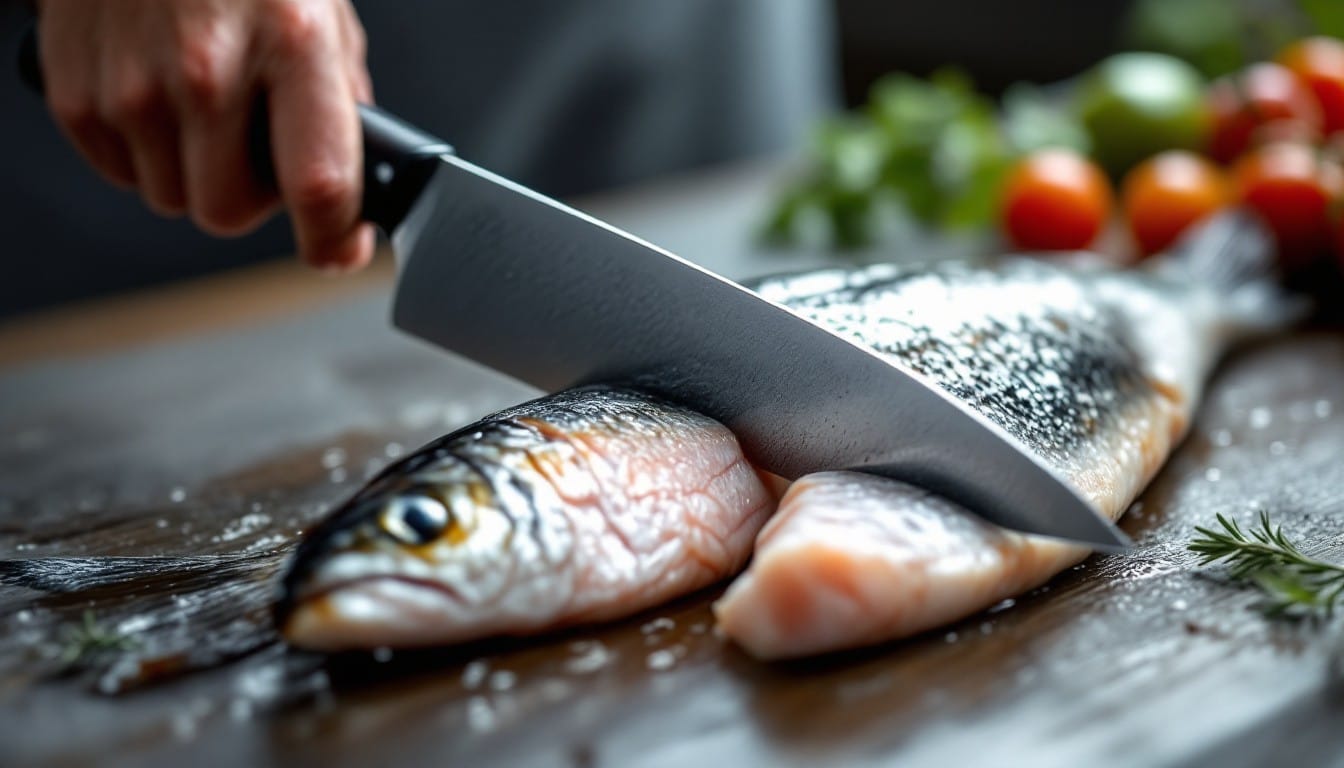
Precisely filleting a fish is not just for top chefs! Every cooking enthusiast should be able to prepare and fillet beautiful pieces and know the range of knives suitable for most techniques
However, navigating the various models of specialized kitchen knives can be quite complex. But, if you manage to choose a well-suited blade, you'll quickly transform fish cutting into a real pleasure!
In this practical guide, we will discover the best types of knives suitable, as well as some tips that will allow you to significantly improve the quality of your poison-based preparations.
Whether you're cooking salmon, trout, black bass or freshly caught sea bass… our tips should help you see things a little more clearly!
The different knives adapted for cutting fish fillets
Each species of fish and each type of culinary preparation requires a specific approach when cutting.
This is why there are several undisputed references in the fish knife, each with its own advantages thanks to the shape, length and flexibility of its blade.
Understanding how to use these tools helps you select the one that will best fit into your creations, whether you are an amateur or experienced cook.
Mastering the choice of the right fish filleting knife not only helps to preserve the delicate texture of the flesh, but also to take care of your equipment in the long term.
Let's discover together some of the flagship knives that you will encounter in stores or during specialized culinary workshops.
The filleting knife: the essential tool for precise cuts
It's hard to do without a filleting knife when it comes to delicately detaching the flesh along the bones.
Its thin and flexible blade perfectly follows the curves of the fish, even on delicate species such as sole or salmon.

This flexibility also allows for very thin slices, perfect for preparing homemade sushi, refreshing tartares, or flavorful carpaccios. For fishing enthusiasts, this type of knife makes it easy to work with freshly caught fish.
The ease of use is partly due to the high-quality stainless steel often used in these blades. A well-chosen steel enhances corrosion resistance, essential in the face of ambient humidity and direct contact with fish flesh. This knife therefore remains a reliable tool for filleting fish with precision.
- Perfect for filleting fillets meticulously
- Essential when preparing sashimi
- Also suitable for thick-skinned fish
The salmon knife: the gold standard for oily fish
Those who prefer clean, thin slices, especially with fish like salmon or tuna, often favor a salmon knife.

This knife is distinguished by its long, narrow blade, which is more rigid than that of a traditional fillet knife. Thanks to this structure, it cuts through the fish without crushing or crumbling it, making it easier to present beautiful portions at the table.
This knife is also suitable for any fish fillet with an oily texture, providing maximum control even during precise movements.
Compared to a blade that is too flexible, moderate rigidity provides appreciated stability when the flesh tends to stick, making the cutting precise and elegant.
Japanese knives: Santoku and Yanagiba in action
Japanese cuisine is renowned for the art of cutting, particularly in the preparation of sashimi or sushi.
Two models stand out in particular: the Santoku knife and the Yanagiba.
The first, a versatile model, features a wide, slightly curved blade, perfect for chopping, slicing, and preparing most fish. Its uses don't stop there, as it also excels with vegetables and meat, making it a valuable addition to any cookware collection.

Alongside this, the Yanagiba allows for an even more precise technique. Designed specifically for slicing raw fish into ultra-thin pieces, it appeals to those who place great importance on the visual appeal of their dishes. Used primarily in professional Japanese kitchens, it ensures a clean cut without damaging the fibers, ideal for refined presentations.

Other versatile alternatives: the chef's knife and the boning knife
While not every specific knife collection appeals to everyone, the chef's knife remains a reliable option for most tasks.
Indeed, its robust and sufficiently long blade avoids the need to multiply the instruments, especially if you rarely prepare fish.
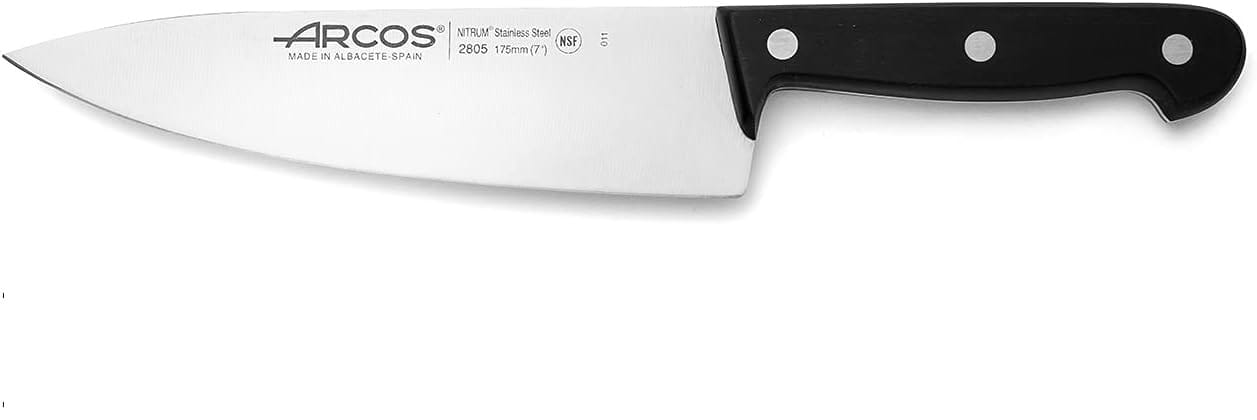
Carrying just one multi-purpose knife sometimes reduces bulk, while still maintaining good performance for cutting fish or other foods.
The boning knife, originally designed for meat, is also suitable for cutting certain carefully selected fish, particularly those with thick skin or prominent fins.
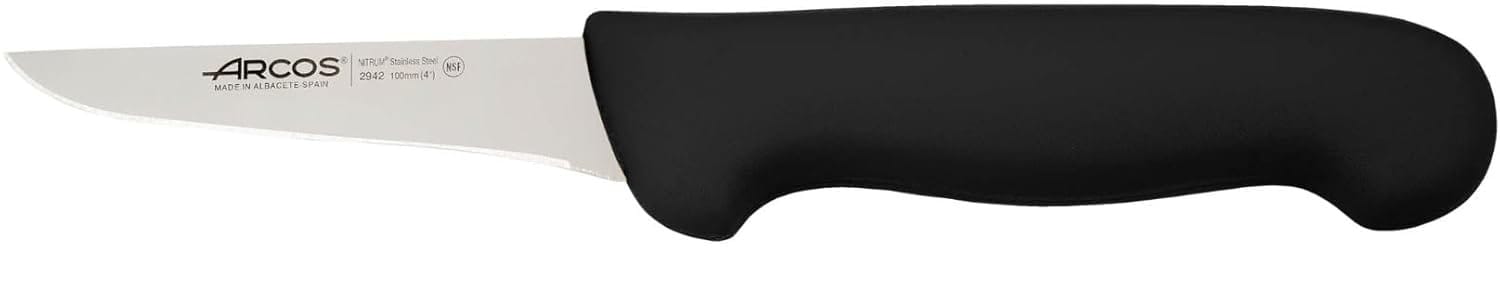
However, be careful of the rigidity of the blade which could complicate the operation on a fragile fish, but it remains very useful for robust cuts.
Tips for choosing and maintaining your fish knife
Beyond the type of blade, other parameters significantly influence the quality of the cut and the strength of the fish knife, regardless of whether you are just an occasional amateur or a passionate cook.
Indeed, poor maintenance or poor selection would undermine your efforts to obtain impeccable nets.
Several essential criteria should guide your decision before buying or when you need to select a knife suitable for your use:
- Blade length : for small fish, opt for short blades, while larger specimens necessarily require more length.
- Flexibility : a slight degree of flexibility is enough to move along the surface of the bone without tearing the flesh. Too flexible, and the cut lacks precision; too rigid, and it becomes tedious.
- Corrosion resistance : opt for stainless steel or high-end alloys to avoid premature deterioration due to water and salt.
- Sharpening Quality : A consistently sharp blade ensures a clean cut and protects the texture of the fillet. Use a 1000-3000 grit sharpening stone or a tactical hand sharpener. A 15-20° angle is ideal for thin blades. Monthly sharpening is sufficient for recreational use, while weekly sharpening is recommended for avid anglers who regularly consume their catch.
| Knife type | Main use | Key feature |
|---|---|---|
| Fillet knife | Cut into fillets, remove the skin | Thin, flexible blade |
| Salmon knife | Slice oily fish (salmon, tuna) | Long, narrow, rigid blade |
| Santoku | Versatility (fish, vegetables, meat) | Wide, pointed, curved blade |
| Yanagiba | Sashimi, refined carpaccio | Long, thin blade, specific to Japan |
| Chief | Multi-purpose in the kitchen | Robust and versatile blade |
| Debone | Cutting up thick-skinned fish | Rigid and sharp blade |
Some tips for successfully cutting your fish fillets
Having the best fish filleting knife will not be enough if maintenance is not respected or if your cutting technique is problematic.
Remember to clean and thoroughly dry the thin, flexible blade immediately after each use. This will prolong its lifespan and prevent rust, especially in humid environments.
Regular sharpening is also essential: prefer to use a stone or a tactical manual sharpener to keep a perfect edge and guarantee a precise cut.
To avoid tearing the flesh, always cut with a smooth, fluid motion, without applying unnecessary force. Adjusting the pressure on the blade according to the fragility of the fish will allow you to obtain beautiful, thin slices ready for cooking or to be enjoyed raw (for sushi, for example).
Mastering these techniques will allow you to create beautiful and appetizing presentations for your fish-based meals. These techniques may seem simple, but they are worthy of the finest chefs!
Answers to your questions
All the questions you might have about fish knives, with clear answers!
How to maintain a fish knife?
Maintaining a fish knife involves 3 steps:
- Clean immediately after each use
- Thorough drying to prevent corrosion
- Regular sharpening with a stone or manual sharpener
High-quality stainless steel will better withstand moisture and contact with fish flesh.
What type of knife is needed to fillet a fish?
To fillet a fish precisely, choose a filleting knife with a thin, flexible blade of 15-20 cm. This flexibility perfectly follows the curves of the fish and gently detaches the flesh along the bones.
Alternative: the salmon knife for oily fish, thanks to its long and rigid blade which cuts through the fiber without crushing it.
What is the price of a good fish knife?
The price of a professional fish varies depending on the quality of the steel and its construction. Expect to pay €30-60 for a good amateur filleting knife, €80-150 for a semi-professional model, and €200+ for high-end Japanese models such as forged Yanagiba knives.
Which knife should a beginner choose?
Once again, the classic fillet knife remains the best choice for beginners. Its flexible blade compensates for technical errors while ensuring satisfactory results. Avoid blades that are too rigid or too flexible, as these will make learning more difficult.