
In short
The 10 must-see things to do in Brittany
Brittany defies stereotypes. Yes, it rains sometimes. Yes, crêpes are everywhere. But reducing this region to these two images is to miss out on one of the richest destinations in France.
Between the iconic places of Brittany and the spots that only regulars know, there is enough to fill several stays without ever getting bored.
This article suggests 10 things you absolutely must do in Brittany, divided between nature, history, culture and gastronomy.
Whether you're planning a quick weekend getaway or a longer holiday, you'll find everything you need here to build a solid and varied itinerary.
Why is Brittany unique in France?
Brittany is not a region like any other. It has its own language — Breton —, its own festivals, its own music, its own dances and a cultural identity that is unlike anything else in France.
The diversity of the landscapes is striking: breathtaking cliffs, wild moors, forests full of legends and a coastline that stretches for more than 2,700 kilometers.
This is where the best experiences in Brittany blend living heritage and wide open natural spaces.
How to organize your stay in Brittany?
The region is large. Very large. It's better to choose a geographical area rather than trying to see everything at once.
To visit Brittany and know what to do, divide the territory into four sectors: Finistère at the end of the peninsula, Morbihan in the south, Côtes-d'Armor in the north and Ille-et-Vilaine in the east.
One weekend per area is enough to get a good overview. By car, the distances remain manageable.
Book your accommodation in advance in July-August, demand is high!
Natural sites not to be missed
There is something almost violent about the beauty of Breton nature. The wind, the sea, the rocks: everything here is a matter of opposing forces.
The must-do activities in Brittany often start there, outdoors, in the fresh air, facing the Atlantic.
1. The Pink Granite Coast and its rocks
It's one of the most unique landscapes in Europe!
For a few kilometers between Perros-Guirec and Trébeurden, the rocks take on a pinkish-orange hue in the setting sun.
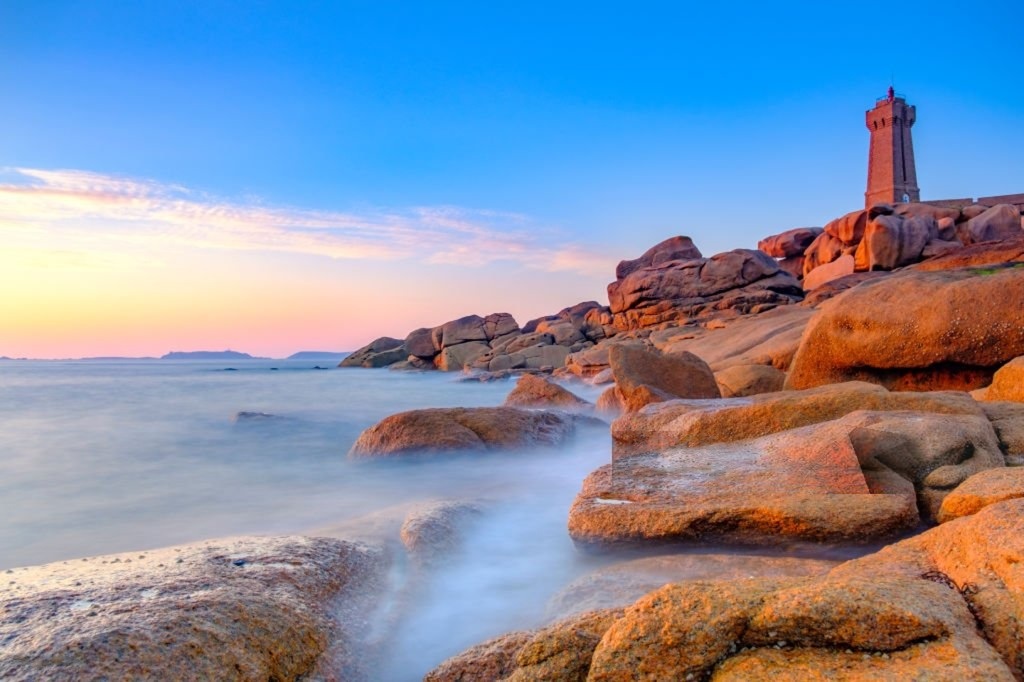
This rare geological phenomenon, due to the particular composition of the local granite, attracts visitors from all over the world.
The village of Ploumanac'h, nestled in the heart of this site, was voted the favorite village of the French in 2015.
The walk along the rocks allows you to observe them closely, climb on them, and squeeze between the blocks.
The shapes are sometimes spectacular: you can see heads, animals, silhouettes. Allow a good half-day to enjoy the coastal path at a leisurely pace.
Ploumanac'h, voted the French people's favorite village in 2015, is located in the heart of the Pink Granite Coast — one of the most photographed natural sites in Brittany.
2. Hiking the GR34 Customs Officers' Path
The GR34 runs along the entire Breton coastline for nearly 2,000 kilometers.
Once used by customs officers to monitor the coast, it is now a playground for hikers. No need to hike the whole thing: each section is worthwhile in itself.
Among the best experiences in Brittany to be had on this trail, the section around the Crozon Peninsula is often cited as the most spectacular.
But northern Brittany, between Saint-Brieuc and Saint-Malo, also offers stunning views.
The trail is well marked, accessible to all levels and allows you to discover hidden coves, deserted beaches and vertiginous cliffs.
3. The wild beaches of the Crozon Peninsula
The Crozon Peninsula, in Finistère, is a tongue of land surrounded almost on all sides by the sea.
Its beaches are among the most beautiful in France, often compared to those of Ireland or Scotland for their wild character.
Goulien beach , Lostmarc'h beach , and Douarnenez Bay just opposite offer extraordinary views. The water is cold, the horizon is clear, and it remains reasonably crowded out of season.
This is the perfect place for weekend getaways in Brittany focused on unspoiled nature. Be sure to wear good shoes for the access paths, which are sometimes steep.
Iconic historical and cultural sites
Brittany carries millennia of history. From prehistoric megaliths to medieval ramparts, and through forests steeped in myth, Brittany's iconic sites tell stories that are not taught in school textbooks.
4. The Carnac alignments and their mysteries
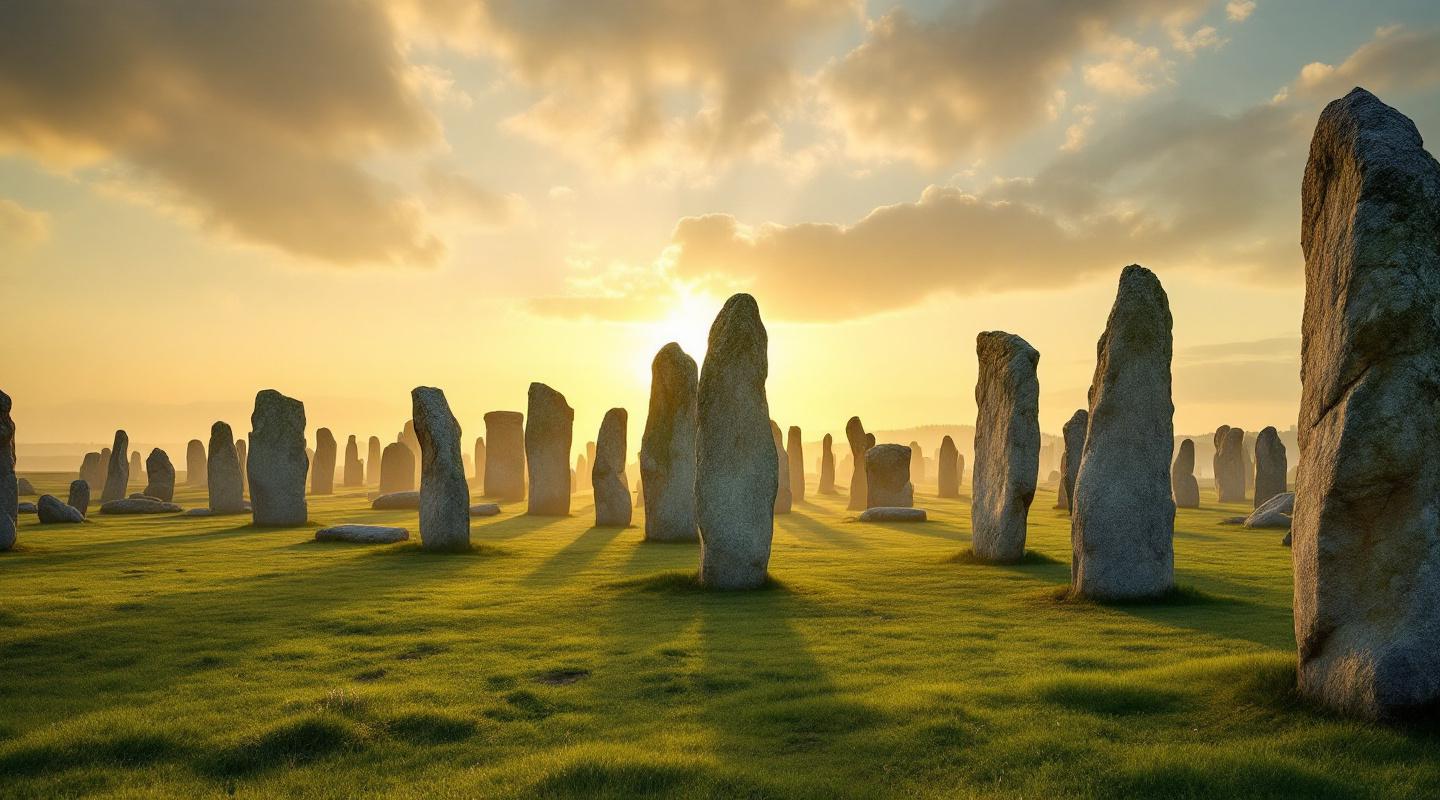
We know them, and yet, seeing them in real life changes everything. The Carnac alignments, in Morbihan, bring together more than 3,000 standing stones over several kilometers.
It is the largest megalithic complex in the world. No one knows for sure what they were used for.
Astronomical calendar? Place of worship? Burial site? Researchers are still debating.
The stones date back to around 4500 BC. To put them in perspective: they are older than Stonehenge.
Access to the main alignments is regulated to protect the site, but the Carnac Prehistory Museum provides valuable insight into what we know — and what we still don't know.
Apart from the alignments, Morbihan is full of dolmens and tumuli scattered throughout the countryside.
The Great Broken Menhir of Locmariaquer, a few kilometers away, is the largest standing stone ever erected by man: 20 meters long, now lying down and broken into four pieces. A spectacle in itself.
Visit the alignments early in the morning or late in the day during the off-season. The light is more beautiful, the crowds are gone, and the atmosphere of the place is at its best.
5. The Brocéliande Forest and its legends
Brocéliande is not a myth. The Paimpont forest, in Ille-et-Vilaine, is very real.
And for centuries, it has been associated with Arthurian legends: Merlin the Enchanter, the Lady of the Lake, the Knights of the Round Table. This reputation attracts thousands of visitors every year.
On site, you can find the Fountain of Barenton, which is supposed to make it rain when you pour its water onto a stone step.
The Valley of No Return, a narrow valley where Morgan le Fay is said to have trapped faithless knights.
And Merlin's tomb, a modest cairn but full of emotion for those who believe in the magic of the place.
The forest covers approximately 9,000 hectares. It is beautiful in every season, but autumn is particularly spectacular.
The marked trails allow you to connect the legendary sites on foot or by bike. Visiting Brittany and exploring Brocéliandemeans entering a story that transcends the region's borders.
Some trails in Brocéliande can be muddy and slippery after rain. Waterproof footwear is strongly recommended, regardless of the season.
6. The Bay of Saint-Malo and its ramparts
Saint-Malo is one of those cities that leaves a lasting impression. The corsair city, entirely surrounded by granite ramparts, dominates the sea with quiet confidence.
It was almost completely destroyed in 1944, then rebuilt exactly as it was. What makes this reconstruction even more impressive is that it's invisible from the street.
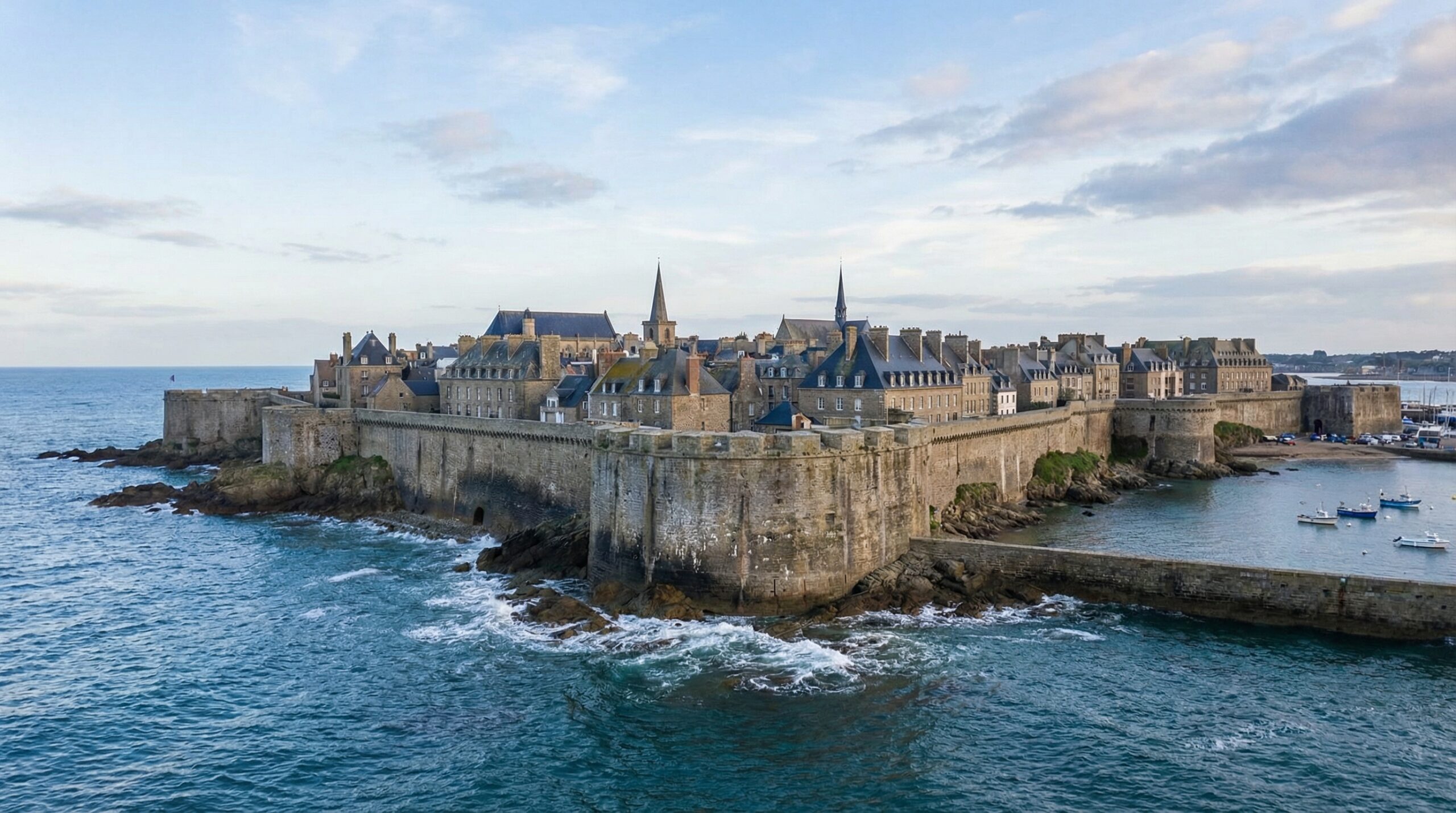
The walk along the ramparts lasts about an hour and offers panoramic views of the bay, the offshore islands and the fine sandy beaches stretching below.
At low tide, you can walk to Grand Bé, the islet where the writer Chateaubriand is buried.
The walled city is dense and vibrant, with narrow streets redolent of salt and freshly baked crêpes. In the evening, seafood restaurants open their doors and the atmosphere is lively. Saint-Malo is also an excellent starting point for exploring Mont-Saint-Michel, about 40 kilometers away. An essential stop on any trip to Brittany.
Villages and towns you absolutely must visit
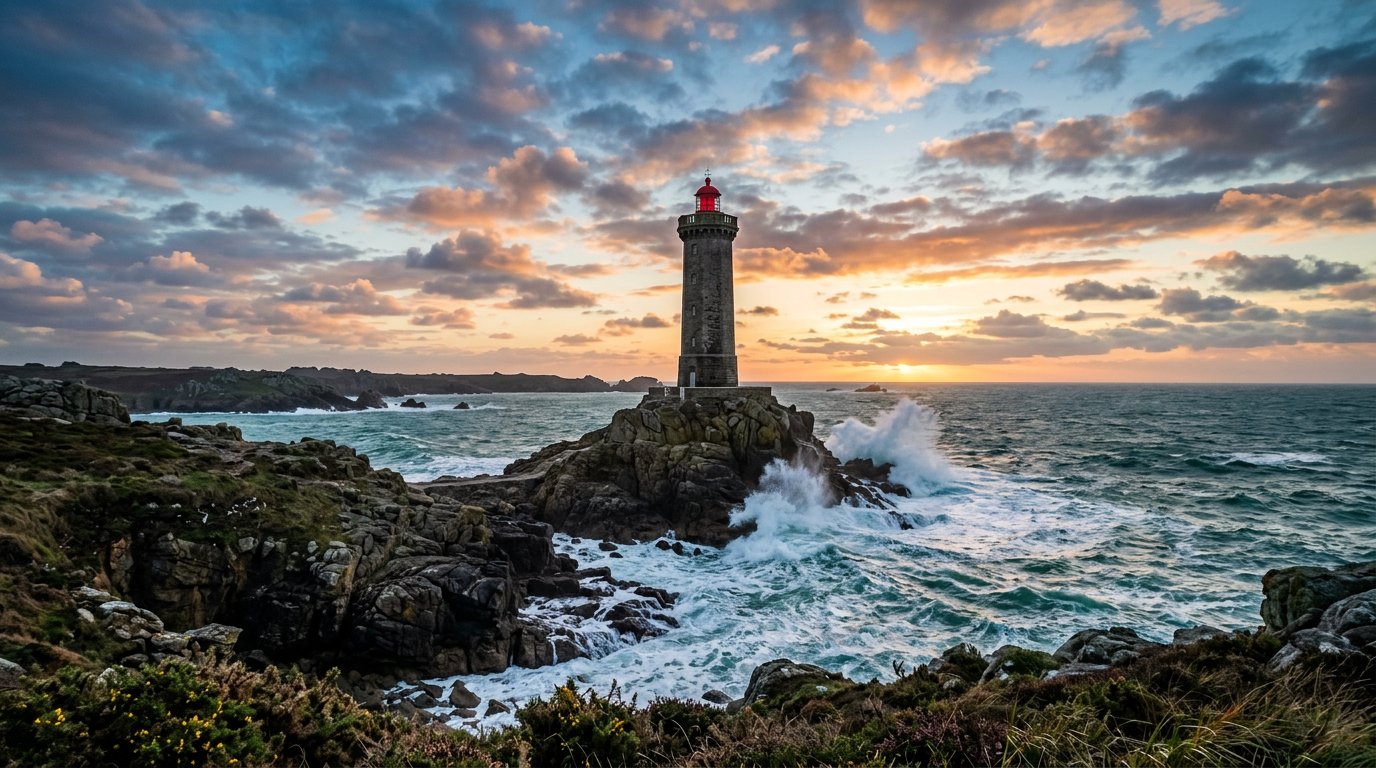
Beyond its major natural and historical sites, exploring Brittany 's towns and villages offers many delightful surprises. The region skillfully blends architectural heritage with authentic local life.
7. Rochefort-en-Terre, the flowery village of the West
Few people know Rochefort-en-Terre before discovering it by chance. This small village in Morbihan, perched on a rocky spur, won the title of favorite village of the French in 2016.
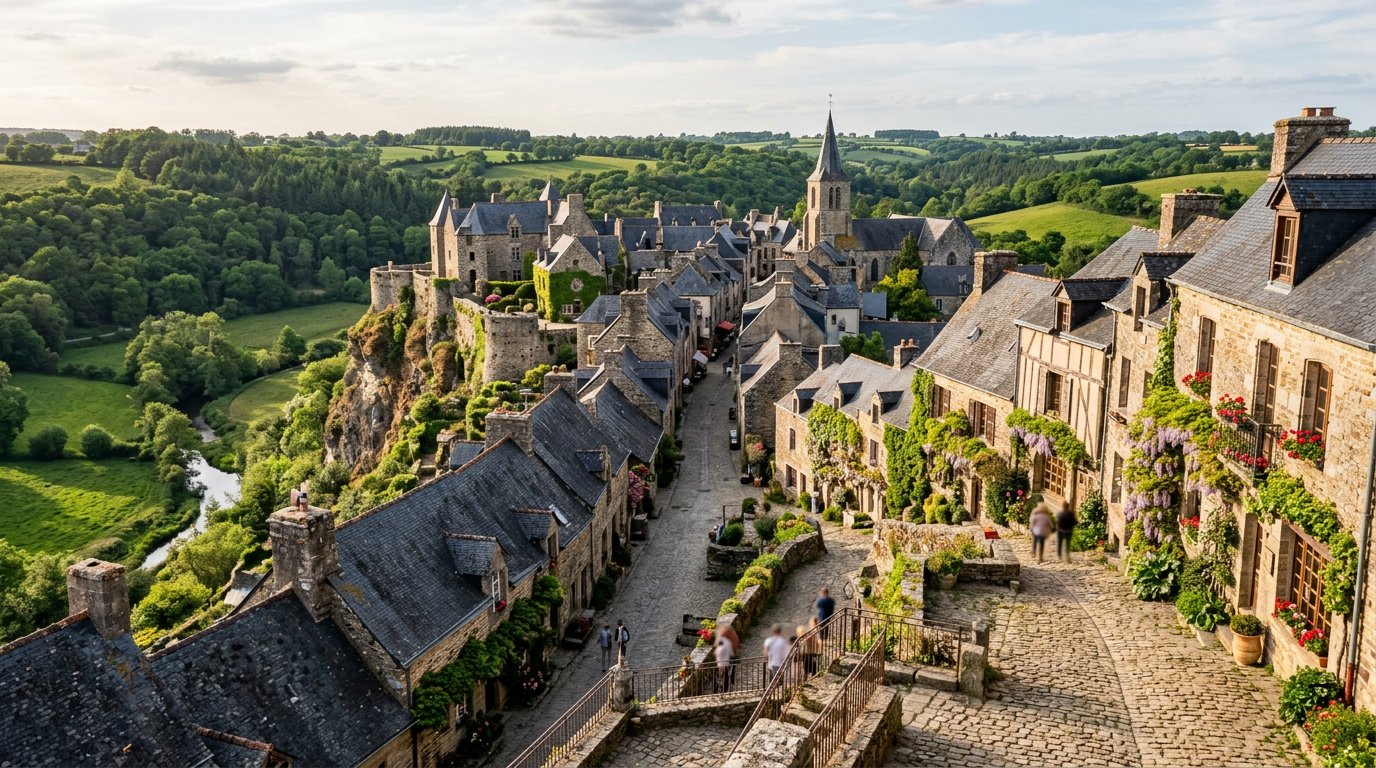
Its cobbled streets, granite houses covered in geraniums, castle and artisan galleries make it an endearing stop.
The atmosphere here is different from the crowded seaside resorts. People stroll around, stop in a shop, and have a coffee on a terrace.
This is exactly the kind of gem you're looking for when you want to get off the beaten track in Brittany. The surrounding countryside is perfect for walks.
8. Quimper, capital of traditional Brittany
Quimper is the most Breton city in Brittany, those who know it often say.
Its Gothic cathedral, its half-timbered houses, its museums dedicated to Breton arts and its earthenware (Quimper earthenware is known throughout the world) make it a leading cultural destination.
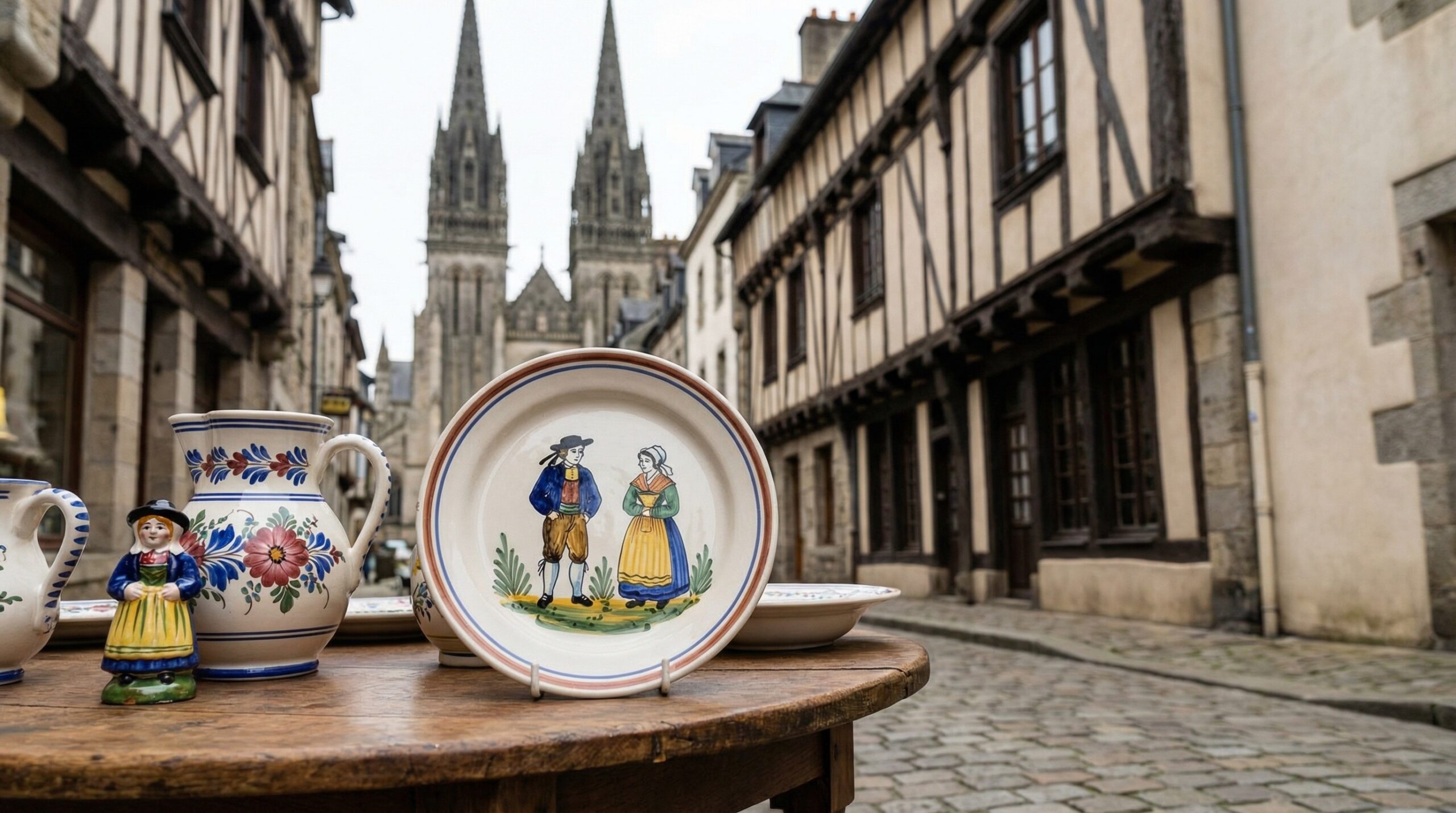
Old Quimper is easily explored on foot. The lively covered market, Les Halles, is an excellent place to sample local produce.
The city of Quimper also hosts the Festival de Cornouaille every July, a large gathering of Breton music and dance, if you happen to be there at the right time.
9. The Museum of Fine Arts of Rennes
Rennes is often overlooked in Breton tourist itineraries. Wrongly so.
The regional capital has a remarkable architectural heritage (the Parliament of Brittany, the half-timbered houses of the historic centre) and a Museum of Fine Arts which is really worth a visit.
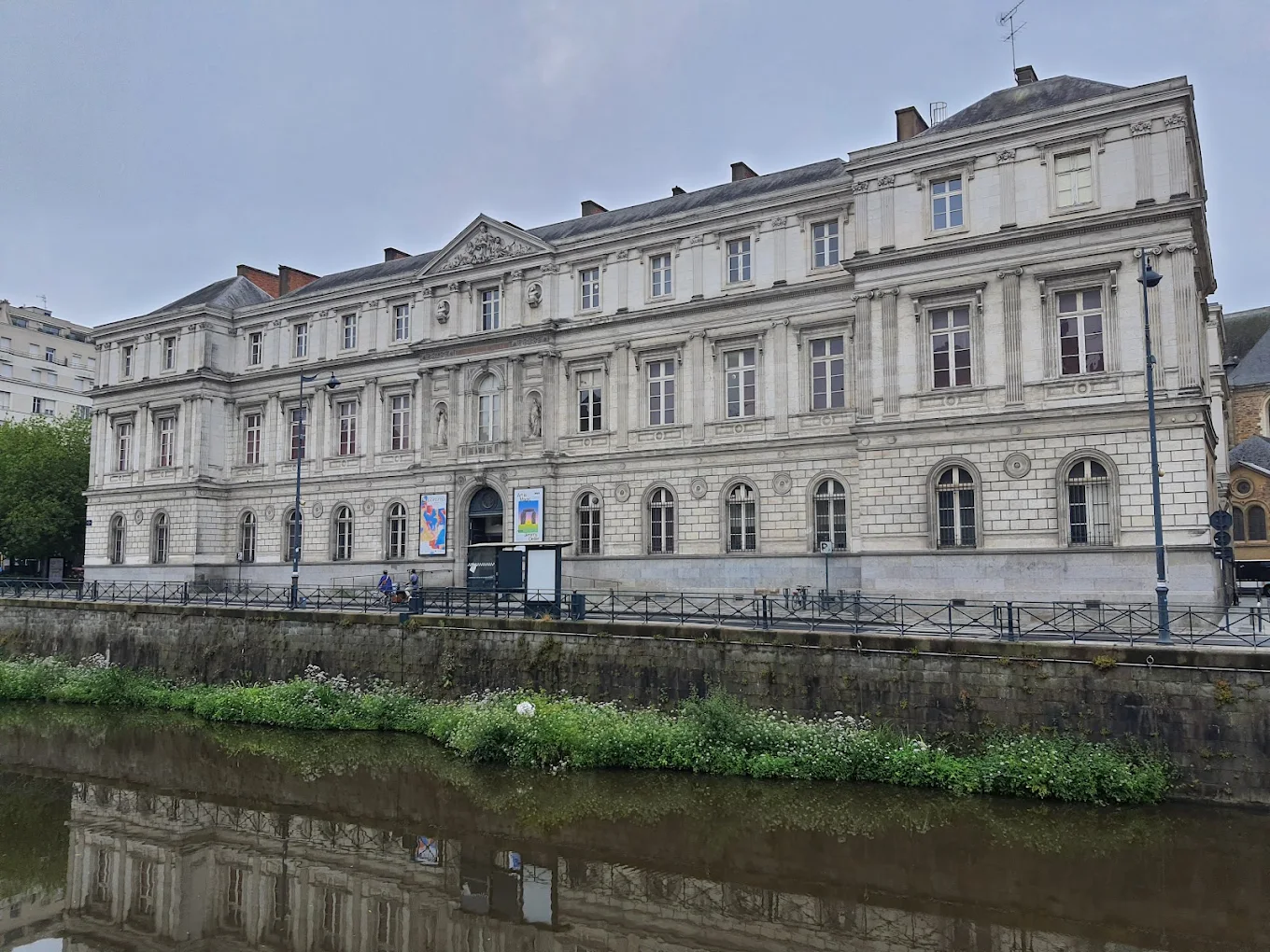
The collections cover five centuries of European painting, with works by Rubens, Veronese and Picasso.
An entire room is dedicated to the Pont-Aven School, this artistic movement born in Brittany around Gauguin at the end of the 19th century.
An often overlooked aspect of French art history, which culture lovers in Brittany will particularly appreciate.
Breton cuisine is a must-try!
In Brittany, the food is good. It's an obvious fact that the locals no longer even need to defend.
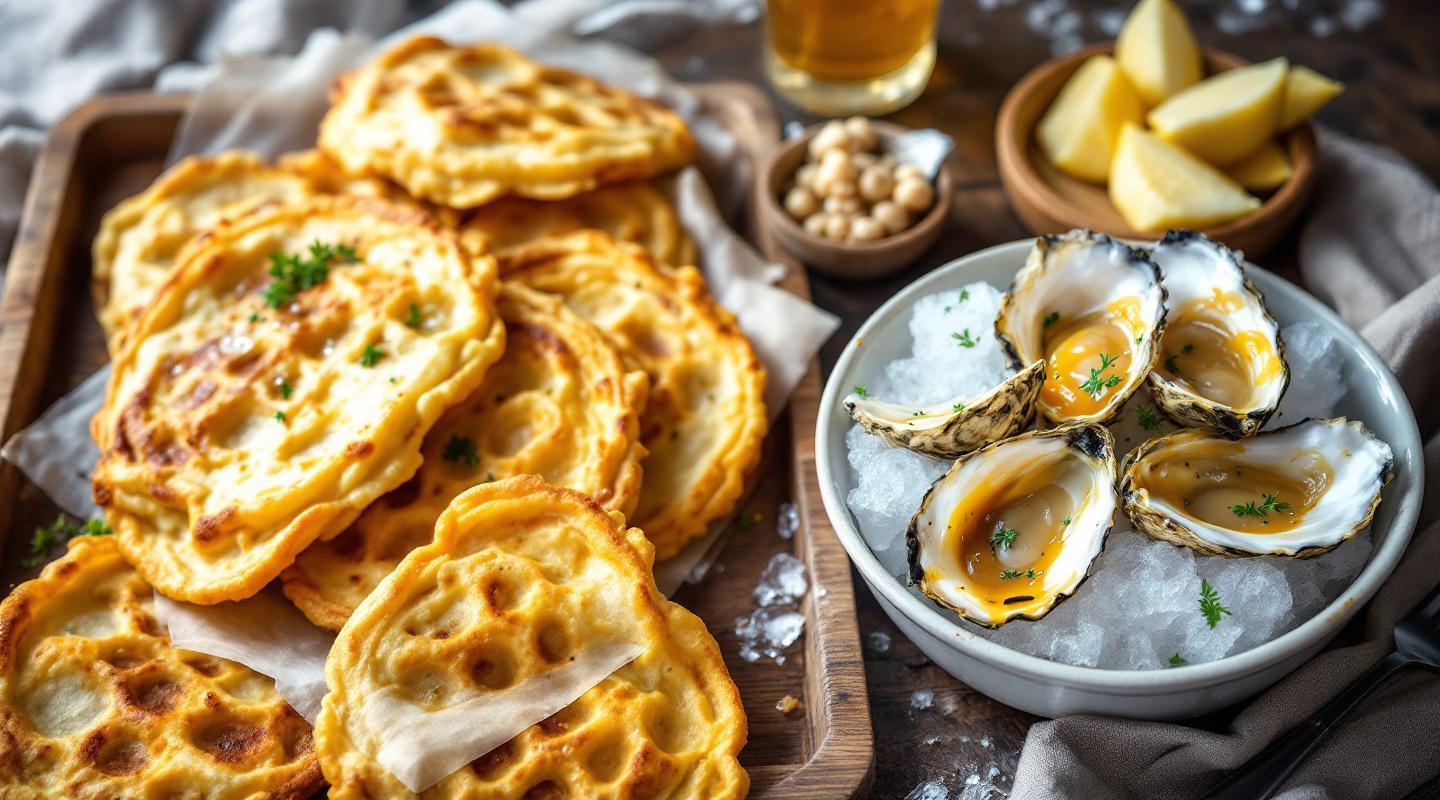
The products are fresh, the recipes simple and generous, and Breton gastronomy is an integral part of the experiences of a stay in the region.
10a. Crêpes, galettes and cider: the basics
Buckwheat galettes and wheat crêpes are not interchangeable. The galette, which is savory, is filled with ham, egg, cheese, mushrooms…
The sweet crêpe comes in various forms, including butter, lemon, dulce de leche, or salted caramel. These are two distinct products, stemming from different traditions.
Breton cider, on the other hand, naturally complements galettes. Served in a ceramic bowl in traditional crêperies, it is less sweet and more acidic than Norman cider.
For non-alcoholics, Breton apple juice is an excellent alternative.
Don't leave without having eaten at least one good savory crepe in a real creperie!
10b. Fresh seafood and fish in Brittany
Brittany is one of the leading seafood producers in Europe.
Oysters from Quiberon Bay, bouchot mussels, lobsters, langoustines, scallops: the supply is abundant and the quality is often impeccable.
The fish markets of Concarneau or Lorient supply local restaurants every morning.
A seafood platter overlooking the ocean remains one of the most delicious experiences that Brittany has to offer.
Sea bass, saithe, sea bream or smoked mackerel are also safe bets if you prefer fish.
Always ask about the origin: an honest Breton fishmonger will tell you without hesitation!
If you like oysters, go directly to a producer. Buying them directly from the source, right on the water, costs two to three times less than in a restaurant, and the product is often better.
Where can you eat Breton food without making a mistake?
Avoid crêperies with overly touristy storefronts, laminated photos, and menus in five languages. That's not where you'll find the best galette.
Ask the locals, look at the tables occupied at lunchtime: it's a good indicator!
Local markets are excellent starting points for simple meals. Also look out for stalls selling Breton charcuterie (Guéméné andouille sausage, smoked sausages) and the artisanal cheese shops that are beginning to develop in the region.
For a complete experience, a meal at a fest-noz (Breton night festival) combines music, dancing, and a local buffet. It's hard to get more authentic than that.
- A natural and cultural heritage of rare richness in France
- Accessible and high-quality gastronomy
- Varied landscapes, from the coast to the forest and through the countryside
- A strong local identity that gives character to the encounters
- Destinations to suit all budgets
- The weather remains unpredictable, even in summer
- The most popular sites (Saint-Malo, Carnac) are very crowded in July and August
- Without a car, some natural sites are difficult to access
- Accommodations are booked early during peak season
- The distances between sites may discourage short stays
Events and experiences to enjoy on site
Brittany is not just a backdrop. It is a vibrant region, with festivals, markets, and a popular culture just waiting to be shared.
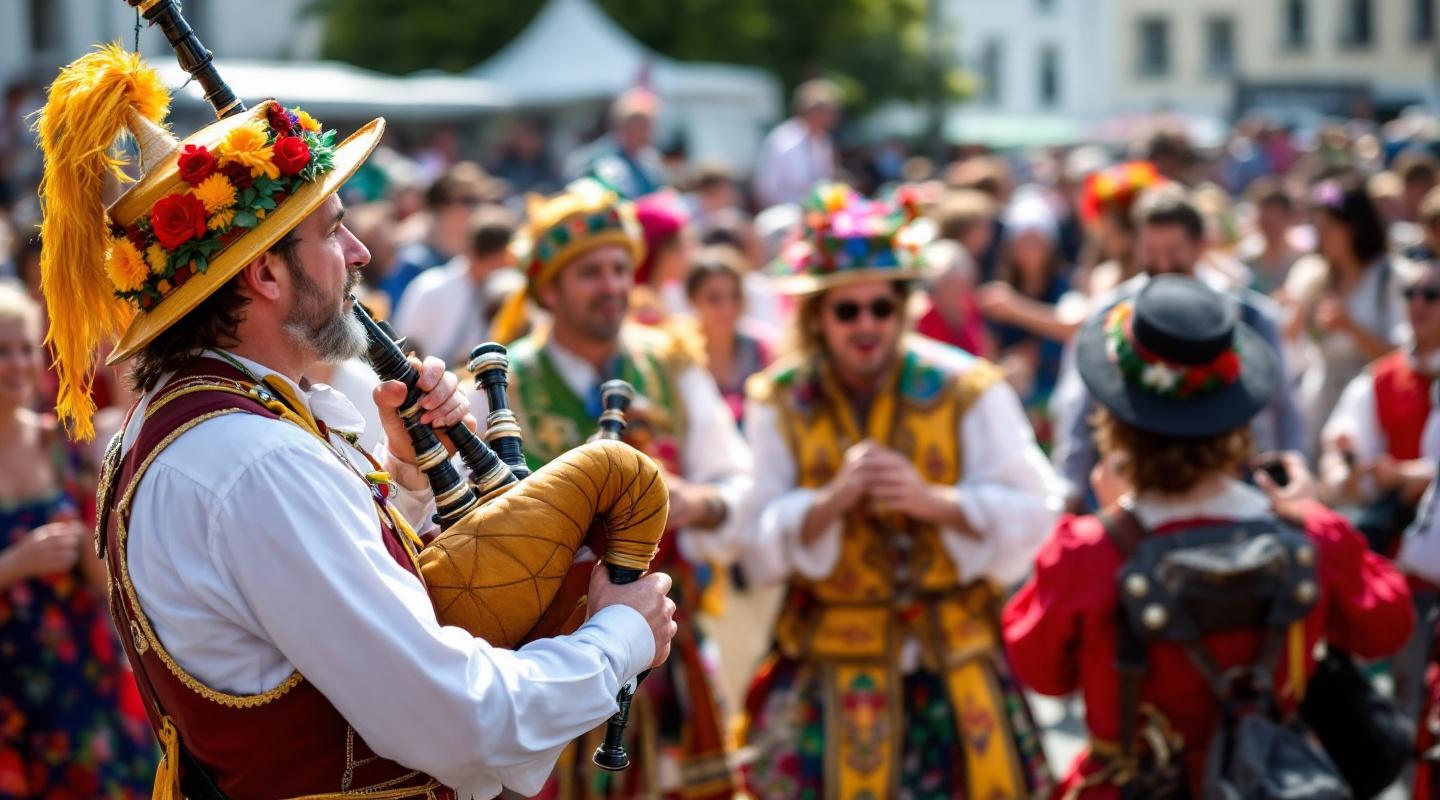
Here are two experiences not to be missed if the schedule allows.
The Interceltic Festival of Lorient in August
Every year in August, Lorient transforms into the world capital of Celtic culture.
The Lorient Interceltic Festival brings together musicians, dancers and artists from Ireland, Scotland, Wales, Asturias, Galicia, Cornwall and of course Brittany.
For ten days, the city vibrates to the sound of bagpipes, bombardes and Celtic harps.
It is one of the world's largest music festivals in terms of attendance: several hundred thousand spectators flock there every year.
The concerts take place indoors, outdoors, in the streets, and in cafes. Some are free, others require tickets. The atmosphere is warm, family-friendly, and truly unforgettable.
If you're looking for the best experiences in Brittany this summer, this is the event not to be missed. Book your accommodation several months in advance.
The Lorient Interceltic Festival is one of the world's largest gatherings of Celtic cultures, welcoming artists from nine Celtic nations every August.
Local markets and Breton festivals
Apart from major events, local Breton markets are a fantastic gateway into the daily life of the region.
Almost every village has its own, once a week. You can find local vegetables, farm butter, cider in jugs, piping hot pancakes and frank conversations with the producers.
Breton festivals (fest-noz, fest-deiz) are moments of sharing through traditional music and dance. You don't need to know how to dance to participate: the atmosphere is enough.
These events were inscribed on UNESCO’s intangible cultural heritage list in 2012, which speaks volumes about their importance in Breton social life.
- The Vannes market : one of the most beautiful covered markets in Morbihan, lively and well-stocked
- The Fête des Filets Bleus in Concarneau : a maritime and musical festival with a long tradition
- Buhé Wednesdays in Quimper : free fest-noz evenings in the city centre
- Rosporden market : small but authentic, far from the tourist trails
Letting yourself be guided by the local calendar is often the best way to understand what Brittany really has to offer beyond the postcards.
Frequently asked questions about Brittany
What is the best time to visit Brittany?
Spring (April-June) and early autumn (September-October) are the most pleasant times to visit. There are fewer crowds, accommodation prices are more reasonable, and the light is often magnificent. Summer remains the busiest season, with festivals and markets, but popular sites like Saint-Malo and Carnac can get very crowded. Winter has its own unique charm, especially for those who enjoy solitary hikes on the GR34.
How many days does it take to visit Brittany?
To see Brittany in 3 days, focus on one area: Saint-Malo and the north, or Morbihan with Carnac and Vannes. A week allows you to cover two areas comfortably. Two weeks gives you time to really explore without rushing. Brittany is large and the roads are often winding: avoid trying to do everything in a short time, or you risk spending more time in the car than at the sights.
Is Brittany suitable for families with children?
Absolutely. There are plenty of supervised beaches, crêperies delight children, and sites like the Carnac standing stones or the Brocéliande forest stimulate the imagination of younger visitors. Water sports (sailing, kayaking, surfing) are available for children as young as 7 or 8 at most coastal clubs. Campsites with amenities are very common in Brittany, making it a popular destination for families on a budget.
Do you need a car to visit Brittany?
For larger cities like Rennes, Brest, Quimper, and Saint-Malo, public transportation works well. But to reach secluded beaches, the Carnac standing stones, or the Brocéliande forest, a car is practically essential. Cycling is a great alternative on some well-maintained coastal routes, notably the Vélodyssée, which crosses part of the Breton coastline. Renting a car remains the most flexible way to explore the region at your own pace.
What are the Breton specialties that you absolutely must try?
The buckwheat galette (the "complete" galette with egg, ham, and cheese) is the staple dish. Kouign-amann, this Breton cake with caramelized butter, is a unique taste experience. Oysters from Morbihan, lace crêpes from Quimper, andouille sausage from Guéméné, and far breton complete the picture. For drinks, Breton artisanal cider is a must, as is chouchen, a honey-based beverage similar to mead.
