
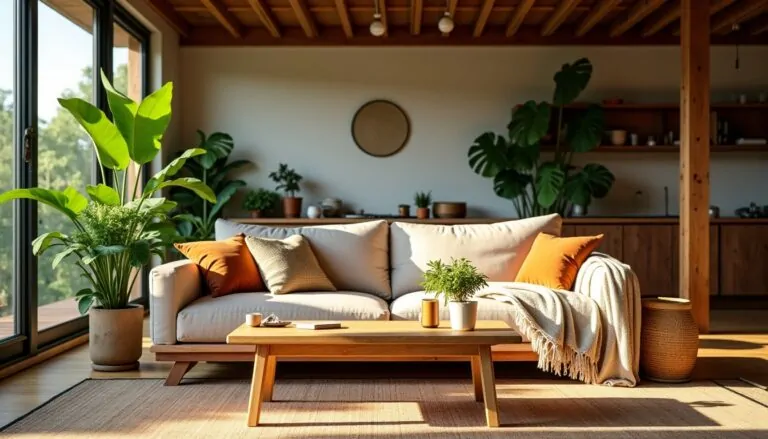
The organic style, which has become a major trend in interior design, is distinguished by its emphasis on natural materials and earthy tones. It's an aesthetic that invites nature into the heart of the home, creating a warm and deeply welcoming atmosphere.
For many, adopting this style is not just a matter of decoration, but rather a desire to transform their interior into a true refuge, a bubble of serenity.
This timeless approach, which seems to have always existed, relies on soft shapes and raw materials to create a world that is both modern and comforting. It offers numerous ideas for adopting this style and creating a space in harmony with its surroundings.
Here we will explore three fundamental aspects to integrate this philosophy into your home, guaranteeing an interior that exudes authenticity and well-being.
The enthusiasm for organic design is not accidental. It responds to a growing desire to reconnect with the essential, for simplicity and natural beauty within our living spaces.
By favouring charming irregularity and authentic textures, this style promises a home where it is good to live, far from the outside hustle and bustle.
The color palette and shapes: foundations of the organic style
To begin a transformation towards an organic interior, the choice of colors and lines is crucial. These two elements lay the foundation for a serene atmosphere rooted in nature, essential characteristics of this style.
Opt for neutral and earthy tones
The organic style is rooted in a color palette that faithfully reflects nature. It is best to opt for neutral and earthy tones, which evoke the gentleness of natural landscapes and the warmth of the earth.
Warm whites, delicate beiges, and soft grays are excellent options for walls, large pieces of furniture, and the foundations of your decor. These colors have the ability to visually expand a space while creating a sense of calm.
These shades serve as an ideal backdrop to highlight raw materials and touches of greenery.
They also facilitate the integration of some deeper accents, such as ochres, moss greens or rich browns, which recall natural elements without ever overloading the eye.
The goal is to create a visual harmony where each color blends naturally into the whole.
The elegance of shapes inspired by nature
Beyond colors, shapes play a predominant role in the expression of the organic style. It is about embracing the curves, roundness and irregularities found in nature, like a pebble polished by water or a sinuous tree branch.
Furniture with soft lines, without sharp angles, brings fluidity and visual softness to the space.
Imagine sofas with rounded armrests, coffee tables with oval tops, or mirrors with organic contours. These elements help create a welcoming atmosphere, where the eye can rest and the mind can relax.
Imperfection and asymmetry, far from being flaws, become assets that lend a unique charm and undeniable authenticity to your interior.
Natural and raw materials: the essence of the organic
The essence of organic style undoubtedly lies in the choice of materials. Favoring raw and natural materials is a fundamental approach to infusing authenticity and character into your interior.
Wood, stone and textiles: the pillars of authentic decoration
Wood is undoubtedly the emblematic material of this style. Whether it's light wood like oak or ash, or darker, aged wood, it brings warmth and texture.
It can be found in parquet floors, furniture, but also in sculpted decorative objects or exposed beams that tell a story.
Stone, whether in the form of wall cladding, tabletops or sculptures, adds a mineral and robust touch, anchoring the space in a more primitive and sustainable dimension.
Natural textiles complement these elements harmoniously; linen, cotton, wool, or hemp, with their varied textures and matte finishes, invite touch.
They manifest themselves through sheer curtains, soft cushions, thick rugs or cozy throws, contributing to a cozy and comforting atmosphere.
Each fiber, each irregularity of these materials contributes to the sensory richness of the environment.
An interior bathed in natural light, complemented by carefully chosen decorative elements, greatly contributes to well-being, as suggested by the Delisse website with its approaches to soft and harmonious lighting.
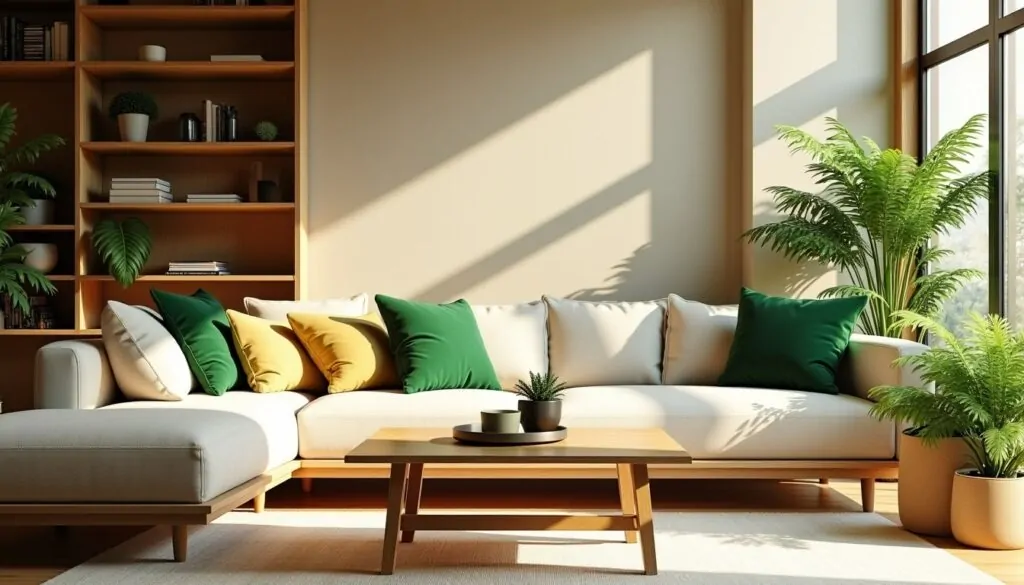
Craftsmanship and handmade items: unique touches
To enhance the organic and natural look, incorporating handcrafted objects is an excellent idea.
Handmade creations, whether terracotta pottery, wickerwork or braided fiber lamps, bring a human and unique dimension to your decor.
Each piece bears the imprint of its creator, telling a story and adding a soul to the space.
These elements are not just decorative; they are often functional and are part of a more conscious and respectful approach to consumption.
They allow us to move away from mass production and favour objects that have meaning and will age gracefully.
Integrating nature: plants and light
The organic style is characterized by a symbiosis with nature. It is not just about imitating it, but about truly bringing it into the living space, through plants and light.
The power of green plants
Houseplants are valuable allies in creating an organic ambiance. They bring life and color, and purify the air, thus contributing to a healthy and soothing atmosphere.
Choose plants with generous foliage and varied shapes, such as monstera, ferns or indoor olive trees, to create natural focal points.
Arrange them in groups for a lush effect or isolate a large plant to make it a living sculpture.
Terracotta pots, raw ceramic pots or natural fiber pots will fit perfectly into this aesthetic, reinforcing the harmony with the other materials.
Regular maintenance of these plants becomes a soothing ritual, connecting the inhabitant to the cycle of nature.
Maximize natural light and choose the right lighting
Natural light is a fundamental element of the organic style. It highlights textures, colors and shapes, and contributes directly to the well-being of the occupants.
Clear the windows, use light curtains and favor mirrors to reflect light and visually enlarge the space.
When natural light diminishes, artificial lighting should gently take over. Opt for light fixtures that diffuse a warm, soft light, creating cozy and intimate atmospheres. Lamps made from natural materials such as rattan, wood, or rice paper are ideal.
To complete an organic ambiance, lighting plays a key role. Solutions that favor soft, diffused light, like Scandinavian lighting, can beautifully highlight the natural textures and rounded shapes of your furniture.
Furniture and accessories: choosing harmony
The choice of furniture and accessories is crucial to perfecting the organic style. Each piece must be designed to blend in harmoniously and reinforce the impression of softness and naturalness.
Furniture with soft, timeless lines
Organic furniture is characterized by clean lines and often rounded shapes, which avoid any visual aggression.
A comfortable sofa with generous curves, a solid wood dining table with softened edges, or chairs with enveloping backs are wise choices.
These pieces of furniture are not only aesthetically pleasing; they are designed for comfort and conviviality, inviting relaxation and sharing.
Durability is also an important consideration. Opt for pieces made with quality materials that will stand the test of time without going out of style.
The timeless aspect of the organic style means that your investments will be relevant for many years.
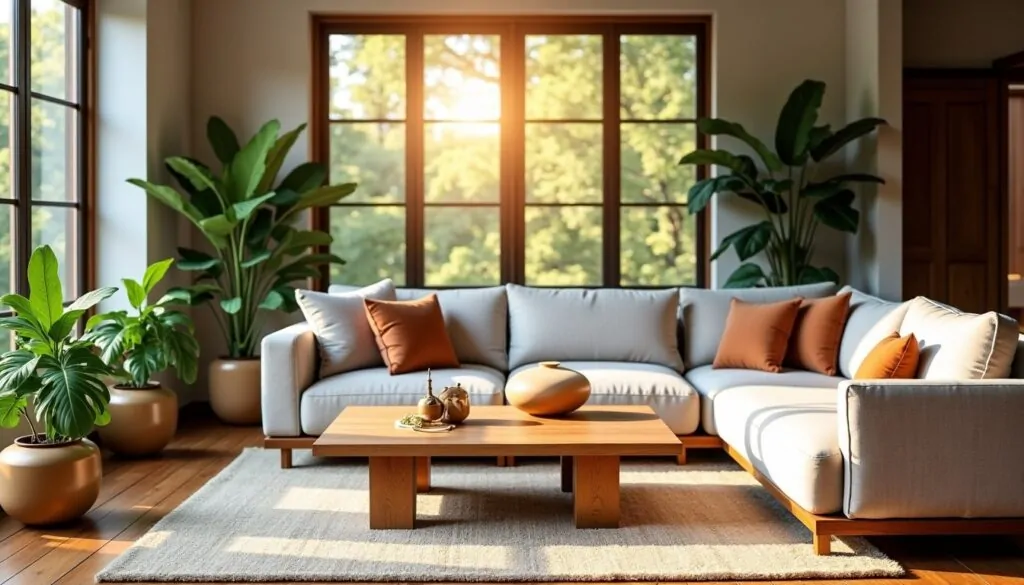
Accessories: textures, craftsmanship and functionality
Accessories are the finishing touches that personalize your interior. Opt for objects that celebrate materials and craftsmanship.
A large vase made of raw ceramic, a carved wooden dish, candles made of natural waxes, or abstract sculptures inspired by nature are choices that reinforce the organic identity.
Clutter is the enemy of serenity. Keep your decor uncluttered and functional. Every object should have its place and purpose, or contribute genuine aesthetic value.
Here are some ideas for choosing your accessories:
- Cushions made of linen or textured cotton.
- Jute or wool rugs with subtle patterns.
- Mirrors with driftwood frames or irregular shapes.
- Woven baskets for storage, combining aesthetics and practicality.
- Thick and soft blankets, inviting you to cozy up.
Creating an atmosphere: textures and sensations
Beyond visual aesthetics, the organic style engages all the senses to create an enveloping and deeply soothing atmosphere. It's about considering the overall living experience.
The language of textures and overlays
Layering different textures is an effective technique for adding depth and comfort to your interior.
Imagine a looped wool rug on a raw wood floor, crumpled linen cushions on a thick cotton sofa, or a faux fur throw draped over a rattan armchair.
Each texture invites touch and enriches the sensory experience of the space.
These layerings create subtle contrasts that prevent monotony and give character to the room. They also allow you to adjust the atmosphere according to the seasons, by adding or removing elements to suit your desire for warmth or lightness.
Olfactory and auditory sensations
The organic atmosphere is not complete without taking into account the senses of smell and hearing.
Natural scented candles (sandalwood, cedar, pine) or essential oil diffusers (lavender, bergamot) can transform the atmosphere of a room.
These subtle fragrances enhance the connection with nature and contribute to relaxation.
For your hearing, prioritize silence or soft, natural sounds. Avoid distracting noises and, if possible, incorporate a small indoor fountain for the soothing murmur of water, or choose a playlist of soft, instrumental music.
The goal is to create a sanctuary where the senses are soothed and nourished.
"Nature is not a place to visit. It is our home."
This quote, often attributed to Gary Snyder, perfectly sums up the spirit of the organic style: making our interior a natural extension of the environment, a place where we fundamentally feel at home.
Organic materials for your home
To better visualize the integration of natural materials, here is a summary table of their characteristics and uses in the organic style.
| Matter | Features | Typical uses | Advantages in organic style |
|---|---|---|---|
| Drink | Warm, robust, unique grain | Furniture, parquet flooring, decorative objects, wall coverings | It brings warmth, authenticity, and durability |
| Rock | Cold to the touch, solid, with variations in color | Floor/wall coverings, worktops, sculptures | Grounding, raw and mineral appearance, timelessness |
| Linen | Textured, breathable, elegant crinkled look | Curtains, cushions, bed linen, tablecloths | Softness, lightness, pleasant feel, natural |
| Wool | Soft, insulating, various thicknesses | Rugs, throws, blankets, cushions | Comfort, warmth, soundproofing, rich textures |
| Rattan/Wicker | Lightweight, braided, airy appearance | Armchairs, pendant lights, baskets, headboards | Handcrafted touch, visual lightness, gentle exoticism |
| Ceramic | Smooth or textured, handcrafted or industrial | Vases, pottery, tableware, tiles | Authenticity, variety of shapes and finishes, handmade |
Your organic haven of peace: an art of everyday living
Adopting the organic style at home goes far beyond a simple decorative trend; it is a true philosophy of life, an invitation to slow down and reconnect with what is essential.
By incorporating soft shapes, soothing colors and natural materials, you create a refuge that nourishes the soul and soothes the mind.
This approach transforms your home into a haven of serenity, a place where every element has meaning and contributes to an atmosphere of well-being. It's a space where modernity meets authenticity, where comfort blends with simplicity.
Your home then becomes a natural extension of yourself, an echo of the beauty and tranquility of the surrounding nature.
By carefully choosing each texture, each color and each object, you build an environment that breathes life and harmony.
This timeless style offers you the opportunity to create a living space that is deeply vibrant, warm and comforting, a true art of everyday living.
