
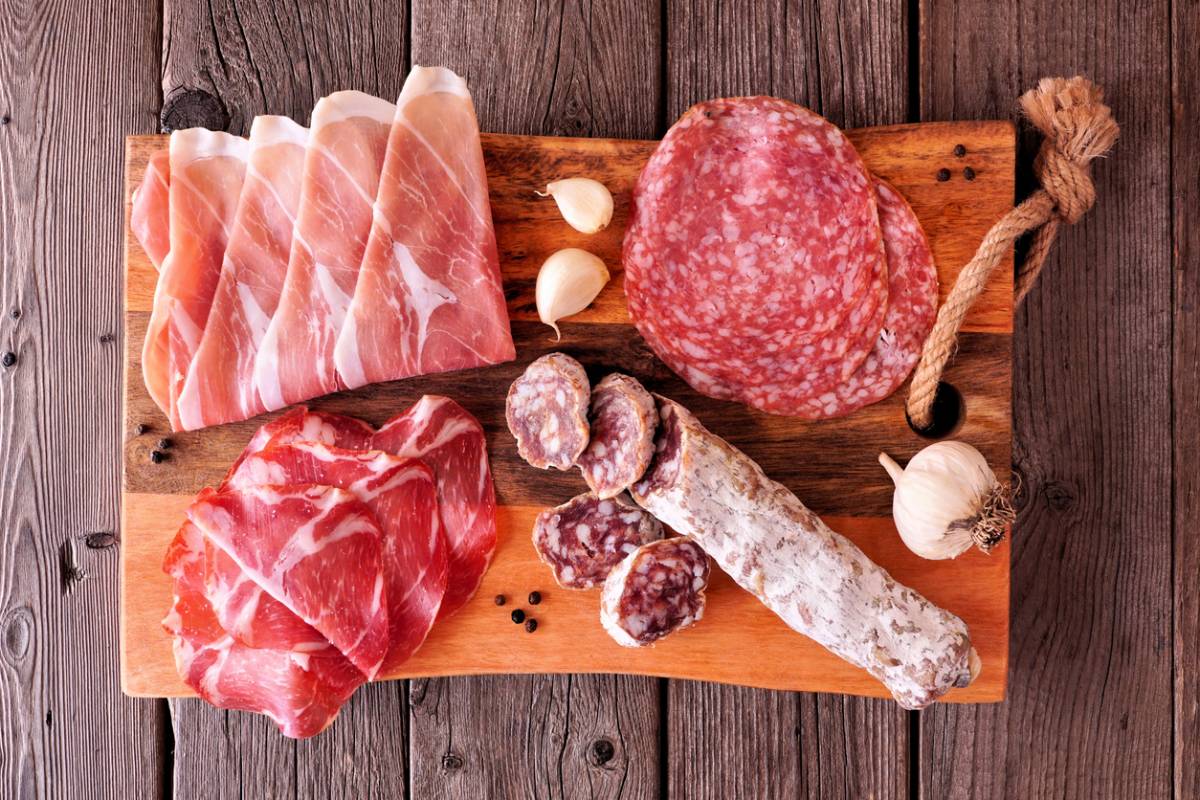
Given the diversity of deli meats available on the market, how can we distinguish exceptional products from those of average quality? This question concerns many consumers who are mindful of their diet.
Authentic taste, perfect texture, controlled origin: these are all criteria that define quality charcuterie.
Let's discover together the keys to evaluating your favorite deli meats and making informed choices when you shop.
Taste, texture, origin: how to identify quality charcuterie?
Evaluating charcuterie begins with your senses. At first glance, observe the color: it should appear natural, without overly bright artificial tints.
Fine charcuterie displays harmonious nuances that attest to careful aging. The texture also reveals much about the product's quality.
Gently squeeze the cured meat between your fingers; it should be firm but not hard. Products that are too soft or have soft patches often indicate manufacturing or storage defects.
When it comes to aromas, trust your sense of smell. Quality charcuterie gives off balanced, never overpowering scents. Spicy notes should remain subtle, allowing you to identify the different flavors without any one of them dominating excessively.
Geographic origin is also a valuable indicator. Regions renowned for their charcuterie expertise generally offer additional guarantees.
Moreover, a recent study from 2023 reveals that 70% of consumers prefer artisanal charcuterie for its authentic taste.
As explained by the professionals at Directos.eu , to obtain products meeting these demanding criteria, you can use platforms specializing in high-quality artisanal charcuterie
These companies rigorously select their producers, thus guaranteeing complete traceability of their charcuterie.
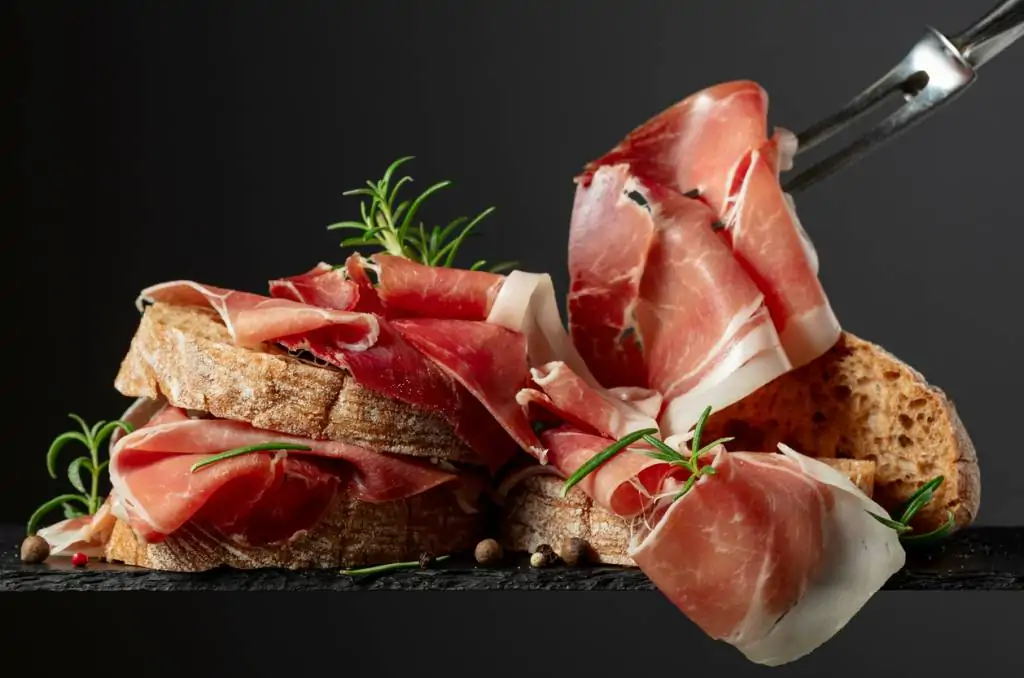
Health criteria and labels to check before buying
Beyond sensory aspects, food safety remains paramount. Always check the expiration dates and storage conditions indicated on the packaging.
This information is not just a formality; it guarantees your health. Official labels provide additional assurances.
The Appellation d'Origine Contrôlée (AOC) or the Indication Géographique Protégée (IGP) certifies adherence to traditional methods and a specific terroir. These designations are not simply marketing ploys; they also, and above all, legally bind the producers.
Also check the information regarding animal welfare. Labels such as "Organic" or "Free Range" indicate practices that are more respectful of animal welfare, which directly influences the final quality of the meat.
Don't hesitate to ask about the producer's certifications. A reputable butcher will readily display their health and safety approvals and quality assurance procedures. This transparency demonstrates their professionalism and commitment to their customers.
The influence of artisanal or industrial manufacturing methods
Artisanal charcuterie favors longer aging periods, allowing the flavors to develop naturally. This patience is immediately noticeable on the palate, as the tastes appear more complex and balanced.
Contrary to popular belief, industrial production can also offer good products. However, it tends to standardize tastes to appeal to the widest possible audience. Additives are often more numerous, particularly preservatives and flavor enhancers.
Batch size is another distinguishing factor. A charcuterie artisan works in small quantities, allowing for precise control at each stage. This meticulous attention results in consistent quality and more pronounced flavors.
Learn about the drying methods used, such as those for sausage, filet mignon , or duck breast. Traditional aging in natural cellars, with their variations in temperature and humidity, develops aromas that are impossible to reproduce artificially. These subtle nuances make all the difference between ordinary charcuterie and an exceptional product.
Assessing the quality of your favorite deli meats requires a comprehensive approach combining sensory analysis, label verification, and knowledge of production methods.
By favouring producers who are transparent about their practices and by choosing specialized distribution channels, you ensure that you enjoy authentic products.
This demanding approach rewards your taste buds while supporting a valuable traditional know-how.
