
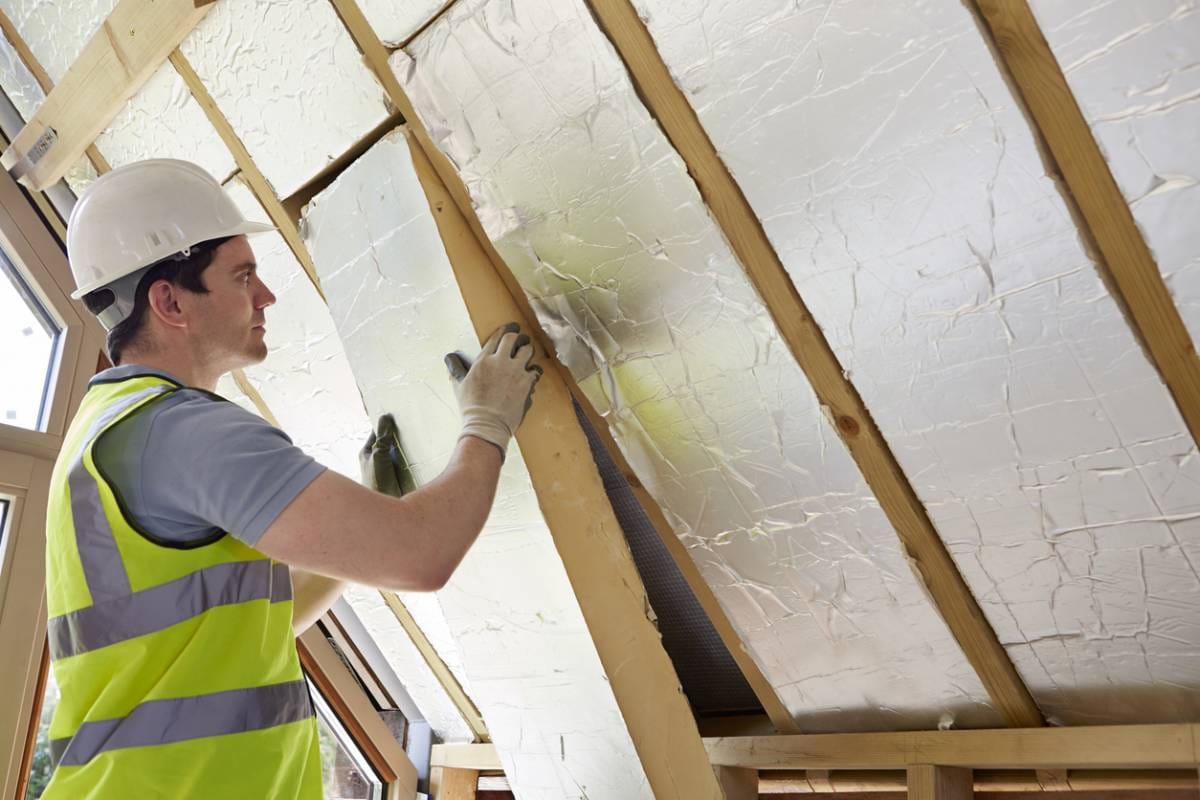
Reducing energy bills while improving living comfort is becoming a priority for many homeowners. Thermal insulation then represents the most cost-effective investment to achieve these goals.
Each area of your home requires a specific approach based on its technical constraints and expected performance. From attics and exterior walls to ground floors, the choice of insulation material determines the effectiveness of your work and your future savings.
What type of insulation is best for each part of the house?
Attics are the priority area for any insulation project, as they account for up to 30% of heat loss. For uninsulated attics, blown fiberglass or cellulose fiber insulation offers excellent value for money. Their quick installation allows for even coverage of the entire surface, even in hard-to-reach corners.
Exterior walls require a different approach depending on the technique chosen. Exterior insulation favors rigid panels such as expanded polystyrene or rock wool, while interior insulation is better suited to semi-rigid rolls or panels.
Basement floors and crawl spaces require moisture-resistant materials. Extruded polystyrene or polyurethane panels are particularly well-suited to these demanding environments. Their mechanical strength also allows them to support loads without deformation.
To make the right choice from this comprehensive range of thermal insulation, be sure to carefully assess the constraints of your project and your performance objectives.
The performance of thermal insulation materials you should know
Thermal resistance, expressed as R, is the key indicator for comparing insulation materials. The higher this value, the better the insulation performance. Current regulations require a minimum R-value of 7 m²K/W for attics and 4 m²K/W for walls.
Thermal conductivity (lambda) varies considerably depending on the material. Synthetic insulators such as polyurethane have values around 0.025 W/mK, compared to 0.040 W/mK for traditional glass wool.
This difference results in varying thicknesses to achieve the same performance.
Other criteria also deserve your attention depending on the intended use. Fire resistance, water vapor permeability, and long-term durability all influence the effectiveness of your investment.
Finally, note that ACERMI certifications guarantee the reliability of the characteristics advertised by manufacturers.
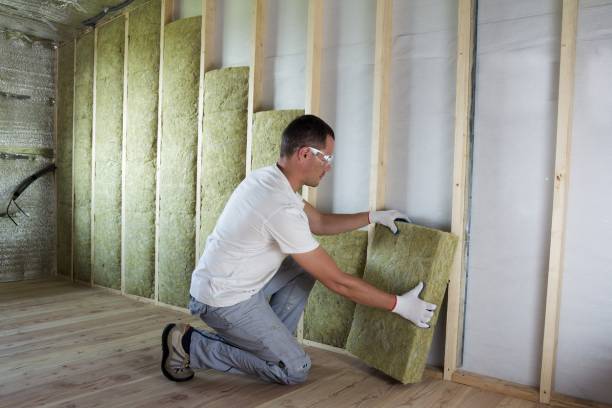
Combine energy efficiency and ecology with your insulation
Bio-based insulation materials are gaining popularity, and for good reason. Leading the way is cellulose wadding, made from recycled paper, which combines solid thermal performance with environmental friendliness.
Capable of storing carbon while competing with conventional insulation, it is distinguished above all by its excellent thermal phase shift, a real asset for keeping cool in summer without resorting to air conditioning.
Similarly, wood wool ticks all the boxes for environmentally conscious projects. Its high density ensures remarkable thermal inertia, ideal for maintaining a stable indoor temperature, even during heat waves.
Even better, its ability to allow water vapor to pass through helps to naturally regulate ambient humidity. With a negative carbon footprint, it fully aligns with the principles of sustainable and responsible construction.
hemp and flaxare appealing due to their local origin and ease of installation. While their raw performance doesn't rival that of synthetic insulation, their hygroscopic properties more than compensate. They absorb moisture, release it gradually, and thus contribute to healthier indoor air.
A pragmatic response to the quest for a habitat that is more respectful of man and the planet.
Ensure flawless installation for effective insulation
The continuity of the insulation determines its final effectiveness. Thermal bridges, uninsulated areas, can reduce the theoretical performance of your insulation by 20 to 30%.
Therefore, particular attention must be paid to the junctions between different building elements.
Air tightness is a major, often overlooked issue. Unwanted air leaks negate the benefits of thermal insulation and lead to moisture problems. Using a properly installed and connected vapor barrier is essential on the heated side.
Ventilation also needs to be rethought after effective insulation work. A well-insulated house requires controlled air renewal to remove humidity and maintain optimal indoor air quality. Controlled mechanical ventilation then becomes an essential complement to your insulation.
Choosing the right thermal insulation for each area of your home maximizes your energy savings and comfort. Technical performance, environmental impact, and installation quality determine the success of your project.
Properly designed and expertly installed insulation transforms your home by reducing your energy bills by 40 to 60%.