
In short
Savoie has long been synonymous with groomed slopes and ski passes, to the point that the rest of the year goes almost unnoticed in holiday searches.
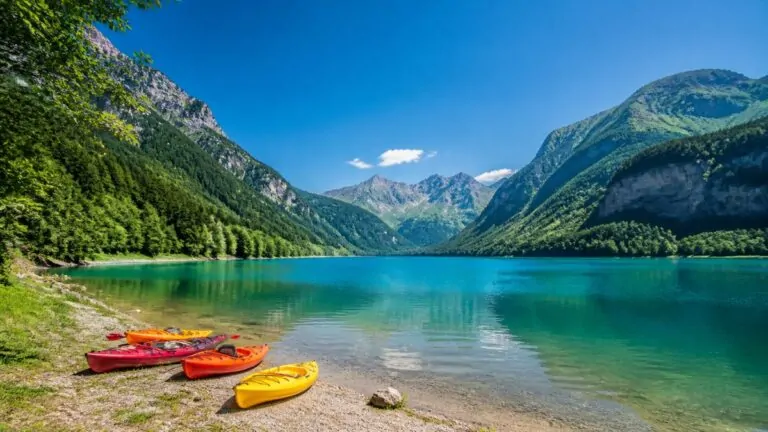
However, it is between June and September that the department reveals another face: turquoise lakes, flowering alpine pastures, stone villages and trails that climb up to the glaciers.
This article covers what you need to know to organize a stay in Savoie without skiing: the best time, the lakes to favour, the hiking areas according to your level, the heritage not to be missed, as well as a concrete budget to avoid unpleasant surprises.
When is the best time to visit Savoie outside of the ski season?
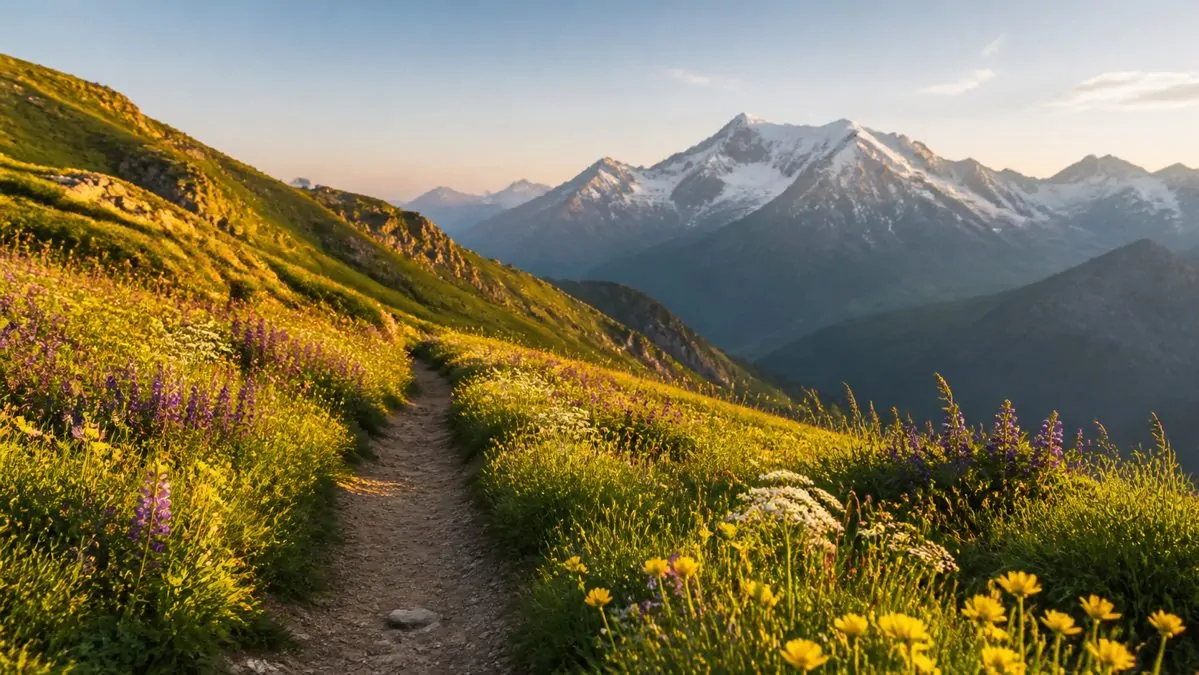
The most comfortable window runs from June to September. The mountain huts and most of the trails in the Vanoise National Park only really open from mid-June onwards, once the late snow has melted on the highest passes.
July and August remain the busiest months, particularly around the large lakes and iconic sites such as gorges and caves. High-altitude resorts like Tignes and Val Thorens experience a slower pace of accommodation bookings, which can lead to lower prices.
To avoid the midday crowds on the most popular trails (Saint-Guérin lake, Fier gorges), start your ascent before 9 a.m. The parking lot and trail also become much quieter after 3 p.m.
September completely changes the atmosphere: the days remain long, the temperatures drop a notch, and the number of visitors decreases significantly, making the trails around the Beaufortain and Chartreuse mountains much quieter. It's also the season for farmers' markets and the first autumn colors at higher altitudes.
May and early October remain feasible for towns and low-altitude lakes like Bourget, but some of the mountain huts and access lifts to the high trails are still or already closed at these dates: it is best to check the opening before leaving.
Some high-altitude trails remain snow-covered until early July in some years, particularly on passes above 2,500 meters. Calling the guides' office or the local tourist office before setting off will prevent any unpleasant surprises.
The lakes of Savoy, between swimming and panoramic views
Savoie has several lakes that rival seaside resorts, with the added advantage of being surrounded by mountains.
Lake Bourget, in Aix-les-Bains, is both the largest and deepest natural lake in France, reaching a depth of 145 meters at its deepest point. It offers supervised beaches, water sports (sailing, paddleboarding, rowing), and a relatively flat bike path, perfect for a family outing.
Lake Aiguebelette, smaller and less frequented, prohibits combustion engines on its waters, which keeps it particularly calm for swimming and canoeing.
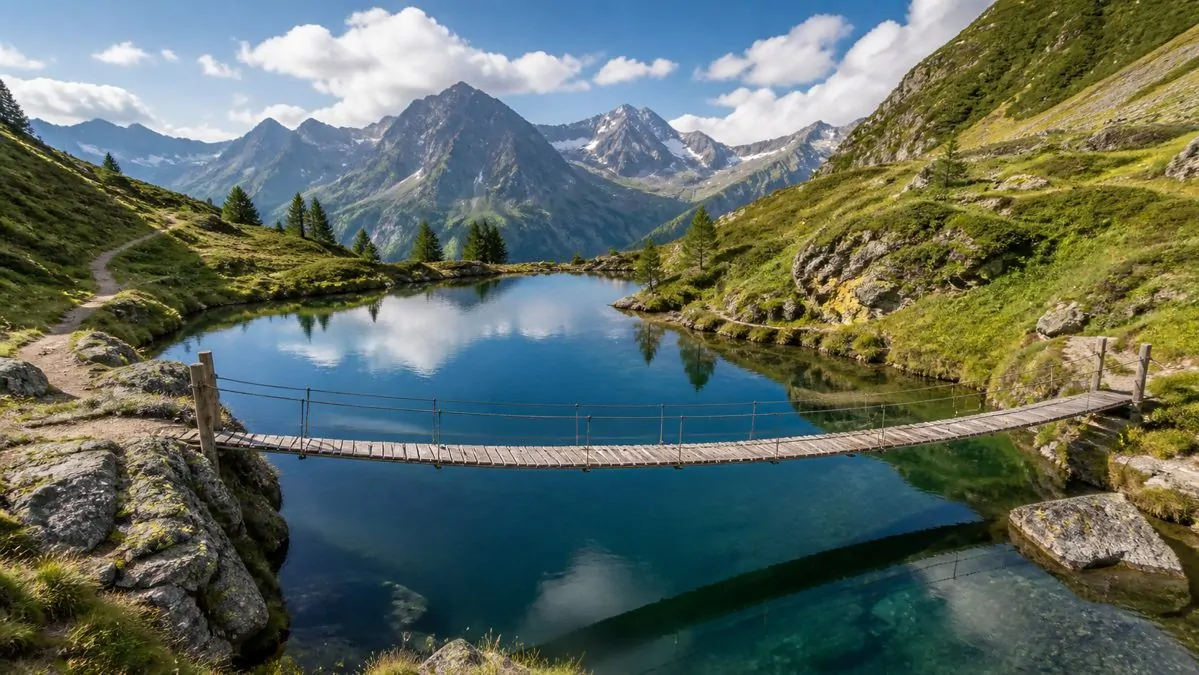
Lake Saint-Guérin, in the Beaufortain region, is located at an altitude of 1,559 meters and can only be reached on foot or by bicycle: it is a mountain outing in its own right, with a suspension bridge that crosses the reservoir.
| Lake | Access | Ideal profile |
|---|---|---|
| Lake Bourget | By car, train station in Aix-les-Bains | Family, swimming, cycling |
| Lake Aiguebelette | Car | Peaceful, canoeing, fishing |
| Lake Saint-Guérin | Walking or mountain biking from the dam | Hikers, photo |
Hiking in Savoie: which mountain range to choose according to your level?
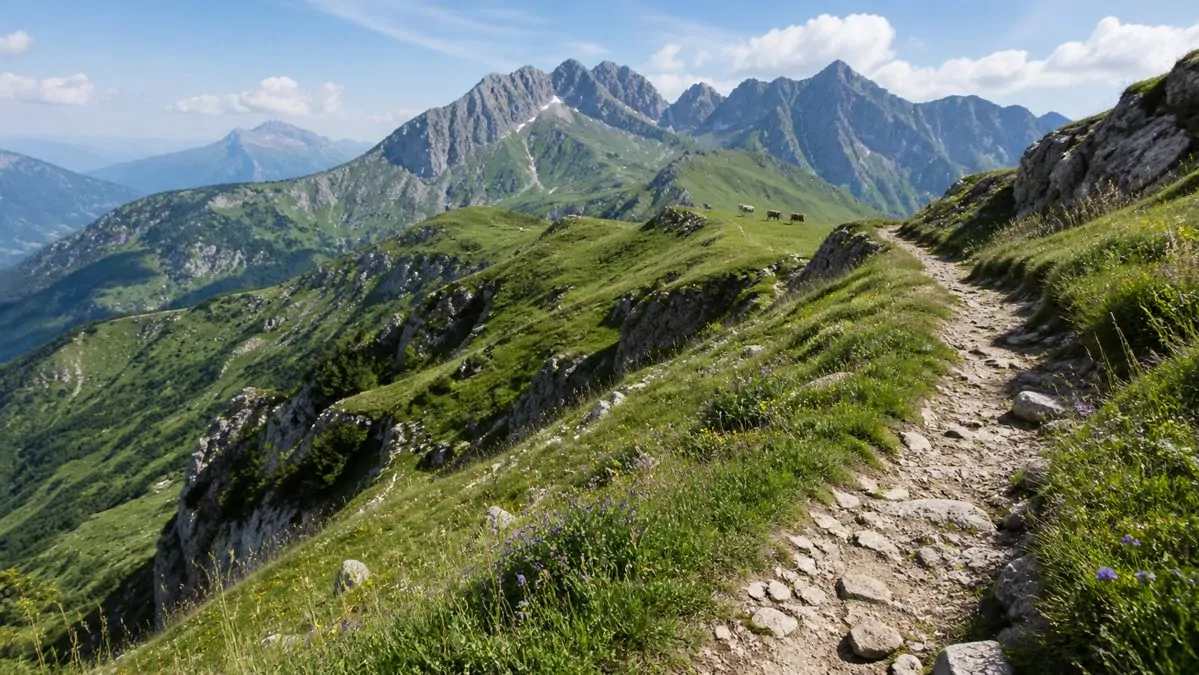
It is in this area that Savoie truly distinguishes itself from its winter reputation: four very different mountain ranges, each with its own pace of walking.
The Vanoise National Park protects 53,300 hectares in its core zone, encompassing alpine pastures, glaciers, and ibex. It offers everything from two-hour family walks around the lower valley lakes to multi-day treks that climb above 2,500 meters. It is the most physically demanding mountain range once you venture off the marked trails.
The Bauges massif, a UNESCO Global Geopark, offers a gentler landscape, with peaks rarely exceeding 2,200 meters. The ridges provide sweeping views of Lake Bourget and Lake Annecy, making for a reasonable half-day hike.
The Beaufortain, between Savoie and Haute-Savoie, alternates between grazed alpine pastures and reservoir lakes, with intermediate level routes that are well suited to a first two- to three-day trek with refuge stays.
The Chartreuse, being more wooded, lends itself more to walks in the undergrowth and to spectacular limestone cliffs seen from the viewpoints, without requiring significant elevation gain.
- Bauges mountain range: marked trails, moderate elevation gain
- Chartreuse: accessible forests and viewpoints
- Cycling around Lake Bourget, almost flat
- High-altitude crossings of the Vanoise National Park
- Beaufortain mountain passes above 2,400 meters
- Technical climbs requiring a guidebook or a guide
A hiker setting out for the first time on the Bauges ridges with good shoes and 2 liters of water can easily cover a 4-hour loop without high mountain experience, which is not the case as soon as one ventures onto the high-altitude trails of the Vanoise.
Find the mountain range that suits your needs
What is your profile for this outing?
Villages, heritage and gastronomy not to be missed
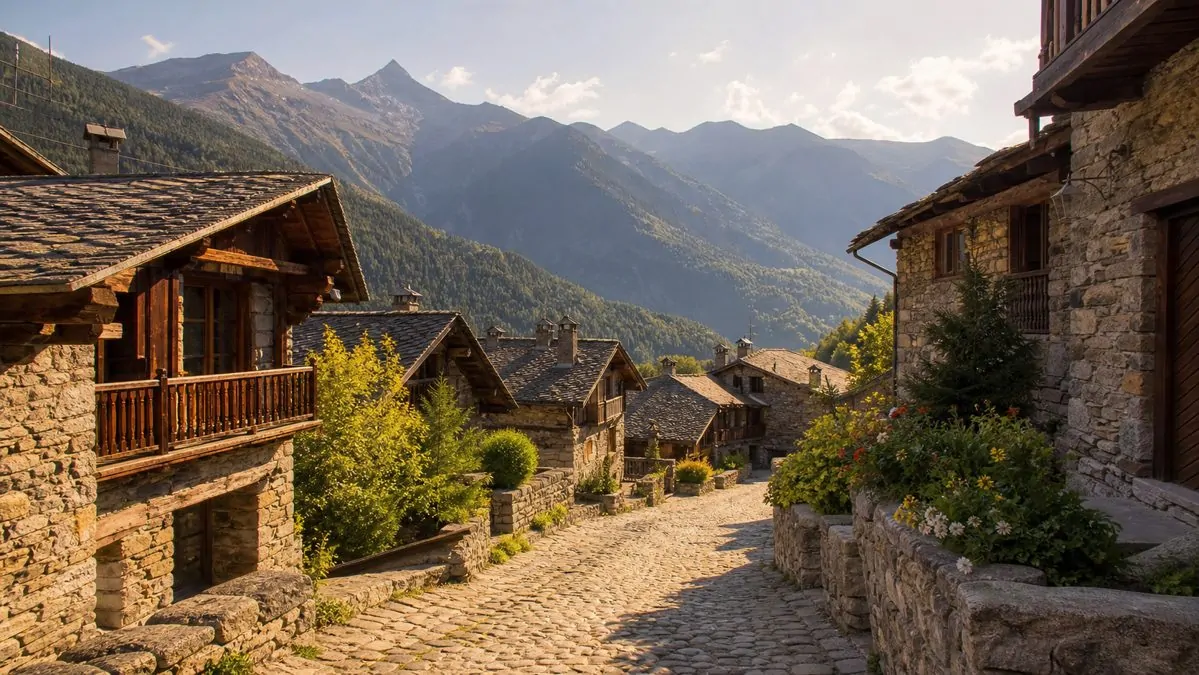
Chambéry, the prefecture, deserves half a day for its castle of the Dukes of Savoy and its old town with colorful facades, without needing a car once there.
Annecy, in neighboring Haute-Savoie, is often combined with a stay in Savoy for its canal and castle, but attracts a much denser crowd in summer than a village like Conflans, in Albertville, which retains its medieval character without the queues.
The Savoie wine route connects several estates between Lake Bourget and Chambéry, with tastings of local grape varieties such as Jacquère or Mondeuse, little known outside the region.
Combine a morning in a charming village with lunch at a farm inn: several alpine pastures in the Beaufortain and Bauges regions sell their cheese directly and offer a table at lunchtime, often by reservation the day before.
When it comes to food, Savoy is not limited to fondue and tartiflette: crozets (small buckwheat pasta), croziflette or diots in white wine can be found all year round in village restaurants, and can be enjoyed just as well on the terrace in summer as by the fireside in winter.
How much does a stay in Savoie cost excluding skiing?
The budget varies greatly depending on the season and the area, but generally remains more affordable than a ski holiday, due to the lack of lift passes to include.
For two people, a week in a mid-range gîte or bed and breakfast, outside of July and August, often costs around 500 to 700 euros for accommodation alone. During peak season, this amount rises considerably in the most sought-after tourist areas, particularly around the large lakes.
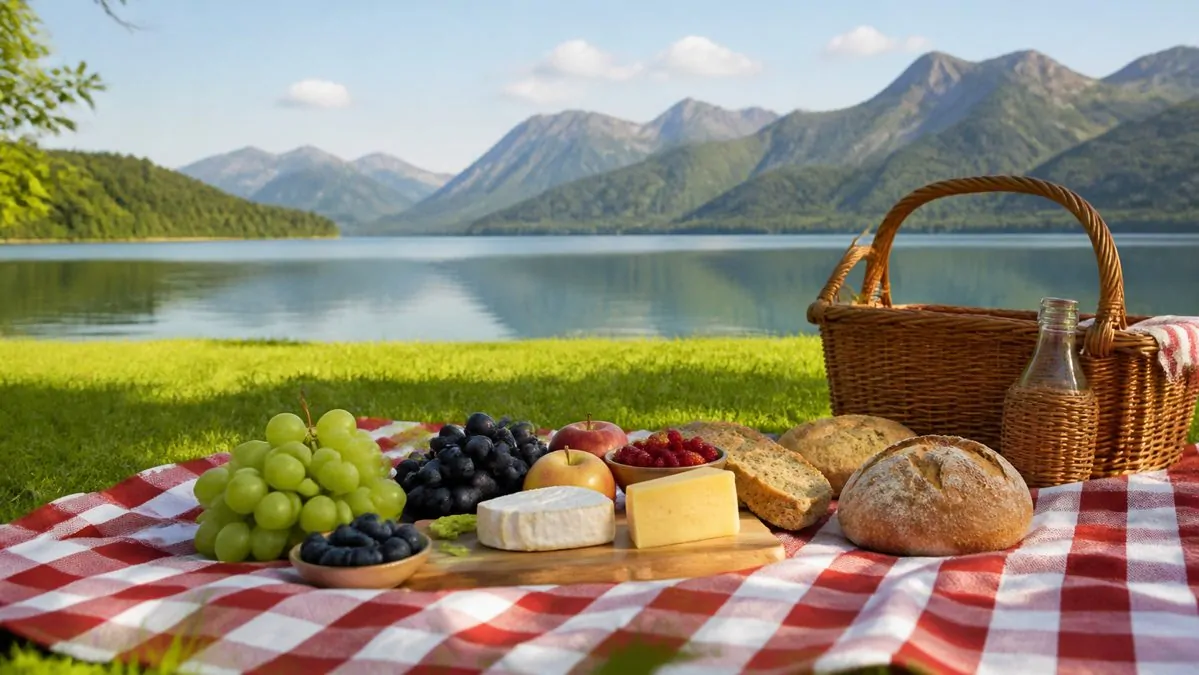
A picnic of local producers (cheese, cured meats, bread) is generally cheaper than a meal in a restaurant, while giving a direct glimpse of local products: enough to limit the food budget over several days of hiking.
| Expenditure item | tight budget | Comfortable budget |
|---|---|---|
| Accommodation / night (2 people) | Camping, mountain refuge: €20 to €50 | Gîte, 3-star hotel: €90 to €150 |
| Meals per day (2 people) | Market picnic: €15 to €25 | 1 restaurant meal + groceries: €50 to €70 |
| Activities | Free hiking, free lakes | Via ferrata, guided outing: €40 to €80/pers. |
Where to sleep depending on the chosen area?
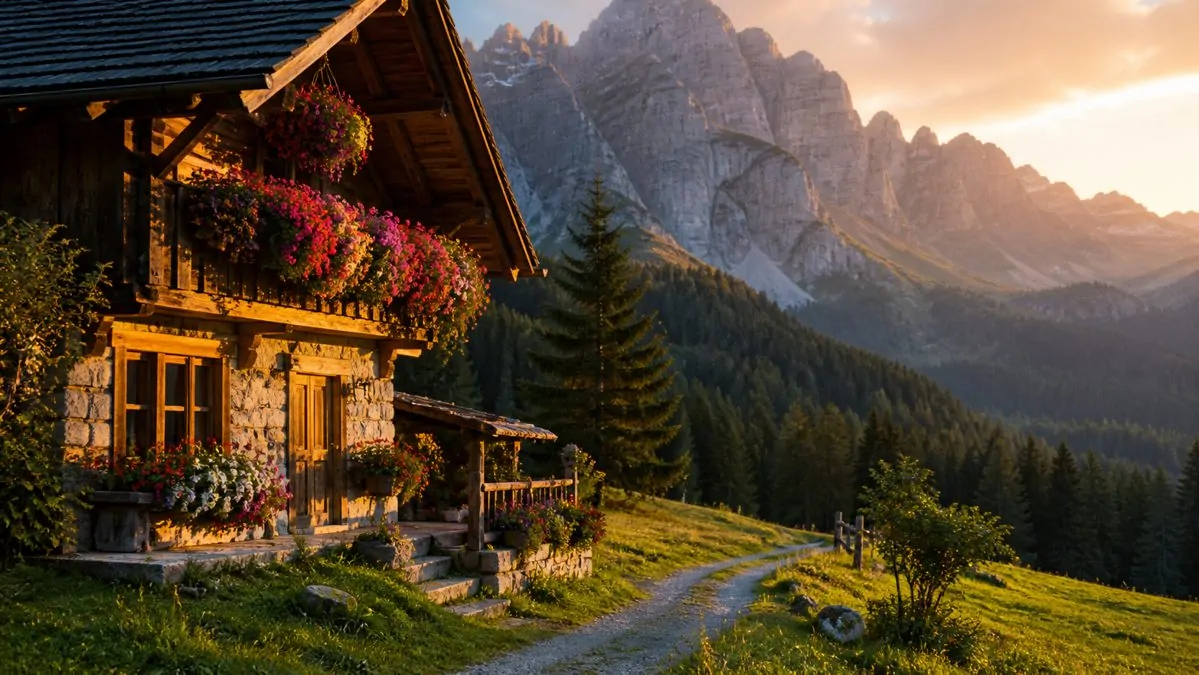
The choice of accommodation depends mainly on what you want to do there, rather than on a single destination in Savoie.
Around Lake Bourget, Aix-les-Bains is home to the majority of vacation rentals and hotels, with quick access to the beaches and train station. It's a great base for a stay that combines city life, lake activities, and day trips.
For hiking in the Beaufortain or the Vanoise, it is better to stay directly in a mountain village (Beaufort, Peisey-Nancroix) rather than in the valley, to limit car journeys before each trail departure.
Village guesthouses in the Beaufortain region are often booked several weeks in advance during July and August due to a limited number of available beds outside of ski resorts. Booking in the spring avoids being limited to valley hotels.
In summary
Savoie outside of ski season offers a complete playground between June and September: lakes to relax in, four hiking massifs with very different atmospheres, and villages that retain their character far from the crowds of the big resorts.
The choice of location is just as important as the time of year: a valley lake for a relaxing family holiday, a mountain village for hitting the trails first thing in the morning. In both cases, the budget remains more affordable than a ski holiday.
What is the best time to visit Savoie outside of skiing season?
June to September remains the most reliable window, with July-August for the great lakes and September for significantly less frequented trails.
Is it possible to visit Savoie without a car?
Chambéry and Aix-les-Bains are accessible by train and allow you to explore Lake Bourget, but the mountain villages and most hiking trails remain difficult to access without a vehicle.
How many days should I plan for a first stay in Savoie?
A week allows you to combine one or two days at the lake, two to three days of hiking in the same mountain range and a day of heritage visits, without having to make multiple trips.
Is the Vanoise National Park suitable for families?
Yes, the lower valley trails around the lakes are suitable, as they are short and not very steep. However, high-altitude traverses require mountain hiking experience.
Should you book your accommodation well in advance?
In the most sought-after mountain villages of the Beaufortain region, yes, even from spring onwards for a stay in July or August. Around Lake Bourget, the wider choice of accommodation offers more flexibility.
