
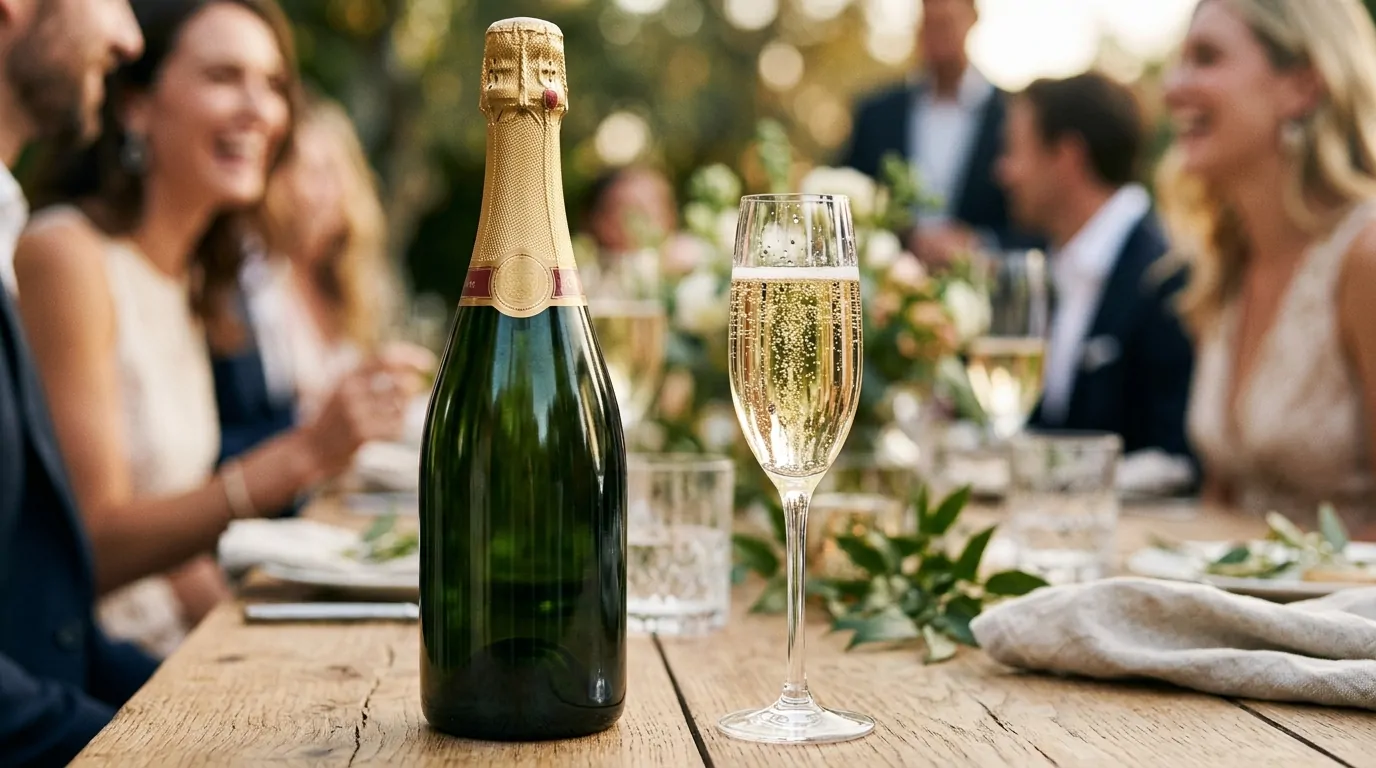
Weddings, New Year's Eve, baby showers, parties with friends… There are plenty of occasions to raise a glass. But more and more French people are choosing to do so without alcohol, by choice, by conviction, or simply because the evening calls for it. And the good news is: the days of defaulting to a glass of water or orange juice are over!
Alcohol-free sparkling wines have undergone a profound transformation. Dealcoholized crémant, sparkling wines made from noble grape varieties, traditional method sparkling wines without the intoxication… Producers are competing to offer ingenious alternatives worthy of special occasions.
Veuve Amiot is one of those houses that have taken the turn, with a range of zero-alcohol sparkling wines that sacrifice nothing in terms of elegance.
But how do you distinguish between dealcoholized and unfermented, between 0.0% and 0.5%, between grape juice and true alcohol-free wine? We'll guide you!
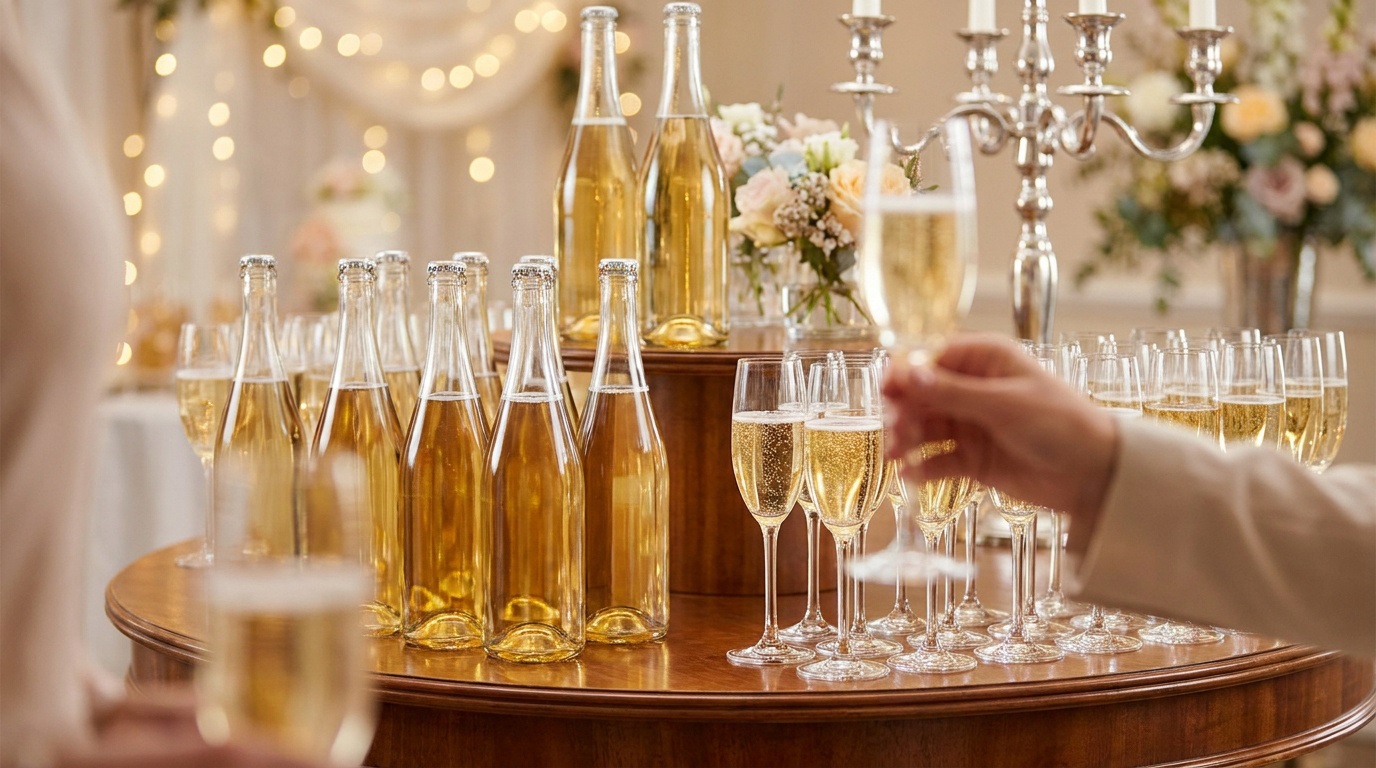
Why alcohol-free sparkling drinks transform your festive moments
The 0.0% sparkling wines are based on low-temperature vacuum distillation or reverse osmosis, preserving polyphenols without ethanol; these alternatives are distinguished from simple juices by their aromatic complexity derived from noble grape varieties such as Chardonnay.
Choosing a simpler alternative no longer means giving up sensual pleasure, quite the opposite!
Distinguishing dealcoholization from unfermented juice
Vacuum distillation allows the alcohol to evaporate at only 30 degrees Celsius. This low temperature protects the delicate aromatic molecules of the wine. It is a very high-quality technical method.
Conversely, grape juice has never undergone fermentation, so it will remain very sweet and linear on the palate.
Understanding these nuances is helpful in order to better appreciate the finesse of your glass.
Respect the protected designation of origin of Champagne
The name Champagne enjoys strict legal protection because only wines from this specific region can bear this prestigious title.
For low-calorie alternatives, legal designations are required.
Use terms like "de-alcoholic sparkling beverage" as this ensures transparency for you, the consumers, about the exact nature of the product purchased.
Pierre Zéro Signature: the elegance of a dealcoholized Chardonnay
Having understood the technique, let's focus on a reference that dominates the market with its aromatic accuracy.
This iconic vintage draws its strength from a Chardonnay from the south of France, and the result gives notes of white fruits and a beautiful minerality on the palate.
You'll find a genuine freshness carried by fine bubbles. It's the ideal choice for a chic alcohol-free aperitif, and its golden hue will fool even the most skeptical. Champagne, Crémant de Loire… alcohol-free sparkling wines are all the rage, and this bottle is proof.
Let's talk about the nutritional aspect, which is often neglected, since this wine has a very low calorie count, with only 11 kcal per 100 ml.
You can enjoy the fun of the party without the downsides of sugar or drunkenness.
Its versatility really impresses me and it adapts to all your receptions, from cocktails to dessert, so its reputation in the industry is well established!
Ôpia Effervescent: the purity of organic without fermentation
If you are looking for an even more natural approach, this organic alternative offers a radically different experience.
Discover the Ôpia range, a true invitation to serenity. It is based on a unique manufacturing process that excludes any alcoholic fermentation.
This technical feat preserves the integrity of the fruit and its precious nutrients.
This drink is part of a genuine and respectful approach to well-being :
- Strict organic certification (AB label).
- No added sulfites.
- Guaranteed alcohol content of 0.0%.
- Rich in natural antioxidants derived from grapes.
The sensory experience is remarkably smooth, so your nose will first be drawn to the green apple and pear. On the palate, the balance between acidity and sweetness provides a sensation of purity.
Champagne, Crémant… alcohol-free bubbles are in the spotlight, and Ôpia embodies this ethical commitment to a healthy drink, which will perfectly suit your most demanding diets.
Florentina Rosé: floral delicacy for your celebrations
For a touch of color and romance, turn to pink shades which often enhance weddings.
The Florentina Rosé reveals itself with a natural elegance, and its salmon-colored robe immediately catches your eye.
It's a sparkling wine that focuses entirely on the charm and subtlety of spring aromas.
You will smell aromas of raspberry and red flowers when tasting, and the bubble is persistent and dynamic, so it will bring pep to every sip during your most cherished events.
Consider it for a Sunday brunch or a baby shower. Its festive and light nature makes it a valuable asset. You'll be able to celebrate without any constraints or compromises on enjoyment.
Serve it in a wide glass. This will showcase its exceptional floral bouquet and color. Champagne, Crémant… alcohol-free sparkling wines are all the rage, and this bottle is proof.
How can we fully appreciate the finesse of these sparkling wines?
Having a good bottle is a start, but knowing how to serve it is what transforms the tasting into a memorable moment.
Mastering the serving temperature and the choice of glass
Aim for a temperature between 6 and 8 degrees Celsius , as excessive cold will mask the aromas. A drink that is too lukewarm will lose all its vibrancy.
Choose the right container.
The flute glass remains a timeless classic, as it allows one to observe the elegant rise of the bubbles.
Try the tulip glass, as its narrower shape at the top concentrates the fragrances better. You'll enjoy a more intense olfactory experience
Dare to try food and wine pairings and creative mocktails
Pair these sparkling wines with delicate dishes, such as seafood or sushi; they work wonderfully. However, avoid heavy dishes.
Champagne, Crémant… alcohol-free bubbles are in the spotlight and lend themselves to delicious creations:
- Making a non-alcoholic Mimosa with fresh orange juice.
- Creation of a Bellini with white peach puree.
- Elderflower syrup added for a floral touch.
- Using fresh raspberries as a garnish.
Get creative! Your guests will be amazed by these original alcohol-free mixes
Better understanding of labels and storage
Finally, let's shed light on the practical and health aspects surrounding these modern drinks.
Deciphering calories and specific certifications
Note the major calorie advantage. These drinks often contain three times fewer calories than a regular wine. That's a compelling reason to watch your figure without feeling deprived.
Check the labels on the tag.
The Vegan logo guarantees the absence of animal gelatin during the bonding process.
Halal certification guarantees a total absence of ethanol.
These guarantees allow you to consume with complete peace of mind, whatever your principles or specific dietary needs.
Managing the fizz after opening and consumption during pregnancy
Let's address the issue of pregnancy.
Opt for products marked 0.0%, because although the 0.5% threshold is legal, caution is still advised for expectant mothers.
Preserve your bubbles effectively. Use a high-quality, airtight stopper. Never leave the bottle open and exposed to air for too long. Place it in the refrigerator immediately after serving.
Act quickly, because the fizz will fade within forty-eight hours despite your precautions.
Choosing these alcohol-free sparkling drinks will guarantee you the lightness of a serene celebration, combining aromatic finesse and well-being.
To fully enjoy these alcohol-free bubbles, serve them very chilled between 6 and 8°C in an elegant flute. Celebrate every precious moment now with this newfound clarity of mind.
Practical questions
How do you remove the alcohol from sparkling wine?
To create these delicate bubbles, gentle methods are generally used, such as low-temperature vacuum distillation or membrane techniques like reverse osmosis. The idea is to separate the ethanol from the wine while taking care not to damage the fragile aromatic molecules.
Thanks to these technical processes, it is possible to recover the volatile fractions and then reintroduce them into the beverage. This allows the wine to retain all the complexity and structure of a traditional wine, but without the effects of alcohol.
What is the difference between regular grape juice and dealcoholized wine?
Grape juice is a simple product, obtained by directly pressing the fruit, which retains all its natural sugar without ever fermenting. In contrast, dealcoholized wine has undergone a true transformation: it is first vinified using traditional methods, allowing the yeasts to develop complex aromas of flowers or spices, before the alcohol is removed.
This distinction is essential for your palate. Where juice offers a linear sweetness, dealcoholized wine offers a deeper structure, with a beautiful acidity and much richer aromatic nuances.
Can we legally talk about alcohol-free Champagne?
It's important to know that the Champagne appellation is protected and reserved exclusively for wines from this French region. Therefore, you won't find "alcohol-free Champagne" on labels, as the regulations are very strict.
For your celebrations, choose drinks bearing the legal designations "de-alcoholized sparkling wine" or "de-alcoholized effervescent beverage." These designations guarantee complete transparency regarding the origin and production method of your bottle.
Are these bubbles really less caloric than the classic versions?
Yes, and that's one of the great benefits of these alternatives. Generally speaking, a non-alcoholic sparkling wine contains about 70% fewer calories than a traditional brut champagne. Some very pure cuvées even have only 10 kcal per 100 ml.
It's a wonderful option if you want to watch your figure while still enjoying a glass during a celebration. You can thus enjoy the lightness of the moment without any frustration.
How long can you keep a bottle after opening it?
Once the cork is removed, the effervescence of these drinks is more fleeting than that of fortified wines. I recommend consuming them within 3 to 5 days, making sure to use a good quality, airtight stopper to preserve the bubbles.
Remember to immediately return your bottle to the refrigerator after serving. Chilling helps maintain the vibrancy of the aromas, but don't wait too long: the fineness of the bubbles naturally diminishes after forty-eight hours.
Are these drinks suitable for pregnant women?
Caution is always advised during this very special time in life. While the law allows a limit of up to 0.5% for dealcoholized products, I suggest you choose those with 0.0% alcohol for complete peace of mind.
Brands like Ôpia or Le Petit Étoilé, which undergo no fermentation, are particularly suitable. Don't hesitate to consult your doctor to enjoy these festive moments with complete confidence.
