
In short
A musty smell coming from the drum, a blackened seal or laundry that comes out dull: these signs do not lie.
Cleaning a washing machine is not simply a matter of repeating the same steps on all areas. The drum, the seal, the detergent dispenser, and the filter all get dirty differently and require different products and cleaning frequencies.
This article details the routine zone by zone and proposes a method to identify the right solution according to the observed symptom, rather than a list of steps to follow blindly.
Washing machine cleaning: how often for each zone?
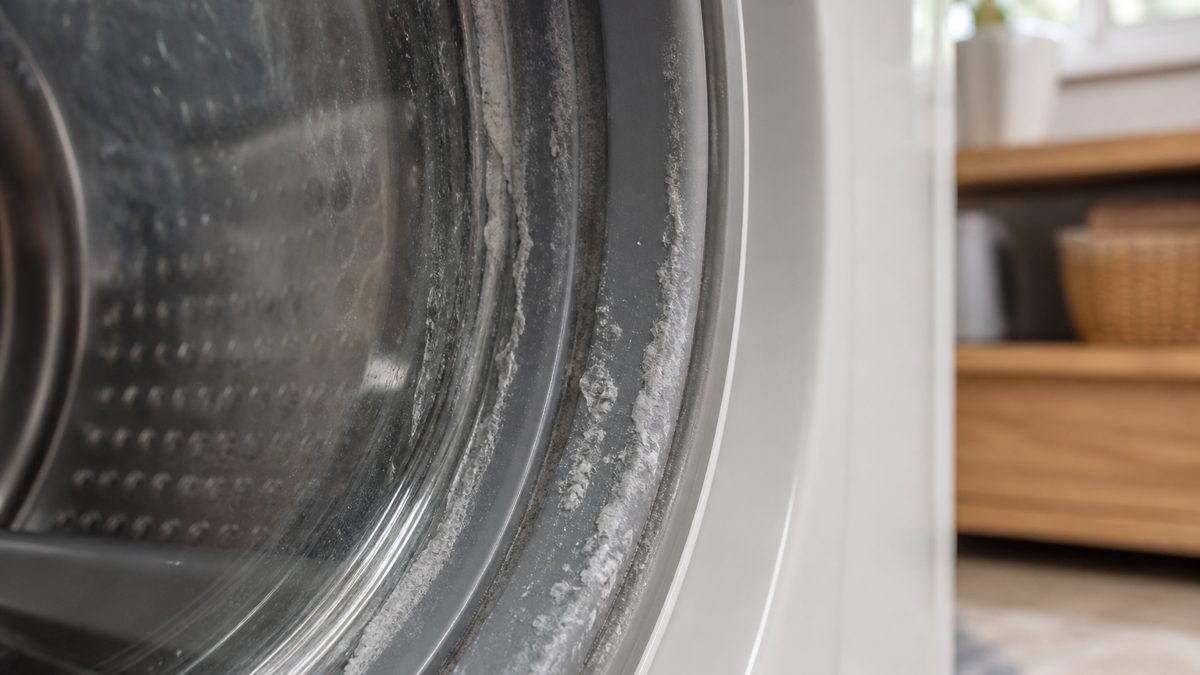
A washing machine does not get dirty at the same rate everywhere. The drum accumulates detergent residue and limescale over the course of washes, while the door seal remains constantly damp between cycles, making it an ideal breeding ground for mold.
According to recommendations from ADEME (theFrench Agency for Ecological Transition) on washing machine maintenance, a reasonable schedule involves cleaning the door seal, detergent dispenser drawer, and drain filter once a month, while also running an empty cycle at a high temperature (60 to 90°C) for the drum at the same frequency. This interval can be extended to every 2-3 months for households that use their machine infrequently or have soft water.
These frequencies are indicative only. Some recent models include a dedicated "drum cleaning" program: the manufacturer's instructions always take precedence over a general rule.
The frequency also depends on the hardness of the tap water, a factor that many guides overlook. In regions with very hard water, such as Hauts-de-France, where the average hardness exceeds 30°f, limescale accumulates significantly faster than in a soft water area like Brittany (5 to 15°f).
In practical terms, just a few millimeters of limescale deposited on the heating element can significantly increase the appliance's energy consumption, a well-documented phenomenon affecting electric heating elements in general. In areas with very hard water, the lack of regular descaling can also considerably reduce the appliance's lifespan.
A family living near Lille, in a hard water area, would benefit from descaling their washing machine monthly rather than quarterly. Conversely, a household in Brittany can often extend the time between descaling without any particular risk, provided they continue to regularly clean the seal and detergent dispenser drawer.
Drum, washing machine drawer and filter: the white vinegar routine step by step
To degrease the drum, pour 250 ml to 1 litre of white vinegar directly into it, optionally add a cup of baking soda, then run a 90°C cycle without laundry.
Then leave the door open for a good hour to allow the moisture to completely evaporate before closing the machine.
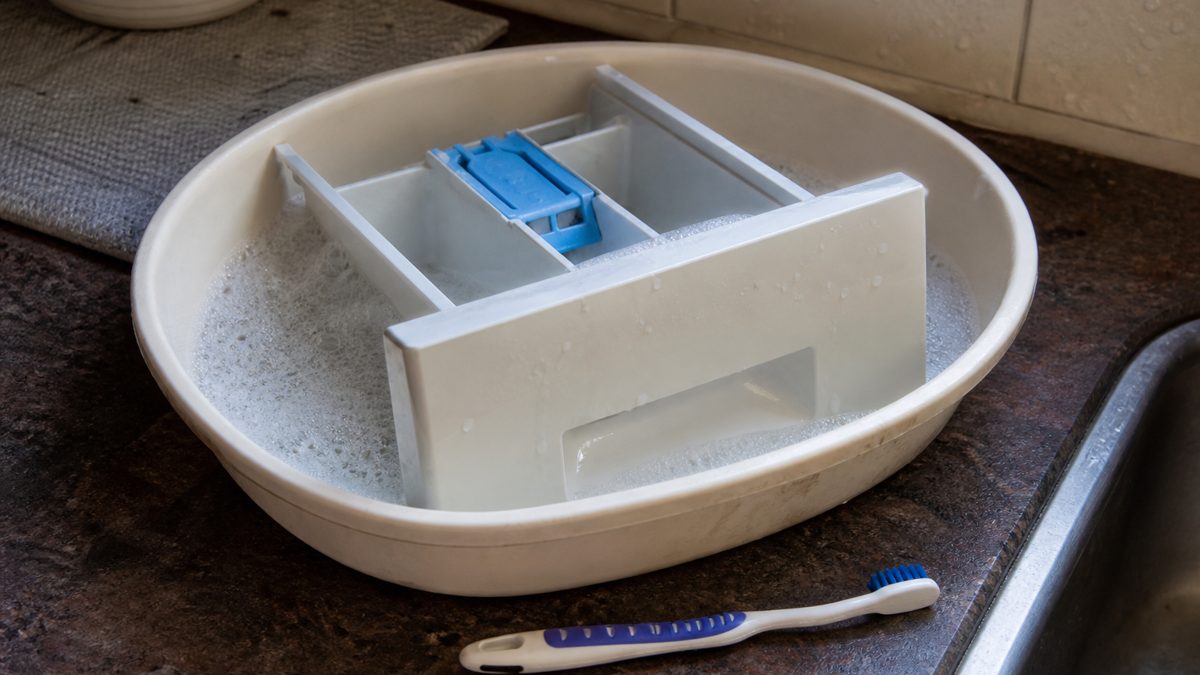
- Remove the laundry tub and soak it in a mixture of hot water and Marseille soap
- Brush the corners with an old toothbrush to dislodge any ingrained deposits
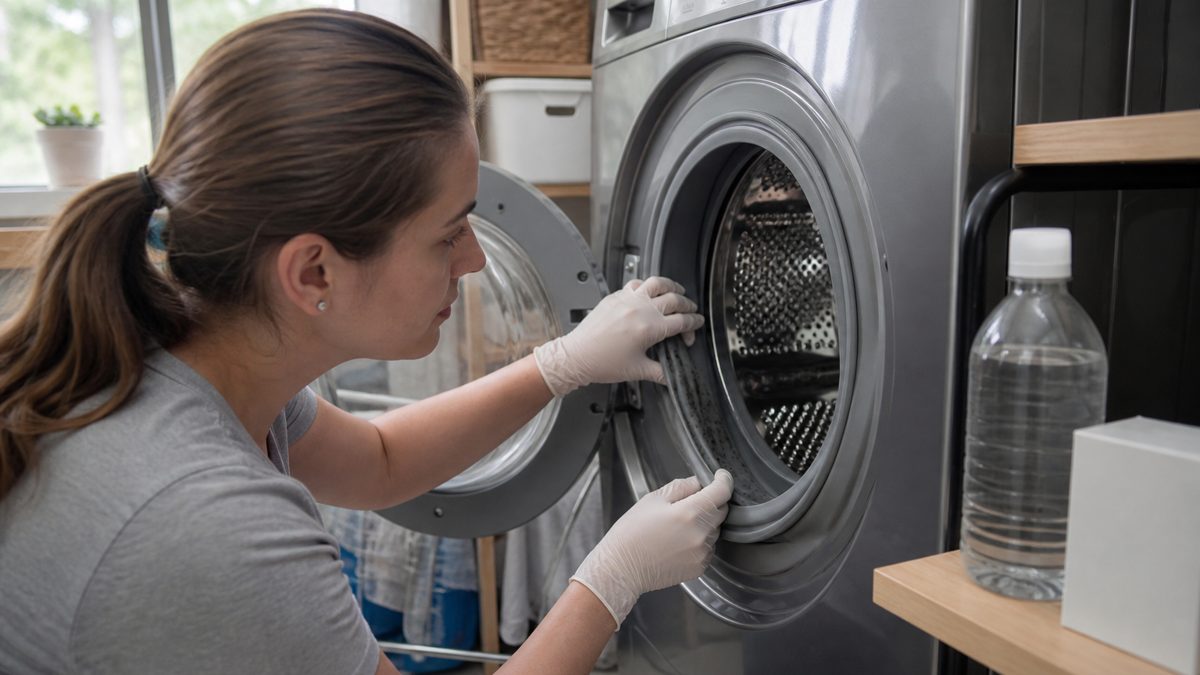
- Clean the rubber seal with a damp cloth and a little white vinegar, being careful not to rub too hard into the folds
- Open the drain filter (usually at the bottom front) over a basin to collect the residual water
- Rinse the filter with warm water and remove any small objects or lint that have accumulated before putting it back in place
For a quick maintenance between two major cleanings, a dishwasher tablet slipped into the drum and run through an empty 60°C cycle also does the trick.
On the Que Choisir forum dedicated to white vinegar in the washing machine, a user testifies to using it regularly in the rinse water for several years, without any damage observed on his machine.
Monthly use of 8° white vinegar remains safe, but a higher concentration (14°) or very frequent use can eventually weaken rubber seals, according to details provided by Reparoo on the effectiveness of white vinegar.
In terms of budget, white vinegar costs a few cents per cycle. Commercially available limescale removal tablets generally cost between €0.10 and over €0.30 per use, depending on the brand – a minimal expense compared to the €130 to €250 that a technician typically charges to replace a limescale-encrusted heating element.
- Cost virtually zero, products already present in most kitchens
- Effective on odors, light limescale and laundry detergent residue
- No chemical residue in the drum
- More expensive to use over time
- The formulation is sometimes more aggressive on fragile joints
- Targeted action primarily on limescale, less so on odors
Odor, dull drum, blackened seal: each symptom has its solution
Rather than following the same list of steps each time, it is often faster to start with the observed symptom and directly target the right action.
| Symptom | Probable cause | Solution |
|---|---|---|
| Musty smell upon opening | Stagnant moisture in the joint and the tray | Dry the seal after each wash, monthly vinegar cycle |
| Dull drum, white deposits | Limescale accumulated on the walls and resistance | A 90°C cycle with white vinegar is more common in hard water areas |
| Black stains on the seal | Mold established in the folds of the rubber | Scrub with vinegar, door left open after use |
| Laundry detergent that no longer dissolves properly | Dirty or limescale-encrusted laundry drawer | Disassemble and soak the tray in hot soapy water |
What maintenance is required for your washing machine?
Select the observed symptom:
Things you should never do when cleaning a washing machine
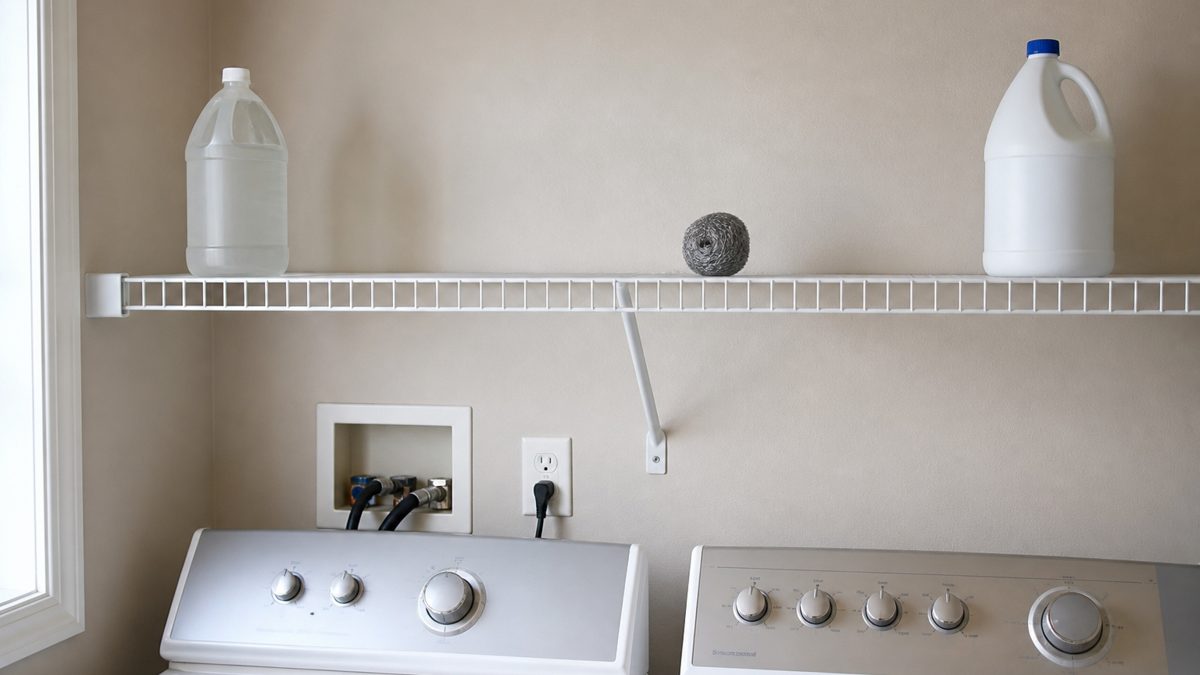
Some reflexes, though widespread, damage the machine instead of maintaining it.
Never mix white vinegar and bleach in the drum: the chemical reaction releases toxic chlorine fumes, which are dangerous to breathe in an enclosed space.
Also avoid using steel wool, abrasive sponges, or spraying water directly onto the window and electronic control panel. These actions can scratch the surfaces or damage the electrical components.
Finally, an occasional empty cycle does not replace the maintenance of the detergent dispenser drawer and filter. Many users only clean the drum and allow these two areas to become clogged, even though they are often the source of persistent odors.
In summary
Cleaning a washing machine effectively requires regularity rather than a major one-off cleaning: a seal and tub maintained monthly will prevent most unpleasant surprises.
The ideal frequency also depends on the context of each household, in particular the hardness of the tap water, a criterion too often ignored even though it concretely changes the descaling schedule required.
If in doubt about a specific symptom, it is best to refer to the manufacturer's instructions before applying a tip found online, however widespread it may be.
Practical questions
How do I clean an empty washing machine?
Pour 250 ml to 1 liter of white vinegar directly into the empty drum, without any laundry, then run the hottest program on your machine (usually 90°C). Leave the door open afterward to allow the moisture to escape.
What is a grandmother's remedy for cleaning a washing machine?
The duo of white vinegar and baking soda remains the standard: vinegar dissolves limescale and neutralizes odors, while baking soda helps to loosen residues embedded in the drum.
Where should I put white vinegar to clean my washing machine?
Pour it directly into the drum for an empty descaling cycle, or into the fabric softener compartment if you simply want to add it at the end of a normal wash cycle.
How do I clean a smelly washing machine?
The smell almost always comes from the door seal or the detergent drawer, not just the drum. Clean all three at the same time (vinegar cycle for the drum, brushing the door seal, soaking the drawer), then leave the machine open between washes.
