
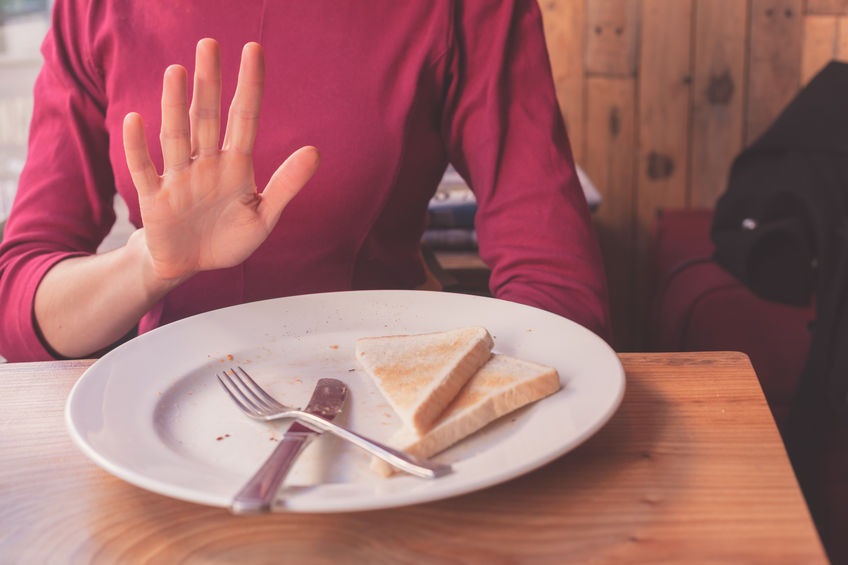
Gluten-free desserts are attracting more and more cooking enthusiasts. Whether they are intolerant, curious, or looking for something new, this way of cooking is lighter and just as delicious.
Between alternative flours and cooking tips, the possibilities available to you are almost endless…
Want to know more? Then discover these tips that will transform your gluten-free desserts into truly delicious treats!
Choosing the right ingredients
The success of a gluten-free dessert depends mainly on the combination of appropriate ingredients.
There are several interesting alternatives to wheat flour such as rice flour, almond flour or chestnut flour, and it goes without saying that the choice of flour will influence both the texture and the taste of the dessert.
For your baking recipes, almond flour is ideal for an irresistibly soft texture, while rice flour adds a touch of finesse. As for chestnut flour, it lends a more natural flavor to the dish.
The different types of starch
| Starch | Texture | Taste | Best use | Benefits | Disadvantages |
|---|---|---|---|---|---|
| Potato starch | Lightweight, airy | Neutral | Pastries, sauces, bread | Excellent binding, soft texture | May become sticky if used too much |
| Cornstarch (Maizena) | Thin, smooth | Very neutral | Sauces, creams, glazes | Thickens quickly, economical | Texture sometimes "slimy" |
| Tapioca starch | Elastic, soft | Slightly sweet | Bread, soft pastries, bubble tea | It provides softness and elasticity | Maybe too sticky on its own |
| Arrowroot | Very fine, silky | Neutral | Delicate sauces, biscuits | Easy to digest, transparent when cooked | More expensive, less accessible |
| Cassava starch | Dense, consistent | Neutral | Flatbread, galettes, pastries | Versatile, firm texture | Can be heavy |
| Rice starch | Light, thin | Soft | Tempura, Asian pastries | Crispy texture when fried | Less binding power |
To bind all the mixtures together, you can use cornstarch or potato starch. This ingredient will act as gluten and help the dough hold its shape.
My advice for each use
- For pastries : Mix several starches (e.g., 40% potato + 30% tapioca + 30% rice) for a better result.
- To thicken sauces : Cornstarch and arrowroot are the most effective
- For bread : Combine potato starch and tapioca for a soft and elastic texture. A good gluten-free loaf will easily keep for several days.
- General ratio : Replace 1 cup of wheat flour with ¾ cup of cornstarch (adjust according to the recipe)
Fats play an essential role in providing texture and flavor.

To add a touch of originality to your dessert, opt for coconut oil or hazelnut puree instead of butter. As for white sugar, it can be replaced with honey or maple syrup.
Modernizing the classics
Making a gluten-free dessert doesn't mean giving up your favorite treats. With a few adjustments, you can adapt a traditional recipe to suit your tastes.
Traditional recipes such as madeleines or chocolate chip cookies, for example, can be prepared with a small amount of cornflour for lightness.
To make a chocolate cake, for example, you can replace wheat flour with a mixture of almond flour and cornstarch. With its slightly sweet taste, almond flour enhances the flavor of the cocoa.
For a tart, simply prepare a shortcrust pastry made from rice flour and cornflour to obtain a crispy and golden tart.
By varying the flours, sugars and fats, you will discover new and unique flavors!
Adjust the cooking time according to the dessert
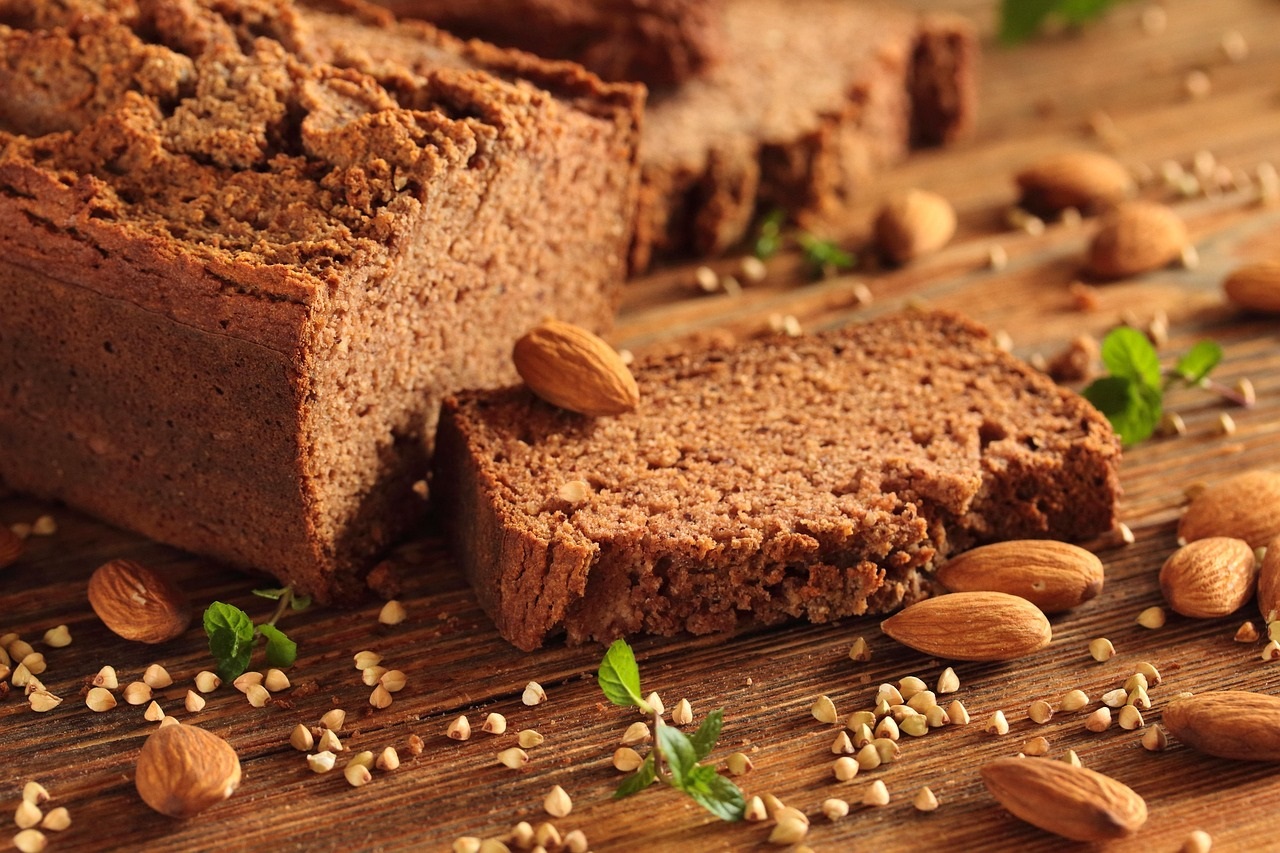
In gluten-free preparations, desserts require special attention. The absence of gluten makes doughs fragile and sensitive to heat.
When the baking time is incorrect, it can make the pastry crumbly. The goal is to find the right balance between firmness and softness.
One of the secrets to a gluten-free dessert is slower, more controlled cooking. Gluten-free doughs tend to brown more quickly while remaining quite tender inside.
To achieve a smooth texture, a gentler baking temperature of 160-170°C is necessary. Furthermore, to facilitate unmolding, use a silicone mold or one lined with parchment paper.
It is also recommended to let desserts cool to room temperature. This helps stabilize the texture and prevents the cake from crumbling.
Finally, making a successful gluten-free dessert means combining creativity, balance and pleasure, while choosing good products that will preserve your health!
