
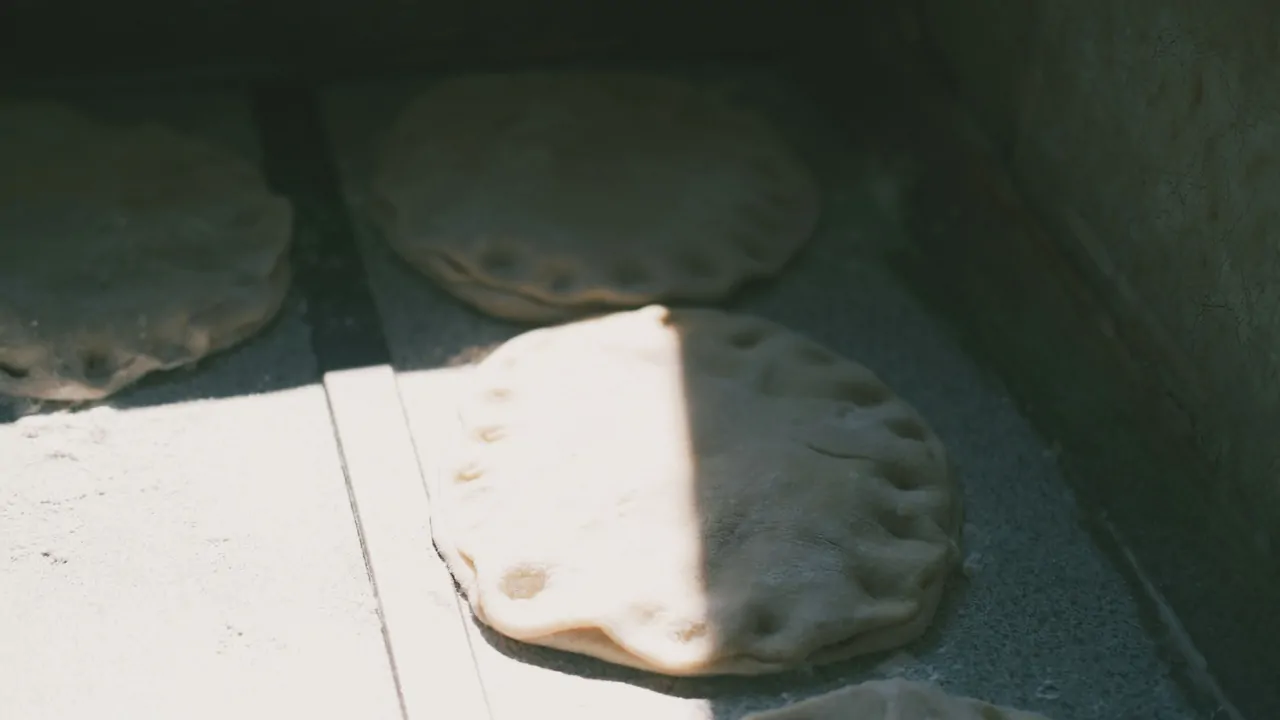
Why do so many people fail at making homemade pastries?
Making a beautiful tart, a perfectly baked chocolate cake, or golden madeleines seems simple… but the result is often disappointing. Baking at home requires precision, a bit of technique, and above all, a few good habits.
Fortunately, you don't need a professional qualification to improve your skills. By understanding what the pros do differently, you can progress quickly and transform your homemade recipes into true chef-quality desserts.
Here are the most common mistakes to avoid and step-by-step recipes for practice.
The 5 most common mistakes in homemade baking
Rush the steps
This is the most common mistake: wanting to go too fast. Dough not rested enough, cream not cooled, meringue whipped too early… Every step counts in pastry making, and time is your ally.
Respecting resting and pausing times allows textures to form, flavors to develop, and cooking to be controlled.
To measure or weigh incorrectly
Baking doesn't tolerate imprecision. A little more flour, a level or heaped spoonful? It's often the details that ruin a recipe.
Investing in accurate scales is the first step towards consistent results. Avoid "rough" recipes: precise measurements are key.
Neglecting the temperature of the ingredients
Using butter that is too hard, cold eggs, or hot milk can disrupt a dough or emulsion. Ingredients should be at room temperatureunless otherwise specified.
This detail changes the texture of a mixture and the stability of many preparations such as ganaches or sponge cakes.
Using an improperly calibrated oven
Every oven is different. A thermostat setting of 180°C can vary by 15 to 20°C depending on the model. If your cakes are browning too quickly or not rising, this might be the problem.
Use an oven thermometer, test several cooking positions, and learn to monitor your preparations carefully.
Follow approximate recipes
The internet is full of tempting recipes… but they aren't always reliable. Poorly written or overly simplified recipes are often the cause of failure.
Opt for recipes from reliable sources, or better yet, take a structured course with professionals. Platforms like VoilàChef allow you to learn how to reproduce the precise techniques of real pastry chefs.
The basics you need to master to bake like a chef
Before embarking on complex entremets, it is essential to master the fundamentals: a good pastry, a successful cream, a light and airy biscuit. These are the pillars of pastry making.
You will also need to consult practical guides that may be useful, such as measurement conversion charts or a size guide for baking tins, etc.
Carefully working with your pastry (shortcrust, shortbread, puff pastry), understanding the differences between a whipped ganache and a simple cream, or mastering the cooking through of a soft cake, changes everything.
3 recipes to progress step by step
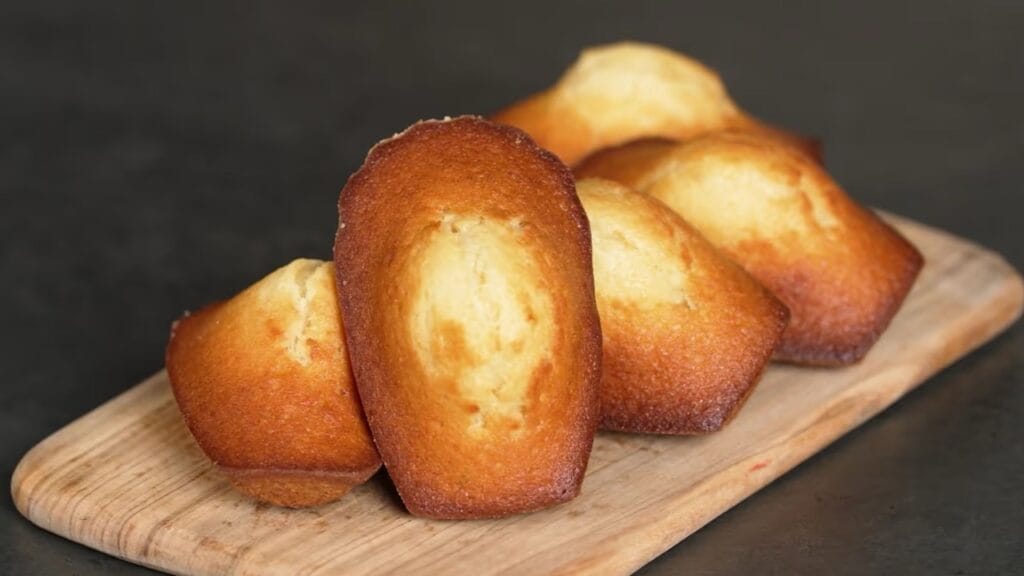
Honey lemon madeleines
This is a simple recipe, but it requires precision. Mix 2 eggs with 60g of honey, 50g of neutral oil, and the zest of one lemon. Add 150g of flour and a teaspoon of baking powder. Let it rest for 30 minutes, then bake at 180°C (350°F).
The result: soft and fragrant madeleines , perfect for practicing working with batters and measuring flavors.
Chocolate fondant tart
Prepare a homemade shortcrust pastry and blind bake it. Melt 200g of dark chocolate with 100ml of cream and two eggs. Pour over the pastry and bake at 160°C for 12 minutes.
The texture should remain melt-in-your-mouth at the center, with a slight contrast between the crust and the filling. Ideal for practicing baking techniques and the balance of sugar and chocolate.
Sweet shortcrust pastry
Mix together 250g of flour, 100g of butter, 80g of icing sugar, one egg, and a pinch of salt. Quickly work the dough without overheating it. Wrap in cling film and let it rest in the refrigerator for one hour.
This is the base for many tarts. It is worked with care and requires careful management of resting and baking times.
Conclusion
Home baking becomes a pleasure when you understand the rules. It's not a question of talent, but of method and precision. By avoiding common mistakes and practicing the basics, you'll progress quickly.
And if you want to go further, follow the advice of passionate chefs and learn at your own pace, the VoilàChef platform is an invaluable resource. There you'll find accessible courses, clearly explained techniques, and recipes tested by professionals.
A good homemade dessert isn't magic. It's just a little bit of science, patience... and a lot of fun.