
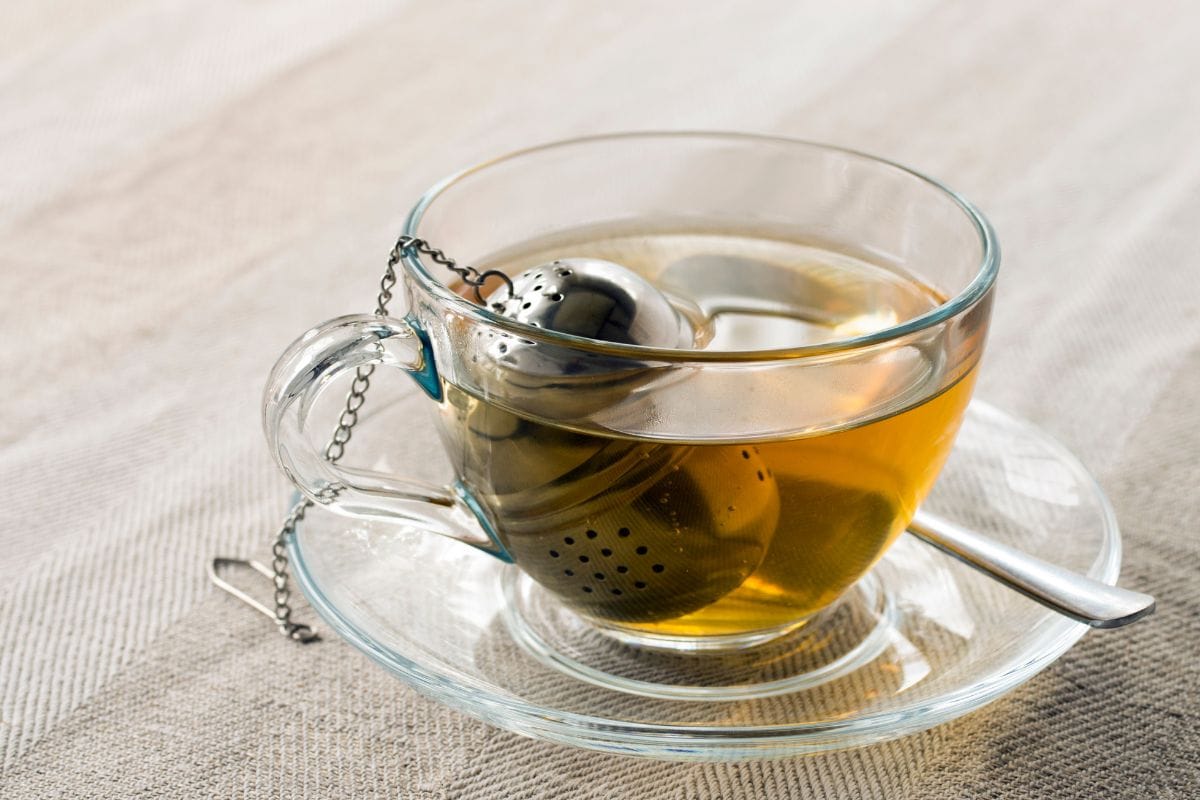
The infusions are made with local, organic plants, processed through cutting, sifting, cleaning, and blending before packaging. This process includes up to 25 quality checks to guarantee purity. To choose a quality infusion, opt for those sourced from short supply chains and certified organic, even if they may be more expensive, costing between 2 and 5 euros per box.
Infusion production in France
French herbal teas begin with the selection of local plants, often organically grown, to guarantee intense aromas and clear traceability. Producers work with French growers, which reduces transportation and supports the local economy.
This approach can be found in brands like Pagès, which you can see by clicking here.
This brand collaborates directly with regional producers.
You can opt for certified organic and made-in-France boxes to support these sectors.
After harvesting, the plants are stored under controlled conditions to preserve their essential oils and flavors. Producers take care to maintain the correct temperature and humidity to prevent the plants from deteriorating. If you are storing dried plants yourself, keep them in an airtight container away from light to prolong their quality.
Cleaning, cutting and sieving
The preparation steps include cleaning, chopping, and sifting the herbs. These operations remove impurities and calibrate the pieces for a consistent infusion.
In workshops or factories like the one in Bons-en-Chablais, sophisticated machines perform these tasks while preserving the aromatic quality. At home, you can finely chop your dried herbs to create a more flavorful infusion.
Sieving ensures a consistent particle size, essential for packaging in bags or in bulk. This precision prevents unbalanced flavors and guarantees the gradual release of aromas during infusion.
Rigorous quality controls
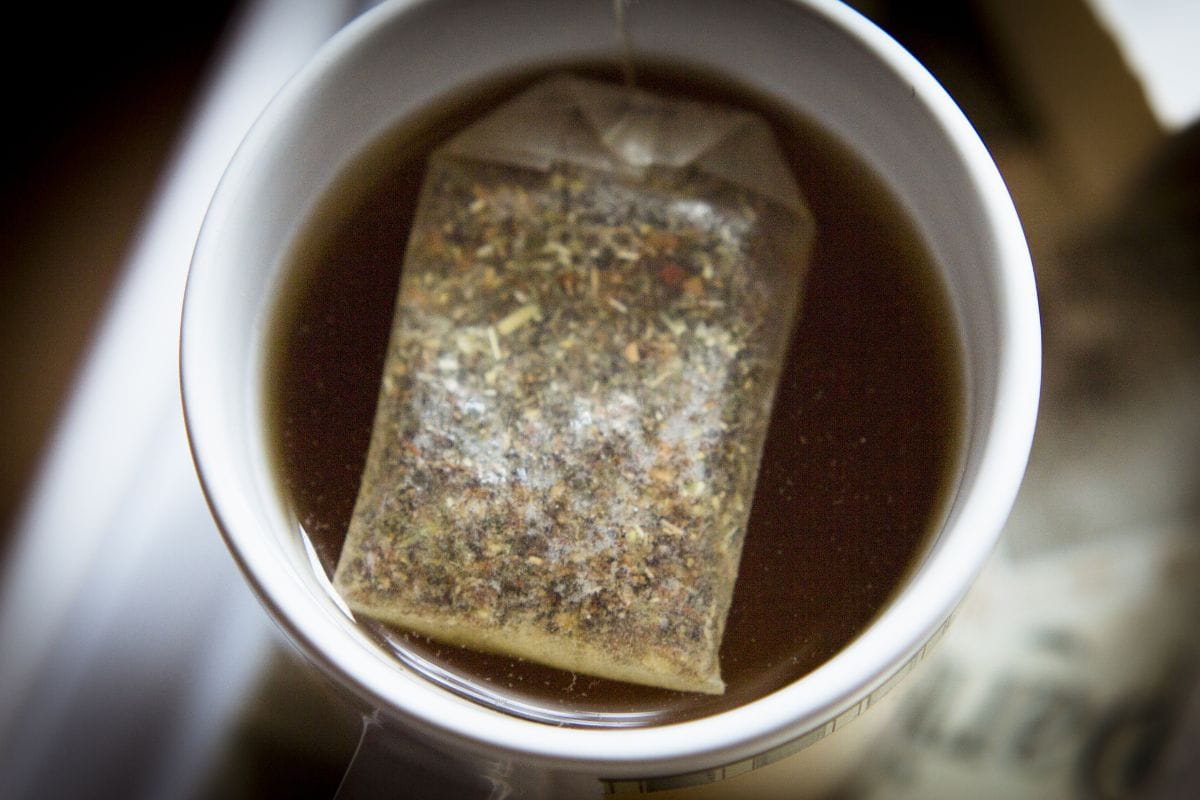
Quality control remains central to French manufacturing, with up to 25 different checks carried out at some sites. These checks cover the absence of pesticides, botanical purity, and aromatic stability.
The machines analyze the color, size, and presence of foreign bodies to ensure a safe product. For consumers, choosing organic or French-made brands guarantees controlled quality, even if the price may be slightly higher, between 3 and 5 euros for premium infusions.
Assembly and packaging
The cleaned and sifted plants are blended into balanced recipes. Producers meticulously choose the proportions to guarantee harmonious and consistent flavors . The blending process often follows traditional recipes, particularly in regions like Auvergne, where expertise has been passed down through generations.
Once blended, the infusions are packaged in sachets, often compostable or made of plant fibers. Pagès, for example, offers sachets without plastic or artificial flavorings, promoting 100% recyclable packaging.
When buying, check the composition of the bags to reduce your environmental impact and prefer brands that communicate about their materials.
Companies and know-how
In France, companies like Biohême or Pagès stand out for their local and sustainable approach.
Biohême, near Nantes, manufactures locally using organic plants, thus limiting its carbon footprint. Pagès, founded in 1859 in Le Puy-en-Velay, draws on an ancient herbalist heritage and offers recipes inspired by medicinal traditions.
To choose the right infusion, read the label, look for the organic label and check the origin of the plants.
You can also compare prices: a basic bag costs around 0.04 euros while a premium product costs around 0.20 euros per bag.
| Stage | Description | Advice for your home |
|---|---|---|
| Plant selection | Local plants, often organic, sourced from short supply chains | Choose organic and local brands for quality |
| Storage | Controlled conditions to preserve aromas and purity | Store in airtight jars away from light |
| Cleaning and sieving | Removal of impurities, precise calibration | Finely chop your herbs for a better infusion |
| Quality controls | Up to 25 checks to guarantee purity and safety | Choose certified organic brands |
| Assembly and packaging | Mix of recipes, compostable or recyclable bags | Check the packaging before purchasing |
Tradition and innovations
France blends tradition and modernity. In Auvergne, Pagès perpetuates recipes passed down for centuries, using renowned medicinal plants. Other companies innovate with gourmet or functional recipes (for digestion, sleep), while guaranteeing high quality standards.
This alliance between local tradition and technology explains the success of French herbal teas, with rising sales and a market attentive to quality. By choosing these products, you support sustainable local agriculture and enjoy a more authentic taste experience.
Frequently Asked Questions (FAQ)
How can you tell if an infusion is made in France?
Check the label: look for the words "made in France" or "French plants" and favour organic or local labels.
Why do organic herbal teas cost more?
Organic farming requires stricter controls and cultivation without chemicals. This supports the environment and offers more natural flavors, justifying a price of between 3 and 5 euros per box.
Can you make your own herbal teas?
Yes, harvest or buy organic herbs, dry them in the shade, and store them in an airtight jar. Chop them finely before brewing to release all the aromas.