
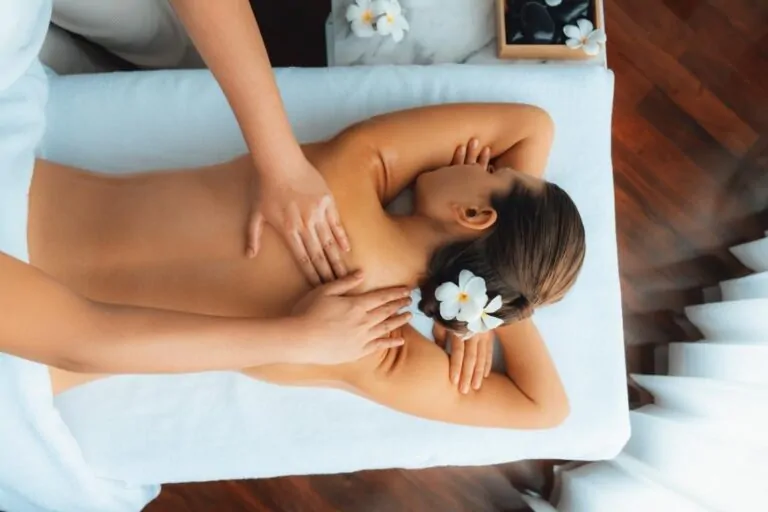
Many people confuse a day off with real recovery, when they are not the same thing.
An afternoon without obligations only briefly interrupts the daily routine, while deep recovery requires more time to allow the body and nervous system to truly slow down.
It is precisely on this principle that the idea of a planned wellness stay is based, during which several days are deliberately left free, without a fixed program.
When preparing for such a trip, it is necessary to detach oneself from the outset from the idea that one absolutely must see or experience as much as possible.
For French-speaking travellers looking for a destination on the other side of the border, the invitation is simple, like for example when you come to enjoy a spa hotel in Germany, while applying the same principle to the organisation of the trip.
Deliberately schedule periods of free time rather than turning relaxation into an additional activity to be integrated into an already busy schedule.
What the body actually does at rest
Physiologically, much more happens during a true rest phase than can be observed from the outside.
The heart rate slows, breathing becomes deeper and more regular, while the autonomic nervous system gradually shifts from a state of tension to a calmer, more regenerative mode.
However, this process is not immediate. It generally takes several consecutive days before a noticeable difference is felt compared to daily life.
This is also why short wellness weekends often have less lasting effects than a longer stay, and on the first day, the mind usually remains occupied with tasks and concerns left at home.
It is often only from the second or third day that a true inner peace begins to settle in, and this can then continue beyond the holidays.
The effects of heat and water therapy
Sauna sessions and thermal treatments are among the oldest, but also the most effective, forms of relaxation because the heat relaxes muscles, dilates blood vessels and stimulates circulation.
These effects often result immediately in a feeling of lightness. Alternating between hot and cooler periods, as practiced in classic sauna rituals, can further enhance this sensation.
The nervous system also benefits from this alternation, since the repetition of stimuli caused by heat and cold can gradually lead to the body's ability to adapt.
This effect therefore goes beyond the simple feeling of well-being felt during the session.
The rest periods between different treatments also play a more important role than many clients realize.
Moving directly from one activity to another without planning a break deprives the body of the time it needs to fully assimilate the relaxing effects, instead of only experiencing them superficially.
The order in which treatments are performed can also influence their intensity.
Starting the day with warmer applications, then favoring calmer and cooler phases at the end of the day, helps many travelers make the transition to restful sleep more easily.
A digital break to recover better
In addition to physical relaxation, the voluntary renunciation of digital stimuli now occupies an increasing place in wellness stays.
Being constantly reachable by phone or email often prevents the occurrence of the true rest phases necessary for recovery, even when the body is already physically relaxed.
People who decide to voluntarily stay offline for several days usually notice a difference after a short time, without needing any particular explanation.
Many travellers find that simply putting away their phone for a few hours each day significantly improves their well-being, regardless of the treatments booked.
