
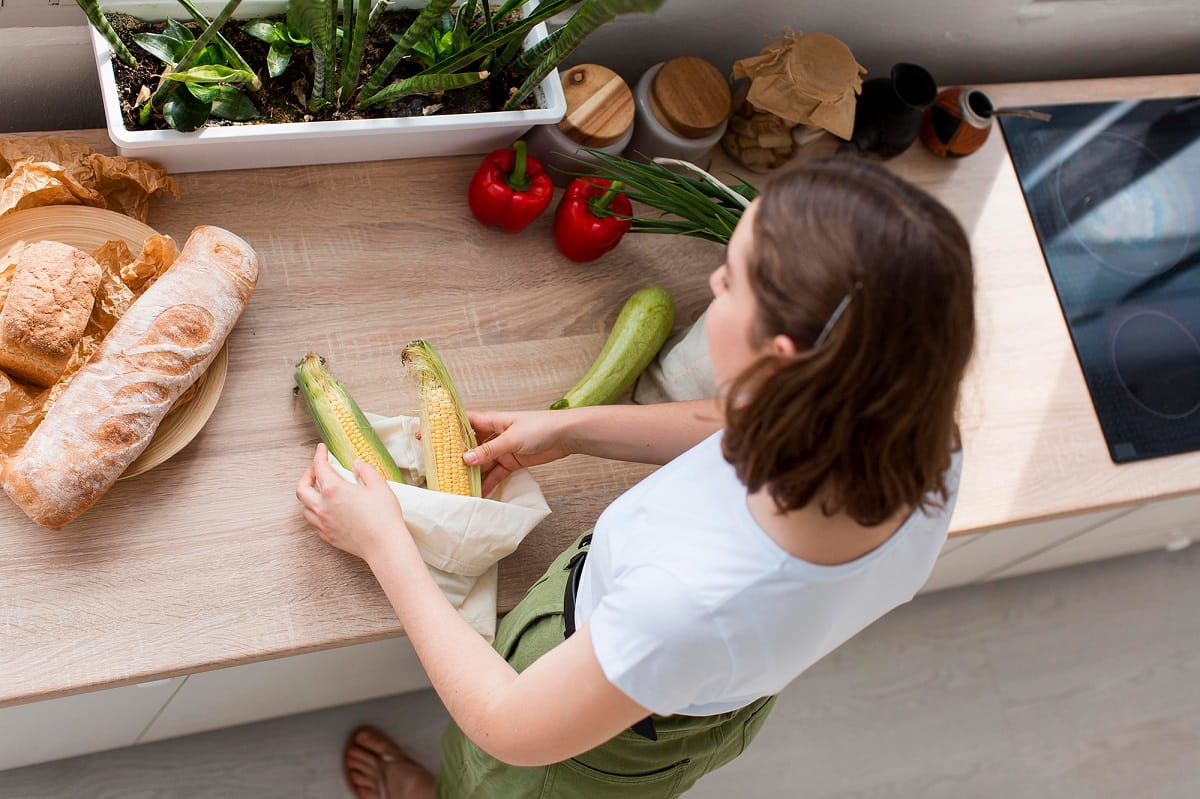
Between work, family, and the countless obligations of daily life, cooking often becomes a race against time. You come home exhausted in the evening, and then the dreaded question arises: "What's for dinner?" The stress mounts. You rummage through the fridge for inspiration... and end up ordering a pizza.
Does this sound familiar? You're not alone. Fortunately, a few simple adjustments to your routine can transform your relationship with cooking. Here are five tips that will save you precious time while rediscovering the joy of cooking.
follow the leader
Tip #1 – Plan your menus in advance
Let's focus on a simple fact: improvising every night wastes your time and energy. The solution? Fifteen minutes on Sunday is all it takes to plan your meals for the week.
Take a notebook or use your phone. Write down your meals day by day, taking your schedule into account. Tuesday evening, the kids have football? Plan a quick meal. Friday, you're having friends over? Think about something more elaborate but that you can partially prepare in advance.
This planning has a huge advantage: your shopping becomes targeted and efficient. No more trips back and forth to the supermarket because you're missing an ingredient! Always keep two or three backup recipes in mind (pasta with pesto, vegetable omelet, fried rice) for unexpected situations.
Tip #2 – Master the art of meal prep
Meal prep isn't necessarily about spending your Sunday cooking like a chef. It's more about intelligently preparing certain basic elements that will be used throughout the week.
Dedicate an hour on the weekend to a few simple tasks. Wash and chop your vegetables, cook a large quantity of rice or quinoa, and prepare a homemade salad dressing. These simple actions will save you 10 to 15 minutes each evening (and that's huge when you add it up!).
Organizing your fridge is crucial. Use airtight, transparent containers and label them with the preparation date. Chopped vegetables will keep for 3 to 4 days, and cooked grains will last a week. Your freezer can also be your best friend: portions of tomato sauce, chopped herbs in ice cube trays, homemade broths.
Tip #3 – Optimize your workspace
Does your kitchen look like a battlefield after every meal? That's a sign that your organization needs improvement. The golden rule: put things away as you go to avoid a pile of dirty dishes.
Create logical zones in your kitchen. One area dedicated to food preparation (near the sink for rinsing), another for cooking (near the stovetop), and a finishing area for plating. This organization streamlines your movements and reduces the need to walk around.
Keep your essential utensils within easy reach: a good knife, a cutting board, a spatula, a wooden spoon. Choosing the right utensils can really make life easier, and for those who want to learn more about kitchen equipment, resources like aide-en-cuisine.fr can be very helpful in making the right choices.
Lighting matters too! A poorly lit work surface slows everything down. Remember to clean your surfaces regularly: cooking on a clean surface is more pleasant and hygienic.
Tip #4 – Adopt quick cooking techniques
Change your approach to cooking. Instead of cooking each vegetable separately, use the same pot, respecting the cooking times. Start with the vegetables that take the longest to cook (carrots, potatoes), then add the more tender ones (zucchini, spinach).
Quick cooking techniques become your allies, such as:
- Cooking in parchment paper concentrates the flavors and cooks everything at the same time.
- Steaming preserves nutrients and requires little monitoring.
- Stir-fries in a wok allow you to cook a complete meal in just 10 minutes.
Don't neglect your leftovers! That end of a roast can become a salad, those leftover vegetables a delicious soup. One-pot recipes also simplify life: fewer pots to watch, less washing up.
Consider passive cooking: while your gratin is cooking in the oven, you can prepare the salad or even relax.
Tip #5 – Create your routines and rituals
Restaurant professionals know this well: automation saves a tremendous amount of time. Create your own culinary rituals!
Develop a "post-meal" routine. Before sitting down to eat, take the dinner ingredients out of the fridge. After lunch, defrost the meat for the evening. These small, automatic actions prevent mishaps.
Adopt the principle of "mise en place": before you start cooking, take out all your ingredients and utensils. This preparation takes 2 minutes but avoids constantly interrupting your cooking to look for salt or olive oil.
Get your family involved! Everyone can have their own role, such as:
- Peel the vegetables
- Set the table
- Putting the dishwasher away
Cooking then becomes a true moment of sharing rather than a solitary chore.
As a bonus: mistakes to avoid to stay organized
Beware of common pitfalls! Trying to revolutionize your entire organization at once will lead to burnout. Start with one tip, master it, then add the next.
Perfectionism can also be a hindrance. Your meal isn't worthy of a Michelin-starred restaurant? So what! The goal remains to feed your family healthily and in a cheerful atmosphere.
Avoid impulse purchases that clutter your cupboards. A new gadget will never replace good organization.
Rediscover the joy of cooking
These five tips will gradually transform your daily cooking routine. Start small: choose the one that resonates with you most and try it out this week.
Organization is not an end in itself, it's a way to rediscover the pleasure of cooking. Less stress, more creativity, more convivial moments around delicious meals… Isn't that what it's all about?