Explore Poland
2 destinations to discover
Everything about Poland
Traveling to Poland means stepping into a country where medieval grandeur, brutal 20th-century history, and a fiercely proud culture collide in ways that genuinely surprise. This is not a destination that plays it safe.
Poland sits at the heart of Europe — 312,000 square kilometers of forests, dunes, mountains, and urban grit. Nearly 38 million people live here, and they have a lot to say.
From the amber-lit streets of Gdańsk to the royal splendor of Kraków, visiting Poland rewards travelers who go deeper than the tourist trail.
Why travel to Poland?
What sets Poland apart from other destinations
Poland carries weight. Centuries of invasion, partition, and reinvention have produced a country that refuses to be reduced to a single story.
Kraków's Old Town survived World War II almost intact — one of the rare medieval city centers in Europe that didn't burn. That alone makes it extraordinary.
Beyond history, Poland punches hard on nature. The Białowieża Forest is one of the last primeval forests in Europe, home to wild European bison. The Tatra Mountains rival anything in the Alps for sheer drama.
Poland at a glance
Poland covers 312,696 square kilometers and borders seven countries, from Germany in the west to Ukraine in the east. The geography shifts dramatically — Baltic coastline in the north, mountain ranges in the south.
The population stands at roughly 38 million, with Warsaw as the capital and largest city at 1.8 million residents. Polish is the official language, though English is widely spoken among younger generations in major cities.
The currency is the Polish Złoty (PLN). Poland is a European Union member but has not adopted the euro.
Regions and cities to explore
The main regions of Poland
Lesser Poland (Małopolska) in the south anchors the country's cultural identity. Kraków, the Tatra Mountains, and the somber grounds of Auschwitz-Birkenau all fall within this region.
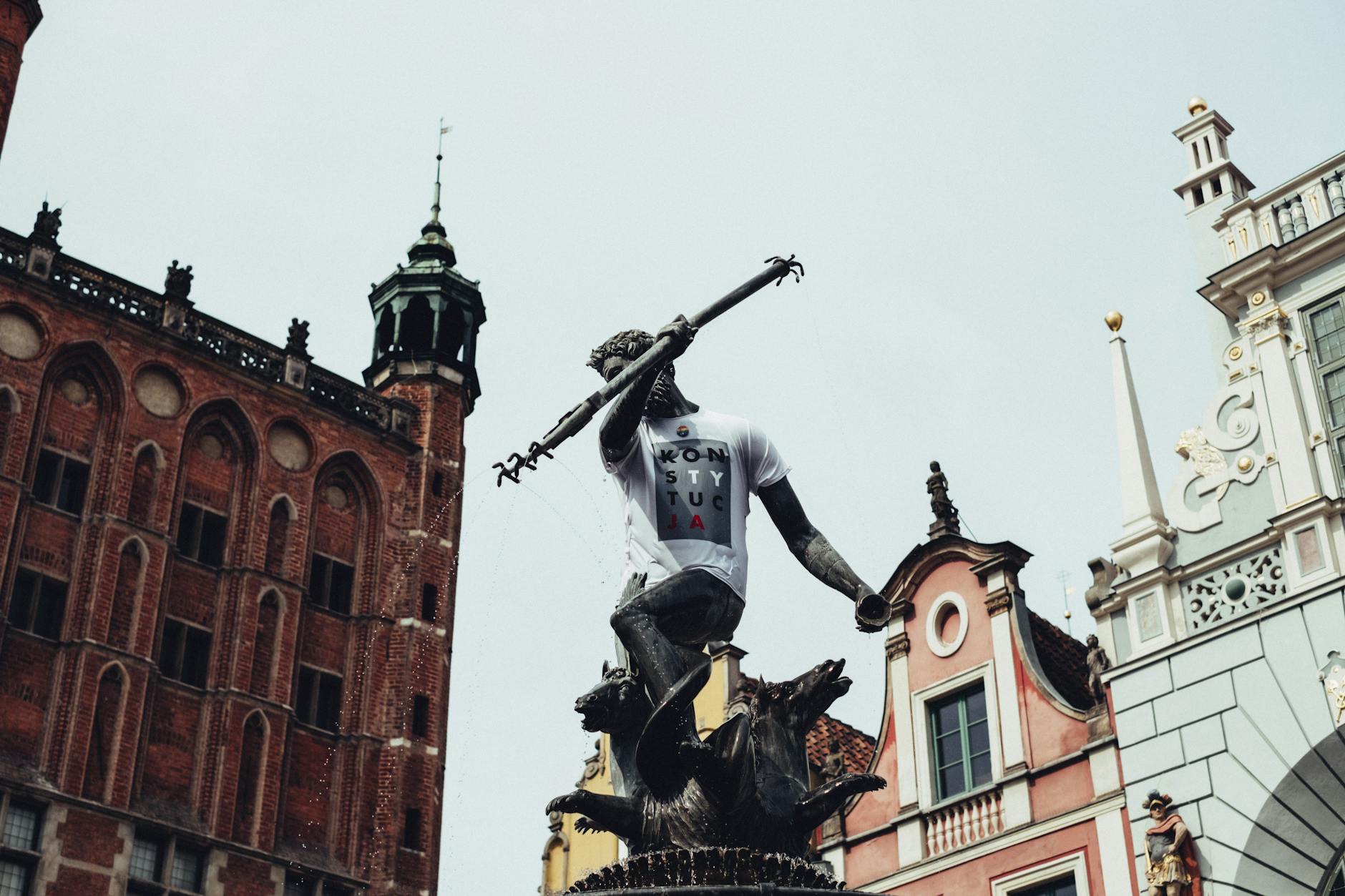
Pomerania, hugging the Baltic coast, is where Poland breathes sea air. Gdańsk defines this region — a city of Gothic brick, amber markets, and the birthplace of the Solidarity movement.
Silesia in the southwest carries an industrial legacy that has transformed into a creative force. Katowice leads the way with a reinvented music and design scene built on coal-mining bones.
Greater Poland (Wielkopolska) is where the Polish state was born in the 10th century. Poznań, its capital, still radiates that founding energy through its Renaissance market square and confident civic life.
Lublin Voivodeship in the east remains one of the least touristed regions — which is exactly why it rewards exploration. Lublin itself is a city of Renaissance architecture and complex Jewish heritage.
Which cities should you visit?
Kraków tops nearly every Poland itinerary, and deservedly so. The Royal Castle, the Jewish quarter of Kazimierz, and the underground medieval market beneath Rynek Główny make it endlessly layered.
Gdańsk stuns visitors with its Dutch-influenced merchant houses along Długi Targ. The European Solidarity Centre is one of the finest modern museums on the continent — honest, moving, and architecturally bold.
Poznań often gets skipped, which is a mistake. Its Old Market Square features mechanical goats that butt heads from the town hall tower at noon — a local ritual since 1551.
Lublin gives travelers a medieval old town without the tourist crowds. The castle, the old Jewish quarter, and the Orthodox church of St. John the Baptist speak to centuries of multicultural coexistence.
Katowice suits travelers drawn to alternative culture. The Silesian Museum, built inside a former coal mine, is genuinely unlike anything else in Poland.
Culture, traditions and way of life
Polish culture is layered with paradox. A country shaped by Catholicism that also produced Copernicus, Marie Curie, and Chopin — intellectual ambition runs deep alongside religious devotion.
The Catholic faith remains central to Polish identity, particularly outside major cities. Easter and Christmas carry genuine weight here — not just as holidays but as community rituals that shape the entire year.
Poles value directness. Small talk is not a national sport. Visitor reviews consistently note that initial encounters can feel reserved, but warmth emerges quickly once trust is established.
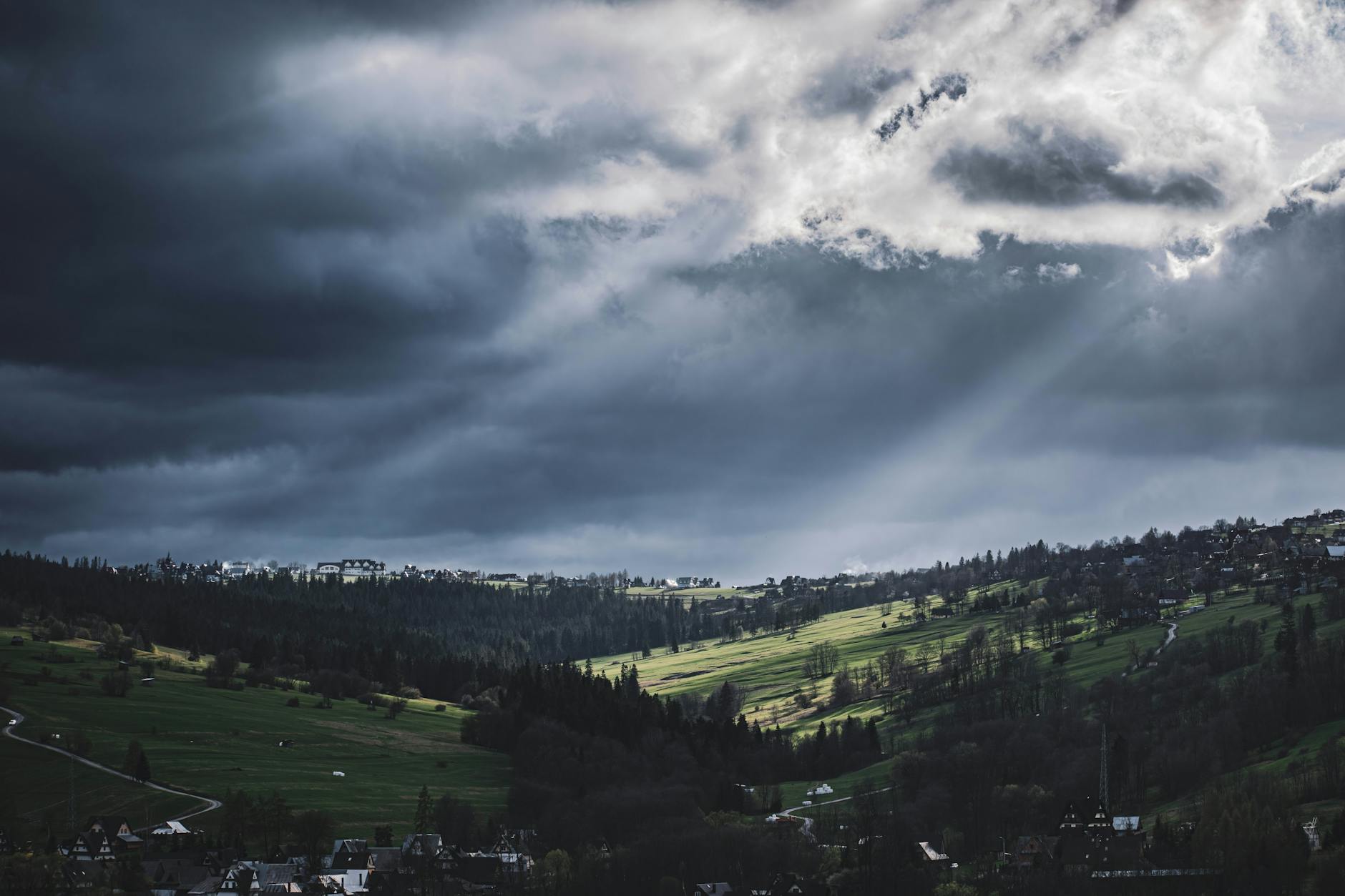
Folk traditions are alive, not museum pieces. In the Podhale region near the Tatras, highlander (góralski) music, embroidered costumes, and distinct dialect persist as genuine daily culture.
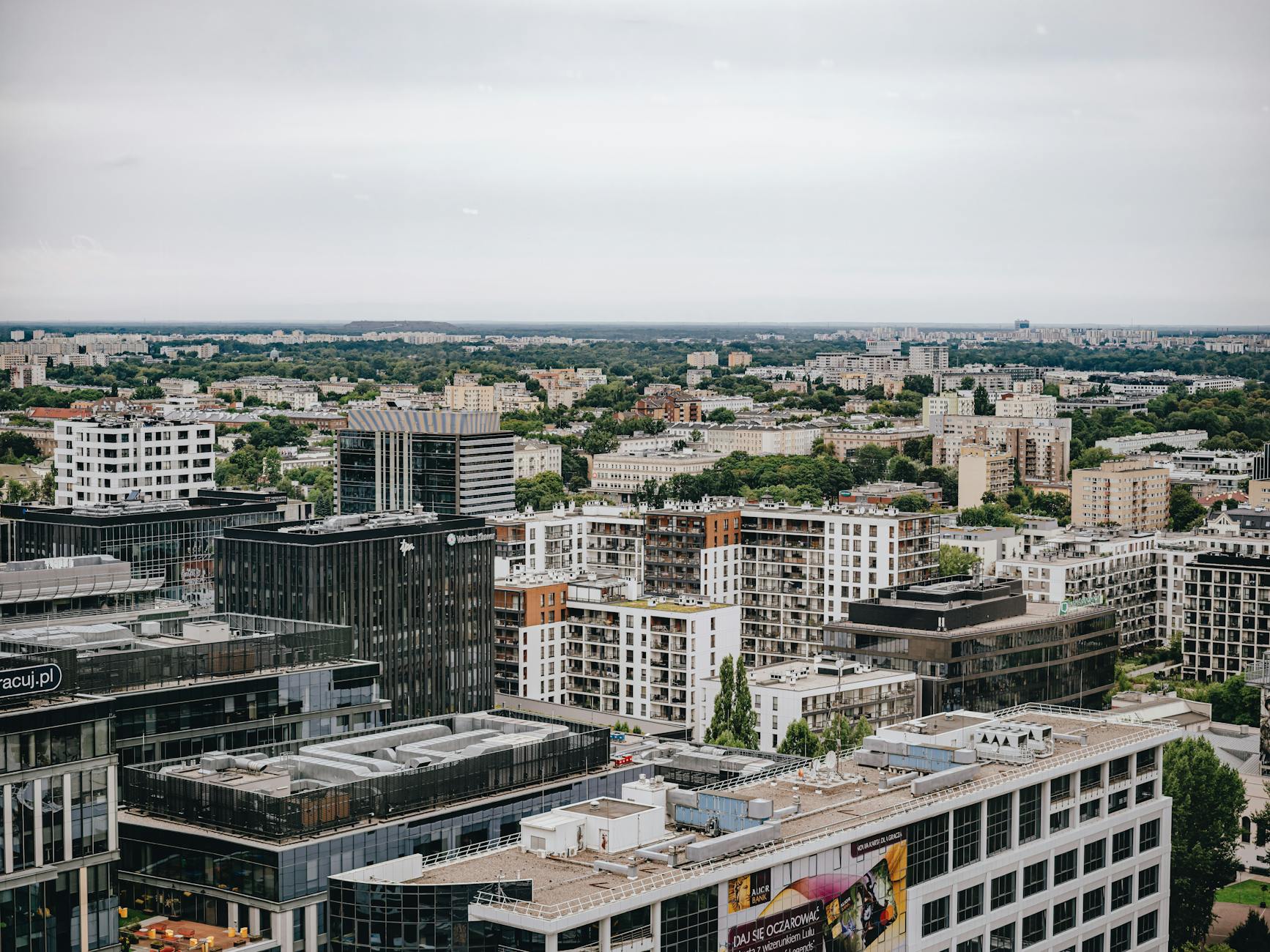
Poland has one of Europe's fastest-growing creative scenes. Warsaw's Praga district and Katowice's city center show what post-industrial reinvention looks like when artists and architects lead the conversation.
Local guides recommend attending a performance at the Kraków Philharmonic or catching one of the many summer folk festivals that run from June through August across the country.
Food: the flavors of Poland
Polish food is hearty, unpretentious, and built for cold winters. It rewards the curious and punishes those who dismiss Central European cuisine as heavy without tasting it first.
Pierogi are the starting point — dumplings stuffed with potato and cheese, sauerkraut and mushroom, or meat, then boiled or pan-fried in butter. Every region has its own variation and every grandmother has the definitive recipe.
Żurek, a sour rye soup served in a bread bowl with hard-boiled egg and sausage, is the kind of dish that makes a cold morning manageable. Travelers note it as one of the most distinct flavors in the country.
Bigos — hunter's stew made with sauerkraut, fresh cabbage, and various meats — tastes better the second day. Many Polish cooks insist it needs at least three rounds of reheating to reach its peak.
Street food culture is growing fast. Zapiekanka, a toasted baguette half topped with mushrooms and melted cheese, originated in Kraków and remains the definitive Polish fast food at around 8–12 PLN a piece.
Polish craft beer has exploded in quality over the past decade. Breweries in Gdańsk, Warsaw, and Wrocław now compete seriously with Western European producers. A pint typically runs 12–20 PLN in a good bar.
Practical information
Visa and entry requirements
Poland is a member of the Schengen Area, which means EU citizens and nationals of many Western countries — including the US, Canada, Australia, and the UK — can enter visa-free for stays up to 90 days.
Passport holders from countries not on the Schengen visa-free list must apply for a Schengen visa in advance. Travelers should verify their specific requirements through the Polish consulate in their home country at least six weeks before departure.
Always carry a valid passport. While EU citizens can technically use national ID cards, a passport avoids complications at borders and when checking into accommodation.
Budget and cost of living
Poland remains significantly more affordable than Western Europe. A solid sit-down lunch in a traditional restaurant (bar mleczny) runs 15–25 PLN — roughly €3–6. Dinner at a mid-range restaurant averages 60–120 PLN per person including drinks.
Budget travelers can manage comfortably on 150–200 PLN per day, covering accommodation in a hostel, meals, and public transport. Mid-range travelers spending on hotels and restaurant dinners should budget 350–600 PLN daily.
ATMs are widely available in cities and accept international cards. Card payments are accepted almost everywhere, though smaller market stalls and rural establishments still prefer cash.
Getting around
Poland's intercity rail network is the backbone of travel between major cities. PKP Intercity runs express trains connecting Warsaw, Kraków, Gdańsk, Poznań, and Wrocław at competitive prices — tickets booked in advance start from around 39 PLN.
Buses run by FlixBus and Polish carrier PolskiBus cover routes that trains miss, particularly in eastern Poland. In cities, trams and buses are efficient and cheap — a single urban ticket typically costs 3–5 PLN.
Renting a car makes sense for exploring rural regions like the Bieszczady mountains or the Masurian Lakes. Roads are generally good, though GPS navigation is strongly recommended outside major cities.
When to visit Poland?
Poland has four distinct seasons and each makes a case for itself. The right time to visit depends entirely on what kind of experience a traveler wants.
Late spring (May–June) is widely considered the prime window. Temperatures sit between 15°C and 22°C, crowds haven't peaked, and the countryside is green and vivid. Kraków's old town is pleasant rather than overwhelming.
Summer (July–August) brings warmth and festivals — the Gdańsk Baltic Beach is genuinely enjoyable, and mountain hiking in the Tatras reaches peak conditions. Cities fill up and prices rise by roughly 20–30%.
Autumn (September–October) turns the forests extraordinary. The Białowieża and Bieszczady regions are particularly spectacular in October, with fewer visitors than summer but enough warmth to stay comfortable.
Winter in Poland is not for everyone, but it rewards those who lean in. Kraków's Christmas market is atmospheric rather than commercial. Snow in the Tatra Mountains attracts skiers from across Europe to Zakopane.
Local guides recommend avoiding the weeks around All Saints' Day (November 1) for non-religious travelers — transport books out fast as Poles travel to visit family graves, a deeply important national tradition.
Frequently Asked Questions about Poland
Best destinations in Poland
Krakow
Krakow, Poland's medieval capital, draws travelers with the royal grandeur of Wawel Castle, the vast beauty of the Main Market Square, and…
ExploreWarsaw
Warsaw, Poland rebuilds its story in stone and steel: the UNESCO Old Town, the towering Palace of Culture and Science, and the sobering…
ExploreSimilar Destinations
Explore more destinations in the same region of the world.
Budapest
Budapest, Hungary's grand capital, pairs the gilded halls of the Hungarian Parliament with steaming thermal…
DiscoverPrague
Prague, Czech Republic, casts Gothic spires, Baroque domes and riverside views around Charles Bridge, with…
DiscoverVienna
Vienna, Austria reigns across Europe's grand capitals, from the gilded halls of Schönbrunn Palace to the…
Discover