Budapest

Everything about Budapest
What if one city could show you a Gothic parliament, Ottoman bathhouses, and Art Nouveau cafés all within walking distance of each other? Budapest pulls this off with remarkable ease.
Visiting Budapest means stepping into a place shaped by Romans, Turks, Habsburgs, and Hungarians, each leaving an unmistakable mark on the architecture and daily life.
The Danube splits the city into two distinct halves: hilly, historic Buda on the west, and flat, energetic Pest on the east. Together, they form one of Europe's most compelling capitals.
Why visit Budapest?
What makes Budapest unique
Budapest sits on top of a vast network of thermal springs, giving the city a bathing culture unlike anything else in Central Europe. The steam rising from century-old bathhouses at dawn is an image that stays with visitors long after departure.
The city also carries a dramatic, bittersweet history. Rebuilt after World War II and the 1956 uprising, Budapest carries its scars visibly and proudly, turning them into stories worth knowing.
Budapest at a glance
The city counts roughly 1.7 million inhabitants and serves as Hungary's political, cultural, and economic heart. It sits at a natural crossroads between Western and Eastern Europe, making it a gateway destination with genuine local depth.
Visitors find a city that balances grand 19th-century boulevards with a thriving ruin-bar scene, world-class opera, and street food markets. Budapest rewards both the rushed weekend traveler and the slow explorer equally well.
What to see and do in Budapest?
Hungarian Parliament
The Hungarian Parliament Building is one of the largest parliament buildings in the world, stretching 268 meters along the Danube embankment. Completed in 1904, it blends Neo-Gothic spires with Baroque symmetry in a way that defies easy categorization.
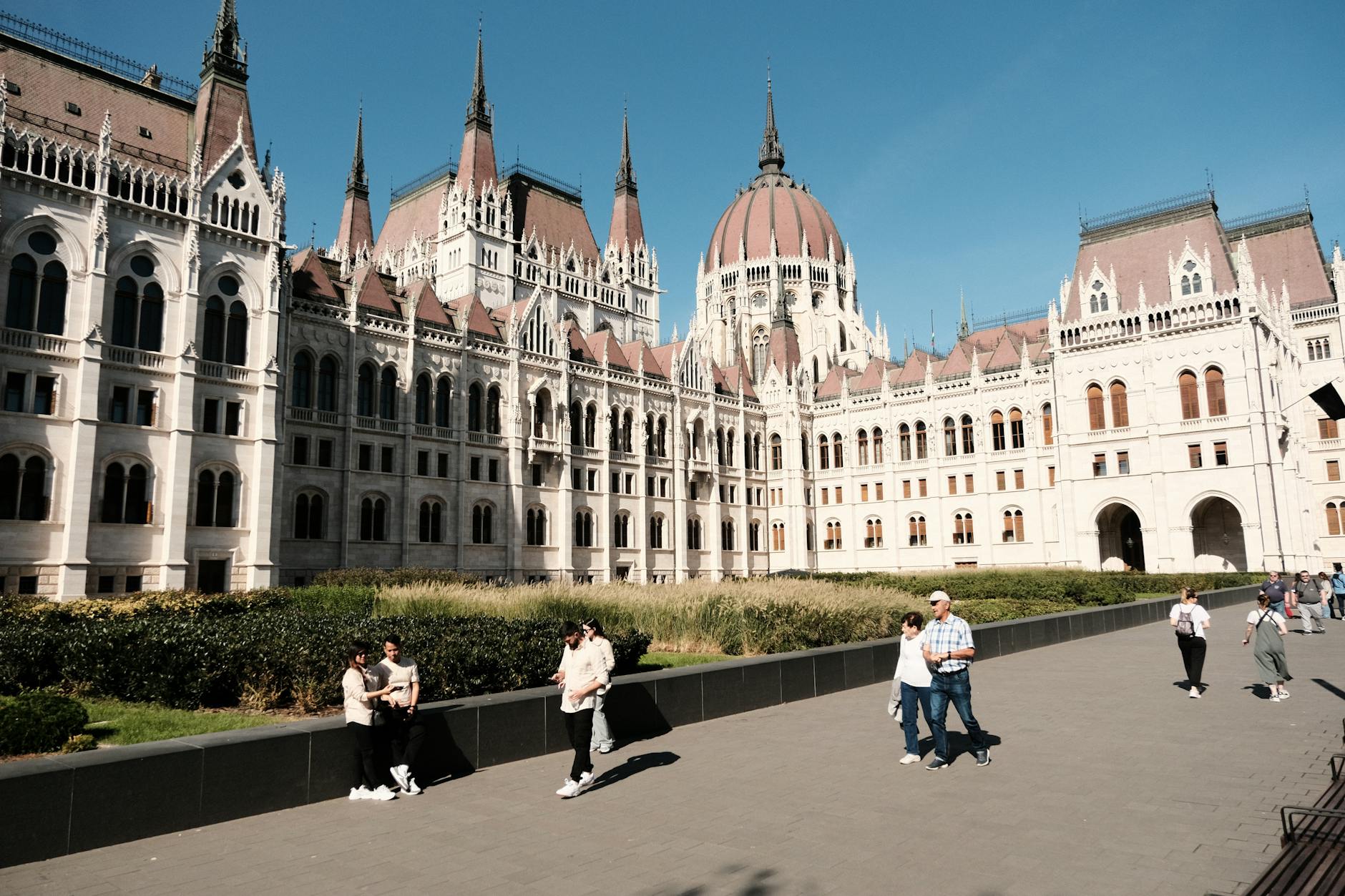
The interior is even more striking than the exterior. Guided tours take visitors through gilded halls, intricate stonework, and the room housing the Holy Crown of Hungary, a relic dating back to the year 1000.
Book tickets in advance, especially between May and September. The sunset view from across the river, with the Parliament lit in gold, ranks among the great urban panoramas of Europe.
Széchenyi Thermal Baths
The Széchenyi Thermal Baths in City Park is the largest medicinal bath complex in Europe, fed by two thermal springs reaching temperatures of up to 77°C. The Neo-Baroque yellow building, opened in 1913, looks more like a palace than a public bathhouse.
Outdoor pools stay open year-round. Watching chess players concentrating over floating boards in steaming water during a winter afternoon is a scene that feels completely Budapest and nowhere else.
Several ticket categories exist, from basic pool access to full spa treatments. Local guides recommend arriving early on weekdays to avoid the largest crowds, particularly in summer.
Fisherman's Bastion
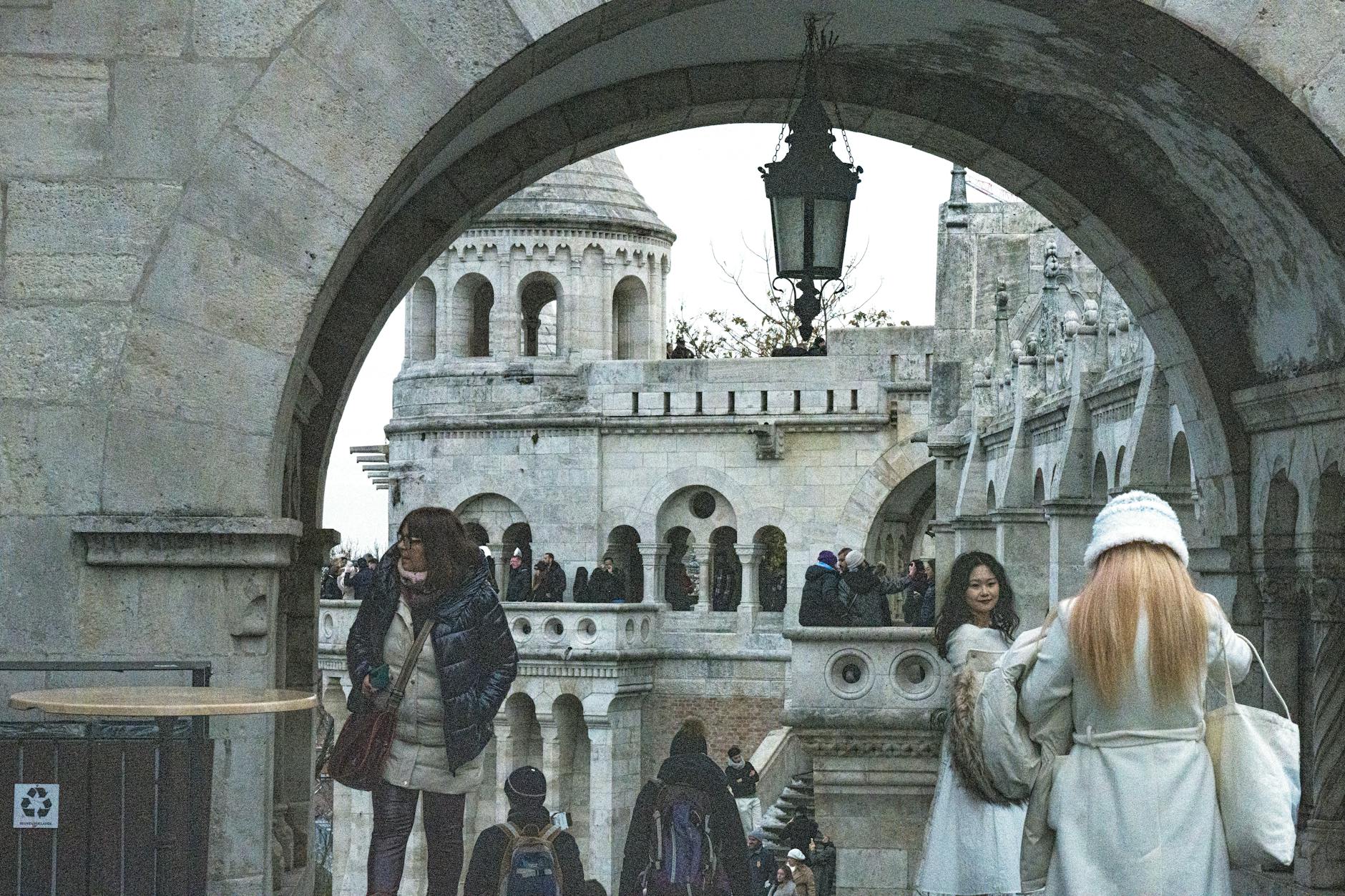
Fisherman's Bastion crowns the Buda Castle Hill and dates from the early 20th century, built between 1895 and 1902 by architect Frigyes Schulek. Its seven white stone towers represent the seven Magyar tribes that founded Hungary in 895.
The neo-Romanesque terraces give some of the best views over the Danube and Pest's skyline available in the entire city. Early morning visits, before tour groups arrive, reward patience with near-empty terraces and soft light.
The adjacent Matthias Church deserves equal attention. Its diamond-patterned tiled roof and richly decorated interior make it one of the finest examples of Gothic-Revival architecture in Central Europe.
Chain Bridge
The Széchenyi Chain Bridge was the first permanent bridge connecting Buda and Pest, inaugurated in 1849. Designed by English engineer William Tierney Clark, it stretches 375 meters across the Danube and remains a powerful symbol of Hungarian national identity.
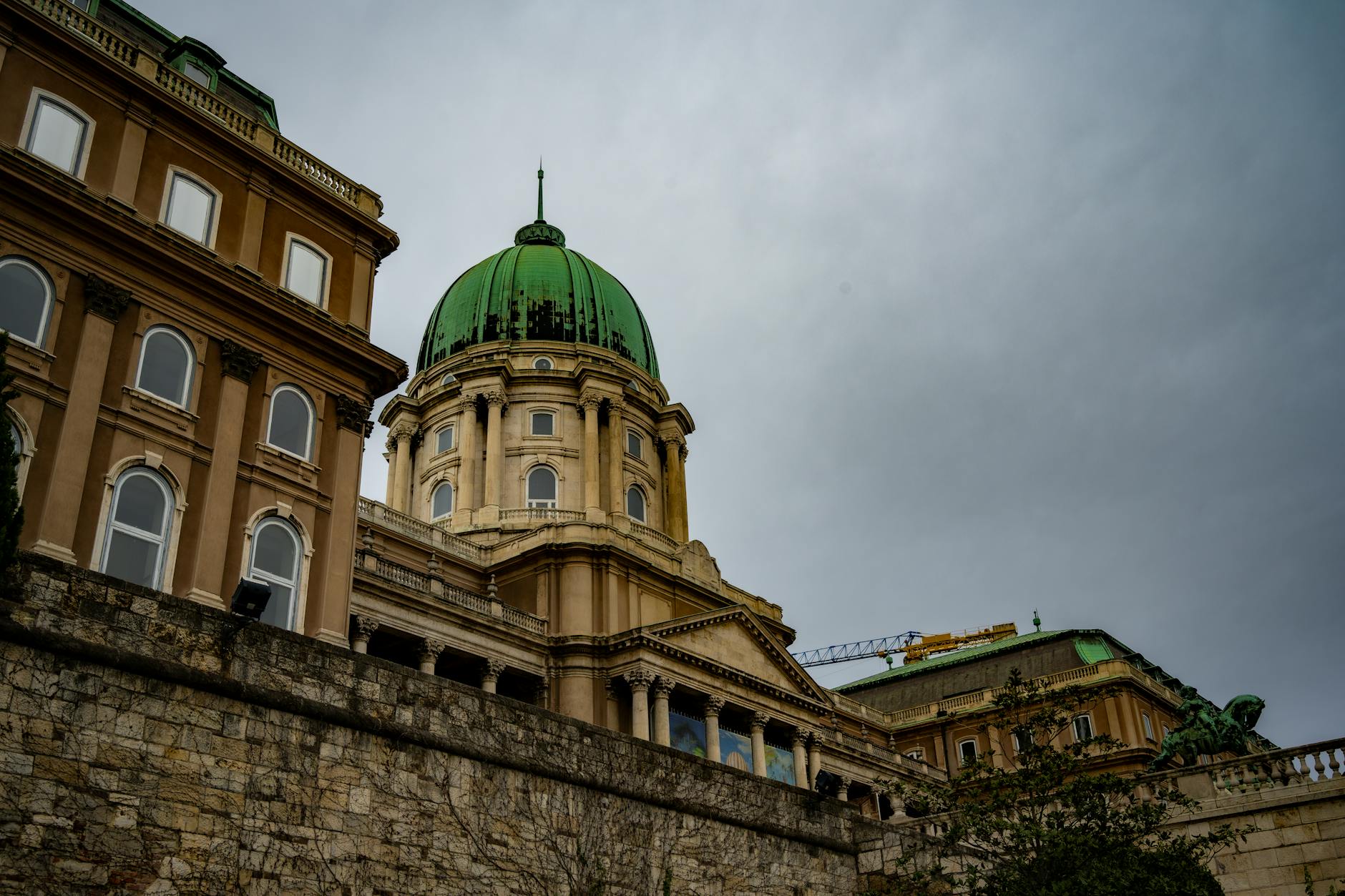
Walking across it at night, with the Parliament glowing upstream and the castle lit on the hill, gives a sense of the city's scale and ambition. This is not just infrastructure. It is urban theater.
The bridge underwent a major renovation completed in 2023, restoring its original stone lion sculptures and metalwork. Visitor reviews confirm that the restored version looks better than it has in decades.
Food & local cuisine in Budapest
Hungarian food leans bold and hearty. Paprika is not just a garnish here. It is the backbone of the cuisine, appearing in goulash, fisherman's soup, and chicken paprikash with a depth that dried supermarket spice rarely replicates.
Goulash deserves special mention. The Budapest version is technically a soup, not the thick stew found elsewhere in Europe. Served in a small iron pot with fresh bread, it is warming, smoky, and quietly addictive.
The city's market halls are worth visiting for the food alone. The Great Market Hall on Vámház Boulevard, built in 1897, stocks everything from smoked sausages and paprika varieties to handmade lángos, the deep-fried dough topped with sour cream and cheese.
Budapest also has a thriving café culture rooted in the late Habsburg era. The New York Café, opened in 1894, is legitimately one of the most ornate café interiors in the world. The coffee is good. The ceiling frescoes are extraordinary.
For wine, seek out Tokaj, Hungary's celebrated sweet white wine with protected designation status. Local sommeliers consistently pair it with Hungarian cheese boards or foie gras for a reason.
Getting to Budapest and getting around
Getting there
Budapest Ferenc Liszt International Airport handles direct flights from most major European cities, with journey times under two hours from London, Paris, or Amsterdam. Low-cost carriers including Ryanair and Wizz Air keep prices competitive.
Travelers arriving by train use Keleti Station, the main rail hub, connected to Vienna in roughly two and a half hours via direct intercity trains. Night trains from Western Europe also terminate here, making a sleeper journey from Paris or Amsterdam a practical option.
Getting around
Budapest has an excellent public transport network built around metro, tram, and bus lines. Line 1 of the Budapest Metro holds the distinction of being the oldest electric underground railway on the European continent, opened in 1896.
Trams running along the Danube embankment on both sides are among the most scenic urban rides in Europe. A 24-hour or 72-hour travelcard covers all public transport and represents strong value for visitors planning to move around frequently.
Budget & practical tips
How much to budget for Budapest
Budapest sits in a premium travel bracket relative to other Central European cities, though it remains more affordable than Paris or Amsterdam. A comfortable mid-range daily budget runs between €80 and €130 per person, covering accommodation, meals, and entrance fees.
Premium accommodation along the Danube or on Castle Hill typically starts at €150 per night. Mid-range hotels in central Pest deliver strong value between €70 and €120. Hostel beds in the Jewish Quarter start around €20.
Restaurant meals vary widely. A sit-down lunch at a traditional Hungarian restaurant costs €12 to €20 per person. Fine dining establishments, particularly around Andrássy Avenue, range from €50 to €100 for a full evening meal with wine.
Best time to visit: May to September
May through September delivers the most reliable weather, with temperatures between 20°C and 30°C and long daylight hours ideal for exploring both riverbanks on foot. The Budapest Summer Festival runs from June through August, bringing open-air concerts and performances to historic venues.
July and August see the highest visitor numbers. Travelers seeking better prices and thinner crowds find that late May and September hit a practical sweet spot, with warm weather and noticeably shorter queues at Parliament and the major bath complexes.
Frequently Asked Questions about Budapest
Similar Destinations
Zurich
Zurich, Switzerland pairs the glittering shores of Lake Zurich with a medieval Altstadt and one of Europe's…
DiscoverPrague
Prague, Czech Republic, casts Gothic spires, Baroque domes and riverside views around Charles Bridge, with…
DiscoverKrakow
Krakow, Poland's medieval capital, draws travelers with the royal grandeur of Wawel Castle, the vast beauty…
Discover