Vienna

Everything about Vienna
Can a capital feel imperial and affordable at the same time? Visiting Vienna proves it can, with grand palaces, polished cafés, and trams gliding past baroque façades without draining a careful travel budget.
This Central European city carries centuries of Habsburg history, yet daily life feels relaxed, orderly, and surprisingly easy to navigate. Music halls, markets, gardens, and riverside paths sit close together.
Vienna rewards slow looking: a carved doorway, a chandeliered coffeehouse, a courtyard concert poster. Stay curious, and the city reveals far more than its postcard palaces.
Why visit Vienna?
Vienna, the capital of Austria in Europe Centrale, blends imperial scale with neighborhood charm. It is grand without feeling distant, formal without becoming stiff, and rich in culture without requiring a luxury budget.
The city suits first-time visitors, museum lovers, classical music fans, architecture hunters, and travelers who like efficient public transport. It also works well for budget trips, especially with free gardens, walkable districts, and low-cost bakeries.
What makes Vienna unique
What sets Vienna apart is its rare balance of palace culture and everyday ease. Schönbrunn and Belvedere speak of emperors, while local markets, trams, and coffeehouses keep the city grounded.
UNESCO lists the historic center of Vienna as a World Heritage Site, a status that reflects its layered urban fabric. Gothic towers, baroque churches, Ringstrasse monuments, and Secession details all sit within a compact core.
Vienna at a glance
Vienna is polished, safe-feeling, and well connected, with a public transport network that makes most major sights simple to reach. The U-Bahn, trams, and buses run frequently, even for short stays.
Best months are June to August for gardens, open-air events, and long evenings, plus December for Christmas markets. The estimated budget level is the $ budget category, especially for travelers using bakeries, markets, and transit passes.
What to see and do in Vienna?
Vienna’s main sights are not scattered at random. Many form a clear route through the city’s royal, religious, artistic, and musical identity, from Schönbrunn in the west to St. Stephen’s in the medieval center.
Plan days by mood rather than by checklist. A palace morning pairs well with a café break, while an evening at the opera feels richer after wandering the Ringstrasse and seeing its floodlit façades.
Schönbrunn Palace
Schönbrunn Palace is Vienna’s grand Habsburg stage, with yellow façades, formal gardens, fountains, and a hilltop Gloriette looking back toward the city. The estate has the 1,441 rooms of Schönbrunn, though only selected interiors are open.
Visitors usually come for the imperial apartments, where Maria Theresa and later Habsburg rulers shaped court life. Audio guides help explain the rooms without turning the visit into a dry history lesson.
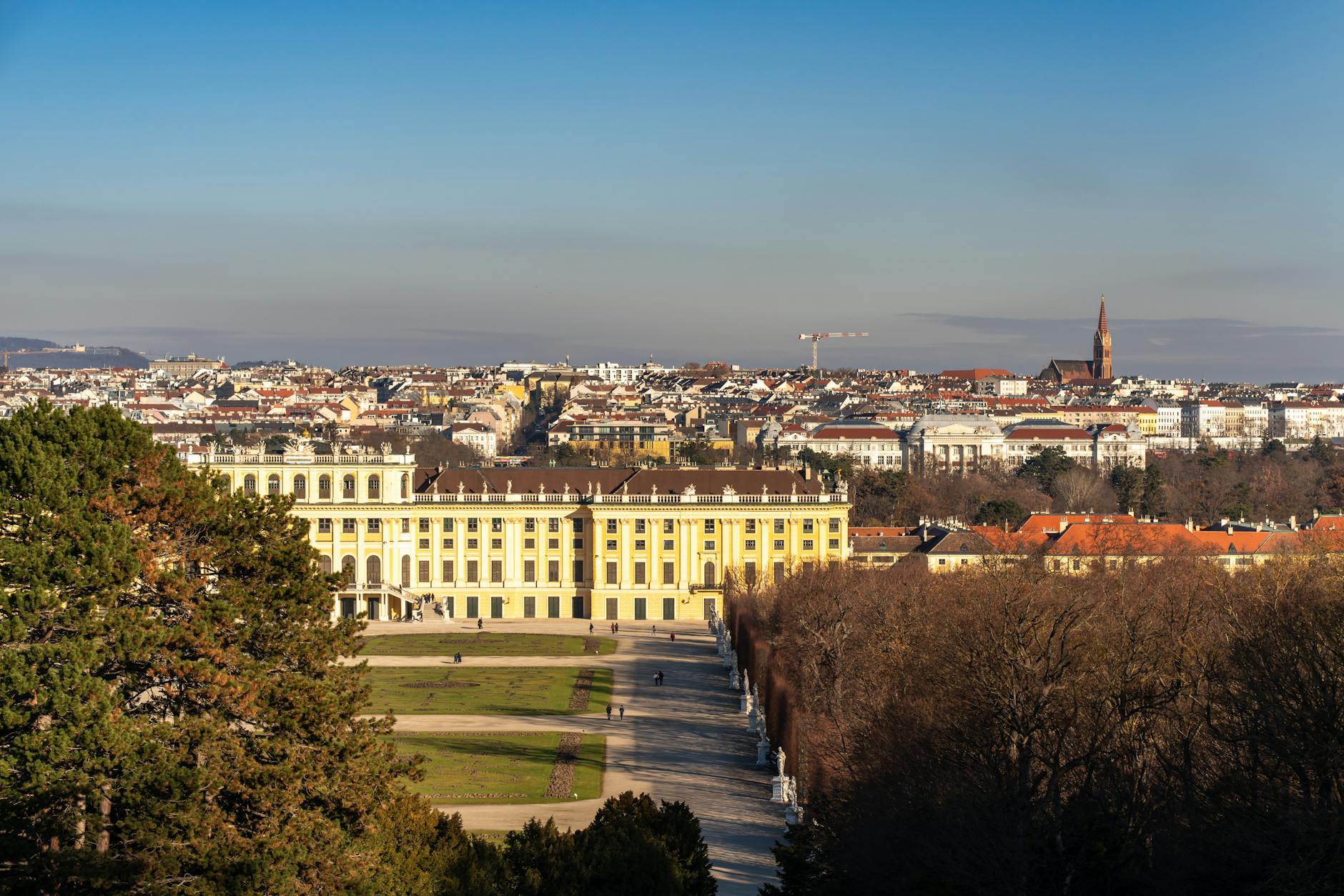
The gardens are a major reason to go, especially in warm months. The main park areas are free to enter, which helps keep costs down, while paid sections include the maze, zoo, and special garden attractions.
Local guides recommend arriving early or late in the day, particularly in summer. Morning light softens the palace front, and the climb to the Gloriette gives one of Vienna’s best wide city views.
Belvedere Palace
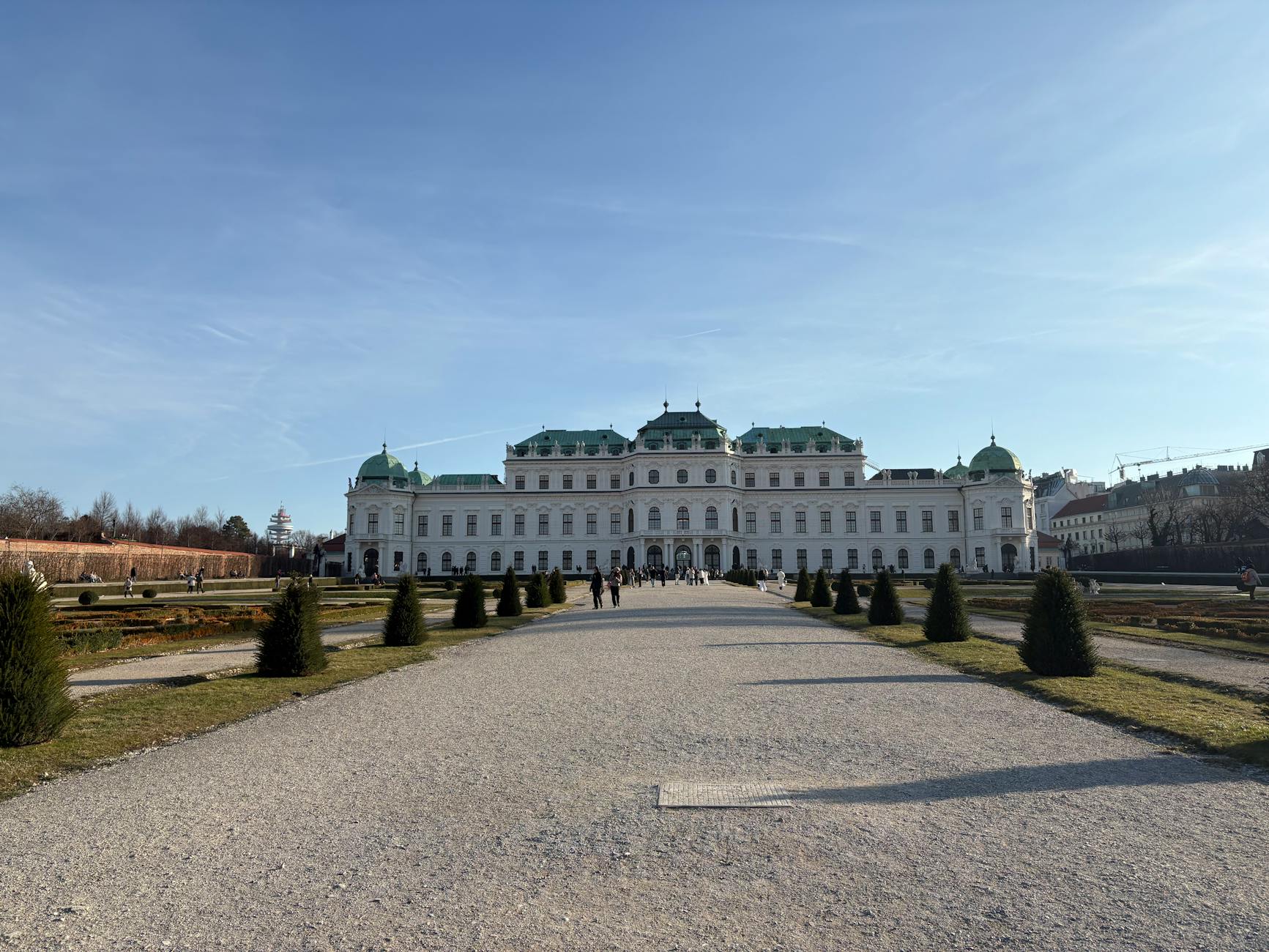
Belvedere Palace feels more intimate than Schönbrunn but no less elegant. Built for Prince Eugene of Savoy, it has two baroque palaces, terraced gardens, reflecting pools, and a strong connection to Austrian art.
The Upper Belvedere is famous for Gustav Klimt’s The Kiss, painted in 1907 to 1908. Visitor reviews confirm that seeing the gold surface in person feels very different from seeing it on postcards.
The museum also includes works by Egon Schiele, Oskar Kokoschka, and earlier masters, making it one of the city’s strongest art stops. Even travelers with limited museum time often choose this one.
Between the Upper and Lower Belvedere, the gardens create a graceful walking route. Go near sunset if possible, when the palace stone warms and the city’s church towers appear beyond the fountains.
St. Stephen's Cathedral
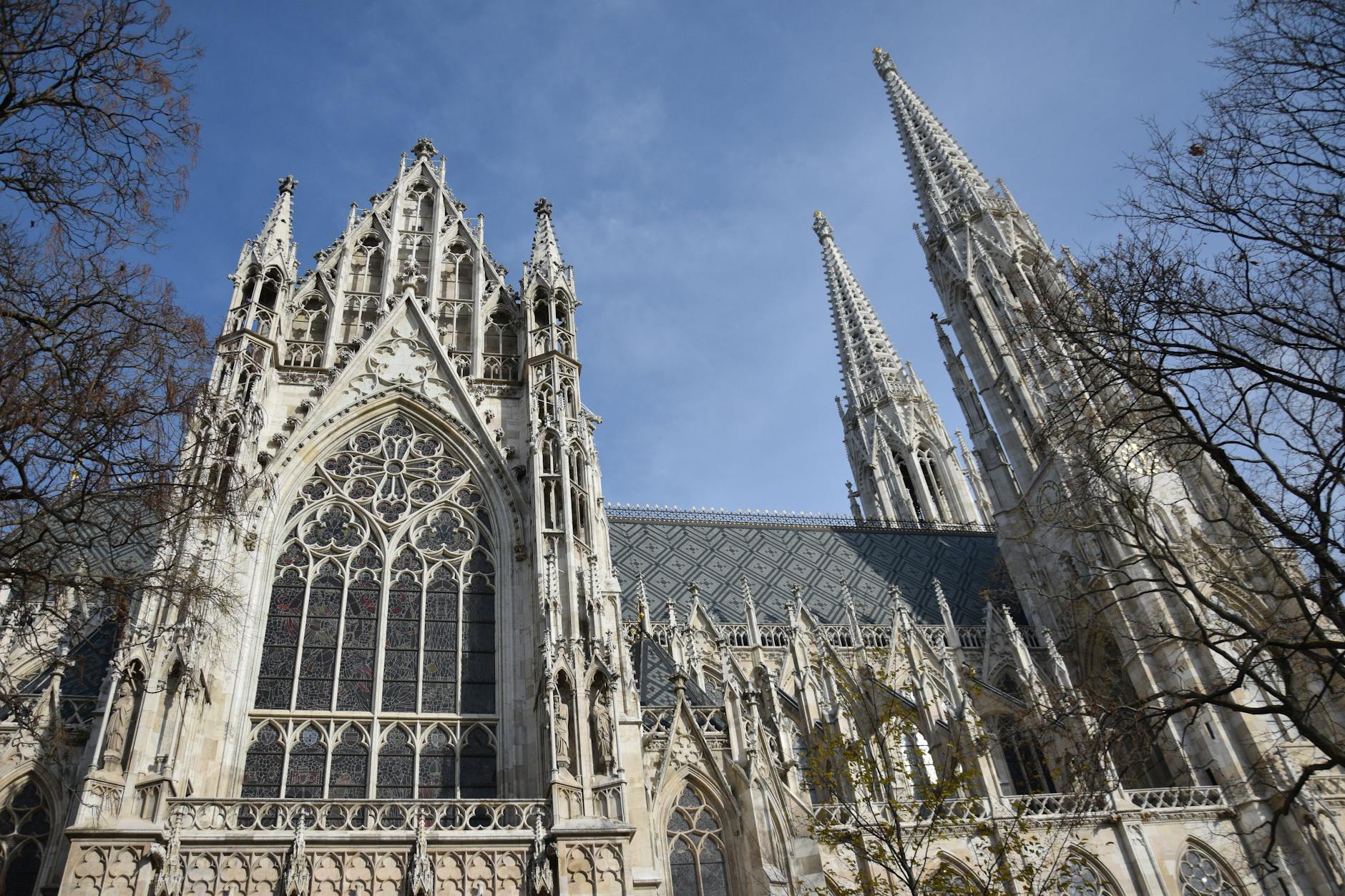
St. Stephen’s Cathedral, or Stephansdom, anchors Vienna’s historic heart. Its patterned tiled roof, dark Gothic stone, and sharp tower make it one of the city’s most recognizable landmarks.
The south tower rises about 136 meters, a concrete fact that becomes very real while looking up from Stephansplatz. Those who climb the stairs earn a tight but memorable view over rooftops and spires.
Inside, the cathedral shifts from busy square to shadowed sanctuary. Look for the pulpit, side chapels, high altar, and traces of centuries of worship, damage, repair, and civic pride.
The area around the cathedral can feel crowded, yet it is worth lingering. Slip into smaller lanes nearby, where courtyards, pastry shops, and old signs make the medieval city easier to sense.
Vienna State Opera
The Vienna State Opera is not just a monument on the Ringstrasse. It remains a working opera house with performances on many nights of the season and a reputation that reaches far beyond Austria.
The building opened in 1869 with Mozart’s Don Giovanni, a fitting start for a city so tied to classical music. Guided tours reveal staircases, foyers, backstage spaces, and the rhythm behind the glamour.
Budget travelers should know about standing-room tickets, a long-running Viennese tradition. They are far cheaper than standard seats and attract students, music fans, and visitors willing to stand for a world-class performance.
Even without a ticket, the exterior deserves time. Visit after dark when lamps glow along the Ringstrasse, then pair the stop with a walk toward the Albertina, Kärntner Strasse, or the Hofburg.
Travelers note that Vienna is at its best when culture is mixed with pauses: one palace, one long coffee, one tram ride, and one evening walk can feel fuller than a packed schedule.
Food & local cuisine in Vienna
Vienna’s food scene is generous, comforting, and shaped by the old empire. Expect schnitzel, goulash, dumplings, sausages, pastries, cakes, and serious coffeehouse rituals that turn a simple break into an event.
Wiener schnitzel is the classic dish, traditionally made with veal, pounded thin, breaded, and fried until crisp. Budget versions using pork appear widely, and many taverns serve both with potato salad or parsley potatoes.
Coffeehouses are part of the city’s social life. Order a Melange, read the room slowly, and try Sachertorte, apple strudel, or a cream-filled pastry beneath chandeliers and mirrored walls.
For cheaper meals, visit bakeries, sausage stands, and the Naschmarkt. Käsekrainer, a cheese-filled sausage, is quick, filling, and very Viennese when eaten standing with mustard and bread.
Vegetarian travelers also find plenty to eat, especially around markets and modern bistros. Look for mushroom goulash, cheese dumplings, pumpkin dishes in season, and bakery lunches that cost far less than sit-down restaurant meals.
- the classic dish to try: Wiener schnitzel with potato salad.
- the coffeehouse order: Melange with Sachertorte or Apfelstrudel.
- the budget snack: Käsekrainer from a Würstelstand.
- the market stop: Naschmarkt for casual meals and produce stalls.
Getting to Vienna and getting around
Vienna is one of Central Europe’s easiest cities to reach. Its location works well for rail trips from Prague, Budapest, Bratislava, Salzburg, Munich, and other major cities in the region.
Once there, the city’s transport feels calm and dependable. Many visitors skip taxis completely, using trams for scenery, the U-Bahn for speed, and walking for the historic center.
Getting there
Vienna International Airport sits about 18 kilometers southeast of the center. The City Airport Train, regular S-Bahn trains, buses, and taxis connect the airport with central districts.
For budget travelers, the S-Bahn is usually the better-value airport route, though it is slightly slower than the dedicated airport train. Main rail services arrive at Wien Hauptbahnhof, a modern hub linked to the U-Bahn.
International buses can be cheaper than trains, especially when booked early. They usually arrive outside the old center, but public transport connections make onward travel straightforward.
Getting around
Vienna’s public transport includes U-Bahn lines, trams, buses, and suburban rail. Tickets work across the network, which makes transfers simple for palace visits, museum days, and evening performances.
Walking is best inside the Innere Stadt, where major sights sit close together. For atmosphere, take tram 1 or 2 around parts of the Ringstrasse and watch parliament, theaters, museums, and parks slide past.
Cycling is also possible, particularly along the Danube Canal and in flatter outer areas. Still, most short-stay visitors find the public transport network of Vienna faster and easier.
Budget & practical tips
Vienna can look expensive at first glance, but it handles budget travel better than many elegant capitals. The trick is to pay for selected highlights, then use free spaces, transit passes, and low-cost food.
Book palace and museum tickets in advance during busy periods. This saves time in queues and helps compare entry options before arriving at the door.
How much to budget for Vienna
For a careful traveler, Vienna fits the budget range of around $60 to $100 per day, excluding long-distance transport. Dorm beds, simple guesthouses, bakeries, markets, and public transport help keep costs controlled.
A basic daily plan might include a transit pass, one paid attraction, bakery breakfast, casual lunch, and a modest dinner. Coffeehouses cost more than takeaway counters, but the setting often justifies one planned splurge.
Free or low-cost ideas include Schönbrunn gardens, church visits, Danube Canal walks, public squares, markets, and self-guided Ringstrasse walks. Many museums also have reduced tickets for students, seniors, or specific time slots.
Best time to visit: June to August and December (Christmas Markets)
June to August brings long daylight, outdoor dining, green palace gardens, and a lively summer mood. It is also peak season, so book accommodation early and start sightseeing before the midday rush.
December changes the city completely. Christmas markets fill squares with lights, wooden stalls, roasted chestnuts, punch, crafts, and music, especially around Rathausplatz, Schönbrunn, Belvedere, and Karlsplatz.
Pack differently for each season. Summer calls for light clothing and sun protection, while December requires warm layers, gloves, and shoes that handle cold stone streets.
- the best value move: buy a 24, 48, or 72-hour public transport ticket.
- the smart palace plan: visit Schönbrunn early and walk the gardens before crowds build.
- the low-cost meal habit: use bakeries and markets for breakfast or lunch.
- the December tip: carry cash for smaller Christmas market stalls.
Frequently Asked Questions about Vienna
Similar Destinations
Prague
Prague, Czech Republic, casts Gothic spires, Baroque domes and riverside views around Charles Bridge, with…
DiscoverZurich
Zurich, Switzerland pairs the glittering shores of Lake Zurich with a medieval Altstadt and one of Europe's…
DiscoverBudapest
Budapest, Hungary's grand capital, pairs the gilded halls of the Hungarian Parliament with steaming thermal…
Discover