Prague

Everything about Prague
How can one city feel both theatrical and lived-in at the same time? Visiting Prague means stepping into cobbled lanes, Gothic towers, riverside views, and beer halls where history never feels locked behind glass.
The capital of the République Tchèque sits in Europe Centrale, yet its atmosphere feels entirely its own. Baroque churches, Art Nouveau facades, medieval gateways, and smoky cellar pubs share the same walkable map.
Prague rewards slow travelers. Cross the river at sunrise, climb toward the castle before the crowds, then return to Old Town after dark when the lamps turn stone into gold.
Why visit Prague?
Prague is one of Europe’s great budget-friendly city breaks, but it rarely feels cheap in the visual sense. Its skyline is rich with spires, copper domes, red roofs, and church towers rising above the Vltava River.
The city suits first-time visitors, weekend travelers, history lovers, photographers, and anyone who prefers walking over complicated transport. Many of the main sights sit within a compact historic core, so days flow naturally from bridge to square to castle hill.
Visitor reviews often praise Prague for its blend of romance and practicality. Good public transport, hearty food, affordable beer, and late-opening cafés make the city easy to enjoy without a large budget.
What makes Prague unique
Prague’s charm comes from contrast. The medieval heart of Prague sits beside elegant 19th-century avenues, while quiet monastery gardens overlook busy tram lines and riverside beer terraces.
The city was largely spared from heavy wartime destruction, which explains why so many historic streets still feel complete. Walk a few blocks and the scenery shifts from Gothic drama to pastel Baroque courtyards.
Local guides often point out that Prague is not only a museum city. Students, artists, office workers, and musicians keep its old neighborhoods active long after tour groups leave.
Prague at a glance
Prague is the capital and largest city of the République Tchèque, with about 1.3 million residents. It lies in Europe Centrale, along the Vltava River, and serves as a major rail and air hub.
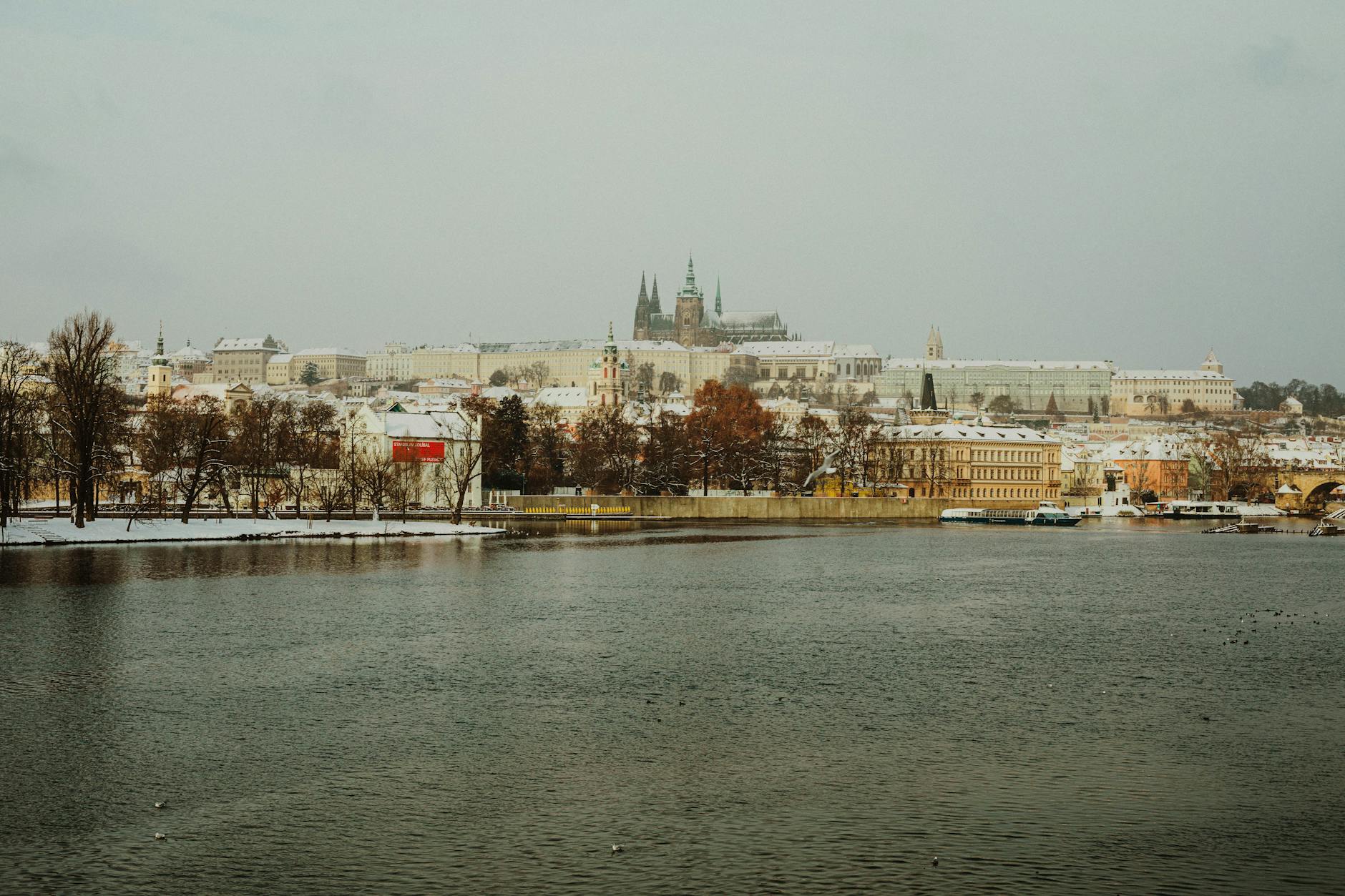
The historic center is listed by UNESCO and includes Old Town, Lesser Town, and the castle district. The main highlights include Charles Bridge, Prague Castle, Old Town Square, and the Astronomical Clock.
The estimated travel budget is $ by European standards. May, June, and September bring pleasant weather, open terraces, long daylight, and fewer extremes than peak July and August.
What to see and do in Prague?
Prague sightseeing works best on foot, with tram rides used for hills and longer hops. The main landmarks form a satisfying route from Old Town Square across Charles Bridge and up toward Prague Castle.
Start early when possible. Dawn light on the Vltava, empty lanes around Malá Strana, and the first bells over Old Town reveal a calmer city than the midday crowds suggest.
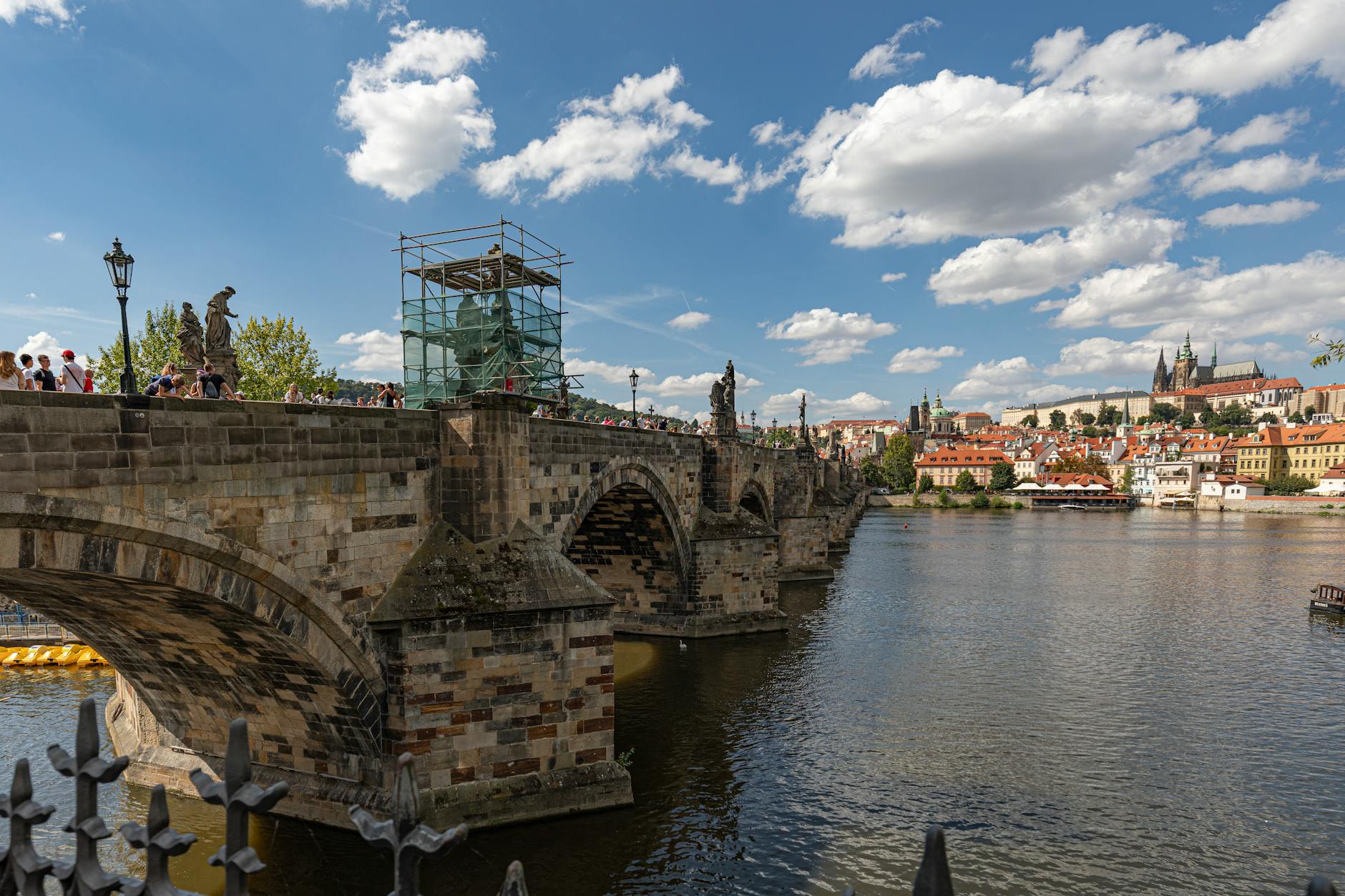
Charles Bridge
The Charles Bridge at sunrise is Prague at its most cinematic. Built from 1357 under King Charles IV, the bridge links Old Town with Malá Strana across the Vltava River.
Thirty Baroque statues line the stone span, though many are replicas protecting the originals. Street musicians, portrait artists, and small vendors appear through the day, giving the bridge a changing rhythm.
For the best experience, visit before 8 a.m. or after dinner. The views toward Prague Castle glow beautifully at dusk, especially from the Old Town Bridge Tower.
Travelers note that the bridge can feel crowded by late morning. Step down to Kampa Island or the riverside paths for quieter angles and excellent photos of the arches.
Prague Castle
The Prague Castle complex is not a single fortress, but a hilltop district of palaces, churches, courtyards, museums, and gardens. According to Guinness World Records, it covers around 70,000 square meters.
St. Vitus Cathedral dominates the complex with soaring Gothic vaults and stained glass. The cathedral holds royal tombs, chapels, and views from its tower for visitors willing to climb.
Golden Lane adds a smaller, storybook scale, with colorful houses tucked against the old fortifications. Some lanes feel busy, but the upper courtyards still create a strong sense of royal ceremony.
Arrive early or later in the afternoon to avoid the thickest lines. After exploring, walk down through the castle steps for sweeping views over red rooftops and church spires.
Old Town Square
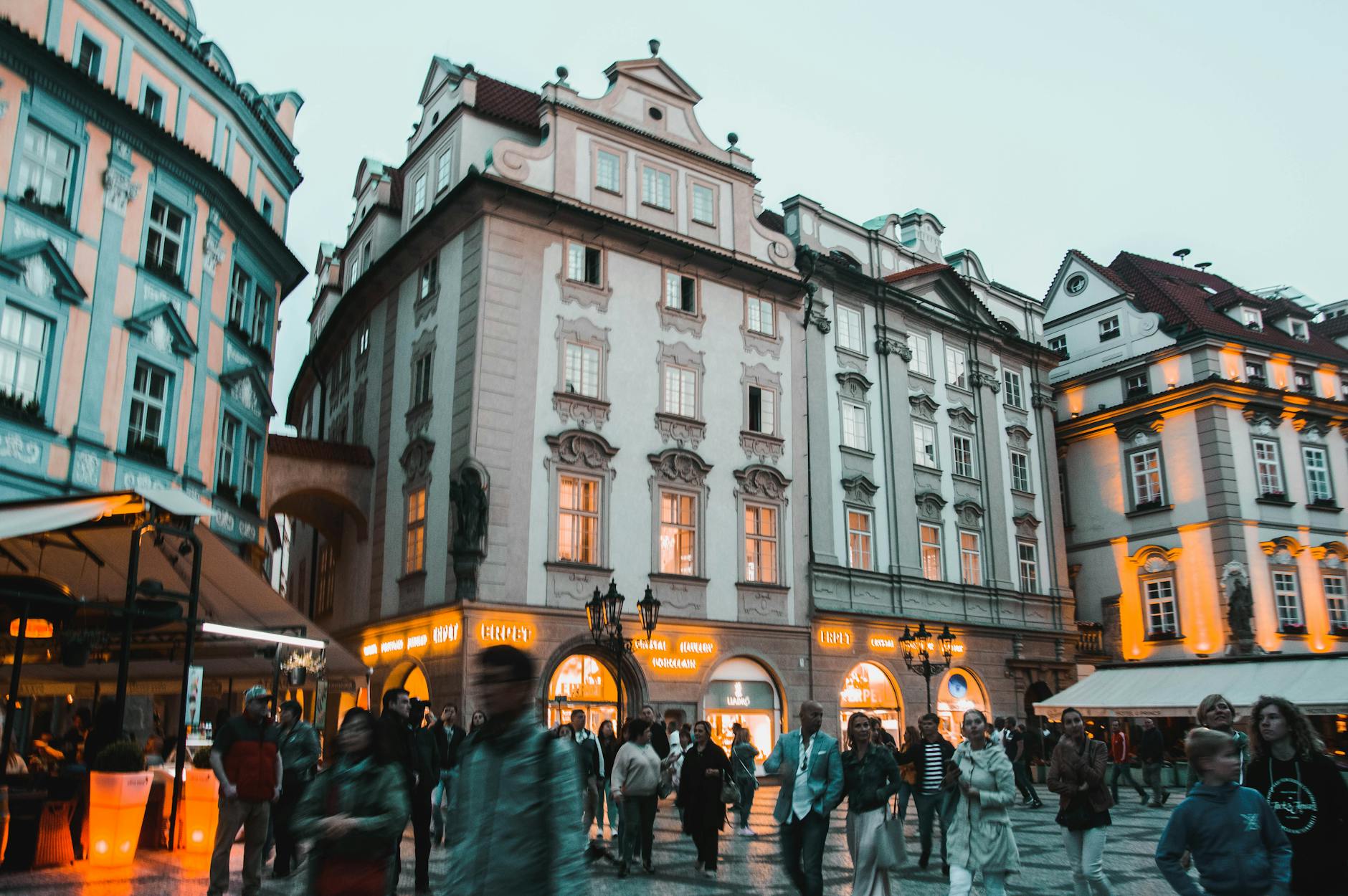
The Old Town Square of Prague is the city’s grand open-air stage. Gothic, Baroque, Rococo, and Romanesque buildings frame a space that has hosted markets, protests, executions, and celebrations for centuries.
The Church of Our Lady before Týn rises behind the square like a dark fairy-tale silhouette. Opposite, the Old Town Hall draws crowds waiting for the hourly clock display.
Cafés around the square have high prices compared with side streets. Still, a brief stop can be worthwhile for people-watching, especially in early morning or late evening.
Look beyond the center of the square. Small details hide on facades, arcades, house signs, and narrow lanes leading toward Josefov, the historic Jewish Quarter.
Astronomical Clock
The Astronomical Clock on Old Town Hall is one of Prague’s most famous sights. First installed in 1410, it ranks among the oldest working astronomical clocks in the world.
The hourly show is short, with figures of the Apostles appearing above the dial. Some travelers expect a grand performance, but the clock’s real appeal lies in its age and craftsmanship.
The dial tracks more than standard time. It shows astronomical information, zodiac signs, and the position of the sun and moon, reflecting medieval ideas about time and the cosmos.
For a better view, stand slightly back from the crowd rather than directly under the tower. The Old Town Hall tower also gives one of the finest panoramas over central Prague.
Food & local cuisine in Prague
Prague food is hearty, generous, and built for cool evenings. Expect roasted meats, dumplings, creamy sauces, pickled vegetables, soups, and some of the best lager traditions in Europe.
The classic Czech plate often includes svíčková, beef in a creamy root-vegetable sauce with bread dumplings and cranberry. Another local favorite is vepřo knedlo zelo, pork with dumplings and cabbage.
Goulash appears across many menus, usually served with bread dumplings and a dark, rich sauce. For a simple lunch, try bramboračka, a potato and mushroom soup often seasoned with marjoram.
Beer is part of the local rhythm, not just nightlife. Prague pubs serve famous Czech lagers such as Pilsner Urquell, Kozel, and Staropramen, usually at lower prices than many European capitals.
For sweets, trdelník is heavily marketed in tourist areas, though it is not as traditional to Prague as signs suggest. Local bakeries are better for koláče, honey cake, poppy seed pastries, and fruit-filled buns.
Visitor reviews confirm that food prices drop quickly away from Old Town Square and Charles Bridge. Neighborhoods like Vinohrady, Karlín, and Holešovice have good bistros, cafés, and modern Czech kitchens.
Local guides recommend booking dinner in advance on weekends, especially for small Czech restaurants in Malá Strana and Vinohrady.
Getting to Prague and getting around
Prague is easy to reach from across Europe, particularly by train, bus, and low-cost flights. Once in the city, public transport is reliable, inexpensive, and simple to use.
The historic center rewards walking, but trams add character and save energy on hills. Ticket rules apply across metro, tram, and bus services, so one pass can cover most urban journeys.
Getting there
The Václav Havel Airport Prague sits about 17 kilometers from the city center. Buses connect the airport with metro lines, while taxis and ride-hailing services reach central districts faster but cost more.
Prague’s main railway station, Praha hlavní nádraží, has direct connections to Vienna, Berlin, Dresden, Bratislava, and Budapest. Long-distance buses also serve the city, often at very low fares.
Train arrivals are especially convenient because the main station is close to Wenceslas Square. From there, many hotels in New Town and Old Town are reachable by tram, metro, or foot.
Getting around
The Prague public transport network includes three metro lines, frequent trams, buses, and night services. Tickets are time-based, commonly sold for short rides or longer periods.
Validate paper tickets before travel, or use the official mobile ticket options when available. Inspectors do check, especially on tourist routes, and fines are payable on the spot.
Walking remains the best way to understand the city’s layers. Wear comfortable shoes because cobblestones, steps, and steep lanes around Prague Castle can tire even fit travelers.
Budget & practical tips
Prague remains a budget destination compared with Paris, Amsterdam, or Copenhagen, but prices have risen in the historic center. Careful choices make a big difference, especially for food and accommodation.
Stay near a tram or metro stop rather than directly on Old Town Square. Districts such as Vinohrady, Žižkov, Karlín, and Smíchov often have better value and a more local feel.
Carry a bank card, but keep some Czech koruna for small purchases, toilets, markets, and older pubs. Avoid exchange offices with poor rates around tourist streets, and check fees before accepting any conversion.
- A daily public transport pass can save money if several tram or metro rides are planned.
- The tap water in Prague is safe to drink, so refill a bottle before long walks.
- The main tourist zones are safe, but watch pockets on crowded trams and around major sights.
How much to budget for Prague
A budget traveler can manage Prague with hostel beds, public transport, simple meals, and free walking routes. Daily costs can stay around 45 to 70 USD, depending on season and booking timing.
Mid-range travelers should expect higher accommodation costs, especially in May, June, and September. A comfortable guesthouse or three-star hotel, paid attractions, and restaurant meals may reach 100 to 160 USD per day.
Many top views are free from bridges, riverbanks, and castle approaches. Paid entries are worth choosing selectively, especially Prague Castle interiors, Old Town Hall tower, and selected Jewish Quarter sites.
Best time to visit: May, June and September
The best months for visiting Prague are May, June, and September. These months bring mild temperatures, flowering gardens or golden late-summer light, and lively streets without the heaviest midsummer pressure.
July and August can be hotter, busier, and more expensive. Winter has charm, especially around Christmas markets, but cold weather and shorter days change the rhythm of sightseeing.
Pack layers, even in the recommended months. Morning river walks can feel cool, while afternoons in sunny squares may be warm enough for terrace lunches and slow wandering.
Frequently Asked Questions about Prague
Similar Destinations
Zurich
Zurich, Switzerland pairs the glittering shores of Lake Zurich with a medieval Altstadt and one of Europe's…
DiscoverBudapest
Budapest, Hungary's grand capital, pairs the gilded halls of the Hungarian Parliament with steaming thermal…
DiscoverVienna
Vienna, Austria reigns across Europe's grand capitals, from the gilded halls of Schönbrunn Palace to the…
Discover