Warsaw

Everything about Warsaw
Did you know Warsaw rebuilt its historic heart almost brick by brick after World War II? Visiting Warsaw means walking through a city that looks old, feels modern, and carries its scars with remarkable dignity.
The Polish capital rewards slow exploration: cobbled squares, Soviet-era towers, riverside paths, milk bars, royal apartments, and museums that do not soften history. It is serious, creative, affordable, and far more layered than many travelers expect.
Set in Europe de l'Est, Warsaw suits culture seekers, history lovers, and weekend travelers looking for strong value. Between April and October, the city opens onto terraces, parks, courtyards, and long golden evenings.
Why visit Warsaw?
Warsaw is a capital of contrasts, where restored façades stand beside glass towers and broad socialist avenues. The city never feels frozen in the past, yet history shapes nearly every major sight.
Travelers come for the UNESCO-listed Old Town, the Royal Castle, and powerful museums, but stay for the energy of neighborhoods like Praga, Powiśle, and Śródmieście. Cafés spill onto pavements, trams glide past palaces, and the Vistula gives the city breathing room.
What makes Warsaw unique
Few European capitals tell a reconstruction story as dramatic as Warsaw’s. After World War II, around 85 percent of the city lay in ruins, including much of its historic center.
Instead of leaving the Old Town as a memorial to destruction, Varsovians rebuilt it using paintings, old plans, and surviving fragments. UNESCO recognized this achievement in 1980, not for medieval authenticity alone, but for cultural resilience.
This mix of loss, memory, and renewal gives Warsaw a rare emotional weight. Visitor reviews confirm that the city feels more moving when explored beyond its postcard corners.
Warsaw at a glance
Warsaw is the capital of Pologne, known in English as Poland, and one of Central and Eastern Europe’s major cultural hubs. It sits on the Vistula River and has a population of about 1.8 million residents.
The budget level is moderate: restaurants, public transport, museums, and hotels usually cost less than in Paris, Amsterdam, or Copenhagen. The best period runs from April to October, when parks, riverbanks, and outdoor terraces feel lively.
Plan at least three days for the main sights. Four or five days allow time for local markets, modern art, Praga street culture, and slower meals.
What to see and do in Warsaw?
Warsaw rewards a route that blends landmark sights with quiet pauses. Start in the reconstructed center, then move toward the grand avenues, museums, and river districts that reveal the city’s wider character.
Local guides recommend booking museum tickets ahead on weekends, especially for the Warsaw Uprising Museum and the Royal Castle. Many attractions sit within easy tram or metro reach, so sightseeing rarely feels complicated.
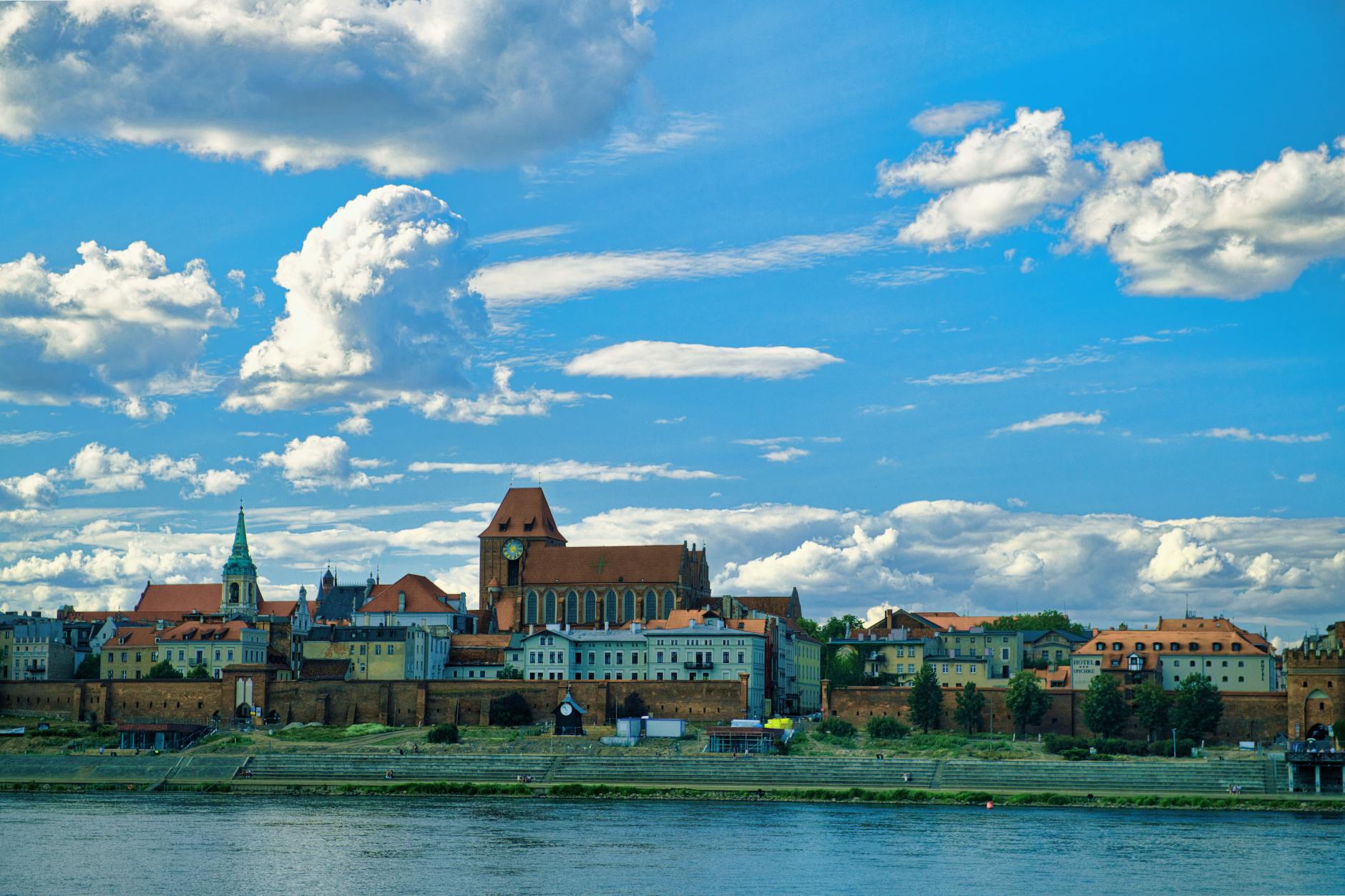
Old Town (UNESCO)
The Old Town of Warsaw is not large, but every corner carries a story. Castle Square, pastel merchant houses, defensive walls, and the Market Square create the city’s most photographed setting.
The area was almost completely destroyed during World War II, then meticulously rebuilt after 1945. That reconstruction is the reason it became a UNESCO World Heritage Site, a rare honor for a rebuilt historic district.
Walk early in the morning for quieter lanes and softer light on the façades. Later in the day, street musicians, café tables, and walking tours fill the route between the Barbican and the Royal Castle.
- The Old Town Market Square is best for photos, coffee, and people-watching.
- The Barbican walls give a clear sense of the former defensive layout.
- The route to New Town adds churches, small squares, and calmer streets.
Palace of Culture and Science
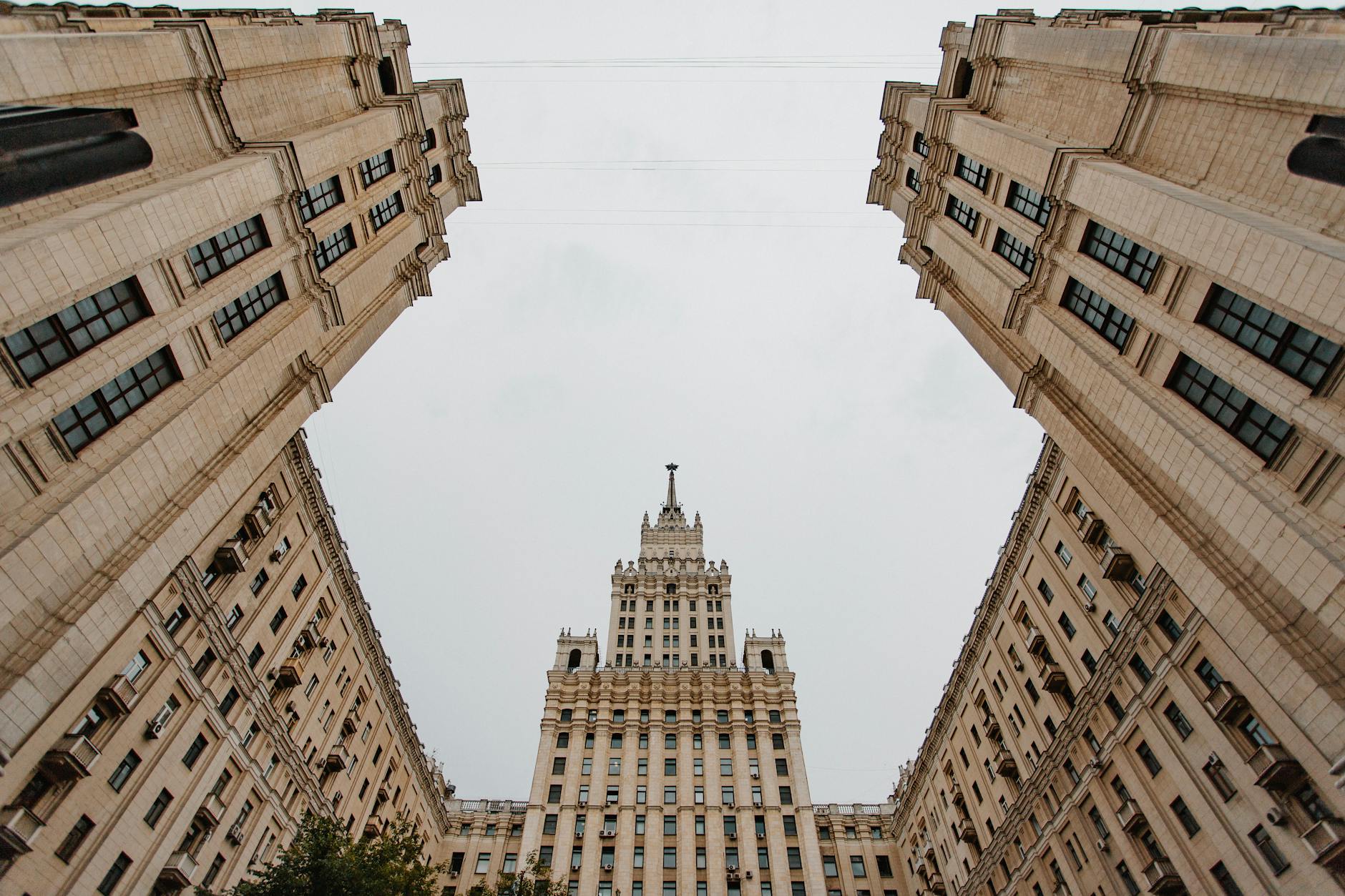
The Palace of Culture and Science dominates Warsaw’s skyline from almost every central viewpoint. Completed in 1955 and rising 237 meters, it remains one of the tallest buildings in Poland.
Its architecture divides opinion, and that is part of its fascination. Some locals see it as a Soviet-era burden, while others treat it as an unmistakable city symbol.
The viewing terrace on the 30th floor gives one of the clearest panoramas in Warsaw. From above, the city’s layers become visible: prewar fragments, postwar housing blocks, new towers, parks, rail lines, and the wide Vistula corridor.
Inside, the building hosts theaters, museums, cinemas, offices, and exhibition spaces. Check the cultural program before visiting, as evening events can turn a simple landmark stop into a memorable night out.
Warsaw Uprising Museum
The Warsaw Uprising Museum is one of the city’s most powerful places. It tells the story of the 1944 uprising, when Polish resistance fighters battled German occupation for 63 days.
The museum uses photographs, sound recordings, letters, film, and reconstructed spaces to create an immersive journey through the conflict. It is intense, but it avoids feeling theatrical for its own sake.
Travelers note that the museum needs time and attention. Rushing through in under an hour can leave the story fragmented, so allow at least two hours if history matters to the visit.
Exhibits also show the civilian experience: underground printing, field hospitals, ruined streets, and life under siege. The result is not just a military narrative, but a portrait of courage and devastating cost.
Royal Castle
The Royal Castle in Warsaw anchors Castle Square with red-brick grandeur and a tall clock tower. It served as the residence of Polish monarchs and later as a political center.
Like much of Warsaw’s historic core, the castle was destroyed during World War II and rebuilt in the decades that followed. Today, its interiors reveal polished floors, gilded halls, portraits, tapestries, and carefully reconstructed state rooms.
The Great Assembly Hall and the Throne Room draw the most attention, but quieter galleries reward patient visitors. Art lovers should look for works by Bernardo Bellotto, whose detailed city views helped guide the reconstruction of Warsaw.
Combine the castle with a walk through Castle Square and down Krakowskie Przedmieście. This royal route links churches, university buildings, monuments, and elegant façades in one of Warsaw’s finest strolls.
Local guides often say Warsaw is best understood through reconstruction: not as imitation, but as a civic act of memory.
Food & local cuisine in Warsaw
Warsaw’s food scene moves between hearty Polish classics and confident modern kitchens. The city has milk bars for budget meals, elegant restaurants for tasting menus, and bakeries that fill mornings with the scent of yeast and butter.
Start with the traditional Polish pierogi, dumplings filled with potato and cheese, meat, mushrooms, cabbage, or sweet fruit. Many restaurants serve them boiled, while some pan-fry them for crisp edges.
Żurek, a sour rye soup often served with sausage and egg, suits cooler evenings. Bigos, made with sauerkraut, meat, and spices, shows the deeper, slower side of Polish comfort cooking.
For a quick local meal, try a bar mleczny, or milk bar. These simple canteens began as low-cost dining rooms and still serve soups, pancakes, cutlets, salads, and dumplings at friendly prices.
Warsaw also has strong café culture, especially around Śródmieście, Powiśle, and Mokotów. Look for sernik, Polish cheesecake, or pączki, rich doughnuts filled with rose jam, custard, or plum preserves.
Modern Polish restaurants reinterpret regional ingredients with lighter sauces, seasonal vegetables, fermented flavors, and craft drinks. Reservations are wise on Friday and Saturday nights, particularly near the Old Town and along Nowy Świat.
Getting to Warsaw and getting around
Warsaw is one of the easiest gateways into Pologne, with strong air, rail, and road links across Europe. Once in the city, public transport is reliable, well-priced, and useful for nearly every sightseeing plan.
Getting there
Warsaw Chopin Airport is the main airport, located about 8 kilometers from the city center. Trains, buses, taxis, and ride-hailing services connect it with central districts in a short journey.
Warsaw Modlin Airport handles many low-cost flights, though it sits farther out. Allow extra transfer time, especially for early departures or late arrivals.
International trains link Warsaw with cities such as Berlin, Vienna, Prague, and Vilnius. The main station, Warszawa Centralna, sits beside the Palace of Culture and Science, making arrival simple for central hotels.
Getting around
The Warsaw public transport network includes metro lines, trams, buses, and suburban trains. Tickets work across most city services, and machines usually have English language options.
The metro is fast for north-south and east-west movement, while trams are handy for shorter central journeys. Many visitors use a day ticket when planning several museum stops or neighborhood hops.
Walking works well in the Old Town, along Krakowskie Przedmieście, and near Łazienki Park. For longer distances, combine trams with short walks rather than relying on taxis in busy traffic.
Budget & practical tips
Warsaw is a moderate-budget city by European capital standards. It gives travelers strong value in museums, transport, casual food, and mid-range hotels, especially outside peak summer weekends.
Card payments are common, but keeping some Polish złoty helps at markets, small bakeries, and older kiosks. English is widely spoken in hotels and major attractions, though a simple “dzień dobry” is always appreciated.
Book popular museums ahead when traveling between May and September. For restaurants, reserve dinner tables on weekends in the Old Town, Powiśle, and around Nowy Świat.
How much to budget for Warsaw
For a moderate trip, expect roughly €60 to €110 per person per day, excluding flights. This can cover a comfortable room share, public transport, museum entries, casual meals, and one nicer dinner.
Budget travelers can spend less by using milk bars, bakeries, hostel rooms, and multi-day transport passes. Mid-range travelers should find good value in boutique hotels and apartment stays outside the Old Town.
- A simple meal can cost far less in a milk bar than in a tourist square.
- A public transport ticket is usually the smartest way to cross the city.
- A central hotel saves time if the visit lasts only two or three days.
Best time to visit: April to October
The best time to visit Warsaw runs from April to October. Spring brings blossoms and comfortable sightseeing weather, while summer fills the riverbanks, parks, and outdoor bars with local life.
July and August are warmest, with longer days and busier attractions. Book rooms early during festival weekends and public holidays.
September is one of the most rewarding months, with softer light, pleasant temperatures, and fewer crowds than midsummer. October can be crisp and atmospheric, especially in parks and along the Royal Route.
Frequently Asked Questions about Warsaw
Similar Destinations
Krakow
Krakow, Poland's medieval capital, draws travelers with the royal grandeur of Wawel Castle, the vast beauty…
DiscoverSofia
Sofia, Bulgaria blends Orthodox golden domes, Roman ruins, and mountain backdrops into one of Europe's most…
DiscoverShanghai
Shanghai, China's most electrifying metropolis, stacks a century of colonial grandeur along the Bund against…
Discover