Krakow

Everything about Krakow
What if one of Europe's most intact medieval cities had somehow escaped the destruction of World War II almost entirely? That question becomes vivid the moment you arrive. Visiting Krakow means stepping into a skyline that centuries of history built and wars failed to erase.
Poland's former royal capital sits in the south of the country, where the Vistula River curves beneath a castle hill. The old town feels genuinely old, not reconstructed.
Krakow rewards slow travel. The city packs ancient architecture, devastating history, and a buzzing food scene into a walkable core that surprises nearly every visitor.
Why visit Krakow?
What makes Krakow unique
Krakow holds the rare distinction of being one of the few Central European capitals to survive World War II with its historic fabric largely intact. The medieval old town, a UNESCO World Heritage Site since 1978, contains over 6,000 protected buildings.
That density of history creates something hard to find elsewhere in the region. Gothic churches, Renaissance courtyards, and Baroque facades sit side by side without the gaps that postwar reconstruction left in so many other cities.
Krakow at a glance
Krakow is Poland's second-largest city, home to roughly 800,000 residents and one of the country's oldest universities, the Jagiellonian University, founded in 1364. Students give the city a restless, youthful energy that balances its historical weight.
The best period for visiting runs from April through October. Budget travelers find it genuinely affordable compared to Western European capitals. A moderate daily budget of around 150 to 200 euros covers accommodation, meals, and major sights comfortably.
What to see and do in Krakow?
Wawel Castle
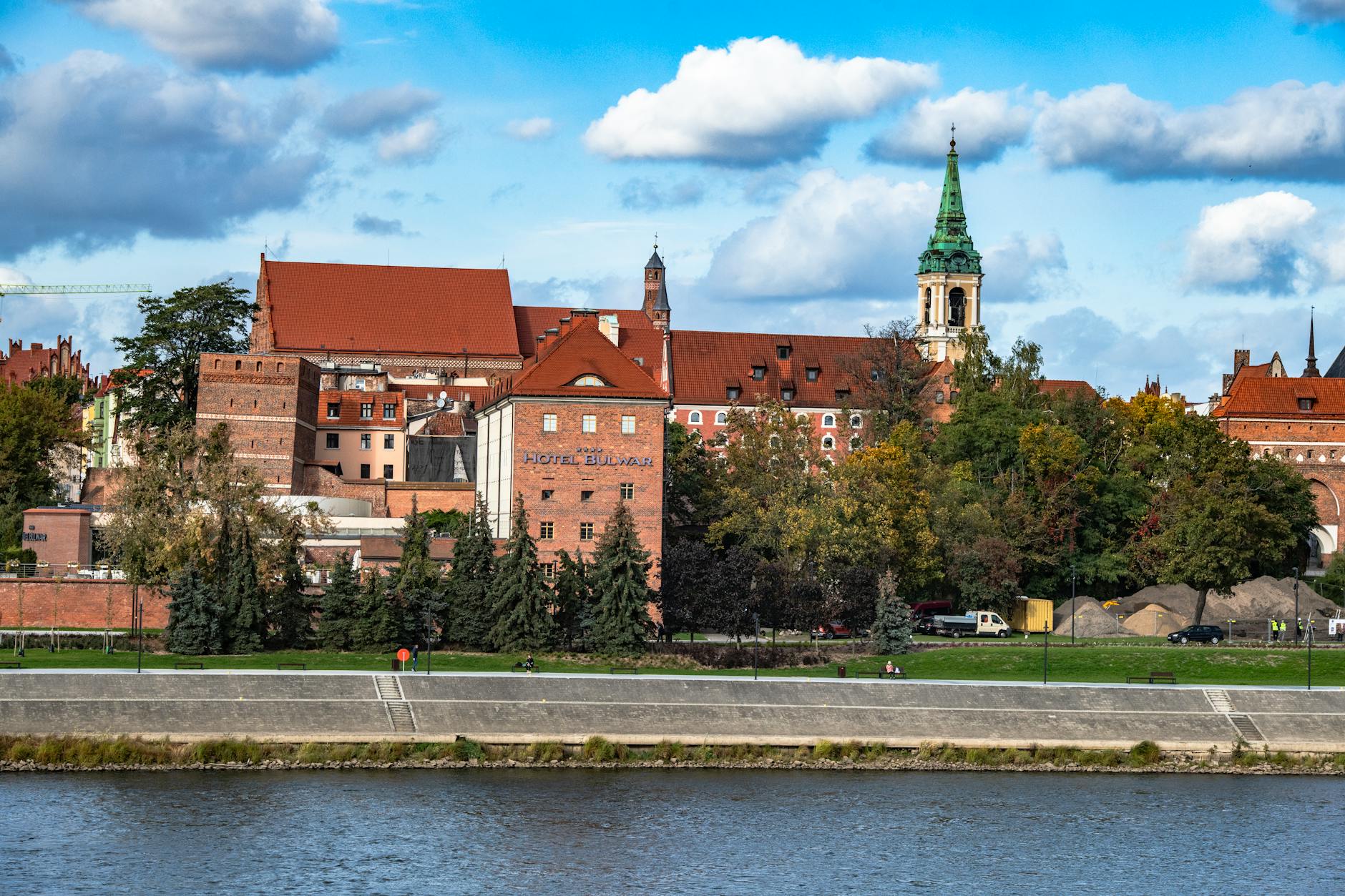
Wawel Castle crowns a limestone hill above the Vistula and served as the residence of Polish kings for over five centuries. The complex includes a cathedral, royal chambers, and a dragon's cave carved into the rock below.
The State Rooms display an extraordinary collection of Flemish tapestries commissioned by King Sigismund Augustus in the 16th century. There are 136 surviving pieces, among the finest royal textile collections in Europe.
Timed entry tickets sell out on busy summer days. Local guides recommend arriving early in the morning or booking online at least two days in advance to secure a spot for the interior rooms.
Main Market Square
The Main Market Square (Rynek Główny) spans nearly 4 hectares, making it the largest medieval town square in Europe. The Cloth Hall at its center has hosted merchants since the 13th century and still does, now selling amber jewelry and folk crafts.
St. Mary's Basilica anchors the northeast corner of the square. Every hour, a bugler plays the Hejnał Mariacki from the higher of its two towers, a tradition dating back to at least the 14th century.
The square transitions across the day from morning coffee crowds to evening dining and street performers. It rarely feels empty, but it absorbs the people well. Sitting at a cafe terrace here at dusk is simply one of the better urban experiences in Central Europe.
Kazimierz (Jewish Quarter)
The Kazimierz district carries centuries of Jewish history within a compact grid of streets south of the old town. Before World War II, roughly 65,000 Jews lived in Krakow. Kazimierz preserves synagogues, cemeteries, and prayer houses that survived the war and now serve as memorials and museums.
The Remuh Synagogue, still active today, sits beside one of the oldest surviving Jewish cemeteries in Poland. The Old Synagogue, built in the 15th century, houses a permanent museum of Jewish history and ritual objects.
Beyond the history, Kazimierz has evolved into Krakow's most creative neighborhood. Vintage shops, independent bookstores, and some of the city's best restaurants line Plac Nowy and the surrounding streets.
Auschwitz-Birkenau
The Auschwitz-Birkenau Memorial and Museum lies about 70 kilometers west of Krakow, near the town of Oświęcim. Between 1940 and 1945, the Nazi German concentration and extermination camp complex held over 1.3 million people. More than 1.1 million were killed there, the vast majority Jewish.
The visit requires time and emotional preparation. Most organized tours from Krakow last between five and seven hours. Visitor reviews consistently describe it as one of the most affecting historical sites in the world.
Entry to the museum is free, though guided tours carry a fee. Advance reservation is strongly recommended, particularly between May and September when daily visitor numbers regularly exceed 10,000. No visit to Krakow feels complete without acknowledging this place.
Food and local cuisine in Krakow
Polish cuisine in Krakow runs deeper than the pierogi that tourists immediately recognize. Those dumplings appear everywhere and in many forms: stuffed with potato and cheese, with sauerkraut and mushroom, or with meat, then boiled or pan-fried until the edges turn golden.
Żurek is a sour rye soup served in a bread bowl, often with a hard-boiled egg and white sausage inside. It tastes more complex than its description suggests. Locals eat it year-round, not just in winter.
The Kazimierz district concentrates some of the city's most interesting eating. Small restaurants in converted courtyards serve traditional Jewish-influenced dishes alongside modern Polish cooking. Plac Nowy hosts a covered market hall where the zapiekanka, an open-faced toasted baguette with toppings, has become something of a cult street food.
For drinks, Krakow's bar scene operates largely underground, literally. Basement bars built into medieval cellars beneath the old town open late and stay busy until early morning. Craft beer has grown significantly here over the past decade, with several local breweries now distributing across the city.
Budget-conscious travelers note that eating at milk bars (bar mleczny), old-style communist-era canteens now experiencing a revival, delivers filling, traditional meals for well under five euros.
Getting to Krakow and getting around
Getting there
Krakow John Paul II International Airport sits about 15 kilometers west of the city center and connects to dozens of European cities directly. Budget airlines including Ryanair and Wizz Air serve it extensively, making flights from major Western European hubs often surprisingly cheap.
Train connections from Warsaw take around two and a half hours on the express service. Direct trains also run from Vienna, Budapest, and Prague, making Krakow a natural stop on any Central European itinerary. The main train station sits right beside the old town.
Getting around
The historic center of Krakow is compact enough to explore entirely on foot. Most major sights fall within a 20-minute walk of the Main Market Square. Comfortable shoes matter more than any transport plan for the first few days.
Trams and buses cover the wider city reliably and cheaply. A single ticket costs around four zloty (under one euro). Kazimierz is a 15-minute walk south of the old town, and Wawel sits midway between the two. For Auschwitz, organized minibus tours from Krakow depart daily from multiple pickup points.
Budget and practical tips
How much to budget for Krakow
Krakow sits firmly in the moderate budget category by European standards. A bed in a well-rated hostel runs between 15 and 25 euros per night. A mid-range hotel double room typically falls between 60 and 100 euros, depending on season.
Meals at local restaurants average 8 to 15 euros per person including a drink. Museum entry fees stay low, usually between 5 and 15 euros per site. Travelers monitoring their spending closely can cover accommodation, food, transport, and major sights for around 80 to 100 euros per day.
The Polish zloty is the local currency. Card payments work widely, but carrying some cash helps in markets, smaller cafes, and the milk bars that remain cash-only.
Best time to visit: April to October
April through October covers the full range of comfortable visiting conditions in Krakow. Spring brings mild temperatures and far fewer crowds than summer. The city's parks and riverside paths come alive from May onward.
July and August see peak visitor numbers and the warmest weather, with average highs around 24 degrees Celsius. The Wianki Midsummer Festival in June draws large local crowds to the riverbanks for music and floating floral wreaths.
September and early October balance good weather with noticeably thinner crowds. Visitor reviews from this period describe it as the most relaxed time to explore at a natural pace, when the tourist pressure eases and the city feels closer to its everyday self.
Frequently Asked Questions about Krakow
Similar Destinations
Warsaw
Warsaw, Poland rebuilds its story in stone and steel: the UNESCO Old Town, the towering Palace of Culture and…
DiscoverPrague
Prague, Czech Republic, casts Gothic spires, Baroque domes and riverside views around Charles Bridge, with…
DiscoverVienna
Vienna, Austria reigns across Europe's grand capitals, from the gilded halls of Schönbrunn Palace to the…
Discover