Bali

Everything about Bali
Few places in the world generate as much devotion from returning travelers as a single Indonesian island. Visiting Bali means stepping into a destination that somehow balances ancient Hindu rituals, volcanic landscapes, and world-class surf — all within a territory smaller than Delaware.
The numbers tell part of the story: Bali welcomes over six million international visitors each year, yet manages to feel deeply local in dozens of its villages and rice-growing valleys.
What keeps people coming back is harder to quantify. The light here is different. The pace shifts. This guide covers everything needed to make the most of it.
Why Visit Bali?
What Makes Bali Unique
Bali is the only Hindu-majority island in the world's largest Muslim-majority country. That distinction shapes everything — the architecture, the ceremonies, the daily flower offerings placed on doorsteps at dawn.
Temples outnumber convenience stores. Cremation ceremonies spill into the streets with gamelan music and color. the spiritual texture of daily life in Bali is not a performance for tourists; it has been continuous for centuries.
Bali at a Glance
Bali sits in the Lesser Sunda Islands, flanked by Java to the west and Lombok to the east. the island's terrain shifts dramatically from black-sand northern beaches to terraced highland interiors and surf-hammered southern coasts.
Budget travelers and luxury seekers coexist here without friction. A €€ budget is genuinely workable — local warungs serve full meals for under two euros, and mid-range guesthouses are plentiful across every region of the island.
What to See and Do in Bali?
Tanah Lot Temple
the sea temple of Tanah Lot sits on a rocky islet just offshore, accessible on foot at low tide. At high tide, the ocean surrounds it completely, creating one of the most photographed silhouettes in Southeast Asia.
Built in the 16th century and attributed to the Hindu priest Nirartha, the temple is still an active place of worship. Non-Hindus cannot enter the inner sanctum, but the surrounding clifftop grounds are open and dramatic.
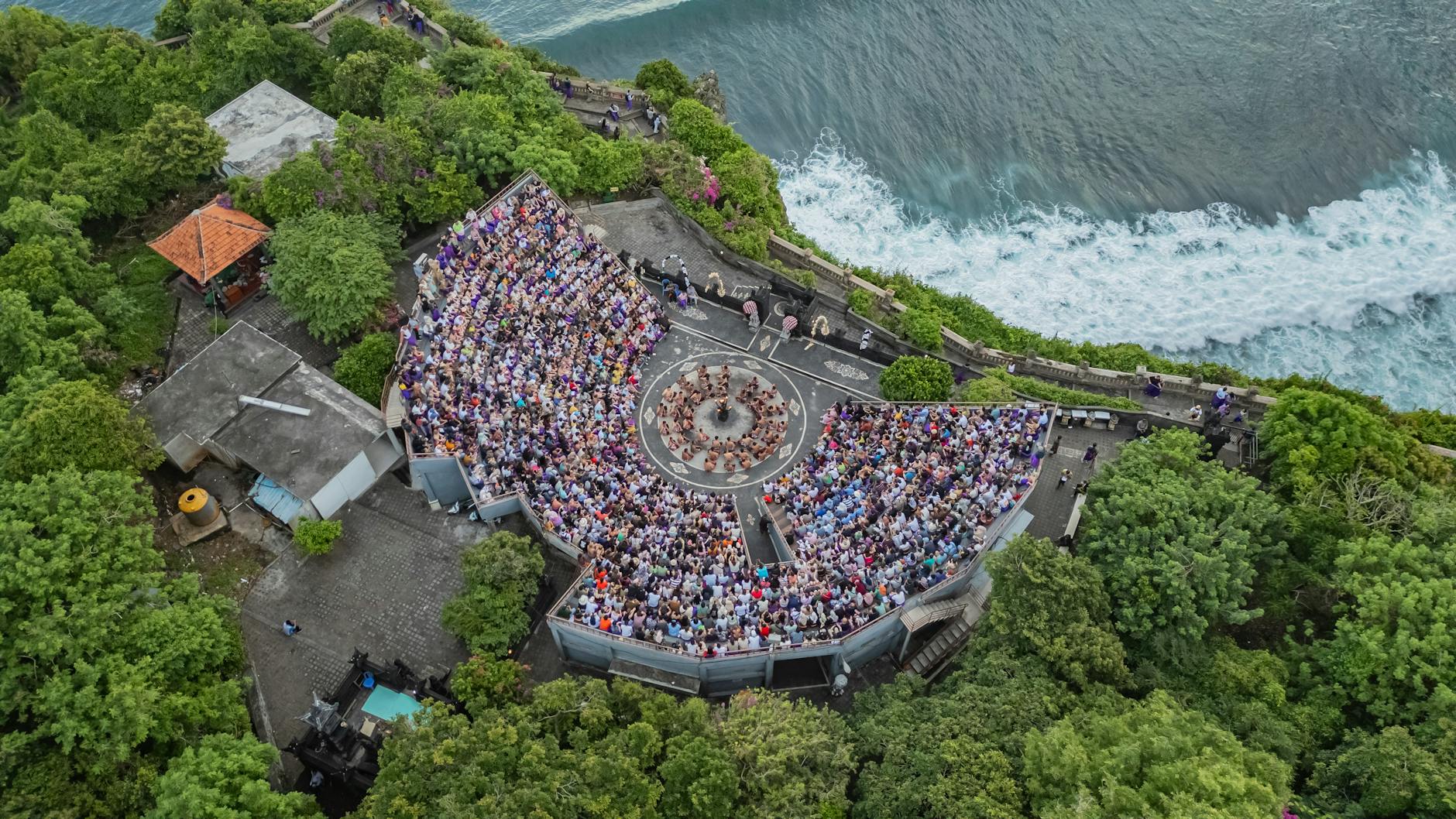
Arrive an hour before sunset. the light at Tanah Lot turns the sky behind the temple into shades of amber and deep orange that no filter can improve.
Tegallalang Rice Terraces (Ubud)
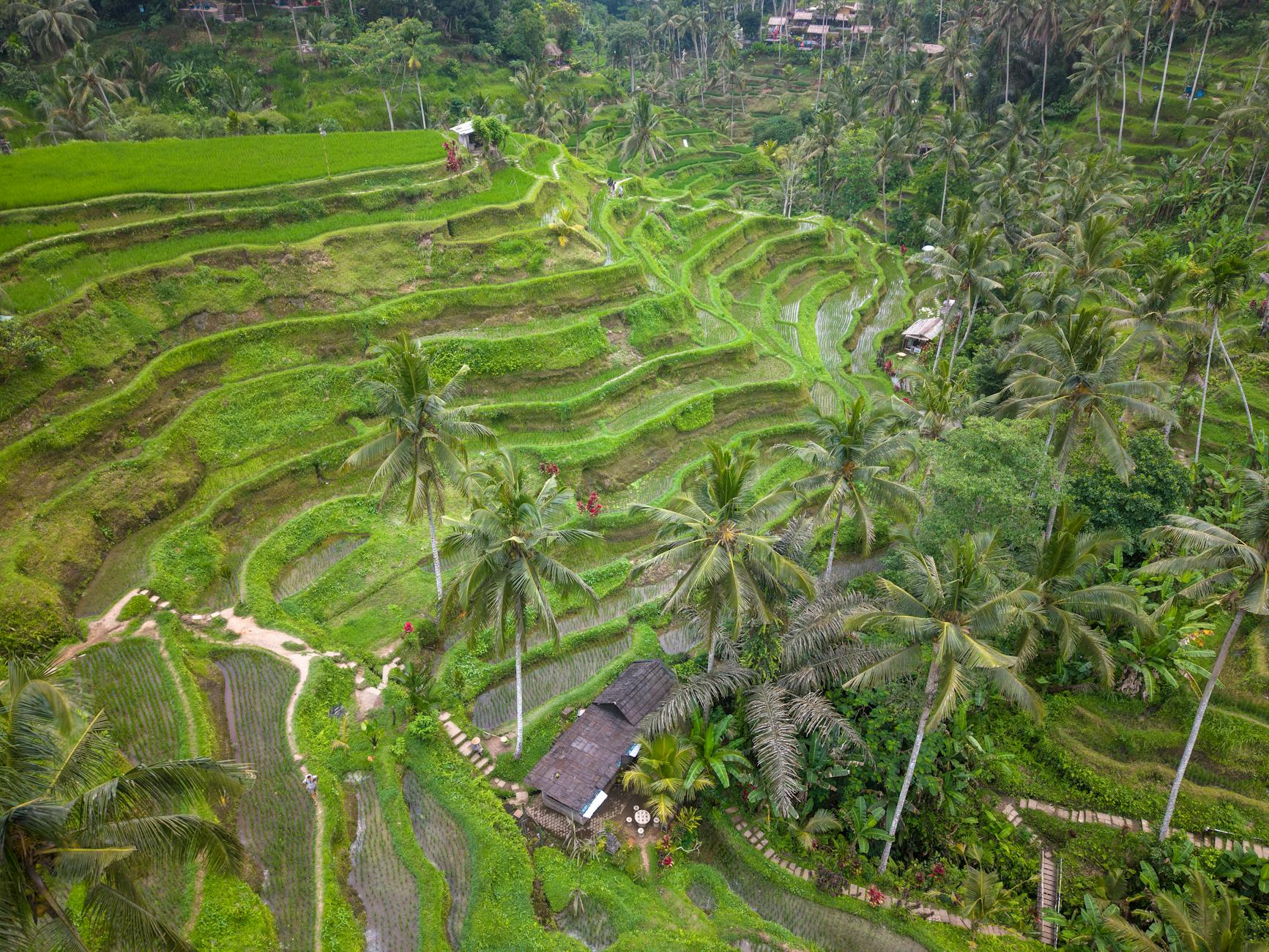
the terraced rice fields of Tegallalang, just north of Ubud, follow a traditional Balinese irrigation system called subak — a UNESCO-recognized cooperative water management network dating back to the 9th century.
The valley drops steeply, and the paddies cascade in curves that photographers position themselves for hours to capture. Early morning visits — before 8am — mean fewer crowds and mist still clinging to the lower tiers.
Local guides recommend pairing Tegallalang with a walk into Ubud's central market. the combination of highland agriculture and artisan crafts gives a rounded picture of how this part of Bali earns its living.
Kuta and Seminyak (beaches)
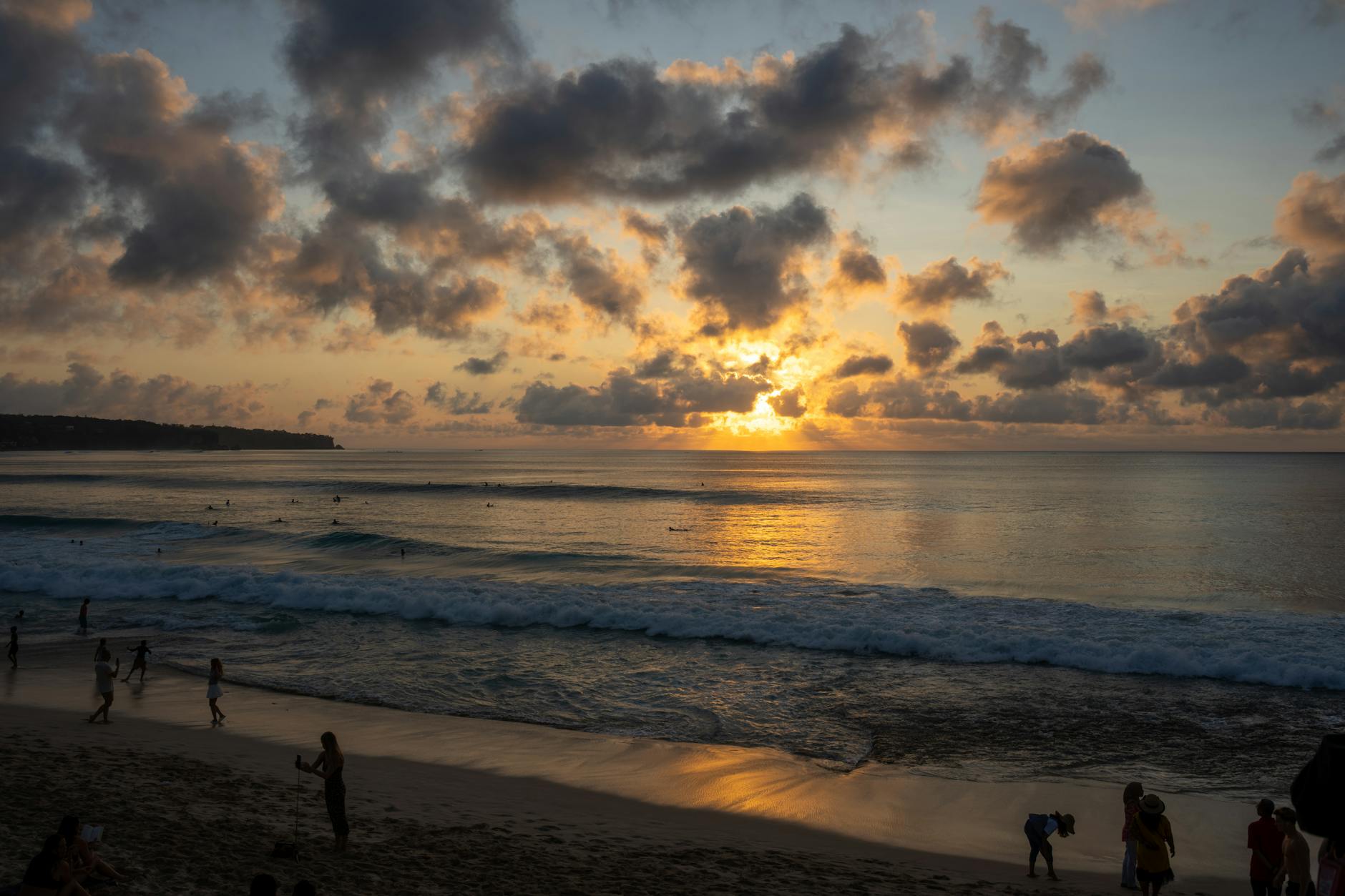
Kuta built Bali's international reputation as a surf destination in the 1970s. the long arc of Kuta Beach still draws beginners — surf schools line the shore, and instructors are among the most patient and affordable in Asia.
Seminyak, a few kilometers north, runs at a different register entirely. the beach clubs and boutique restaurants of Seminyak cater to travelers who want style alongside their sunsets, without sacrificing the warm Indian Ocean in front of them.
Visitor reviews confirm that the beach strip between these two areas rewards an evening stroll. Food carts, kite sellers, and local families share the same stretch of sand that resort guests pay premium rates to overlook.
Mount Batur (hiking)
Mount Batur, an active stratovolcano rising to 1,717 meters, is Bali's most accessible summit hike. Most trekkers start at 2am to reach the crater rim before dawn — the sunrise from the top, with Lake Batur glinting below, is worth every dark step.
The trail is steep but manageable for anyone with reasonable fitness. the guided ascent with a local Batur guide association member is not legally mandatory but strongly recommended — the mountain paths branch confusingly in darkness.
At the summit, volcanic vents still release steam. Guides often cook eggs in the natural heat as a surreal breakfast ritual that travelers note as one of Bali's most memorable small moments.
Food & Local Cuisine in Bali
Balinese cooking is distinct from Indonesian cuisine at large. the spice base called base gede — a paste of galangal, turmeric, shallots, garlic, chilies, and lemongrass — forms the backbone of dozens of local dishes.
Babi guling, a spit-roasted suckling pig seasoned with that same spice mixture, is the island's most celebrated dish. Warung Ibu Oka near Ubud's royal palace has been serving it since the 1980s and still draws queues by midmorning.
Nasi campur is the everyday meal: steamed rice surrounded by small portions of vegetables, tempeh, shredded chicken, and sambal. It costs between one and three euros at a local warung and changes flavor entirely depending on the cook.
For something lighter, lawar — a minced meat and vegetable salad bound with grated coconut and spices — appears at ceremonial meals and family kitchens alike. The version made with fresh pig blood is traditional; the vegetarian adaptation is widely available.
Drink-wise, fresh coconut water sold roadside beats any imported alternative for hydration in the heat. Arak, the local palm spirit, is genuinely potent — and the base of Bali's best cocktail, the Arak Attack, found at most beach bars.
Getting to Bali and Getting Around
Getting There
Ngurah Rai International Airport, also called Denpasar Airport, sits just south of Kuta and handles direct flights from Singapore, Kuala Lumpur, Sydney, Tokyo, and dozens of other hubs. Budget carriers like AirAsia and Scoot make regional connections affordable.
From Europe, direct flights do not yet exist — most routes connect through Singapore, Doha, or Dubai, with total travel times ranging from 14 to 20 hours depending on the layover. Booking two to three months in advance secures the best fares for peak-season travel.
Getting Around
Bali has no public rail system and bus infrastructure is limited outside Denpasar. the most practical solution for most visitors is renting a scooter — rates run around €3–5 per day, and traffic, while chaotic, moves slowly enough that newcomers adapt quickly.
For longer distances or those uncomfortable on two wheels, apps like Gojek and Grab provide metered ride-hailing across the island. private drivers hired for a full day — typically €25–40 — allow flexibility to cover multiple regions without navigation stress.
Budget & Practical Tips
How Much to Budget for Bali
Bali rewards careful budgeting. A backpacker spending on street food, hostel dorms, and scooter rental can manage comfortably on €25–35 per day. a mid-range budget of €60–90 per day unlocks private guesthouses, sit-down restaurants, and guided excursions.
Accommodation spans an enormous range. the guesthouse-dense areas of Ubud and Canggu contain hundreds of well-reviewed options between €15 and €50 per night, many with pools. High-end villas with private pools in Seminyak start around €120 and climb steeply.
Entrance fees to temples are generally low — between €1 and €3 — and often include a sarong rental required for entry. Tipping is appreciated but not expected; rounding up a bill is standard practice.
Best Time to Visit: Avril à Octobre
the dry season from April through October is the prime window for visiting Bali. Humidity drops, rainfall becomes infrequent, and the skies over the rice fields turn a blue that justifies every travel poster ever made about this island.
July and August bring the highest visitor numbers — accommodation prices rise and popular sites like Tegallalang fill quickly by mid-morning. the shoulder months of April, May, and September balance good weather with noticeably thinner crowds and lower rates.
The wet season from November through March is not without appeal — the landscape turns impossibly green and ceremonies continue year-round regardless of rain. But sustained downpours can interrupt outdoor plans, and humidity peaks in January and February.
Frequently Asked Questions about Bali
Similar Destinations
Bangkok
Bangkok, Thailand pulls travelers between gilded temples and buzzing canal markets — from the grandeur of the…
DiscoverKuala Lumpur
Kuala Lumpur, Malaysia's dazzling capital, pairs the iconic Petronas Twin Towers and sacred Batu Caves with…
DiscoverZurich
Zurich, Switzerland pairs the glittering shores of Lake Zurich with a medieval Altstadt and one of Europe's…
Discover