Explore Indonesia
1 destination to discover
Everything about Indonesia
Traveling to Indonesia means stepping into one of the most geographically and culturally diverse nations on Earth. Seventeen thousand islands stretch across three time zones, from the jungles of Sumatra to the coral reefs of Papua.
No other country packs this much variety into a single destination. Ancient Hindu temples stand minutes from surf beaches. Orangutans move through rainforests while batik weavers work in nearby villages.
Visiting Indonesia rewards slow travelers and fast movers alike. The country's sheer scale means every trip feels different — and most visitors leave with a mental list of everything they didn't have time to see.
Why travel to Indonesia?
What sets Indonesia apart from other destinations
Indonesia is the world's largest archipelago nation, covering roughly 1.9 million square kilometers of land across Southeast Asia and Oceania. That geography alone creates extraordinary variety.
Where else can you summit an active volcano in the morning and snorkel above a coral wall in the afternoon? The ecological and cultural contrasts here are genuinely staggering.
With over 300 distinct ethnic groups and more than 700 living languages, Indonesia isn't a single destination — it's dozens of destinations sharing one passport stamp.
Indonesia at a glance
Indonesia is home to approximately 277 million people, making it the fourth most populous country in the world. The capital, Jakarta, alone holds over 10 million residents.
The country spans from Sabang to Merauke — a distance comparable to crossing the continental United States. Forests here shelter tigers, proboscis monkeys, and the last wild Javan rhinos.
The national currency is the Indonesian Rupiah (IDR). Bahasa Indonesia serves as the unifying national language, though English is widely spoken in tourist areas.
Regions and cities to explore
The main regions of Indonesia
Sumatra is a vast, forested island with an intense personality — from the highlands of Lake Toba to the coastal city of Banda Aceh, which carries the memory of the 2004 tsunami with remarkable resilience.
Java is the country's political and cultural heartbeat. It holds Jakarta, Bandung, the Borobudur temple complex, and dense volcanic landscapes that have shaped civilization here for centuries.
Kalimantan, the Indonesian portion of Borneo, is frontier territory. Balikpapan serves as the main gateway into a region of coal-mining towns, river villages, and some of the oldest rainforest on the planet.
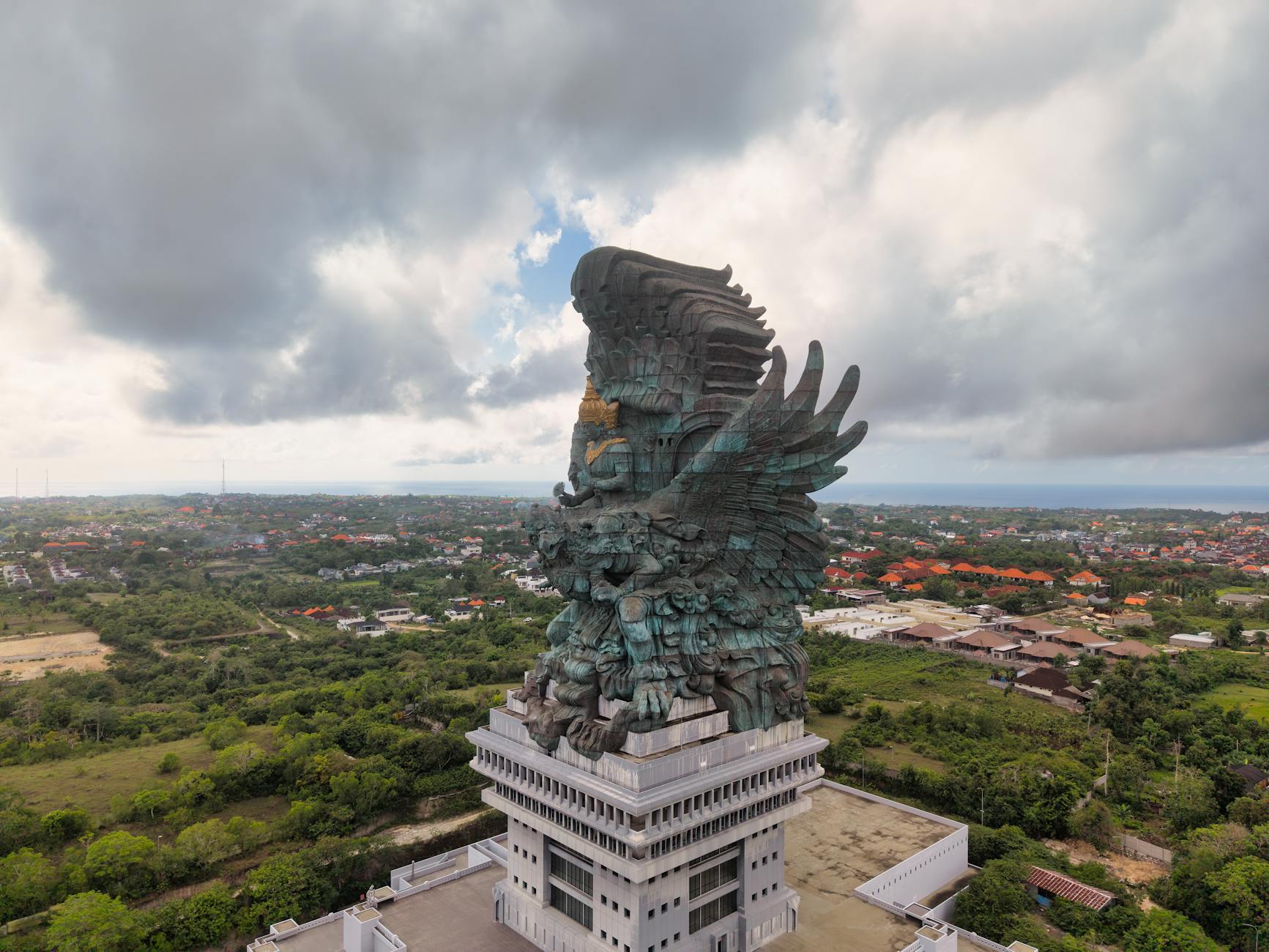
Nusa Tenggara runs east from Bali through Lombok, Flores, and toward Timor. The Komodo archipelago sits here, remote and prehistoric in feeling.
Papua remains one of the least-visited corners of the world, protecting ecosystems and indigenous cultures that have stayed largely intact for thousands of years.
Which cities should you visit?
Bali is not a city but a province — though Denpasar functions as its urban center. Most travelers base themselves in Seminyak, Ubud, or Canggu, each with a distinctly different pace.
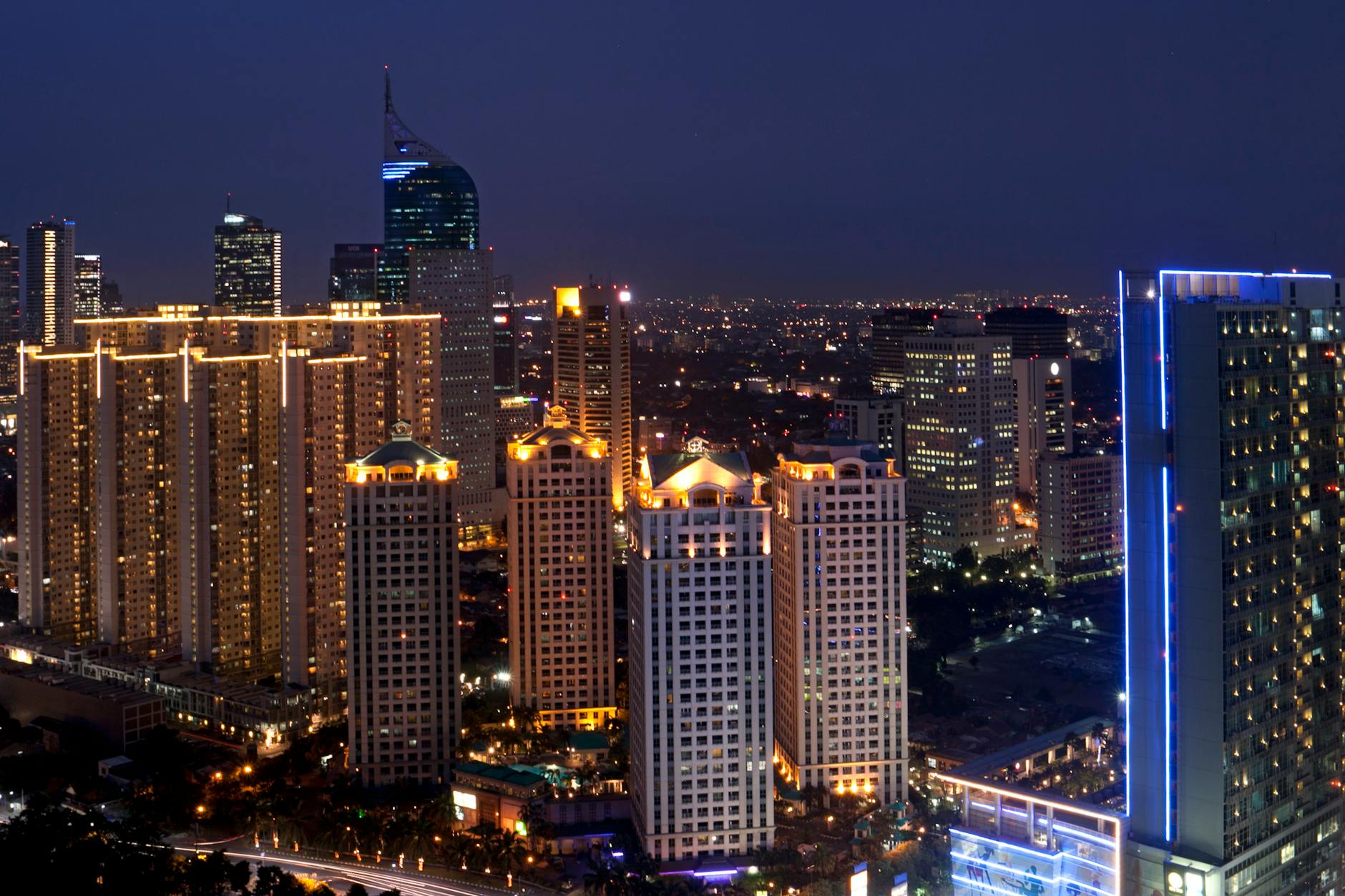
Jakarta is sprawling, chaotic, and completely fascinating. The old Kota district, the National Museum, and the street food corridors of Glodok reward travelers willing to push past its intimidating traffic.
Bandung, just three hours from Jakarta by road, sits at altitude and carries a cooler climate. Its colonial architecture, creative food scene, and volcanic day trips make it worth a two-night stop.
Balikpapan functions as the jumping-off point for Kalimantan's interior. It's a working city rather than a tourist hub, but river tours to see proboscis monkeys and fireflies begin here.
Banda Aceh marks the northwestern tip of Indonesia, with a proud Islamic heritage and the deeply moving Tsunami Museum, one of the most thoughtfully built memorial spaces in Asia.
Komodo, technically an island rather than a city, is the access point for seeing Komodo dragons — the world's largest living lizards — in their natural habitat on a UNESCO World Heritage site.
Culture, traditions and way of life
Indonesia is the world's largest Muslim-majority nation, yet its cultural identity resists simple labels. Bali practices a unique form of Hinduism, Papua is predominantly Christian, and animist traditions survive quietly beneath many formal religions.
The concept of gotong royong — communal cooperation — runs deep. Neighbors build houses together, villages share harvests, and celebrations are collective events that outsiders are often warmly invited to join.
Batik, the traditional wax-resist dyeing technique, has been recognized by UNESCO. Different regions produce different patterns, and local guides can explain what each motif communicates about status, occasion, and origin.
Traditional performing arts vary dramatically by region. Balinese kecak dance, Javanese wayang shadow puppetry, and Acehnese saman dance are all living traditions performed regularly — not preserved behind museum glass.
Visitor reviews confirm that Indonesians are generally warm toward respectful travelers. Dress modestly when entering temples or mosques. Remove shoes when invited into homes. Learning a few phrases in Bahasa Indonesia — terima kasih (thank you), permisi (excuse me) — generates genuine smiles everywhere.
Food: the flavors of Indonesia
Indonesian cuisine is built on bold contrasts: fiery sambal chili pastes alongside coconut milk curries, sour tamarind broths next to caramelized soy glazes. The flavor range is extraordinary.
Nasi goreng — fried rice with egg, sweet soy sauce, and assorted vegetables or protein — is the unofficial national dish. It appears on breakfast menus and late-night street stalls with equal frequency.
Rendang, a slow-cooked dry beef curry from West Sumatra, has repeatedly topped global lists of the world's best dishes. The cooking process alone can take four to six hours.
Bali's food culture leans toward babi guling, a ceremonial spit-roasted pig, and lawar, a complex minced meat salad with fresh herbs and spiced coconut. These are deeply tied to religious ritual.
Street food is where the real eating happens. Sate skewers grilled over coconut shell charcoal, bakso meatball soup, and gado-gado vegetable salad with peanut sauce cost between 15,000 and 40,000 IDR per serving — roughly one to three US dollars.
Local guides recommend drinking jamu, the traditional herbal tonic made from turmeric, ginger, and tamarind. Vendors carry it in baskets through markets every morning. It tastes medicinal and earthy — in the best way.
Practical information
Visa and entry requirements
Citizens of over 90 countries can enter Indonesia visa-free for stays up to 30 days, with extensions available. Others can apply for a Visa on Arrival at major international airports and sea ports, currently priced at 500,000 IDR (approximately USD 32).
Bali's Ngurah Rai, Jakarta's Soekarno-Hatta, and Surabaya's Juanda airports are the primary international entry points. Entry requirements change periodically — checking with the nearest Indonesian consulate before travel is always advisable.
Health documentation requirements vary by origin country. Yellow fever vaccination certificates are required for travelers arriving from endemic regions. Travel insurance that covers medical evacuation is strongly recommended.
Budget and cost of living
Indonesia suits a wide range of budgets. Budget travelers can manage comfortably on USD 30–50 per day, covering guesthouse accommodation, street food, and local transport.
Mid-range travelers spending USD 80–150 per day access boutique hotels, restaurant meals, and organized day tours. Bali skews more expensive than other regions, particularly in Seminyak and Ubud's resort corridors.
A domestic flight between Jakarta and Bali typically costs between USD 25 and USD 80, depending on the airline and booking window. Lion Air, Citilink, and Garuda Indonesia cover most inter-island routes.
Getting around
Between islands, domestic flights are the practical choice given Indonesia's scale. Ferries connect shorter routes — Java to Bali, Bali to Lombok — and carry the charm of slow travel.
Within cities, Gojek and Grab ride-hailing apps are reliable, affordable, and available in most urban centers. Both work smoothly without local SIM data if downloaded and set up before arrival.
Renting a scooter is common practice in Bali and other tourist-heavy islands. Local traffic operates with its own logic — travelers note that defensive riding and an international driving permit make the experience considerably safer.
When to visit Indonesia?
Indonesia straddles the equator, which means it operates on two seasons: the dry season from May to September and the wet season from October to April. Neither season is uniformly bad or good.
The dry season is peak travel time across most of the country. Bali, Lombok, and Komodo are at their most accessible — clear skies, calm seas, good visibility for diving. Expect higher prices and full guesthouses in popular areas.
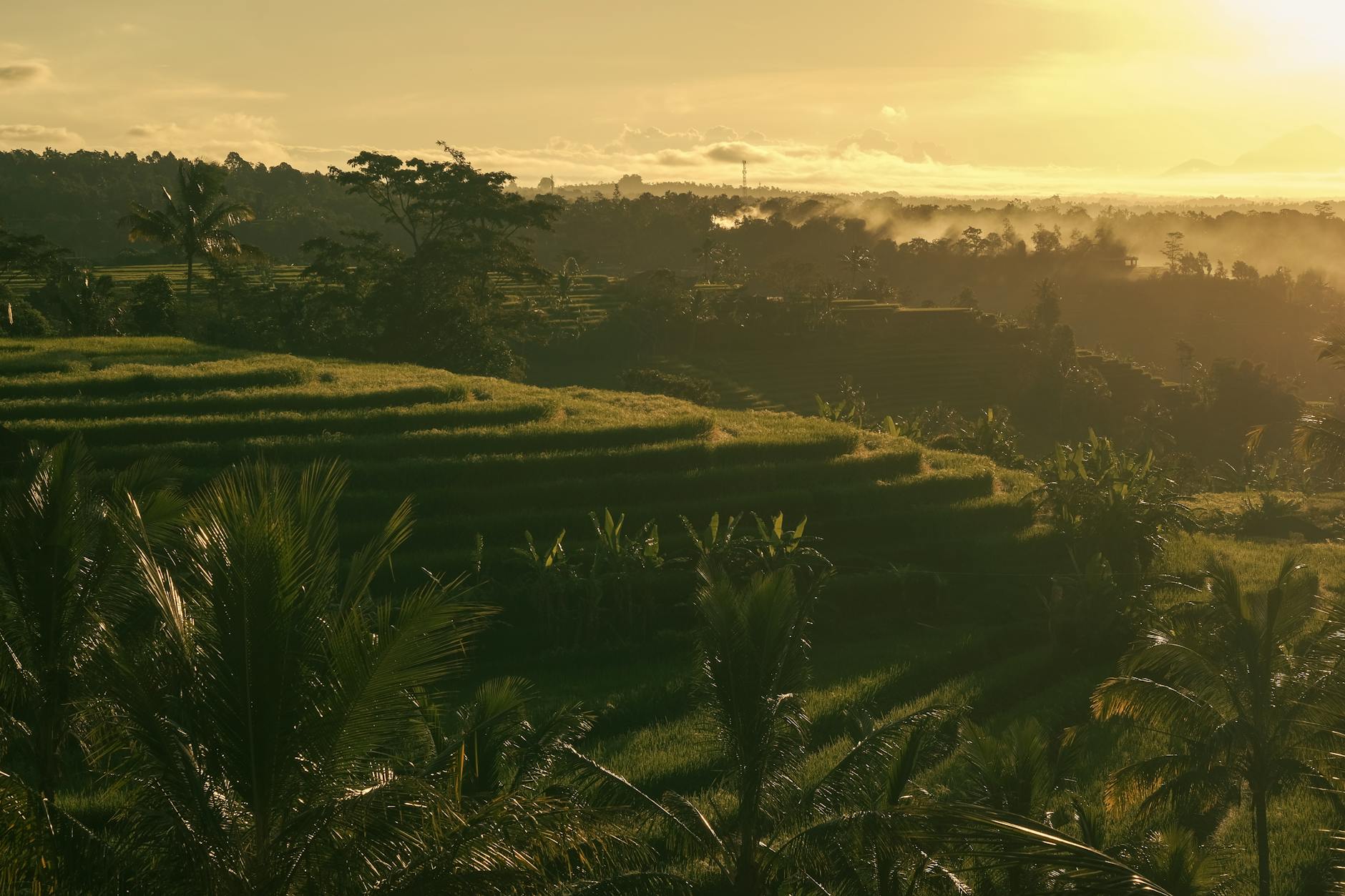
The wet season brings dramatic afternoon storms but also lush green landscapes, fewer tourists, and lower rates across accommodation. Ubud's rice terraces glow an almost unreal green during this period.
Sumatra and Kalimantan receive rainfall year-round, so season matters less there. Visiting Banda Aceh and Lake Toba can be planned outside the standard dry-season window without major compromises.
Local guides recommend April to June as the sweet spot — dry enough for beach and outdoor activities, less crowded than July and August, and priced slightly below peak. For diving around Komodo, April through August brings the strongest visibility.
Timing a visit to coincide with Nyepi, Bali's Day of Silence, or the Galungan festival creates experiences that no amount of planning can replicate. These events follow the Balinese calendar — worth checking dates in advance.
Frequently Asked Questions about Indonesia
Similar Destinations
Explore more destinations in the same region of the world.
Kuala Lumpur
Kuala Lumpur, Malaysia's dazzling capital, pairs the iconic Petronas Twin Towers and sacred Batu Caves with…
DiscoverBangkok
Bangkok, Thailand pulls travelers between gilded temples and buzzing canal markets — from the grandeur of the…
DiscoverBeijing
Beijing, China layers imperial drama and living street life, from the Forbidden City’s vermilion gates to…
Discover