Medina

Everything about Medina
Only Muslims are permitted to enter Medina, making it one of the most exclusive sacred cities on earth. Visiting Medina means stepping into a place where spiritual weight is almost physical, felt in every crowded corridor and quiet courtyard.
This is the city where the Prophet Mohammed lived, built a community, and was buried. No other city in Islam carries quite this combination of historical depth and living devotion.
What awaits here is not a tourist attraction but a pilgrimage destination unlike anything else in the Middle East. The experience reshapes how travelers understand faith, history, and sacred space.
Why visit Medina?
What makes Medina unique
Medina holds the second most sacred status in Islam, just after Mecca. The Prophet's Mosque sits at the very heart of the city, drawing millions of worshippers every year from across the globe.
Unlike many religious cities that have been gradually secularized, Medina remains intensely focused on faith. Every street, every market, and every conversation circles back to its profound Islamic heritage.
Medina at a glance
The city welcomes around 8 million visitors annually, with numbers spiking dramatically during Ramadan and the Hajj season. Infrastructure has expanded significantly to accommodate this scale of devotion.
Located in the Hejaz region of western Saudi Arabia, Medina sits roughly 400 kilometers north of Mecca. Temperatures are moderate between November and March, making those months far more comfortable for extended visits and long hours of worship.
What to see and do in Medina?
Prophet's Mosque (Al-Masjid an-Nabawi)
Al-Masjid an-Nabawi is the second largest mosque in the world, capable of accommodating over 1.5 million worshippers at peak capacity. The original structure was built by the Prophet Mohammed himself in 622 CE.
The mosque's iconic green dome marks the precise location of the Prophet's burial chamber. Visitors approach with visible reverence, lowering their voices and slowing their pace as they near the inner sections.
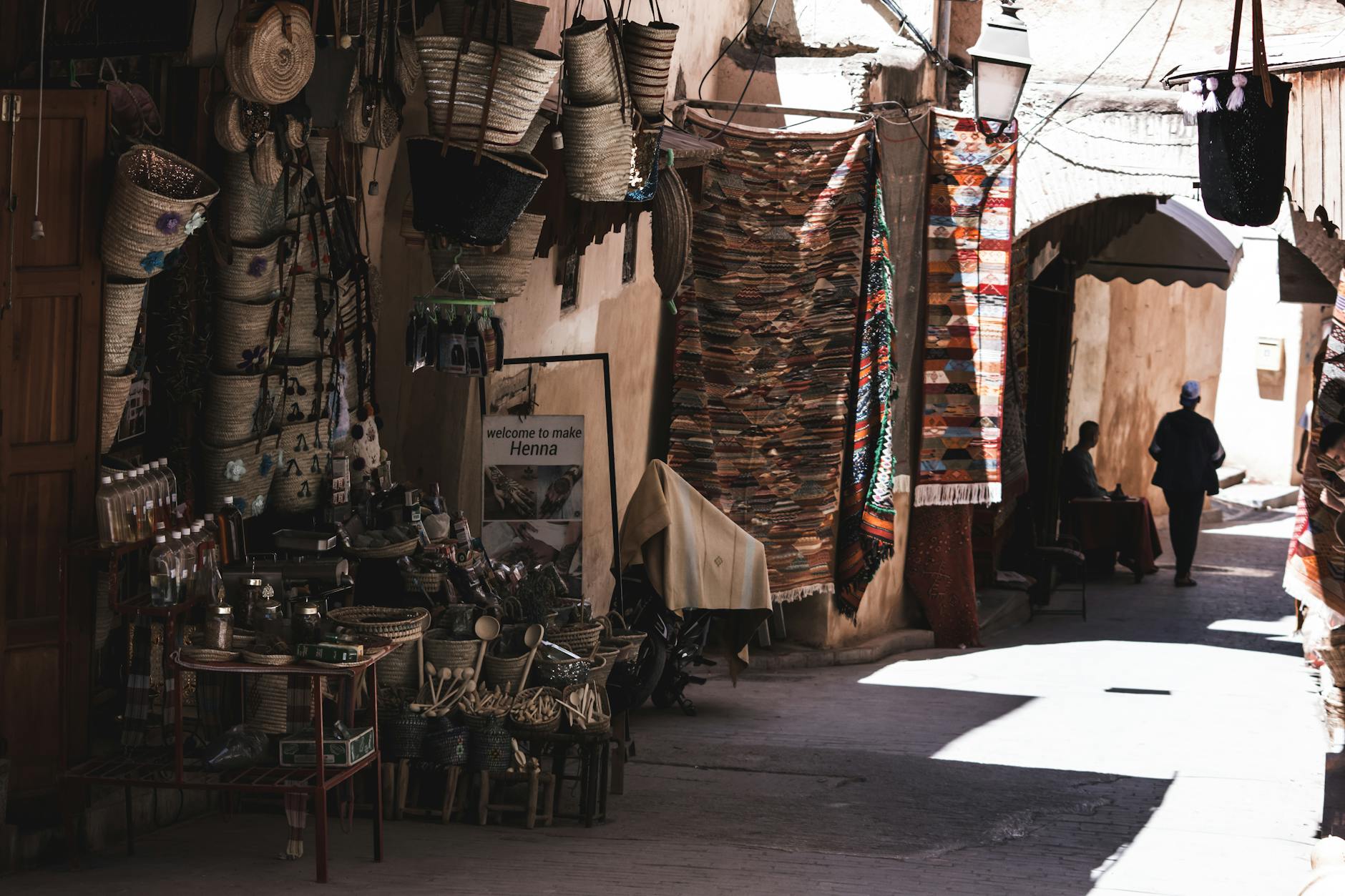
The retractable umbrellas shading the outer courtyards have become a modern architectural landmark. Local guides recommend arriving before Fajr, the pre-dawn prayer, to experience the mosque at its most serene and uncrowded.
Prophet Mohammed's Tomb
The tomb of the Prophet Mohammed is located within the southeastern corner of Al-Masjid an-Nabawi. It also contains the graves of the first two caliphs, Abu Bakr and Umar ibn al-Khattab.
Access to the area directly surrounding the tomb is carefully managed by Saudi authorities. Visitors pass through designated corridors, pausing to send blessings (salawat) before moving on to allow the continuous flow of worshippers.
The emotional intensity in this section of the mosque is unlike anything found elsewhere. Visitor reviews consistently describe moments of unexpected stillness amid the crowds, a quiet that seems to exist independently of the noise around it.
Al-Baqi Cemetery
Al-Baqi Cemetery, also known as Jannat al-Baqi, lies directly adjacent to the eastern wall of the Prophet's Mosque. It is one of the oldest and most significant Islamic burial grounds in existence.
Many of the Prophet's closest companions, wives, and family members are buried here. The site carries deep meaning for both Sunni and Shia Muslims, though for different historical and theological reasons.
The cemetery is open to male visitors at specific hours, typically after each of the five daily prayers. Travelers note that the austere simplicity of the graves, plain mounds without elaborate markers, creates a strikingly humble atmosphere.
Intense Spiritual Atmosphere
Beyond the specific sites, Medina itself functions as a living spiritual environment. The entire city center radiates a sense of heightened consciousness that visitors from every Muslim background tend to describe in similar terms.
The streets surrounding the Prophet's Mosque are filled at all hours with worshippers reciting quietly, scholars reading, and families sitting in respectful contemplation. There is no performative tourism here.
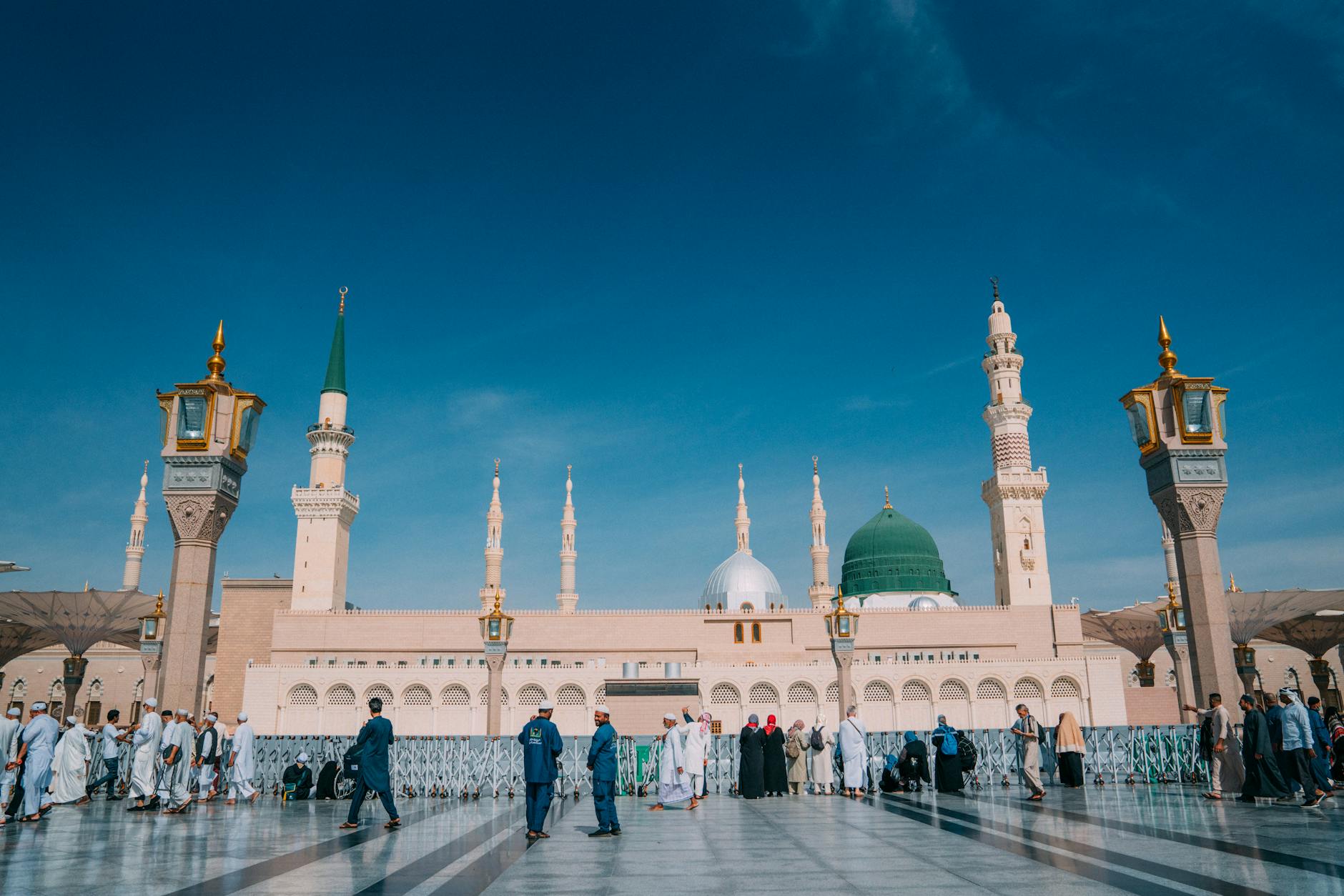
Spending time in the mosque's courtyard between prayers, watching the rhythm of arrivals and departures, gives a direct sense of how Islam is practiced as a daily, lived reality. This dimension of Medina simply cannot be replicated anywhere else.
Food & local cuisine in Medina
Medina's food scene reflects its role as a gathering point for Muslims from every corner of the world. The restaurants and food stalls near the mosque serve a genuinely international spread alongside traditional Hejazi cooking.
Hejazi cuisine leans heavily on slow-cooked lamb, fragrant rice dishes, and fresh flatbreads. Kabsa, a spiced rice dish with meat, is considered the regional staple and appears on nearly every local menu.
Mutabbaq is a filled pastry sold widely around the mosque area, stuffed with spiced minced meat or sweet fillings. It makes an ideal quick meal between prayers, particularly during the long days of Ramadan.
The area around Al-Anbariyya Square hosts older restaurants that have been feeding pilgrims for generations. These places prioritize generous portions over presentation, which suits the communal spirit of the city perfectly.
Dates are a constant presence throughout Medina. Visitors frequently bring back boxes of the locally grown Medjoul and Ajwa varieties, the latter being among the most prized dates in the Islamic world.
Alcohol is completely prohibited in Saudi Arabia. Beverages center on fresh juices, Arabic coffee flavored with cardamom, and strong sweet tea served in small glasses at almost every establishment.
Getting to Medina and getting around
Getting there
Prince Mohammad bin Abdulaziz International Airport connects Medina to major international hubs, including direct flights from London, Paris, Istanbul, and Kuala Lumpur. Saudi Airlines and several budget carriers serve this route.
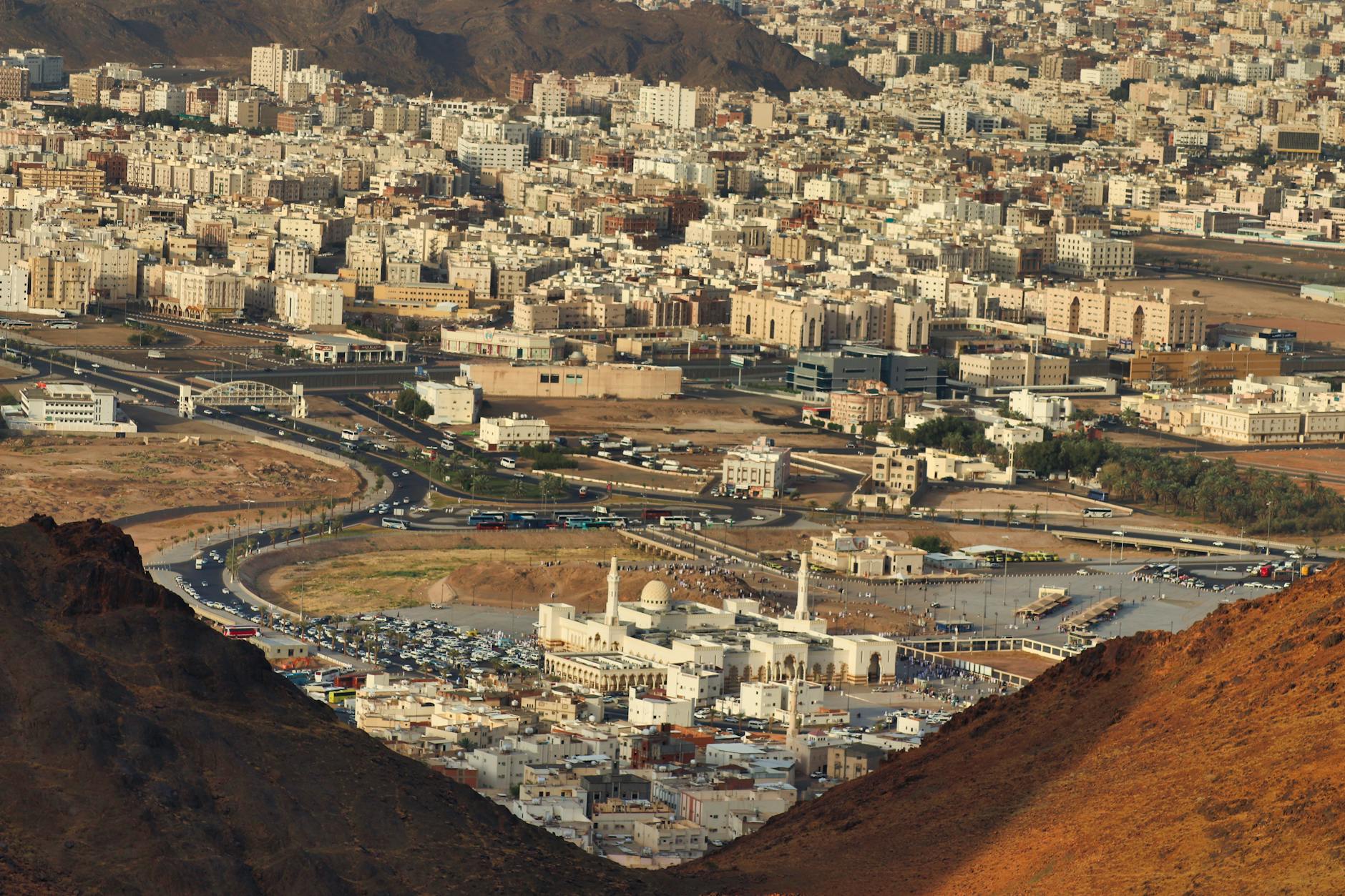
The Haramain High Speed Railway links Medina to Mecca, Jeddah, and King Abdullah Economic City at speeds reaching 300 km/h. The journey from Jeddah to Medina takes approximately two hours and is a comfortable, modern connection.
Getting around
Within the city center, most pilgrims walk between the mosque and their accommodation. The area immediately surrounding Al-Masjid an-Nabawi has been designed with pedestrian movement in mind, and distances are manageable on foot.
Ride-hailing apps including Uber and the Saudi platform Careem function reliably throughout Medina. Taxis are available but agree on a price before departing. Bus services connect the main religious sites for visitors staying further from the center.
Budget & practical tips
How much to budget for Medina
Medina fits a moderate budget comfortably. Mid-range hotels near the Prophet's Mosque typically run between 80 and 150 euros per night, with prices rising sharply during Ramadan and the Hajj period.
Meals at local restaurants cost between 5 and 15 euros per person. Street food and canteen-style pilgrim restaurants keep costs even lower for those watching their spending.
Entry to all major religious sites is free of charge. The main expenses are accommodation, food, and any souvenirs or gifts purchased from the markets near the mosque.
A realistic daily budget of 60 to 100 euros covers accommodation, meals, local transport, and incidentals for most travelers visiting Medina outside of peak religious seasons.
Best time to visit: November to March
Temperatures in Medina can exceed 40°C in summer. The cooler months between November and March bring daytime highs of 20 to 28°C, which makes long hours of outdoor walking and extended time in open courtyards genuinely pleasant.
Ramadan draws enormous crowds but also creates an extraordinary atmosphere. Visitor reviews describe the collective experience of breaking fast together in the mosque courtyard as one of the most moving experiences in Islamic travel. Plan accommodation well in advance for any visit coinciding with religious high seasons.
Frequently Asked Questions about Medina
Similar Destinations
Jeddah
Jeddah, Saudi Arabia's gateway to the Red Sea, pairs UNESCO-listed coral houses in Al-Balad with the world's…
DiscoverDubai
Dubai, in the United Arab Emirates, rises from the desert with record-breaking landmarks: the Burj Khalifa at…
DiscoverIstanbul
Istanbul, Turkey's legendary crossroads of Europe and Asia, draws travelers to iconic landmarks like Hagia…
Discover