Bangkok

Everything about Bangkok
What if one city could compress an entire civilization into a single skyline? Bangkok does exactly that — ancient temples rising beside glass towers, floating markets humming at dawn while rooftop bars glow at midnight.
Visiting Bangkok means stepping into a place that refuses to stand still. Over 22 million tourists pass through each year, yet the city still manages to feel genuinely itself — chaotic, generous, and startlingly beautiful.
This guide covers everything from the gilded temples of the old royal quarter to the street-food lanes where locals eat at 2am. Bangkok rewards curiosity at every turn.
Why visit Bangkok?
What makes Bangkok unique
Bangkok carries a rare duality. The temples, canals, and street shrines belong to a city centuries old, while the BTS Skytrain, rooftop infinity pools, and Michelin-starred restaurants belong to one of Asia's most ambitious metropolises.
Few capitals in the world move this fast while holding this much history intact. The contrast between sacred and electric is not a cliché here — it is the lived texture of every neighborhood.
Bangkok at a glance
Bangkok is the capital of Thailand, home to roughly 10.5 million residents and situated on the Chao Phraya River delta. The official name of the city in Thai is considered the longest place name on earth — a 169-letter ceremonial title.
The city sits at low elevation in a tropical climate zone. The budget category for most travelers is moderate — street food, public transport, and mid-range guesthouses keep daily costs surprisingly accessible compared to other Asian capitals.
What to see and do in Bangkok?
Grand Palace and Temple of the Emerald Buddha
The Grand Palace complex covers 218,000 square meters in the heart of the old city. Built in 1782 when Bangkok became the capital, it remains the most visited site in Thailand.
The Temple of the Emerald Buddha sits within the palace walls and houses a 66-centimeter jade statue that changes its golden seasonal costume three times a year — a ritual performed by the King himself.
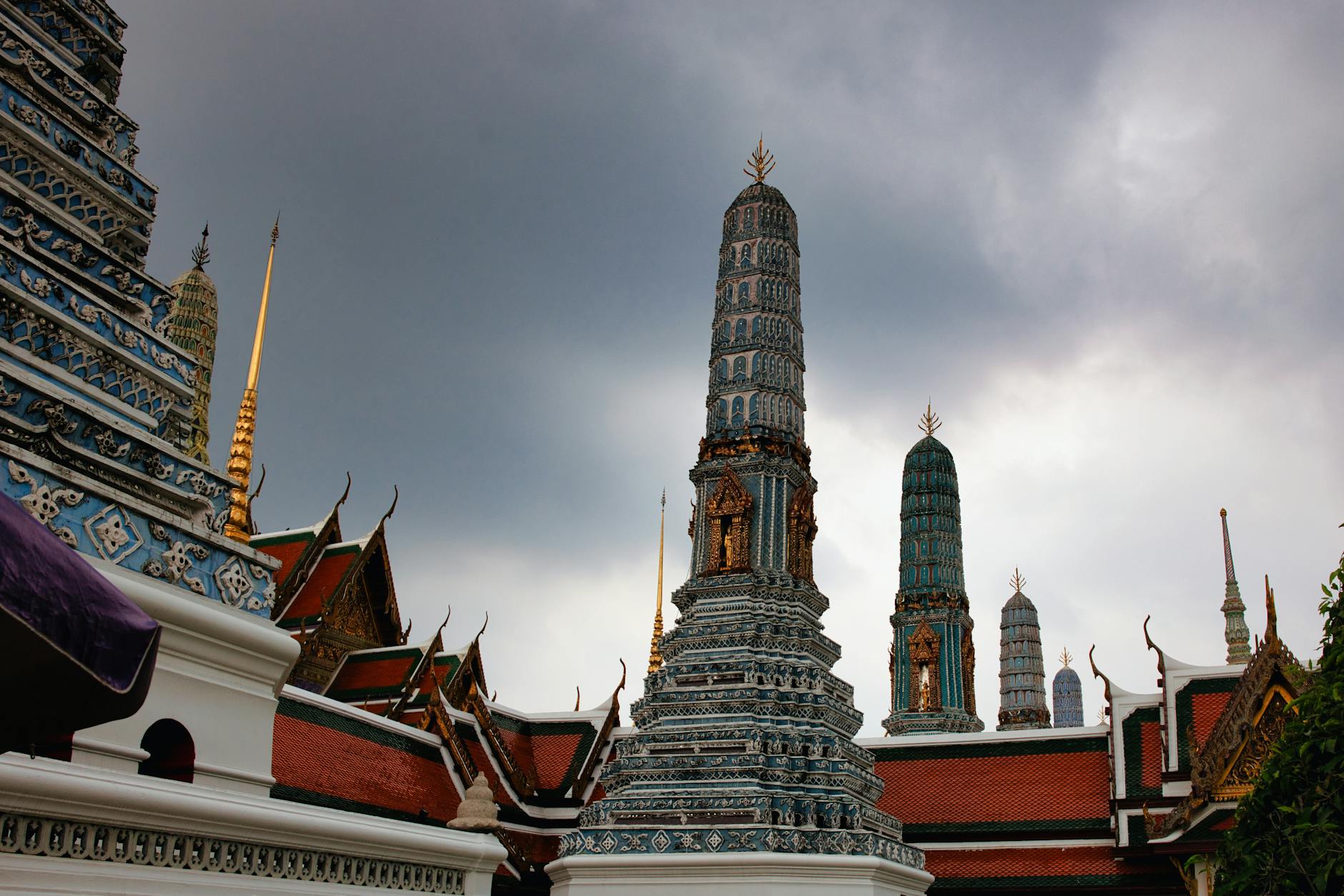
Visitors note that arriving before 9am significantly reduces crowds. A dress code is strictly enforced: shoulders and knees must be covered, and sarongs are available to borrow at the entrance gate.
Wat Pho (Reclining Buddha)
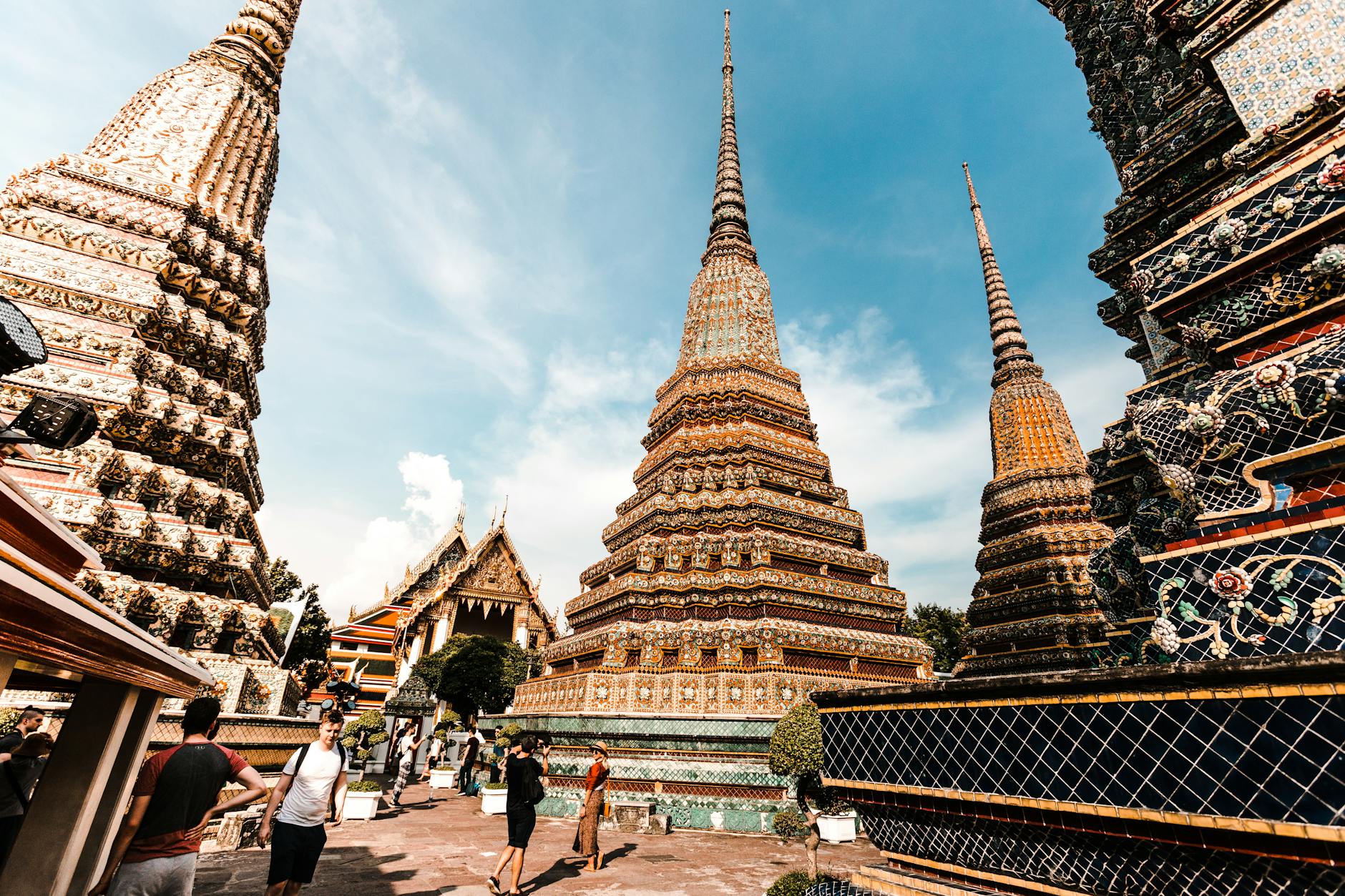
Wat Pho is one of Bangkok's oldest and largest temple complexes, dating back to the 16th century. It holds over 1,000 Buddha images across its grounds.
The reclining Buddha statue measures 46 meters long and 15 meters high, its feet inlaid with 108 auspicious symbols in mother-of-pearl. The sheer scale inside the narrow building stops most visitors mid-step.
Wat Pho is also regarded as the birthplace of traditional Thai massage. A school operates on-site, and a legitimate one-hour massage session costs around 420 baht — one of the better value experiences in the city.
Damnoen Saduak Floating Market
The Damnoen Saduak Floating Market sits about 100 kilometers southwest of Bangkok, in Ratchaburi Province. It operates from approximately 6am to noon and is most active in the early morning hours.
Vendors paddle narrow wooden boats loaded with tropical fruits, noodle soups, and fresh flowers along the historic canal network that once served as Bangkok's primary commercial artery.
Local guides recommend taking a longtail boat through the smaller side canals rather than staying on the main tourist channel. The quieter routes reveal the actual rhythm of the market — locals shopping, not performing.
Khao San Road District
Khao San Road earned its global reputation as the original Southeast Asia backpacker hub. A short stretch of street in the Banglamphu district, it has been a traveler gathering point since the 1980s.
By day, the road fills with guesthouses, mango smoothie vendors, and tailor shops. After sunset, the street transforms completely — live music, open-air bars, and street food grills take over the entire block.
Beyond the tourist spine, the surrounding Banglamphu neighborhood holds excellent local restaurants, independent bookshops, and one of the city's best night markets along Rambuttri Road. It repays a slow afternoon walk.
Food & local cuisine in Bangkok
Bangkok has held a reputation for extraordinary street food for decades. The Michelin Guide Bangkok has, since its 2018 launch, consistently recognized street stalls alongside fine dining — a rare acknowledgment for hawker culture globally.
Pad Thai, khao man gai, and boat noodles are staples found at any hour. Som tam — green papaya salad — comes in dozens of regional variations, and ordering it from a street vendor near Chatuchak Market is a lesson in complexity.
Visitor reviews confirm that Yaowarat Road in Chinatown is one of the finest places to eat in Asia after dark. Grilled seafood, roast duck, and mango sticky rice stands line both sides of the road from about 6pm.
For those wanting to go deeper, a Thai cooking class run out of a local home kitchen costs between 1,000 and 1,800 baht for a half-day session, typically including a morning market tour.
The night market at Or Tor Kor, adjacent to Chatuchak Weekend Market, draws Bangkok residents rather than tourists — a reliable indicator of quality and freshness.
Getting to Bangkok and getting around
Getting there
Bangkok is served by two airports. Suvarnabhumi Airport (BKK) handles most international long-haul flights and sits about 30 kilometers east of the city center, connected by the Airport Rail Link in roughly 30 minutes.
Don Mueang Airport (DMK) handles low-cost carriers across Southeast Asia, including AirAsia, Nok Air, and Lion Air routes. It connects to the city center by bus and taxi, as no direct rail link currently exists.
Getting around
The BTS Skytrain and MRT Metro cover most major tourist areas efficiently and cost between 16 and 59 baht per journey. They run until midnight and remain the cleanest, fastest way to navigate the city.
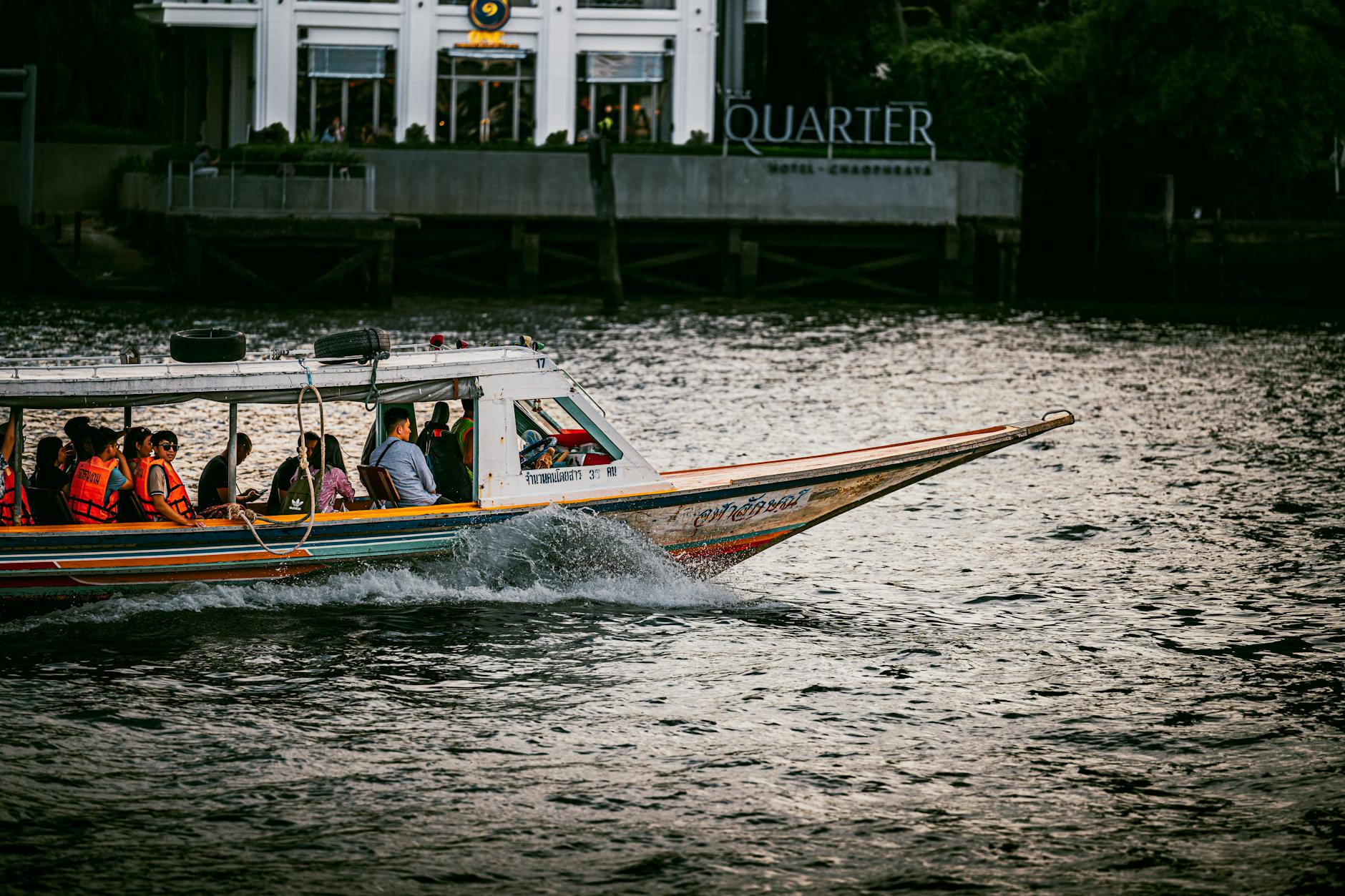
Tuk-tuks are atmospheric but best used for short hops after agreeing a price upfront. The Chao Phraya Express Boat connects riverside temples and neighborhoods for just 15 to 40 baht — a genuine commuter service that doubles as a scenic route.
Budget & practical tips
How much to budget for Bangkok
Bangkok sits comfortably in the moderate budget category. A traveler staying in a well-reviewed mid-range guesthouse, eating street food for most meals, and using public transport can manage on roughly €35–55 per day.
Street food meals typically cost 50–150 baht. A BTS day pass runs 140 baht. Entrance to the Grand Palace is 500 baht — the single largest ticket cost most visitors encounter.
Budget travelers sharing dormitory rooms and eating almost exclusively from street stalls can reduce that figure closer to €20–25 per day. Private boutique hotels push the ceiling significantly higher, with quality options starting around €60–80 per night.
Best time to visit: Novembre à Mars
November through March represents Bangkok's cool and dry season. Temperatures range between 22°C and 32°C, humidity drops noticeably, and rainfall is minimal — these are the most comfortable conditions for walking between temple complexes.
April and May bring intense heat, with temperatures regularly exceeding 38°C. The monsoon season runs from June through October, bringing heavy afternoon rains daily — manageable but worth factoring into any itinerary involving outdoor markets or river excursions.
Local guides recommend December and January as the peak of the good season — clear skies, cool evenings, and the city at its most walkable. Book accommodation further in advance during these months, as demand rises sharply.
Frequently Asked Questions about Bangkok
Similar Destinations
Bali
Bali, Indonesia, draws travelers with dramatic sea temples like Tanah Lot, the emerald terraced rice fields…
DiscoverKuala Lumpur
Kuala Lumpur, Malaysia's dazzling capital, pairs the iconic Petronas Twin Towers and sacred Batu Caves with…
DiscoverCairo
In Cairo, Egypt, sunrise over the Pyramids of Giza and the Sphinx sets the tone before pharaoh treasures at…
Discover