Kuala Lumpur

Everything about Kuala Lumpur
What if one city could compress the entire story of Southeast Asia into a single skyline? Visiting Kuala Lumpur means standing at the crossroads of Malay, Chinese, and Indian cultures, all layered over a modern metropolis that moves fast and eats even faster.
Few capitals in the world match this density of contrast. Colonial-era shophouses sit beneath glass towers. Street food stalls operate in the shadow of luxury malls.
KL, as locals simply call it, rewards curious travelers who look beyond the obvious. The city is budget-friendly, endlessly walkable in patches, and surprisingly easy to navigate once you know the system.
Why visit Kuala Lumpur?
What makes Kuala Lumpur unique
Kuala Lumpur is one of the rare cities where three major Asian culinary traditions cook side by side every single day. Malay, Chinese Hokkien, and Tamil South Indian communities have shaped every neighborhood, every temple, and every food court stall here.
The result is a city that feels genuinely plural. No single identity dominates. Visitors consistently describe KL as one of the most relaxed and welcoming capitals in the region.
Kuala Lumpur at a glance
Kuala Lumpur covers roughly 243 square kilometers and holds around 1.8 million residents within the city limits, with the greater Klang Valley home to over 8 million people.
The currency is the Malaysian Ringgit. English is widely spoken and understood. The city sits just 3 degrees north of the equator, meaning heat and humidity are constants year-round.
What to see and do in Kuala Lumpur?
Petronas Twin Towers
The Petronas Twin Towers held the title of the world's tallest buildings from 1998 to 2004, reaching 452 meters. The towers remain the tallest twin structures on earth and the defining image of modern Malaysia.
The Skybridge connecting both towers sits on the 41st floor and is free to visit with a timed entry ticket. Booking well in advance is strongly recommended, as slots fill quickly.
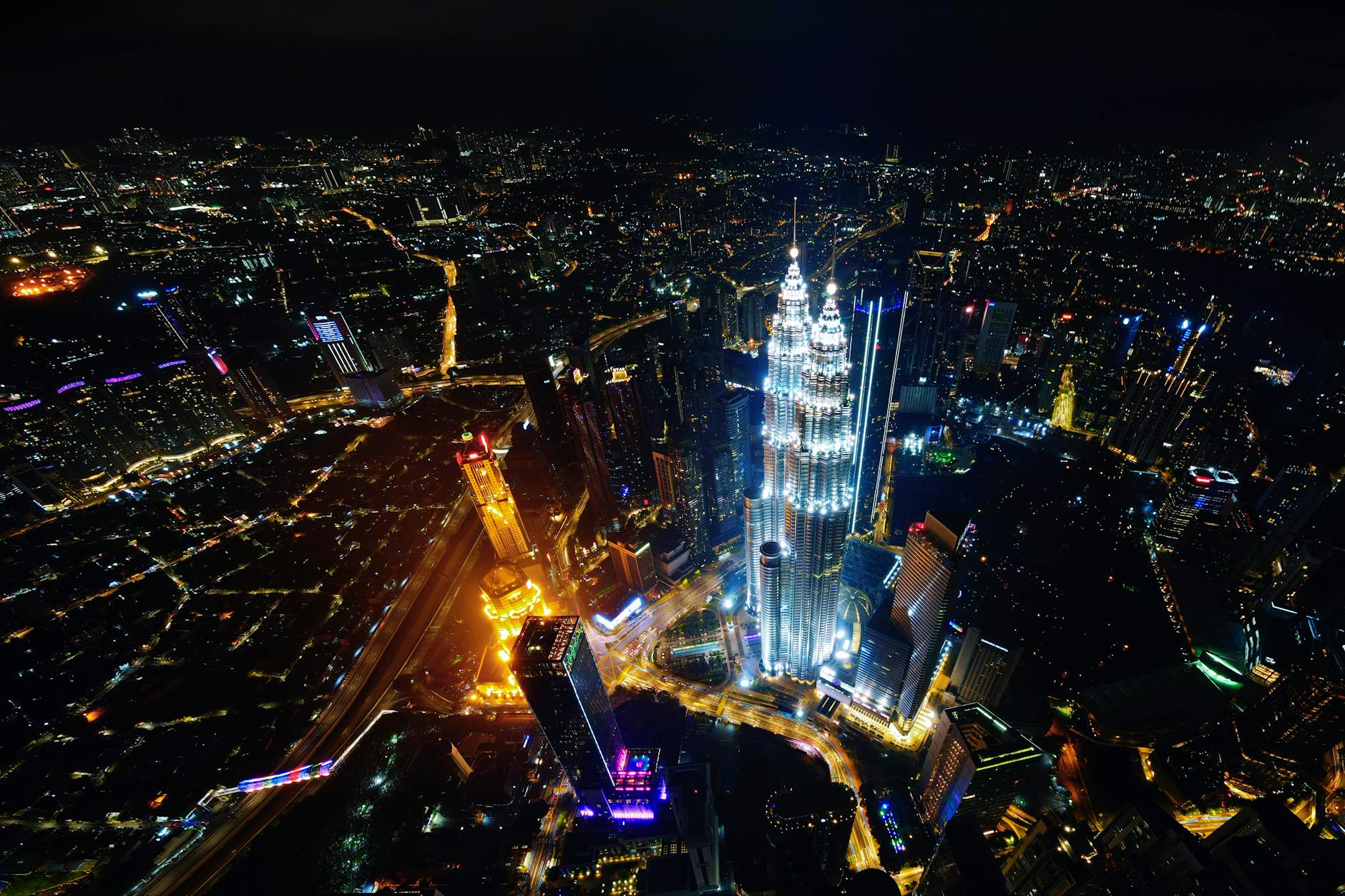
Below the towers, Suria KLCC mall contains a large urban park with fountains, a jogging path, and a lake. It functions as the genuine social heart of central KL, not just a shopping destination.
Batu Caves
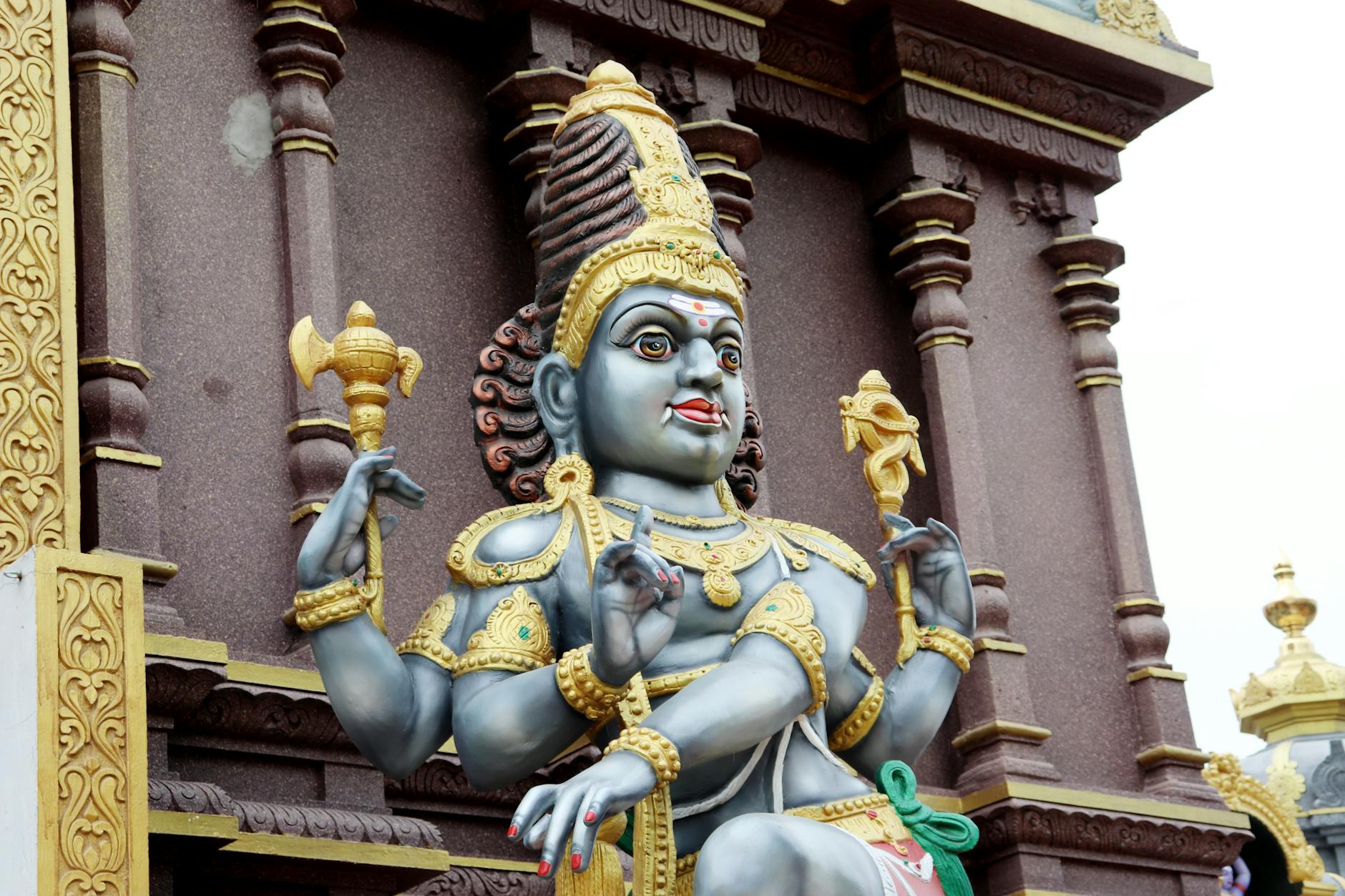
The Batu Caves are a series of limestone caves and Hindu temples located about 13 kilometers north of the city center. The main Cathedral Cave sits at the top of 272 steep, colorful steps.
A 43-meter golden statue of Lord Murugan guards the base of the staircase and is one of the tallest statues of a Hindu deity anywhere in the world. The site draws millions of visitors annually.
The caves are most dramatic during Thaipusam festival, typically in January or February, when hundreds of thousands of Hindu devotees gather for one of the most visually intense religious events in Asia. Local guides recommend arriving before 8am on regular days to avoid peak crowds.
Bukit Bintang District
Bukit Bintang is KL's main entertainment and shopping district, stretching along Jalan Bukit Bintang and connecting to several large malls including Pavilion KL and Lot 10. After dark, the street energy shifts completely.
Jalan Alor, tucked just behind the main boulevard, transforms every evening into an open-air food street lined with plastic chairs, seafood grills, and cold beer. Traveler reviews consistently rank it among the best street food experiences in the city.
The district is also within walking distance of KL's Golden Triangle, the dense urban core where business hotels, rooftop bars, and colonial-era buildings exist within a few blocks of each other.
Central Market (Petaling Street)
Central Market, housed in a 1930s Art Deco building on Jalan Hang Kasturi, was originally a wet market. It now functions as the city's main craft and souvenir hub, with over 300 vendors across two floors.
A short walk away, Petaling Street in Chinatown is a covered pedestrian lane selling textiles, watches, bags, and street snacks at prices that reward confident bargaining. The contrast between the two spaces is part of what makes this corner of KL so interesting.
Between the two, the Kasturi Walk connects them with open-air kiosks and occasional live music. Arriving in the early morning means catching the fresh produce vendors and local breakfast crowds before the tourist wave arrives.
Food and local cuisine in Kuala Lumpur
Eating in KL is not a side activity. It is the central activity. Locals plan their days around meals, and the city's food culture operates around the clock without apology.
Nasi lemak is the national dish: fragrant coconut rice wrapped in banana leaf, served with sambal, anchovies, peanuts, and a boiled egg. It appears at breakfast, lunch, and dinner, and no two versions taste exactly alike.
Char kway teow is the quintessential Hokkien Chinese contribution: flat rice noodles stir-fried at intense heat with prawns, eggs, bean sprouts, and dark soy sauce. Finding a good version usually means following smoke and crowds to a single-wok street stall.
South Indian food anchors the district around Brickfields (Little India). Banana leaf rice, roti canai, and teh tarik (pulled milk tea) are all eaten here with serious dedication. A full banana leaf lunch costs well under three euros at most spots.
Hawker centers like Imbi Market or the stalls around Chow Kit give a more local and less tourist-facing experience. Travelers note that the best eating in KL often happens in unglamorous fluorescent-lit spaces with zero decor and extraordinary food.
Getting to Kuala Lumpur and getting around
Getting there
Kuala Lumpur International Airport (KLIA) is one of the busiest airports in Southeast Asia, located about 55 kilometers south of the city center. A second terminal, klia2, handles budget carriers including AirAsia.
The KLIA Ekspres train connects the airport to KL Sentral station in approximately 28 minutes. It is the fastest and most reliable option, running frequently throughout the day and into the night.
Getting around
KL has an extensive rail network combining the LRT, MRT, and monorail lines. Most major attractions fall within walking distance of a station, making the metro system a genuinely practical way to move around the city.
Grab, the regional ride-hailing app, fills all the gaps where trains don't reach. Fares are low and transparent. Renting a car is rarely worth the effort given traffic congestion, particularly during morning and evening peak hours.
Budget and practical tips
How much to budget for Kuala Lumpur
Kuala Lumpur is one of Southeast Asia's most affordable capital cities for independent travelers. A comfortable daily budget of 30 to 50 euros covers accommodation, food, transport, and most entry fees.
Budget accommodation in guesthouses or hostels starts from around 8 to 15 euros per night. Mid-range hotels in well-connected neighborhoods like Bukit Bintang or Chow Kit typically run between 30 and 60 euros.
Street food meals cost between 1.50 and 4 euros. A full day of sightseeing, including entry to the Petronas Skybridge and Batu Caves, can be done for under 20 euros per person, including transport.
Best time to visit: May to July and December to February
May through July brings lower humidity and fewer heavy rain events compared to the monsoon months. These are the most comfortable weeks for walking and outdoor sightseeing, including the climb up to Batu Caves.
December through February is equally pleasant, and this window includes the Thaipusam festival at Batu Caves, Chinese New Year celebrations in Petaling Street, and cooler evening temperatures across the city.
KL receives rain year-round, so packing a light waterproof layer is always wise. Afternoons in October and November bring the heaviest downpours, but even then, storms typically pass within an hour or two.
Frequently Asked Questions about Kuala Lumpur
Similar Destinations
Bangkok
Bangkok, Thailand pulls travelers between gilded temples and buzzing canal markets — from the grandeur of the…
DiscoverBali
Bali, Indonesia, draws travelers with dramatic sea temples like Tanah Lot, the emerald terraced rice fields…
DiscoverBeijing
Beijing, China layers imperial drama and living street life, from the Forbidden City’s vermilion gates to…
Discover