Explore Germany
2 destinations to discover
Everything about Germany
Traveling to Germany means stepping into a country where medieval half-timbered villages sit minutes from sleek modern architecture, where dense forests border sprawling industrial cities, and where every region has a distinct identity.
Few countries in Europe pack this much variety into 357,000 square kilometers. The contrasts are real and immediate.
Germany's 84 million inhabitants have built a culture layered with history, precision, and genuine warmth — far more welcoming than its reputation suggests.
Why Travel to Germany?
What Sets Germany Apart from Other Destinations
Germany defies easy categorization. It's not just beer halls and castles — though those exist in abundance.
The sheer geographic diversity is striking: alpine peaks in Bavaria, Baltic coastline in the north, the Rhine valley cutting through volcanic hills, and dense Black Forest stretching across the southwest.
Each of the 16 federal states functions almost like a country within a country. Local pride runs deep, and it shows in the food, dialect, and architecture.
Germany at a Glance
Germany covers 357,114 square kilometers and borders nine countries — more than any other European nation. Its central position makes it a natural hub for travel across the continent.
The capital Berlin holds around 3.7 million residents, but Frankfurt, Munich, Hamburg, and Cologne each carry enormous cultural and economic weight.
The official language is German, the currency is the euro, and the country consistently ranks among the world's top ten most-visited destinations, welcoming over 40 million international visitors annually before the pandemic years.
Regions and Cities to Explore
The Main Regions of Germany
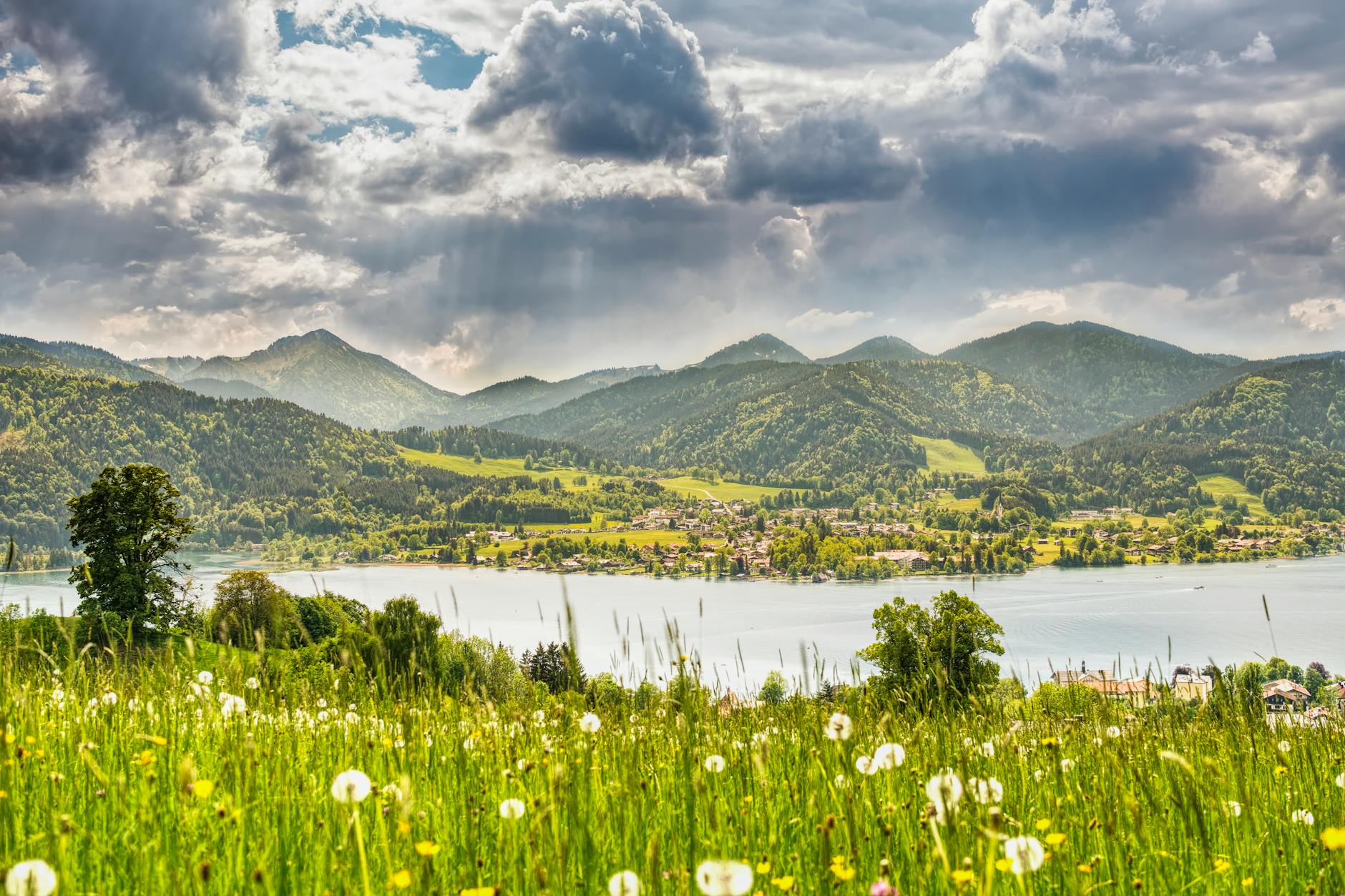
Bavaria in the south is the postcard Germany — baroque churches, Oktoberfest, and the Bavarian Alps touching the Austrian border. It draws visitors year-round.
The Rhineland, stretching through Cologne and westward, is where Roman history meets Gothic cathedrals and some of Europe's most dramatic river scenery. Wine culture dominates the valleys.
Northern Germany feels like a different world. Hamburg's harbor energy, Bremen's Hanseatic character, and the wide-open landscapes of Schleswig-Holstein all carry a distinctly maritime identity.
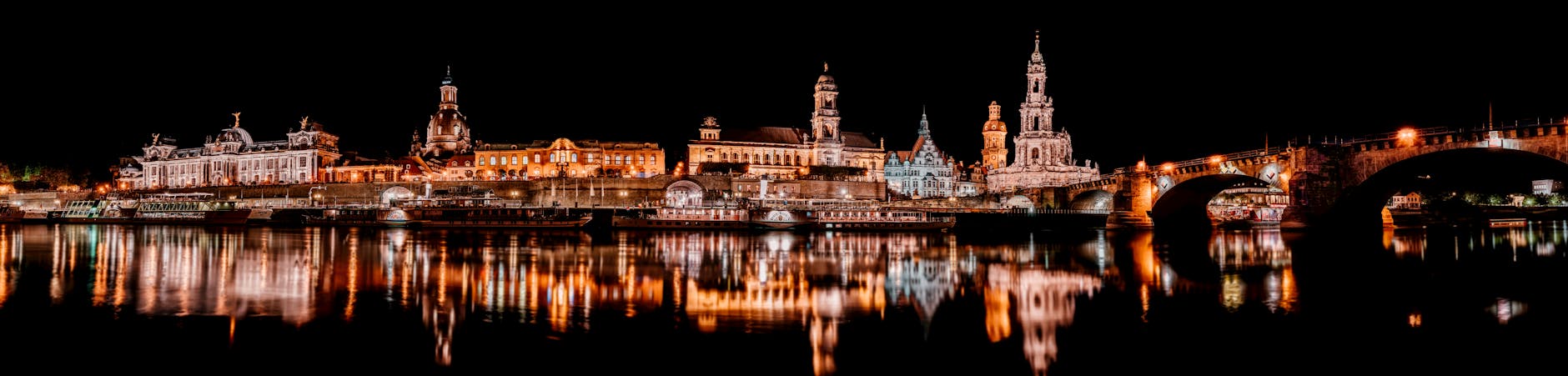
Eastern Germany — Berlin, Saxony, and beyond — remains one of Europe's most underrated travel zones. The traces of division are still visible, but the cultural output from this region over the past three decades has been remarkable.
Which Cities Should You Visit?
Berlin is non-negotiable. History, contemporary art, nightlife, and architecture collide in a city that reinvents itself constantly. Plan at least four days.
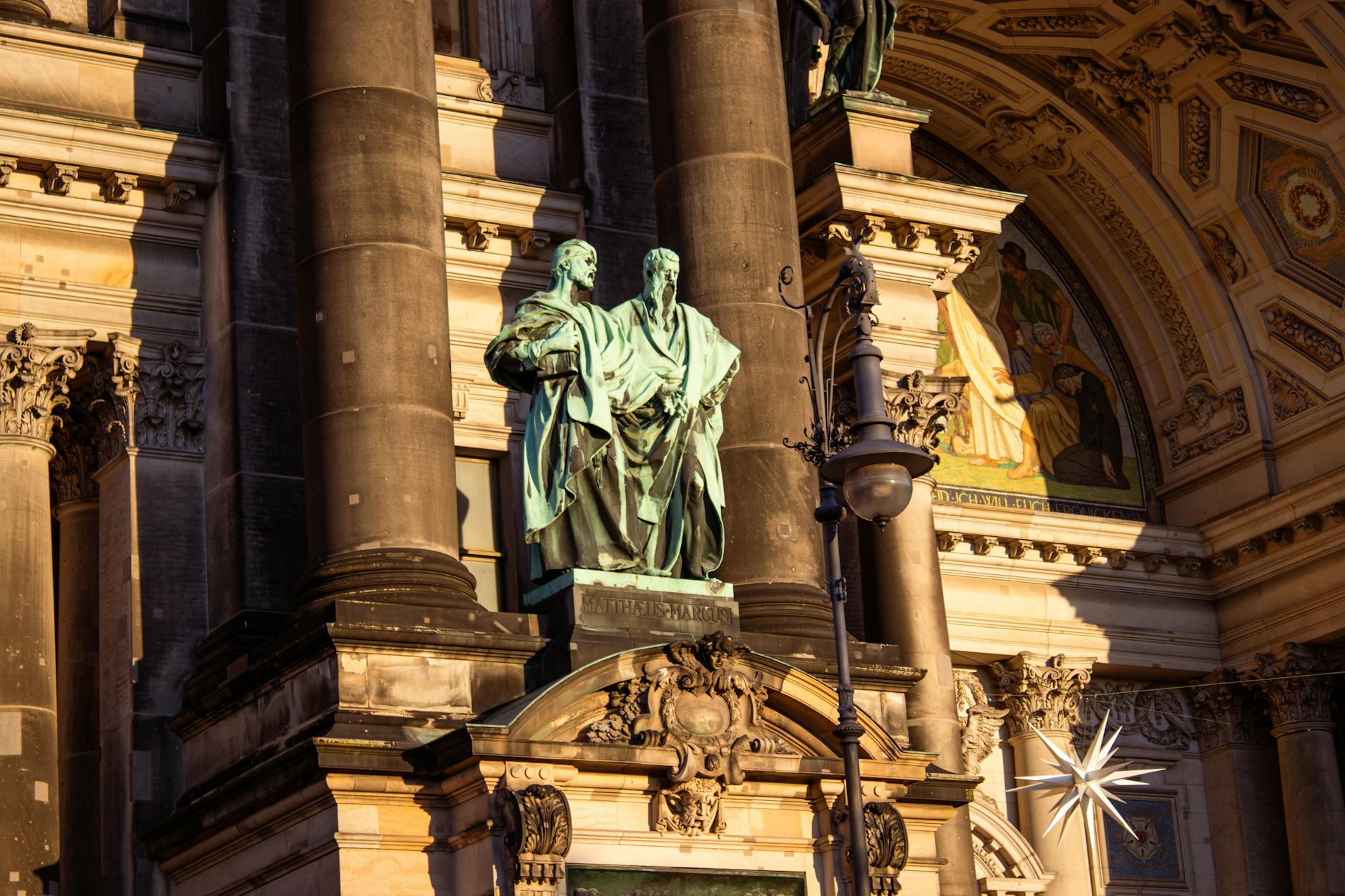
Cologne anchors the west, its twin-spired cathedral visible from across the city. The old town and the vibrant LGBTQ+ scene make it one of Germany's most livable cities.
Augsburg, founded by the Romans over 2,000 years ago, moves at a slower pace than Munich but rewards those who slow down. The Renaissance-era Fuggerei — the world's oldest social housing complex, still in use — is alone worth the detour.
Bamberg sits on seven hills and a network of waterways, often compared to Venice. Its well-preserved medieval center earned UNESCO World Heritage status in 1993 and remains remarkably free of mass tourism.
Bremen punches above its weight as Germany's smallest state. The market square, the Roland statue, and the Böttcherstraße — a single lane transformed into an Art Nouveau masterpiece — make for a compact but deeply satisfying visit.
Constance, straddling the Swiss border on Lake Constance, has a warmth and openness that sets it apart. The lakeside promenades, the medieval old town, and direct ferry access to the Swiss shore make it one of Baden-Württemberg's finest stops.
Culture, Traditions and Way of Life
German culture rewards patience. The surface — punctuality, directness, rules — is real, but underneath it runs a current of creativity and humor that most short-stay visitors miss entirely.
Carnival season, known as Karneval in Cologne and Fasching in Bavaria, transforms normally reserved cities into weeks-long outdoor parties. Cologne's parade draws over a million people.
Christmas markets are not a tourist invention — they are a genuine cultural institution. The Nuremberg Christkindlesmarkt, dating to the 16th century, is one of Europe's oldest and most atmospheric.
Reading culture runs deep. Germany has one of the world's highest rates of book ownership per household, and the Frankfurt Book Fair remains the global publishing industry's most important annual gathering.
Music is woven into daily life at every level — from Wagner festivals in Bayreuth to thriving electronic music scenes in Berlin's legendary clubs like Berghain. Classical and contemporary coexist without tension.
Germans take their leisure seriously. Sundays are genuinely quiet — most shops close, families walk in parks, and the pace drops noticeably. Visitors who embrace this rhythm rather than fight it tend to enjoy the country far more.
Food: the Flavors of Germany
German food is far more regional and varied than its international reputation suggests. The schnitzel-and-sausage image captures perhaps 20% of what the country actually eats.
Bavaria and Swabia lean into hearty, filling dishes: Schweinshaxe (slow-roasted pork knuckle), Maultaschen (large pasta pockets stuffed with meat and herbs), and the beloved Brez'n — that dense, chewy pretzel.
In Hamburg and the north, fish dominates. Labskaus — a sailor's dish of corned beef, potato, and pickled beetroot — is an acquired taste that loyal fans defend passionately. Fresh herring prepared in a dozen different ways is far easier to love.
Bread is a serious subject here. Over 3,200 officially recognized bread varieties exist across Germany, and bakeries — still largely independent — are central to neighborhood life.
Beer culture needs no introduction, but wine deserves more credit. The Moselle and Rhine valleys produce some of Europe's finest Rieslings, crisp and mineral, priced far below their actual quality level.
Vegetarian and vegan eating has grown dramatically in the last decade. Berlin in particular is now considered one of Europe's most plant-forward cities, with dedicated neighborhoods like Prenzlauer Berg where meat-free menus are the norm, not the exception.
Practical Information
Visa and Entry Requirements
Germany is part of the Schengen Area, which means citizens of EU member states enter freely with a national ID card. No passport required within the zone.
Citizens of the United States, Canada, Australia, and the United Kingdom can visit for up to 90 days within any 180-day period without a visa. Starting in 2025, the ETIAS travel authorization applies to most non-EU visitors.
Always verify current requirements with the German embassy or consulate in your home country well before departure, as regulations change.
Budget and Cost of Living
Germany sits in the mid-to-upper range of European travel costs. A comfortable mid-range traveler should budget roughly €100–€150 per day, covering accommodation, meals, and local transport.
Budget travelers can manage on €50–€70 daily by using hostels, supermarket lunches, and public transport day passes. Berlin and Hamburg are pricier than smaller cities like Bamberg or Augsburg.
Museum entrance fees typically range from €8 to €15. Many cities have discount cards — the Berlin Welcome Card or the Cologne Card — that bundle transport and attractions into genuine savings.
Getting Around
Deutsche Bahn, the national rail network, connects virtually every city. High-speed ICE trains link Berlin to Munich in under four hours. Booking in advance cuts costs significantly — early fares can drop as low as €19.
For smaller towns like Bamberg or Constance, regional trains and buses run reliably. Cycling infrastructure is excellent throughout the country, and bike rentals are widely available in most city centers.
When to Visit Germany?
Germany is a genuine four-season destination, and the best time to visit depends entirely on what travelers want to experience.
Late spring — May and June — is widely considered the sweet spot. Temperatures sit between 15°C and 22°C, crowds haven't peaked, and the countryside is at its greenest.
Summer (July–August) brings warmth, open-air festivals, and beer garden culture at its peak. It also brings the highest prices and the largest crowds, particularly in Berlin and Bavaria.
Autumn deserves more attention than it typically receives. September and October mean harvest festivals, wine routes in full color, and — most famously — Oktoberfest in Munich, which actually begins in late September.
Winter has its own appeal. Christmas markets run from late November through December 24th, transforming city squares into something genuinely magical. January and February are cold and quiet — ideal for museum visits and lower hotel rates.
Avoid national holiday weekends if possible. German roads and trains fill quickly around Easter, Pentecost, and the October holiday week, pushing prices up sharply across the board.
Frequently Asked Questions about Germany
Best destinations in Germany
Berlin
Berlin, Germany stands where history cracked open: the Brandenburg Gate, the Berlin Wall remnants, and the Reichstag anchor a city shaped…
ExploreMunich
In Munich, Germany, start at Marienplatz, then follow beer-hall buzz at Hofbräuhaus and slip into the English Garden for riverside strolls…
ExploreSimilar Destinations
Explore more destinations in the same region of the world.