Amsterdam

Everything about Amsterdam
What if a single city could pack world-class art, centuries of merchant history, and one of the most moving wartime memorials on earth into a compact, bikeable grid?
Visiting Amsterdam means stepping into a place where 17th-century canal houses lean gently over still water, and where museum queues form before the doors even open.
The Dutch capital rewards curious travelers — those willing to walk a little further, eat a little stranger, and slow down enough to watch the city breathe.
Why visit Amsterdam?
What makes Amsterdam unique
Amsterdam sits on roughly 90 islands connected by more than 1,200 bridges — a feat of engineering that shapes every neighborhood's personality.
The city's layout hasn't changed dramatically since the Dutch Golden Age. That continuity gives it a rare coherence: the canal ring, the narrow gabled facades, the rhythm of boats on water.
Few European capitals manage to feel simultaneously historic and genuinely progressive. Amsterdam has held that balance for centuries, and it shows in the architecture, the culture, and the daily pace of life.
Amsterdam at a glance
The population sits around 900,000 residents, yet the city center feels intimate rather than overwhelming. Most major sights sit within a 30-minute walk or a short tram ride of each other.
The budget sits at a moderate level — not cheap, but far from the most expensive city in Western Europe. Smart travelers find the cost manageable with a little planning.
English is spoken almost universally, public transport is reliable, and cycling infrastructure is among the best in the world. First-time visitors adapt quickly.
What to see and do in Amsterdam?
Anne Frank House
The Anne Frank House on Prinsengracht is one of the most visited sites in the Netherlands, drawing over a million visitors per year.
The hiding place where Anne Frank and her family spent 761 days in concealment has been preserved with striking restraint. The empty bookcase, the narrow staircases, the original diary pages — each element carries weight without theatrical staging.
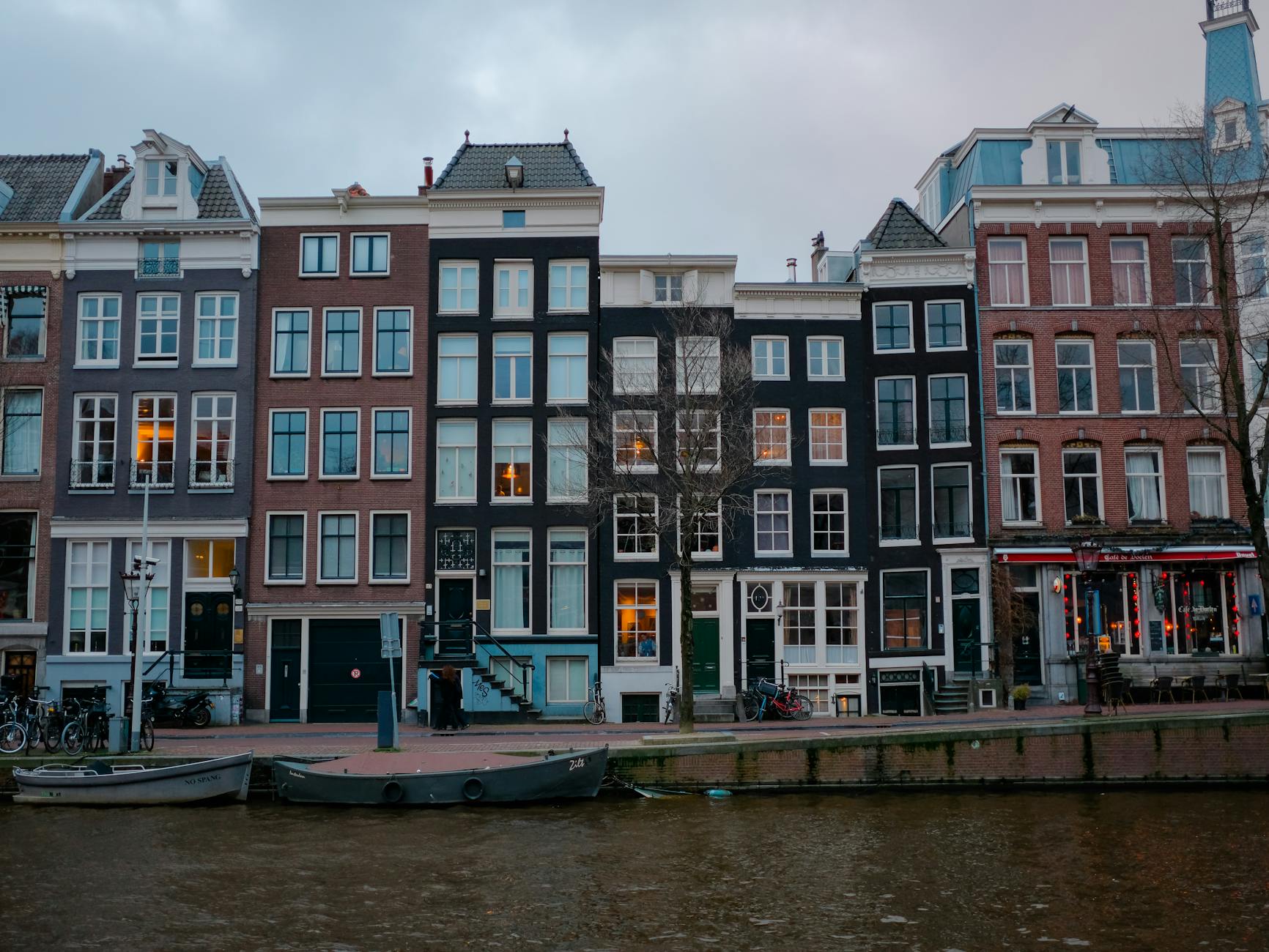
Visitor reviews consistently describe the experience as deeply affecting. Tickets must be booked online well in advance; same-day entry is rarely available.
Allow at least 90 minutes inside. The museum added a modern wing with contextual exhibits, which local guides recommend visiting before entering the Secret Annex itself.
Rijksmuseum
The Rijksmuseum on Museumplein is the Netherlands' national museum of art and history, housing a permanent collection of nearly one million objects.
Rembrandt's The Night Watch dominates the Gallery of Honour — a canvas so large and so precisely lit that it stops most visitors mid-step. The painting measures over three meters tall and four meters wide.
Beyond the Dutch Masters, the museum covers Delftware ceramics, model ships, and applied arts spanning eight centuries. A single visit barely scratches the surface.
The building itself, designed by Pierre Cuypers in the 1880s, is as spectacular as the collection inside. Travelers note that arriving at opening time (9 a.m.) significantly reduces crowd pressure.
Van Gogh Museum
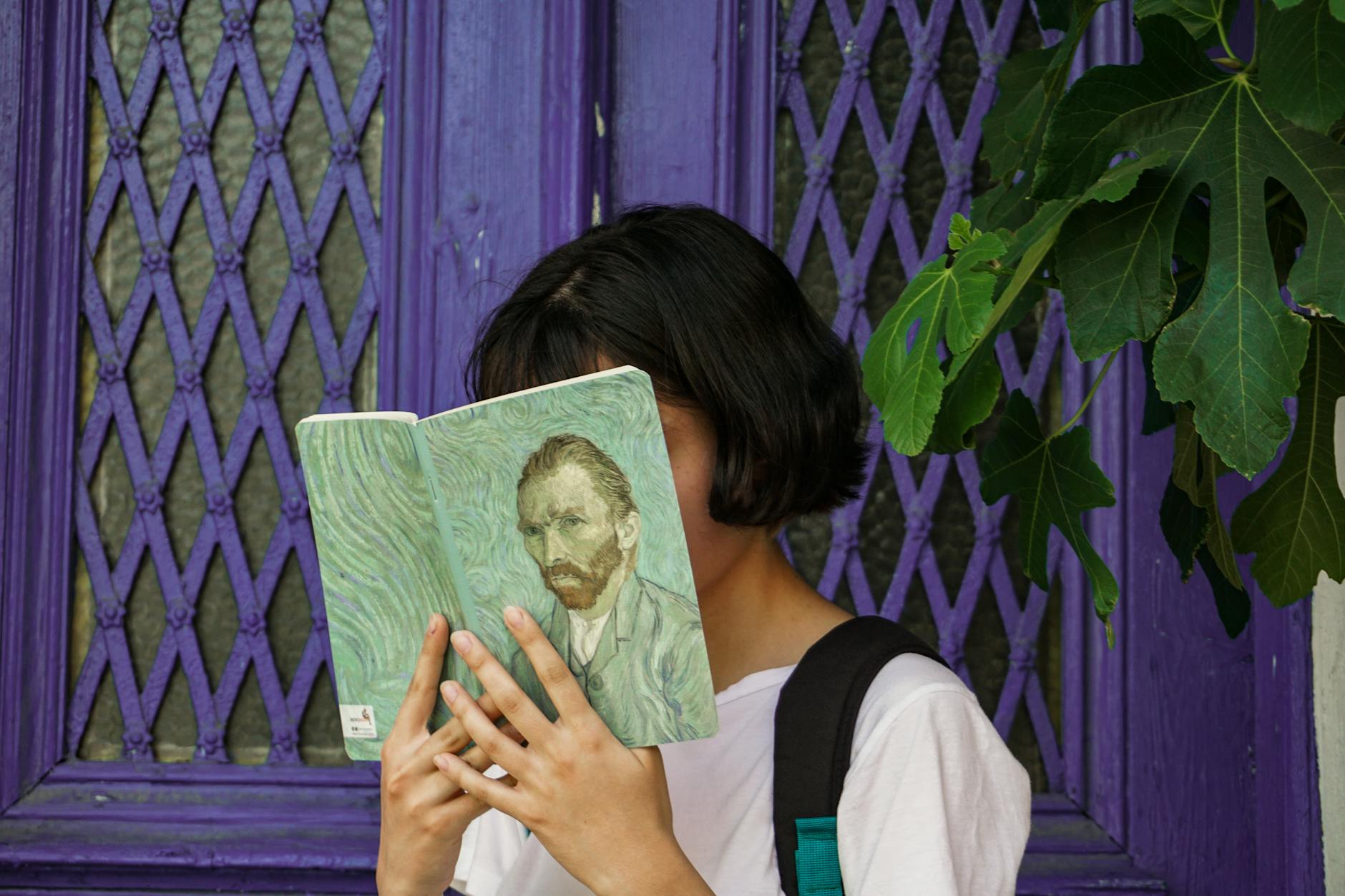
The Van Gogh Museum holds the largest collection of Vincent van Gogh's work in the world — more than 200 paintings and 500 drawings, most from the artist's own estate.
The chronological layout traces his evolution from the dark, earthy tones of his Dutch period through to the electric yellows and urgent brushstrokes of his final years in France.
Standout works include The Potato Eaters, Almond Blossom, and the famous Sunflowers. Each room feels carefully curated rather than overwhelming.
Timed entry tickets are mandatory and sell out weeks in advance during peak season. The museum sits directly next to the Rijksmuseum, making a combined visit on one day a natural choice.
Amsterdam Canals
The Amsterdam canal ring — known in Dutch as the grachtengordel — was inscribed on the UNESCO World Heritage List in 2010, recognizing its exceptional urban planning heritage.
The three main canals, Herengracht, Keizersgracht, and Prinsengracht, fan outward from the city center in elegant arcs. Their banks are lined with 17th-century merchant houses, houseboats, and flowering bridges.
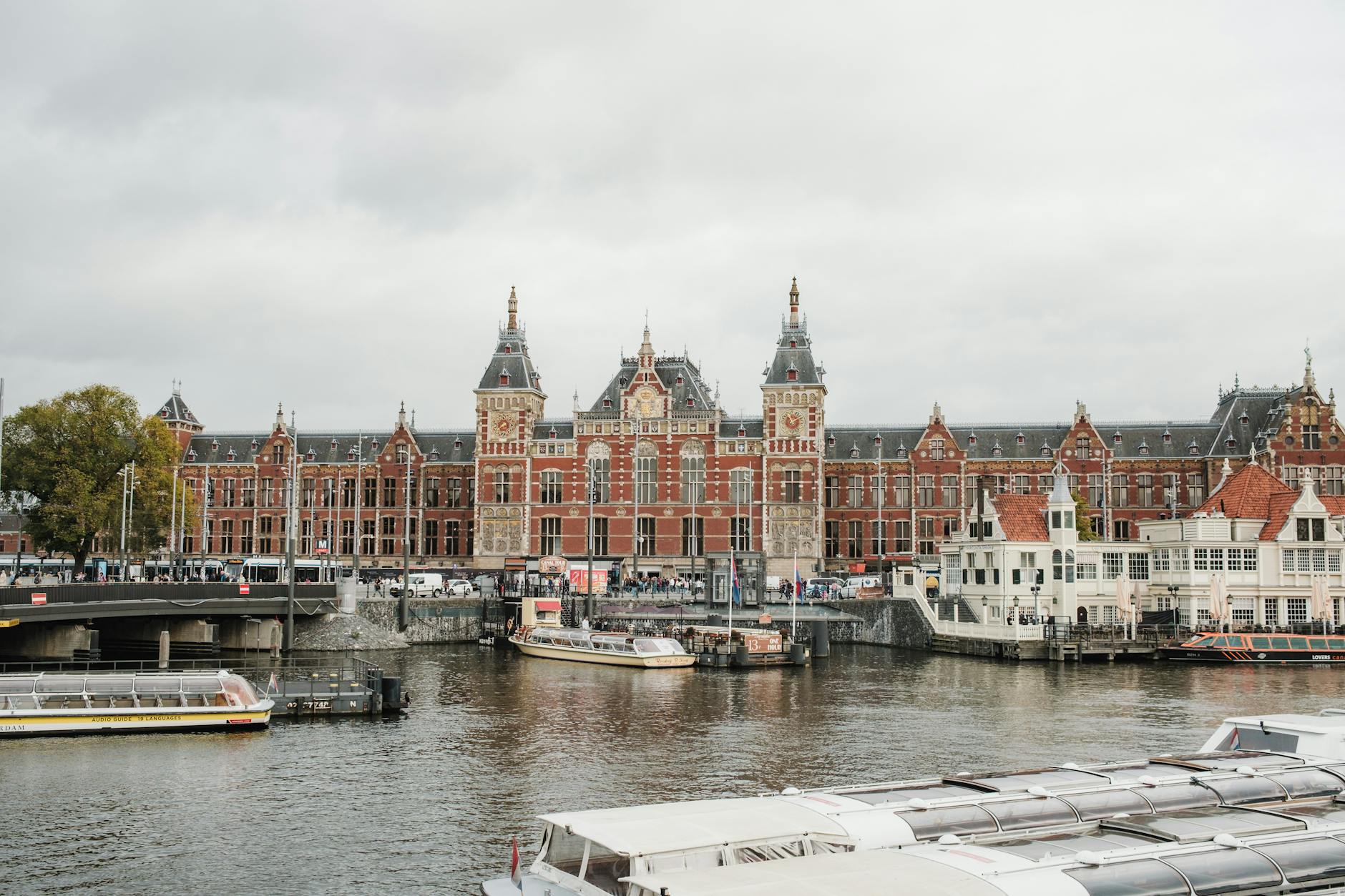
A canal boat tour gives a perspective impossible to get on foot. Several operators run 75-minute circuits from Centraal Station and the Leidseplein area throughout the day.
For something quieter, renting a small paddleboat or electric boat and navigating independently is a popular option. Travelers note that the canals at dusk, when the bridge lights reflect on the water, are a highlight in themselves.
Food & local cuisine in Amsterdam
Dutch food rarely gets the international attention it deserves. The local kitchen is built around simple, satisfying flavors — nothing particularly dramatic, but deeply good when done well.
Stroopwafels are the iconic snack: two thin waffle layers bonded with caramel syrup. The proper way to eat one involves resting it on a hot cup of coffee for a minute so the syrup softens.
Herring — raw, lightly cured, served with pickles and onion — is the city's great street food. A fresh herring from a streetside stall costs around €4 and has been a local staple for centuries.
The Jordaan neighborhood and De Pijp area concentrate some of the city's best independent restaurants. Indonesian cuisine has a significant presence in Amsterdam, a legacy of the Dutch colonial era in the East Indies.
Rijsttafel — literally "rice table" — is the Indonesian-Dutch tradition of serving a dozen or more small dishes around a central bowl of rice. Local guides recommend it as one of the most rewarding meals in the city.
Genever, the Dutch precursor to gin, is the local spirit. Old brown proeflokalen (tasting houses) in the center still serve it the traditional way: in a tulip glass, filled to the brim, drunk with the hands clasped behind the back.
Getting to Amsterdam and getting around
Getting there
Amsterdam Airport Schiphol is one of Europe's busiest hubs, with direct connections to over 300 destinations worldwide. It sits just 17 kilometers southwest of the city center.
The direct train from Schiphol to Amsterdam Centraal takes approximately 17 minutes and runs multiple times per hour. Tickets cost around €5 and are purchased at machines in the arrivals hall.
By Eurostar from London St Pancras, the journey takes roughly five and a half hours with no changes. From Paris by Thalys or Eurostar-operated services, the journey runs just over three hours.
Getting around
Amsterdam's GVB tram and metro network covers the entire city efficiently. A single journey costs around €3.50; a 24-hour unlimited card runs about €9 and makes far more financial sense for a full day of sightseeing.
Cycling is not just a transport option — it is the city's primary mode of movement. Rental bikes are available everywhere, starting from roughly €12 per day. Newcomers should learn quickly: cyclists have priority on most roads.
Walking works well in the canal ring and Museumplein area. The city center is compact enough that many visitors cover most major attractions without ever needing public transport.
Budget & practical tips
How much to budget for Amsterdam
Amsterdam sits comfortably in a moderate price bracket for Western Europe. A mid-range traveler spending on accommodation, food, and entry fees should budget approximately €120–€180 per day.
Museum entry adds up quickly. The I Amsterdam City Card includes free entry to dozens of museums plus unlimited public transport, starting from €65 for 24 hours — worth the investment for a concentrated sightseeing itinerary.
Budget accommodations in hostels start around €35–€50 per night. Mid-range hotels in the canal ring typically run €130–€200. Booking two to three months ahead makes a significant difference in both availability and price.
Eating strategically reduces costs: local sandwich shops (broodjes) and street herring stalls keep lunch under €10, leaving the budget for a proper dinner in De Pijp or the Jordaan.
Best time to visit: Avril à Septembre
April through September brings the most reliable weather to Amsterdam — long days, temperatures between 15°C and 24°C, and the city at its most animated.
Late April and early May are particularly striking: the tulip fields around Keukenhof, just 35 kilometers from the city, reach peak bloom and draw visitors from across the world.
July and August are the busiest months. Canal boat queues lengthen, museum tickets disappear fast, and accommodation prices peak. Travelers arriving in June or September find a noticeably less crowded city.
Winter has its own quiet appeal — the Christmas markets, the ice skating at Museumplein — but rain and short daylight hours make outdoor exploration less rewarding than a summer visit.
Frequently Asked Questions about Amsterdam
Similar Destinations
Munich
In Munich, Germany, start at Marienplatz, then follow beer-hall buzz at Hofbräuhaus and slip into the English…
DiscoverBerlin
Berlin, Germany stands where history cracked open: the Brandenburg Gate, the Berlin Wall remnants, and the…
DiscoverParis
In Paris, France, the Eiffel Tower sparks twilight strolls, the Louvre Museum pulls art lovers into vast…
Discover