Berlin

Everything about Berlin
What if a single city could hold the weight of an entire century's history and still feel radically alive today? Visiting Berlin means stepping into a place where bullet-scarred buildings stand next to gleaming new galleries.
Few European capitals have reinvented themselves so completely. Berlin was divided, bombed, rebuilt, and reunified, and every layer of that past is still visible on the street.
This guide covers everything from the top landmarks to the best currywurst stands, practical budgeting, and the smartest times to go. Read on before you book.
Why Visit Berlin?
What Makes Berlin Unique
Berlin carries a density of history that very few cities can match. The 20th century happened here with unusual intensity, from the rise of the Nazi regime to the Cold War division that split families for decades.
Yet the city refuses to be defined only by its past. The creative energy of Berlin's neighborhoods — Kreuzberg, Prenzlauer Berg, Neukölln — draws artists, musicians, and entrepreneurs from across Europe.
That rare combination of heavy history and genuine forward momentum gives Berlin a character no other German city quite replicates.
Berlin at a Glance
Berlin is Germany's capital and largest city, home to roughly 3.7 million people spread across twelve distinct districts. It sits on the flat North German Plain, crisscrossed by rivers, canals, and an impressive network of public transport.
The city runs on a moderate budget compared to London or Paris. Good food, world-class museums, and a thriving nightlife scene are all within reach without spending a fortune.
The estimated budget sits at the moderate range (€€), making Berlin one of Western Europe's more accessible major capitals for independent travelers.
What to See and Do in Berlin?
Brandenburg Gate
The Brandenburg Gate is the single most recognizable symbol of Berlin. Built in 1791 as a neoclassical triumphal arch, it has witnessed Napoleon's troops, Nazi parades, Kennedy's famous speech, and the fall of the Wall.
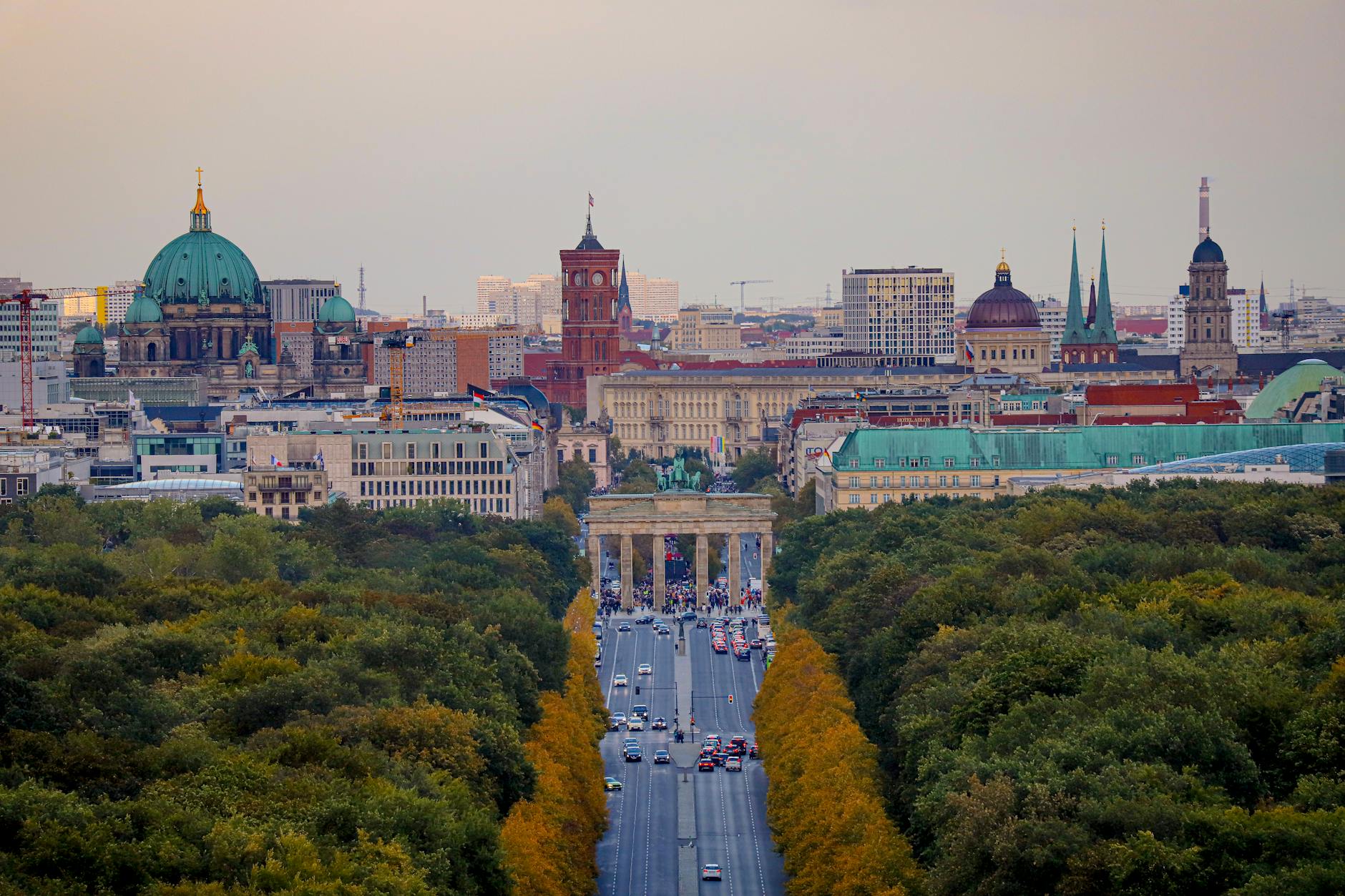
Standing at Pariser Platz on the eastern edge of the Tiergarten, the gate anchors the city's ceremonial heart. At night, the floodlit columns create one of Europe's most atmospheric urban views.
Visitor reviews consistently praise early morning visits, before tour groups arrive. The surrounding square also connects directly to the Memorial to the Murdered Jews of Europe, a sobering and architecturally striking site just steps away.
Berlin Wall
The Berlin Wall stood for 28 years, from 1961 to 1989, physically cutting the city in two. Today, two main sites preserve its memory: the East Side Gallery and the Bernauer Strasse Memorial.
The East Side Gallery stretches 1.3 kilometers along the Spree River and features more than a hundred murals painted by international artists after reunification. It is the longest open-air gallery in the world.
Bernauer Strasse gives a more documentary experience, with preserved watchtowers, ground markings, and detailed panels explaining how the border functioned. Local guides recommend combining both sites for the fullest picture.
Reichstag
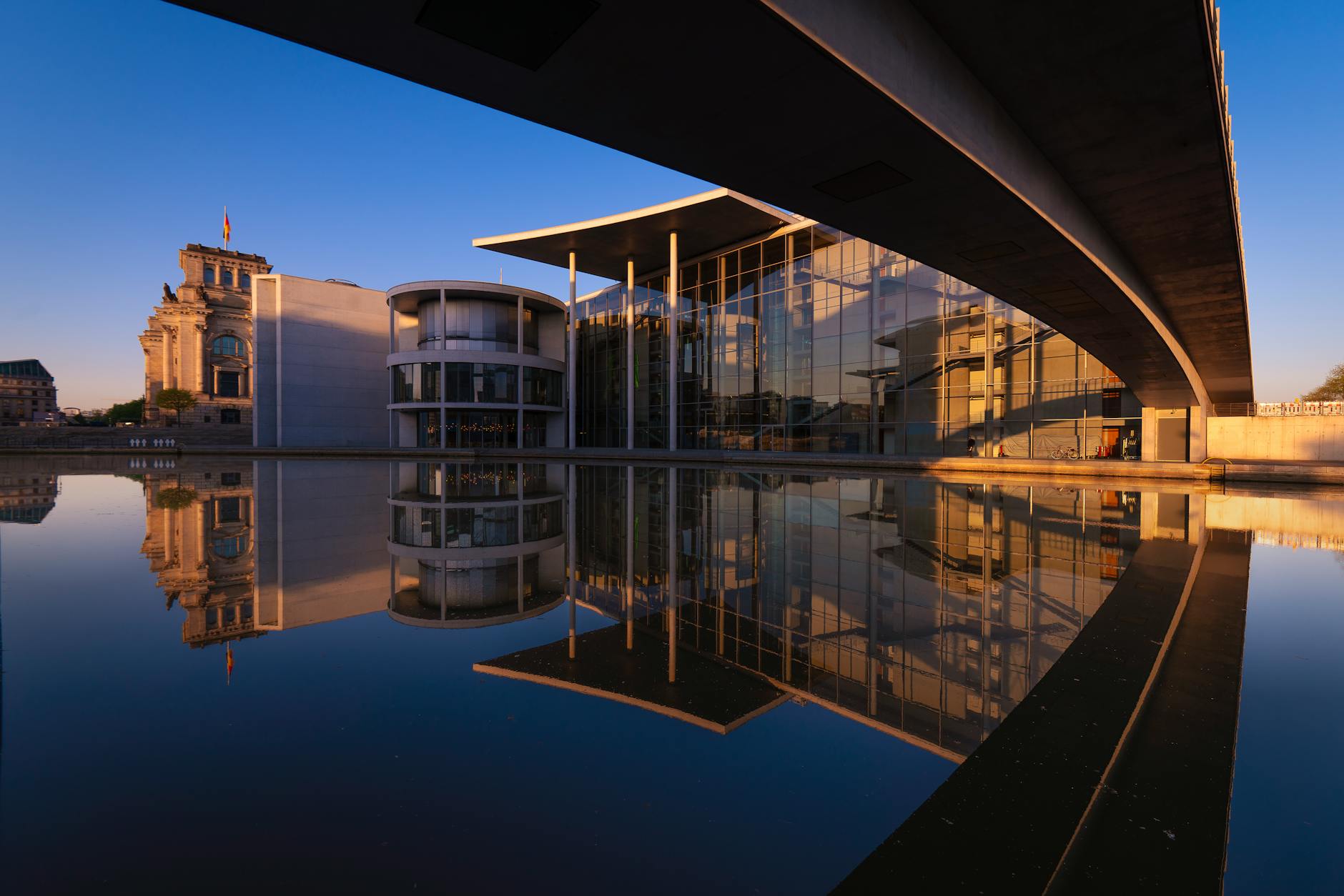
The Reichstag building houses the German parliament (Bundestag) and has one of the most dramatic architectural stories in Europe. After suffering damage in World War II and decades of neglect, it was rebuilt by British architect Norman Foster, who added a glass dome in 1999.
That dome is open to the public and free to visit, though advance registration on the Bundestag website is required. The 360-degree view over central Berlin from the top is genuinely spectacular.
Travelers note that the rooftop restaurant, Käfer im Deutschen Bundestag, serves excellent food with a government-building view that few visitors expect. Book well ahead for dinner seats.
Museum Island
Museum Island (Museumsinsel) is a UNESCO World Heritage Site sitting in the Spree River at the heart of the old city. Five world-class museums occupy this small island, including the Pergamon Museum and the Neues Museum.
The Pergamon Museum alone justifies a morning. It houses reconstructed ancient monuments including the Pergamon Altar and the Ishtar Gate of Babylon, objects of a scale and completeness that stop visitors in their tracks.
A single-day pass covers all five museums for around €19. Plan for at least half a day; most travelers who rush through regret it. The Neues Museum's bust of Nefertiti is among the most visited objects in any German collection.
Food and Local Cuisine in Berlin
Berlin's food culture is unpretentious, filling, and deeply satisfying. Currywurst, a sliced pork sausage doused in curry ketchup, is the city's most iconic street food and was reportedly invented here in 1949.
The original recipe is credited to Herta Heuwer, who mixed ketchup with curry powder and served it at a stand in Charlottenburg. Curry 36 in Kreuzberg remains one of the most respected spots for it today.
Döner kebab is equally embedded in the city's identity. Berlin has one of the largest Turkish communities in Germany, and local versions of the döner are widely considered the best outside Turkey.
For sit-down meals, traditional German dishes like Schnitzel, Eisbein (braised pork knuckle), and potato soup appear on menus across the city. Prenzlauer Berg has a dense cluster of good mid-range restaurants.
The market at Markthalle Neun in Kreuzberg runs street food Thursdays and a weekend farmers market. It attracts a loyal local crowd rather than a tourist one, which is a reliable indicator of quality.
Craft beer has grown significantly in Berlin. Local breweries like Vagabund Brauerei and Hops and Barley produce small-batch IPAs and lagers worth seeking out alongside the mainstream pilsners.
Getting to Berlin and Getting Around
Getting There
Berlin Brandenburg Airport (BER) opened in 2020 after years of delay and now handles all flights into the city. It is located roughly 18 kilometers southeast of the city center and connects by direct train to central stations.
Direct flights link Berlin to most major European cities, and budget carriers including Ryanair and easyJet serve the airport regularly. Journey time from the airport to Berlin Hauptbahnhof by S-Bahn is approximately 30 minutes.
Travelers arriving by train from other German cities use Berlin Hauptbahnhof, one of Europe's largest rail hubs, with direct connections from Hamburg (under two hours), Munich (four hours), and Frankfurt (four hours).
Getting Around
Berlin's public transport network, operated by BVG, covers the city thoroughly with U-Bahn (subway), S-Bahn (overground rail), trams, and buses. A single 24-hour ticket costs around €9 and unlocks all of them.
The city is also very cycle-friendly. Berlin has over 1,000 kilometers of dedicated cycle paths, and rental bikes are available through DEEZER Nextbike, Lime, and several hotel schemes.
Walking between central attractions is realistic for fit travelers. The distance from Brandenburg Gate to Museum Island is under two kilometers along a pleasant riverside route.
Budget and Practical Tips
How Much to Budget for Berlin
Berlin sits comfortably in the moderate (€€) budget category for Western Europe. A mid-range traveler spending on a hostel private room or budget hotel, two meals, transport, and a museum entry can expect to spend €80 to €120 per day.
Many of Berlin's best experiences are free. The Reichstag dome, the East Side Gallery, the Brandenburg Gate, and most park spaces cost nothing to visit.
Museum costs add up quickly if you plan to visit multiple sites. The Berlin Welcome Card combines unlimited transport with discounts at over 200 attractions and makes sense for stays of three days or more.
Accommodation in Mitte or Prenzlauer Berg places you close to major sights but carries a price premium. Kreuzberg and Friedrichshain give better value with equally good transport links.
Best Time to Visit: May to September
May through September is the recommended window for visiting Berlin. Temperatures during this period average between 18°C and 25°C, making outdoor sightseeing, cycling, and terrace dining genuinely enjoyable.
June and July bring the longest daylight hours. Berlin in summer stays light until after 9 pm, giving visitors more time outdoors without rushing between sites.
August hosts several large open-air events including the Tempelhofer Feld festivals and outdoor cinema screenings. Visitor numbers peak in July and August, so booking accommodation at least six to eight weeks ahead is advisable.
September is a quieter, often overlooked month. Crowds thin, prices dip slightly, and the city settles into a pleasant rhythm that many experienced travelers prefer over the peak summer rush.