Munich

Everything about Munich
What if one city could combine world-class museums, medieval squares, and the planet's most famous beer festival without feeling overwhelming? Visiting Munich reveals a place that somehow balances Bavarian tradition with cosmopolitan energy.
Germany's third-largest city draws over 15 million tourists annually, yet locals still fill the same beer halls and markets that have operated for centuries. That continuity is rare in modern Europe.
From the rooftop of the Frauenkirche to the banks of the Isar River, Munich rewards slow exploration. The city's rhythm is its own, and travelers who match it tend to leave wanting more.
Why Visit Munich?
What Makes Munich Unique
Munich sits at a cultural crossroads that few European cities can match. It is simultaneously the gateway to the Alps, the heartland of Bavarian identity, and one of Germany's wealthiest urban centers.
The city's distinctive character comes from this tension between tradition and ambition. Gothic architecture shares the skyline with sleek modern offices, and a strict beer purity law coexists with a thriving international food scene.
Local guides often note that Munich feels more like a large village than a capital. Neighborhoods have personality, residents greet each other, and community markets still matter.
Munich at a Glance
Munich is the capital of Bavaria, located in southeastern Germany near the Austrian border. The city covers 310 square kilometers and sits at roughly 520 meters above sea level.
The population of approximately 1.5 million makes it Germany's third-largest city, yet its infrastructure feels compact and navigable. Public transit is exceptional, the streets are clean, and the city center is largely walkable.
Budget travelers should note that Munich is consistently ranked among the most expensive German cities. Planning ahead makes a real difference here.
What to See and Do in Munich?
Marienplatz
Marienplatz is the historic heart of Munich, a pedestrian square that has served as the city's main gathering point since 1158. The Gothic New Town Hall dominates the northern edge with its ornate, dramatically spired facade.
The famous Glockenspiel, built into the tower, performs daily at 11 a.m. and noon. Forty-three bells and 32 life-sized figures re-enact two stories from Munich's 16th-century history.
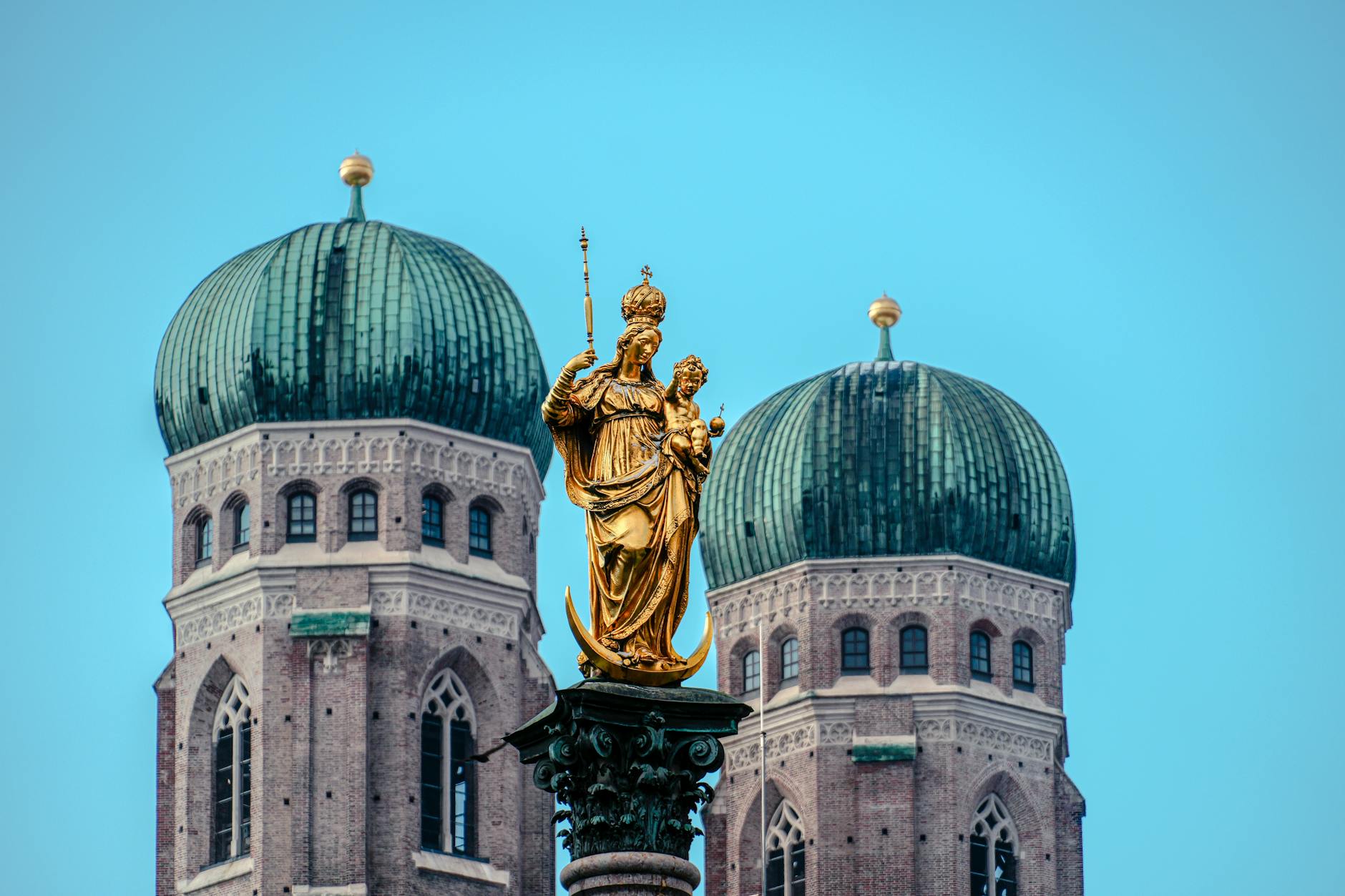
Visitor reviews confirm that arriving early avoids the densest crowds. The square connects directly to the Viktualienmarkt, Munich's beloved outdoor food market, just a five-minute walk south.
The Old Town Hall at the eastern end houses a small toy museum worth a quick detour. The square itself costs nothing to visit and rewards multiple passes at different times of day.
Hofbräuhaus
Founded in 1589 as a royal brewery by Duke Wilhelm V, the Hofbräuhaus is one of Munich's most recognized landmarks. The current building dates to 1897 and seats over 3,500 guests across its halls, garden, and upper floors.
Long wooden tables fill the ground-floor Schwemme, the main hall where oompah bands play nightly. Travelers note that the atmosphere here is genuinely festive rather than staged.
A one-liter Masskrug of Hofbräu lager costs around 14 euros as of 2024. Pretzel bread, weisswurst, and roast pork are the staple orders that regulars return to again and again.
The beer garden behind the building is quieter and better suited to conversation. Reservations are available for large groups but walk-ins are welcomed throughout the day.
English Garden
The English Garden in Munich is one of the largest urban parks in the world, covering 3.7 square kilometers. That is larger than Central Park in New York, a fact that surprises many first-time visitors.
The park stretches north from the city center along the Isar River. Cyclists, joggers, and sunbathers spread across its meadows from early spring through autumn.
One genuinely unexpected sight is the Eisbach wave, a standing river wave near the southern entrance where surfers ride year-round in full wetsuits. Local guides recommend watching from the bridge above for the best view.
The Chinese Tower beer garden inside the park serves up to 7,000 guests and is a Munich institution. The Japanese Tea House and the Monopteros temple hill provide quieter alternatives for visitors seeking calm.
Deutsches Museum
The Deutsches Museum is the world's largest science and technology museum, with over 73,000 exhibits spread across 79 departments on a small island in the Isar River. It opened in 1903 and remains unmatched in scope.
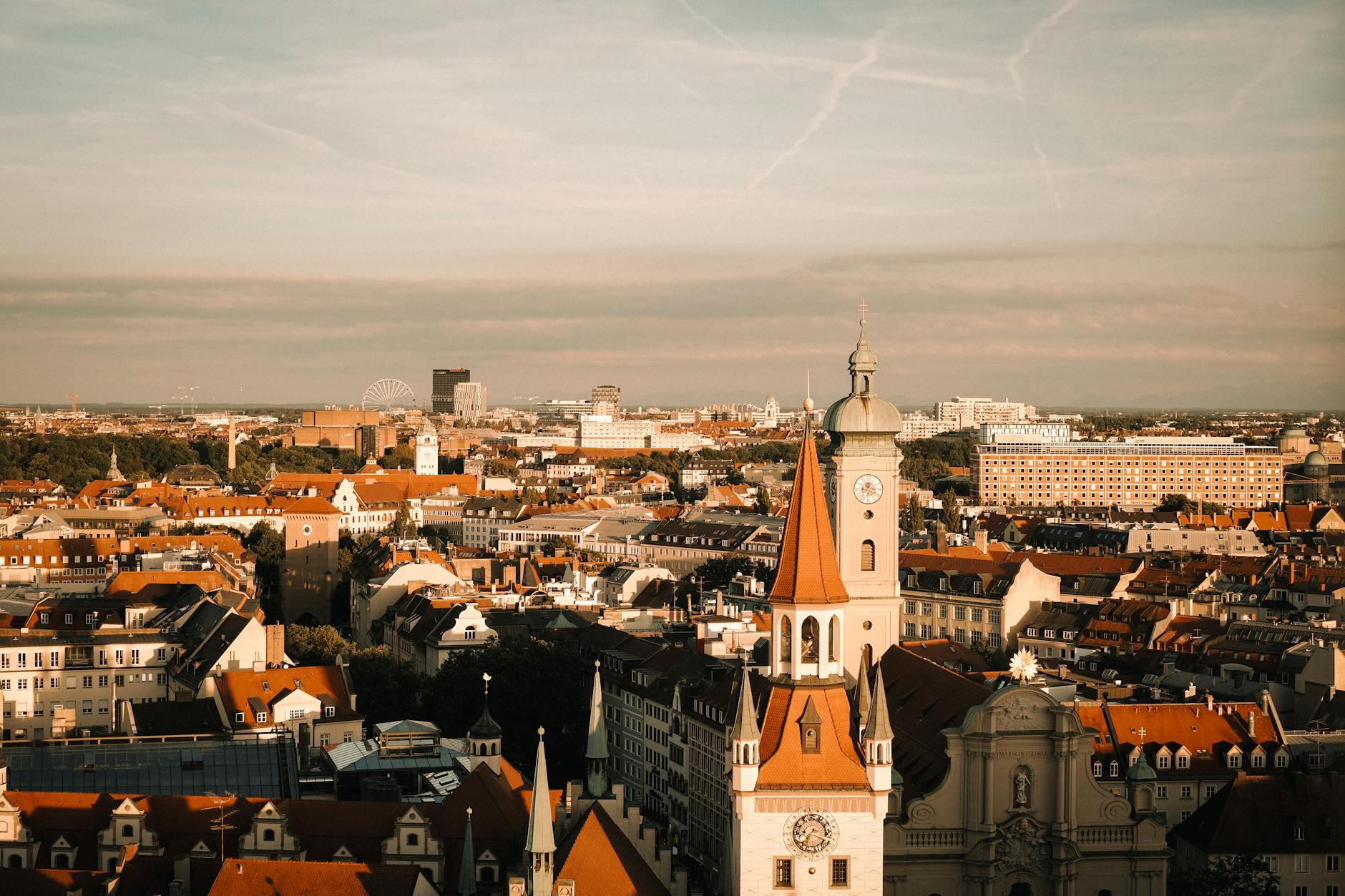
Highlights include full-scale ships, aircraft, mining tunnels, and a planetarium. A single visit rarely covers everything, and local guides suggest choosing two or three departments in advance to avoid fatigue.
The museum is particularly strong on its historical aviation and astronomy sections. Visitor reviews confirm that the interactive mining exhibit is a favorite with both children and adults.
Admission runs approximately 15 euros for adults as of 2024. The museum requires a full day to explore meaningfully, and the on-site restaurant is a practical option for lunch midway through.
Food and Local Cuisine in Munich
Bavarian food is hearty, precise, and seasonal. Munich kitchens take serious pride in sourcing regional ingredients, and that care shows on the plate.
Weisswurst is the city's signature breakfast dish: pale veal sausages served with sweet mustard, a soft pretzel, and a glass of wheat beer, typically before noon by tradition. Locals hold this ritual firmly.
Schnitzel, roast pork knuckle (Schweinshaxe), and Obatzda, a tangy cheese spread, appear on nearly every traditional menu. The Viktualienmarkt is the best place to taste these dishes in an outdoor, casual setting without a formal restaurant booking.
Munich also has a growing number of international and vegetarian restaurants, particularly in the Schwabing and Glockenbachviertel neighborhoods. The food scene has diversified sharply over the past decade.
Craft beer from smaller Bavarian breweries has become increasingly visible alongside the major Munich labels. Augustiner, brewed since 1328, remains the local favorite and is found on tap throughout the city.
Budget around 20 to 35 euros per person for a full sit-down meal with drinks at a mid-range Bavarian restaurant. Fine dining in Munich can reach 80 euros and above per head.
Getting to Munich and Getting Around
Getting There
Munich Airport (MUC) is Germany's second-busiest airport, serving over 100 destinations worldwide. Direct flights connect Munich to most major European cities in under three hours.
High-speed rail from Frankfurt takes roughly three hours, and trains from Zurich run in about three and a half hours. The German ICE network makes Munich easily reachable from across central Europe without flying.
The S-Bahn suburban rail line connects the airport to Munich's central station (Hauptbahnhof) in about 40 minutes. A single airport-to-city ticket costs around 13 euros.
Getting Around
Munich's public transit network, the MVV, integrates U-Bahn (metro), S-Bahn, trams, and buses seamlessly. A day pass for the inner zone costs approximately 9 euros and covers almost every attraction in the city center.
The city center between Marienplatz and the English Garden is genuinely walkable for visitors staying nearby. Cycling is equally practical, with dedicated lanes throughout the city and several bike-share programs available.
Taxis are reliable but expensive. Ride-hailing apps including Uber and local alternative FreeNow operate across the city for those who prefer on-demand transport.
Budget and Practical Tips
How Much to Budget for Munich
Munich sits firmly in the premium price range for European travel. Budget travelers can get by on roughly 90 to 110 euros per day, covering a hostel bed, public transit, and affordable meals.
Mid-range travelers should plan for 150 to 220 euros per day, including a comfortable hotel, museum admissions, and restaurant dinners. A three-star hotel in a central location rarely drops below 120 euros per night.
The Munich City Pass covers unlimited public transit and discounts at major attractions. Visitor reviews confirm it pays for itself within two days of active sightseeing.
Museum admission fees add up quickly. The Deutsches Museum, BMW Museum, and Nymphenburg Palace each charge separately, so prioritizing two or three paid attractions per day keeps costs manageable.
Best Time to Visit: June to August and October (Oktoberfest)
Summer in Munich brings warm temperatures, long daylight hours, and fully operational beer gardens from May through September. June and July are particularly pleasant, with average highs around 23 degrees Celsius and reliable sunshine.
Oktoberfest runs for 16 to 18 days, typically from mid-September through the first weekend of October. Hotel prices during the festival can triple compared to shoulder season, and booking six months in advance is strongly recommended.
Travelers who visit in late October after Oktoberfest ends find a quieter city with lower rates. The Christmas markets, running from late November through December, provide another compelling window for a visit.