Brussels

Everything about Brussels
What if one of Europe's most underrated capitals had been hiding in plain sight all along? Visiting Brussels reveals a city that defies easy categorization, layering medieval grandeur with modernist ambition and comic-strip murals.
Belgium's capital is home to more than 80 museums, yet it rarely tops travel bucket lists. That gap between reputation and reality is exactly what makes it worth your time.
From the gilded rooftops of a 17th-century square to a stainless-steel molecule visible from across the city, Brussels surprises at every turn. Here is what you need to know before you go.
Why visit Brussels?
What makes Brussels unique
Brussels sits at the crossroads of Latin and Germanic Europe, which gives it a cultural texture unlike any other city on the continent. French and Dutch share official status, and the architecture shifts personality from one neighborhood to the next.
The city is also the administrative heart of the European Union, drawing diplomats, researchers, and artists in equal measure. That mix produces a cosmopolitan energy that feels earned rather than manufactured.
The street-art scene in Brussels is world-class, with over 60 official comic-strip murals painted across building facades downtown. Tintin, the Smurfs, and Lucky Luke all originated here.
Brussels at a glance
The Brussels-Capital Region covers 161 square kilometers and holds around 1.2 million residents. Geographically compact, it rewards visitors who prefer to explore on foot.
The city divides loosely into the lower town, centered on the historic core, and the upper town, home to royal institutions and fine museums. Both are walkable from the central train stations.
Expect a temperate climate, a famously eclectic cuisine, and a pub culture built around hundreds of distinct Belgian ales. Brussels is relaxed, curious, and proudly bilingual.
What to see and do in Brussels?
Grand Place
The Grand Place is consistently ranked among the most beautiful squares in the world, and standing inside it on a clear morning, that verdict is hard to argue with.
Victor Hugo, who lived in Brussels during his exile, reportedly called it the most beautiful square in the world. The guild houses surrounding it date primarily from the late 17th century, rebuilt after French bombardment in 1695.
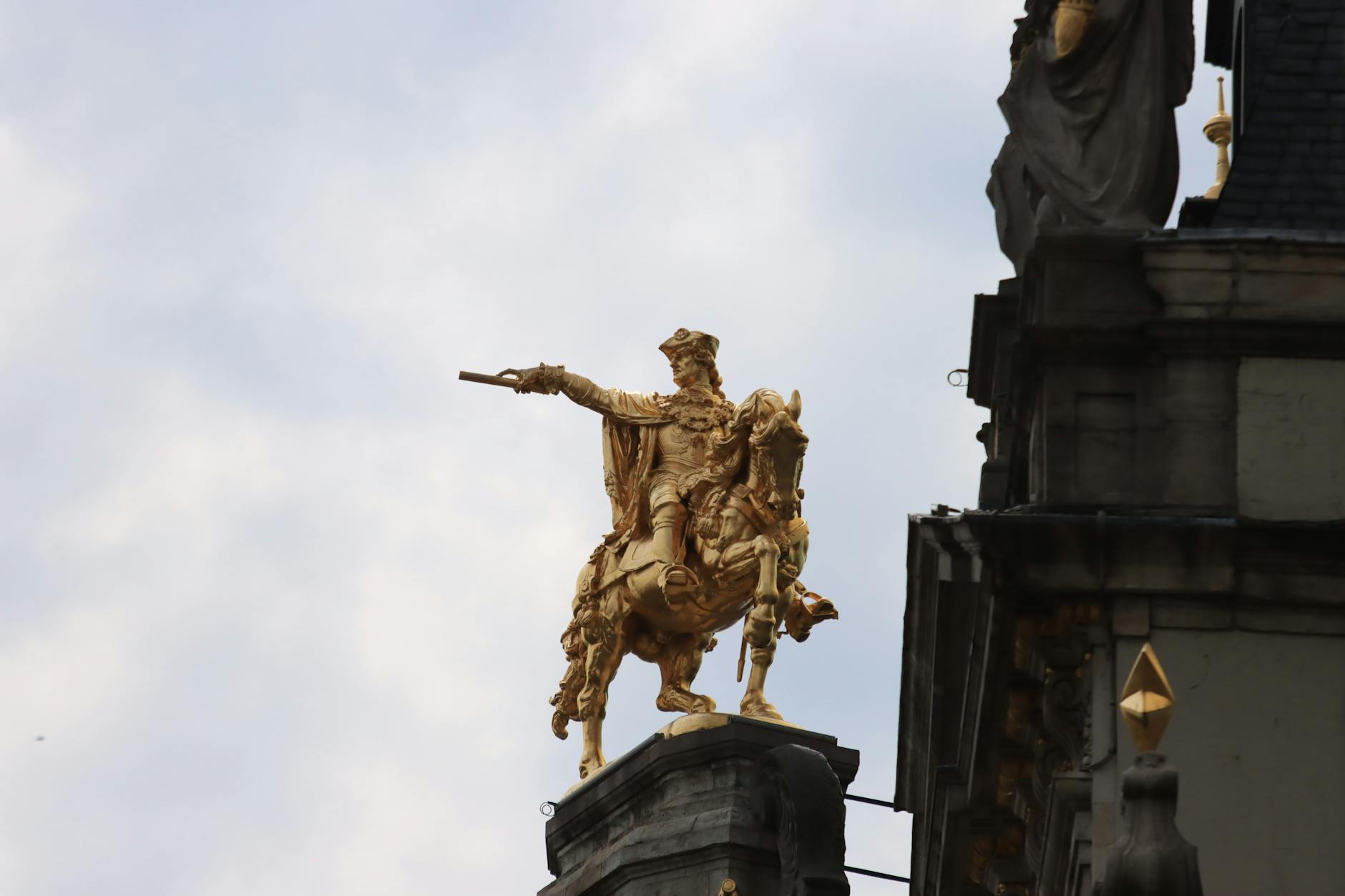
The Town Hall is the lone survivor of that bombardment, its Gothic tower rising 96 meters above the cobblestones. The asymmetrical facade is intentional, not a mistake.
Every two years in August, the square is carpeted with two million fresh begonias in a floral tapestry that covers the entire surface. Even outside that event, the square draws crowds from dawn to midnight.
Visitor reviews confirm that early morning, before the tour buses arrive, is when the square feels most alive. The light catches the gilded details differently every hour.
Manneken Pis
The Manneken Pis is Brussels' most famous statue and possibly its most deliberately anticlimactic attraction. The bronze boy urinating into a fountain stands just 61 centimeters tall.
First mentioned in city records in 1388, the current statue dates from 1619, cast by sculptor Jérôme Duquesnoy the Elder. It has survived theft, vandalism, and at least two documented kidnappings over the centuries.
The wardrobe of the Manneken Pis now exceeds 1,000 outfits, donated by governments, organizations, and fan clubs from around the world. The City Museum nearby displays a rotating selection.
On special dates, the statue is dressed in costume and connected to a pipe that dispenses local beer instead of water. Local guides recommend checking the official Brussels calendar before your visit to catch a costume day.
Atomium
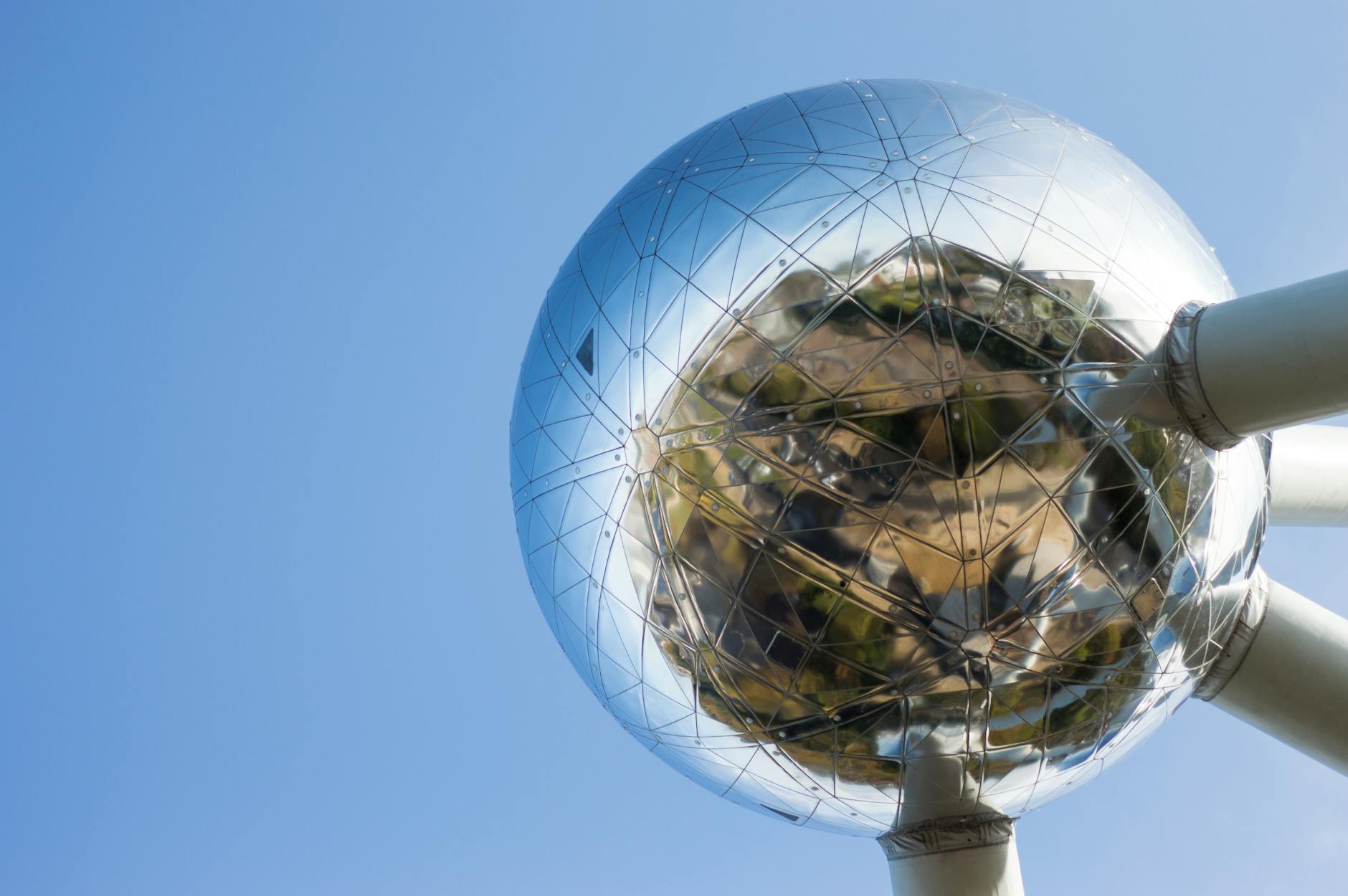
The Atomium was built for the 1958 Brussels World Expo and was originally intended as a temporary structure. It has since become the city's most recognizable modern landmark.
The structure represents an iron crystal magnified 165 billion times, with nine interconnected spheres each measuring 18 meters in diameter. The top sphere holds a panoramic restaurant with views across the entire Brussels plain.
The interior tubes connecting the spheres contain escalators and exhibition spaces dedicated to the history of the 1958 Expo and Belgian design. It is both a retro-futurist time capsule and a functioning museum.
Travelers note that visiting at dusk, when the spheres illuminate against a darkening sky, produces some of the most striking photographs in the city. Booking tickets online in advance avoids the longest queues.
Royal Museums of Fine Arts
The Royal Museums of Fine Arts of Belgium form one of the largest art complexes in Europe, combining six distinct museums on a single interconnected campus in the upper town.
The collection spans work from the 15th century to the present day, with particular strength in Flemish masters. Pieter Bruegel the Elder, Rogier van der Weyden, and Peter Paul Rubens are all represented with major works.
The Magritte Museum, housed within the complex, holds the largest collection of René Magritte's work in the world, covering all periods of the Belgian surrealist's career. It alone justifies a half-day visit.
Admission to the combined museums runs around 15 euros for adults, with free entry on the first Wednesday afternoon of each month. Local guides recommend arriving at opening time to avoid crowds in the Magritte galleries.
Food and local cuisine in Brussels
Belgian cuisine in Brussels is hearty, seasonal, and built around a few iconic preparations that the city has made its own. This is not a place to skip meals.
Moules-frites, mussels cooked in white wine and served with thick-cut fries, is the dish most closely associated with Brussels brasserie culture. The fries matter as much as the mussels.
Belgian fries are fried twice in beef fat, producing a crust that holds up under toppings. The tradition predates the American version by at least a century, and Brussels residents are quick to point that out.
Waffles here split into two distinct styles: the lighter, rectangular Brussels waffle and the denser, pearl-sugar Liège waffle. Street vendors sell both, but the best versions come from specialist shops rather than tourist stalls.
Belgian chocolate follows a set of production standards that forbid certain vegetable fats, resulting in a richness that mass-market competitors rarely match. The Sablon neighborhood is lined with chocolatiers worth the detour.
Beer deserves its own conversation. Brussels is the home of lambic and gueuze, spontaneously fermented ales that taste unlike anything else in the world. The Cantillon Brewery, still operating in Molenbeek, welcomes visitors and runs guided tastings.
Getting to Brussels and getting around
Getting there
Brussels Airport, located in Zaventem about 12 kilometers northeast of the city center, connects to most major European hubs and several transatlantic routes. A direct train runs from the airport to Brussels-Central station in roughly 17 minutes.
The Eurostar high-speed train links Brussels-Midi station to London St Pancras in under two hours, and to Paris in about 1 hour 22 minutes. Thalys and ICE trains connect to Amsterdam, Cologne, and beyond.
Bus services from across Europe also arrive at Brussels-Midi, making the city accessible for budget travelers crossing the continent overland.
Getting around
The Brussels metro, tram, and bus network, operated by STIB-MIVB, covers the entire city region with frequent service. A single ticket costs around 2.10 euros, and a 10-ride card reduces that cost significantly.
The historic center is compact enough to cover on foot in a single afternoon. Most major attractions between the Grand Place and the Royal Museums cluster within 20 minutes of each other by walking.
Cycling is increasingly practical thanks to an expanding network of dedicated lanes. The Villo! bike-share scheme operates across hundreds of stations throughout the city.
Budget and practical tips
How much to budget for Brussels
Brussels sits in the affordable range for a Western European capital. Budget travelers can manage comfortably on 60 to 80 euros per day, covering accommodation in a hostel or budget hotel, meals, and public transport.
A mid-range daily budget of 120 to 150 euros covers a three-star hotel, sit-down restaurant meals, museum admissions, and a few Belgian beers without stress.
Many of the city's best experiences cost nothing at all. Walking the comic-strip mural trail, exploring the Marolles flea market at Place du Jeu de Balle, and admiring the Grand Place are all free.
The Brussels Card, available for 24, 48, or 72 hours, bundles unlimited public transport with free or discounted entry to over 40 museums. For first-time visitors packing a full itinerary, it pays for itself quickly.
Best time to visit: April to September
The period from April to September brings the most reliable weather to Brussels, with average temperatures climbing from around 13°C in April to a comfortable 22°C in July. Rain is possible year-round, but summer days are long and mostly clear.
May and June hit a sweet spot between pleasant temperatures and pre-peak-season crowds. July and August bring festivals, outdoor markets, and the biennial Flower Carpet at the Grand Place.
Travelers note that September keeps summer warmth while hotel prices begin to ease and queues at top attractions grow noticeably shorter. It is one of the most rewarding months to visit the city.
Similar Destinations
Munich
In Munich, Germany, start at Marienplatz, then follow beer-hall buzz at Hofbräuhaus and slip into the English…
DiscoverAmsterdam
Amsterdam, in the Netherlands, draws travelers with its layered history — from the Anne Frank House to the…
DiscoverBerlin
Berlin, Germany stands where history cracked open: the Brandenburg Gate, the Berlin Wall remnants, and the…
Discover