Paris

Everything about Paris
What if one city could hold more masterpieces per square kilometer than almost anywhere else on Earth? Visiting Paris means stepping into a place where history, art, and daily life collide on every street corner.
Paris is not just a destination. It is a living argument that cities can be beautiful by design, not by accident.
Nearly 50 million tourists pass through each year, yet the city somehow keeps its secrets close. The real Paris rewards the curious traveler who looks beyond the obvious.
Why Visit Paris?
What Makes Paris Unique
Paris operates on a different frequency from other European capitals. The architecture follows strict rules of proportion and height, creating a visual harmony that makes even mundane streets look composed.
The city hosts more UNESCO World Heritage sites in its vicinity than most entire countries. Art, fashion, gastronomy, and philosophy have all, at different moments in history, been reinvented here.
Parisians take their city seriously. That seriousness, far from being cold, translates into a standard of quality in food, design, and public space that visitors feel immediately.
Paris at a Glance
Paris covers 105 square kilometers and is divided into 20 arrondissements, each with its own personality. The Seine River cuts through the center, threading together the Left Bank and the Right Bank like two chapters of the same story.
The city runs on a 24-hour rhythm that shifts from morning café culture to late-night wine bars. Public transport is dense and reliable, making navigation straightforward even for first-time visitors.
The official currency is the euro, and most businesses in Paris accept contactless payment. English is widely spoken in tourist areas, though a few words of French are always appreciated.
What to See and Do in Paris?
Eiffel Tower
The Eiffel Tower was built in 1889 as a temporary structure for the World's Fair. Gustave Eiffel himself expected it to be dismantled after 20 years. It was not.
Standing 330 meters tall, it remains the most visited paid monument in the world, drawing around 7 million visitors annually. The view from the top third floor stretches over 70 kilometers on a clear day.
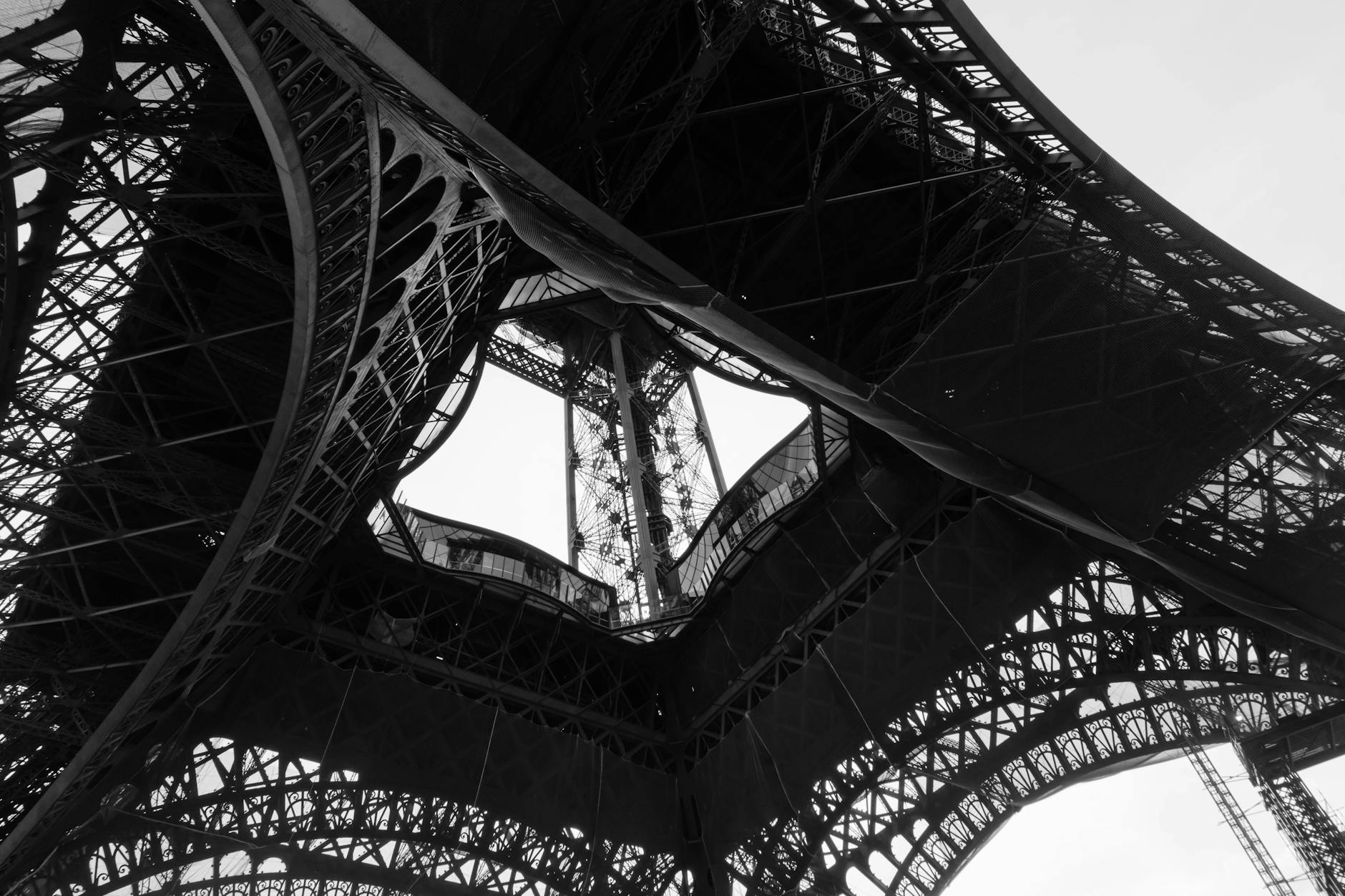
Booking tickets online in advance is strongly recommended. Local guides suggest arriving at opening time or in the evening, when the tower sparkles with its light show every hour after dark.
The Champ de Mars garden below is a destination in itself. Visitor reviews confirm that a picnic on the grass with a direct line of sight to the tower delivers one of the most memorable evenings in Paris.
Louvre Museum
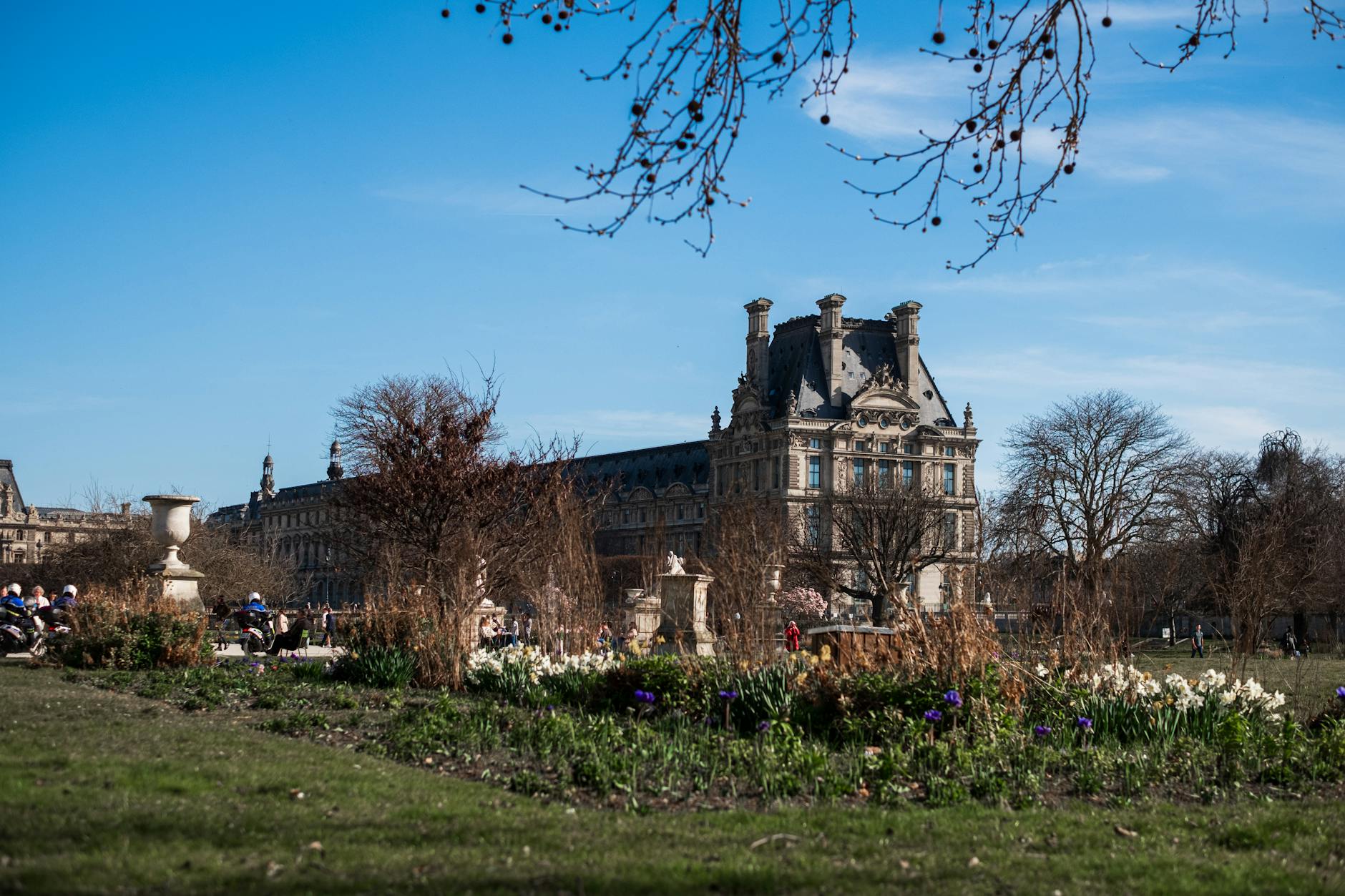
The Louvre Museum is the largest art museum in the world, covering more than 72,000 square meters of exhibition space. Its collection spans from ancient Mesopotamia to the mid-19th century.
The Mona Lisa, the Venus de Milo, and the Winged Victory of Samothrace all live here. Seeing all three in one afternoon feels like reading the greatest hits of Western civilization in a single sitting.
Planning is important. Attempting to see everything in one visit is a common mistake. Experienced travelers pick two or three wings and explore them properly rather than rushing through every gallery.
The glass pyramid entrance, designed by I.M. Pei and opened in 1989, now feels as iconic as the palace itself. Friday evenings are quieter than weekend mornings, making them a preferred time for those who know the rhythm of the museum.
Montmartre
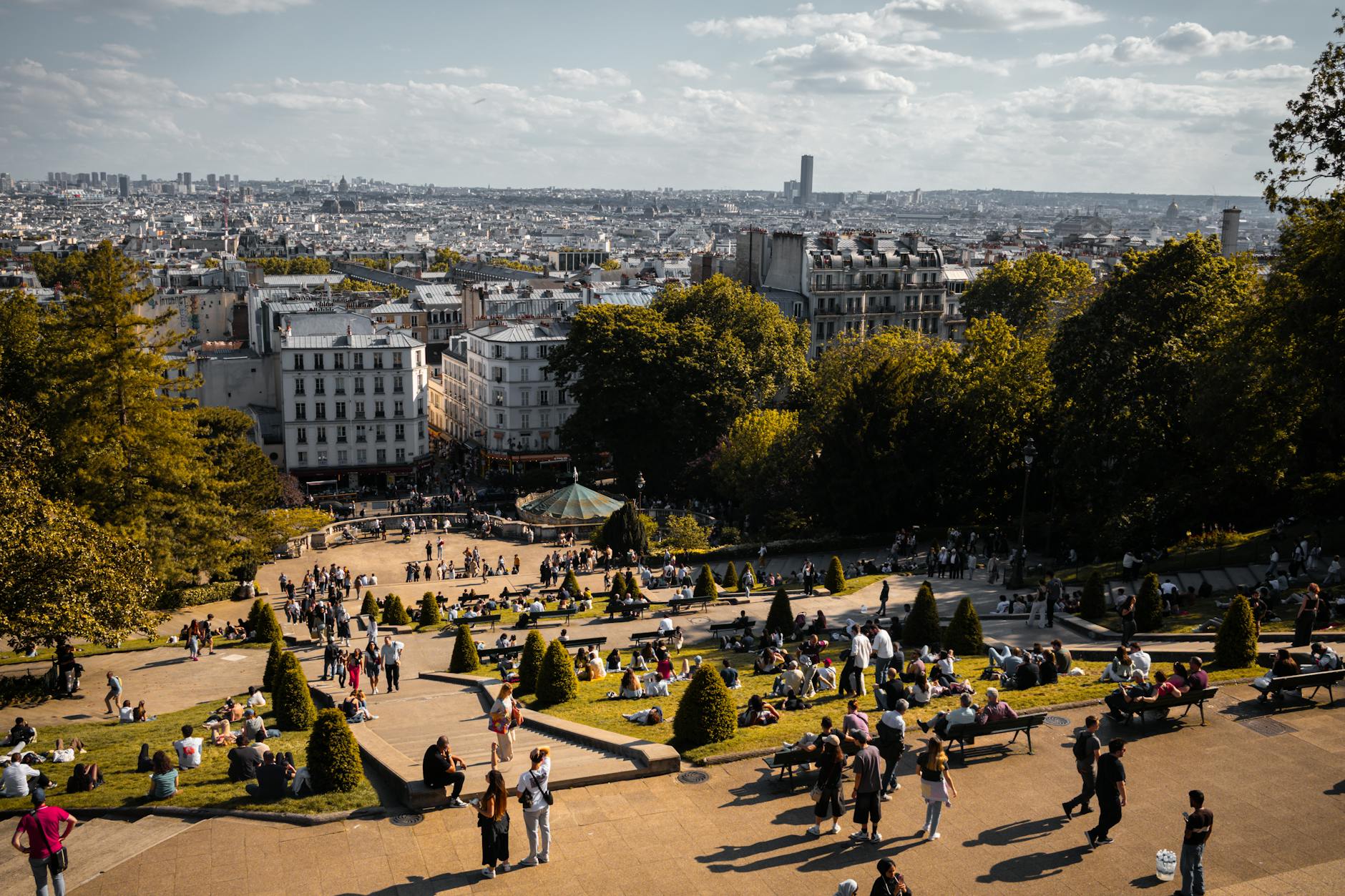
The Montmartre neighborhood sits on the highest hill in Paris, crowned by the white domes of the Sacré-Coeur Basilica. The view from the steps stretches across the entire city in an unbroken panorama.
In the late 19th and early 20th centuries, Picasso, Modigliani, and Toulouse-Lautrec all lived and worked here. The streets around the Place du Tertre still carry the atmosphere of that creative era, even if they now attract many tourists.
Beyond the main square, quieter lanes wind past independent bookshops, small vineyards, and neighborhood cafés. The Montmartre vineyard, one of the last in Paris, produces a small harvest each October celebrated with a local festival.
Traveling up by the Montmartrobus or the funicular saves energy and adds charm. Local guides recommend exploring the northern slopes of the hill, away from the main tourist path, to find the neighborhood's quieter side.
Notre-Dame Cathedral
Notre-Dame Cathedral stands on the Île de la Cité, the original island at the heart of Paris. Construction began in 1163 and continued for nearly two centuries, making it one of the finest examples of French Gothic architecture in existence.
The 2019 fire caused devastating damage to the spire and roof, but the stone structure and the twin towers survived. Restoration is progressing at remarkable speed, with a planned reopening in December 2024.
Even from the outside, the cathedral commands attention. The flying buttresses that ring the exterior were an engineering innovation of the 12th century, allowing walls to rise higher while remaining structurally sound.
The surrounding parvis and the adjacent park behind the cathedral provide excellent perspectives. Visitors walking across the Pont au Double bridge get a full frontal view of the façade that photographs rarely capture with full justice.
Food and Local Cuisine in Paris
Parisian food culture is not a tourist attraction. It is a daily practice that locals take as seriously as any other aspect of life. The city holds more Michelin-starred restaurants than almost any other in the world.
A traditional Parisian breakfast means a croissant or a pain au chocolat at the counter of a neighborhood café, standing up, with a short black coffee. Sitting down costs more and takes longer.
Classic dishes to try in Paris include steak frites, duck confit, croque-monsieur, and soupe à l'oignon. These are not museum pieces. They appear on menus across the city because they work.
For cheese and charcuterie, neighborhood markets are the right destination. The Marché d'Aligre and the Marché des Enfants Rouges are two of the most authentic options, both operating on weekend mornings.
Wine is integral to the meal. A carafe of house wine (un pichet) at a bistro is affordable, perfectly calibrated to the food, and very Parisian. Visitor reviews consistently point to this as one of the most genuine local experiences available.
Pastry shops deserve their own visit. A Pierre Hermé macaron, a Ladurée éclair, or a simple tarte aux pommes from a local boulangerie each represent decades of craftsmanship compressed into a small, precise bite.
Getting to Paris and Getting Around
Getting There
Paris is served by two major international airports. Charles de Gaulle Airport (CDG) handles the majority of intercontinental flights and sits approximately 25 kilometers northeast of the city center.
Orly Airport (ORY) serves mainly European and domestic routes. Both airports connect directly to central Paris by RER train or by dedicated bus services, with journey times between 30 and 50 minutes.
The Eurostar train from London St Pancras arrives at Gare du Nord in approximately 2 hours 20 minutes, making the train a competitive alternative to flying from the United Kingdom. High-speed TGV trains connect Paris to most major French and European cities.
Getting Around
The Paris Métro runs 16 lines covering the entire city with trains arriving every 2 to 5 minutes during peak hours. It is fast, affordable, and the preferred transport method for most residents and experienced visitors.
The Navigo Easy card loads single tickets or packs of ten (carnets), and the Navigo weekly pass covers unlimited travel across all zones. Both are available at any Métro station.
Cycling infrastructure has expanded significantly in recent years. The Vélib' bike-sharing network provides thousands of electric and manual bikes at stations across the city, making short trips between neighborhoods quick and pleasant.
Budget and Practical Tips
How Much to Budget for Paris
Paris sits firmly in the premium travel category. A mid-range hotel in a central arrondissement typically costs between €150 and €300 per night, with budget options starting around €90 in less central areas.
A sit-down lunch at a bistro, including a starter, main course, and a glass of wine, runs between €20 and €40 per person. Dinner at a mid-range restaurant adds another €40 to €70.
The Paris Museum Pass covers entry to over 50 museums and monuments, including the Louvre and Versailles. A two-day pass costs around €55 and pays for itself quickly with even moderate museum visits.
Travelers on tighter budgets can visit many parks, markets, and architectural landmarks entirely free of charge. The gardens of the Palais-Royal, the Canal Saint-Martin, and the Promenade Plantée cost nothing and deliver lasting impressions.
Best Time to Visit: Spring (April–June) or Fall (September–October)
Spring in Paris brings mild temperatures between 12°C and 20°C, blooming chestnut trees lining the boulevards, and longer daylight hours that stretch well into the evening. April and May see fewer crowds than the summer peak.
Fall delivers similarly comfortable temperatures and a change in color across parks like the Bois de Boulogne. September is particularly appealing, as summer crowds have thinned but the city remains fully alive.
July and August bring intense tourist traffic and summer heat. December draws visitors for Christmas markets and festive lighting, though prices rise accordingly. Spring and fall remain the periods when Paris operates at its most balanced and rewarding.