
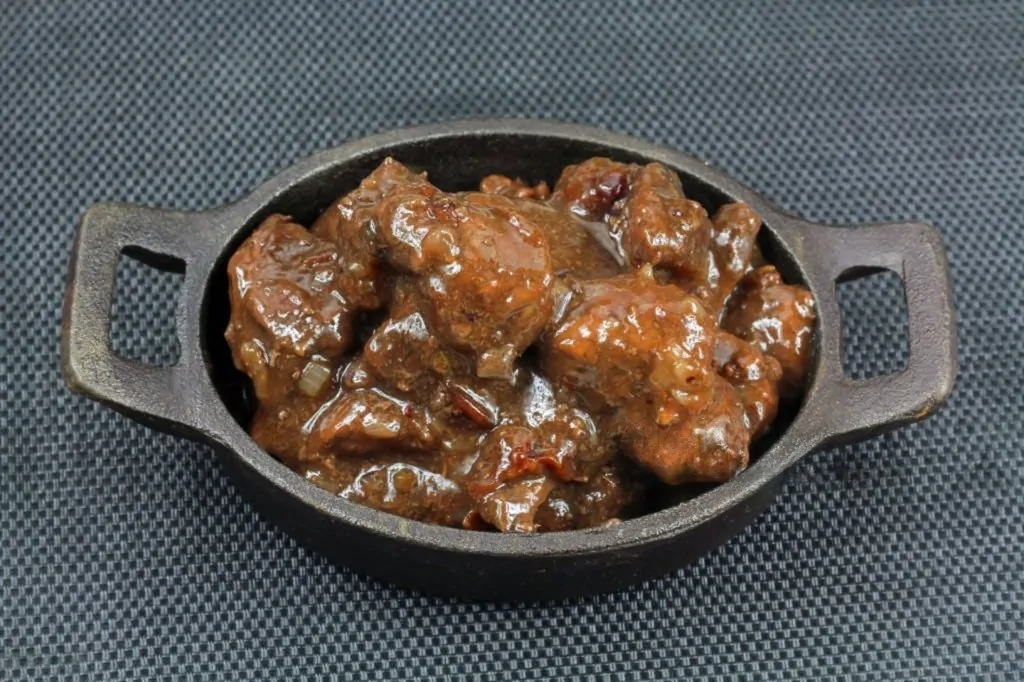
Wild boar stew is an iconic dish of traditional French cuisine and is particularly popular during the autumn and winter months.
This rustic and refined recipe, derived from the venison tradition, transforms game meat into a tender and tasty dish thanks to a prolonged marinating and slow cooking.
In this article, let's discover the complete recipe for wild boar stew, its preparation secrets, chef's tips and all the answers to your questions to better succeed in this exceptional dish!
The history of wild boar stew
Wild boar stew has been a part of French culinary tradition since the Middle Ages. Hunters used this marinating technique to preserve the meat and soften the strong taste of wild game.
The term "civet" comes from the word "cive" (onion in Old French), the central ingredient of this recipe. Traditionally served on special occasions and during the holiday season, this dish was reserved for the tables of the nobility before becoming more widely available in rural inns in the 18th century.
Even today, civet remains a symbol of local gastronomy and French culinary know-how, perpetuating ancestral techniques regarding the preparation of game!
The traditional recipe for wild boar stew
- ⏱️ Preparation time: 30 minutes
- 🕐 Marinating time: 12 to 48 hours (ideally 24 hours)
- 🔥 Cooking time: 2.5 to 3 hours
- 👥 Serves: 8 people
- 💰 Cost: Approximately €8-10 per person
- 📊 Difficulty level: Intermediate
- 🍷 Dish type: Meat in sauce, game
Where to buy wild boar meat?
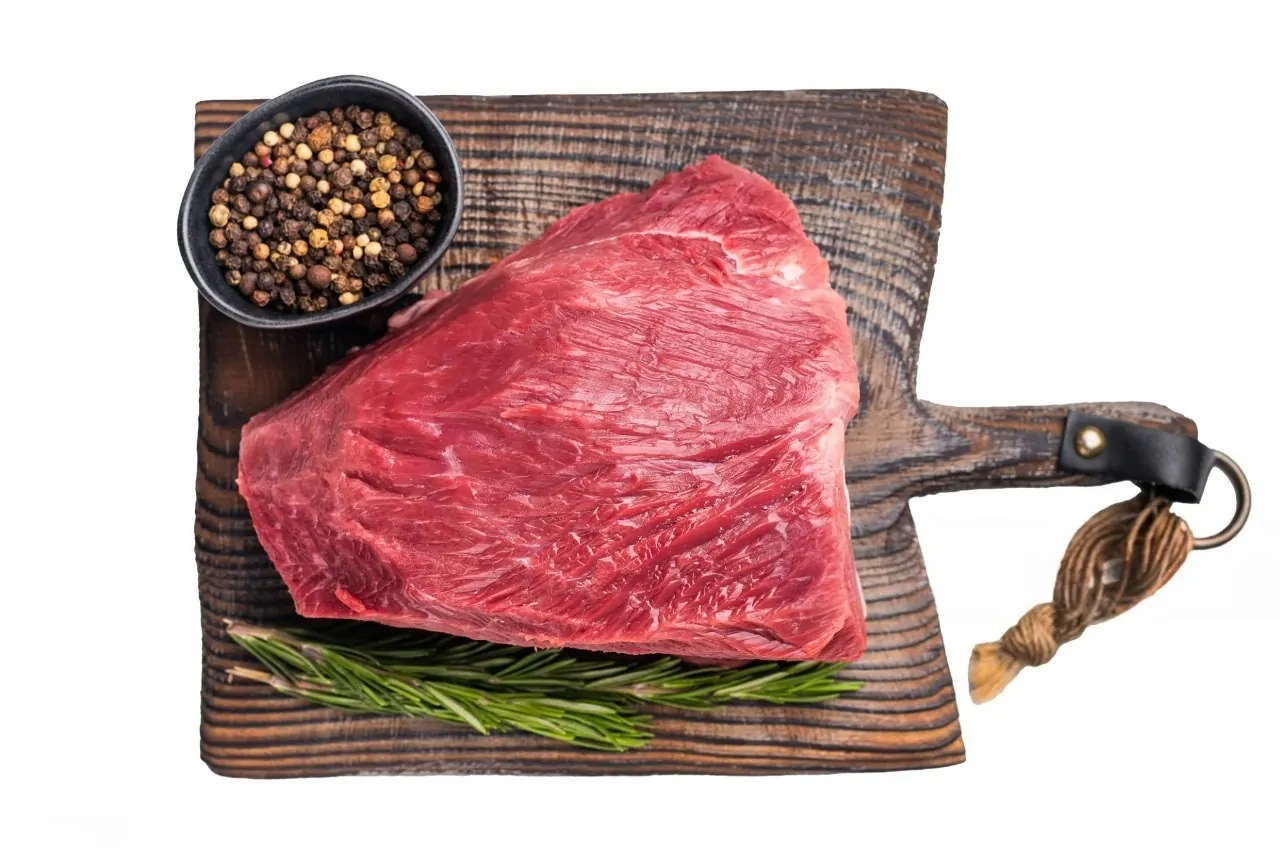
Wild boar meat is mainly found at butchers specializing in game (order 3-4 days in advance) or on specialized online sites. Expect to pay €15-20/kg for the shoulder and €22-28/kg for the cheeks.
The hunting season runs from October to February, a suitable time to find quality French wild game.
The ingredients
For the meat and the marinade
- 1.5 to 2 kg of wild boar meat (shoulder, neck or leg, cut into 5 cm cubes)
- 1 bottle (75 cl) of full-bodied red wine (Cahors, Côtes-du-Rhône or Madiran)
- 4 medium onions
- 6 carrots
- 1 leek (white and green parts)
- 3 cloves of garlic
- 4 cloves
- 3 bay leaves
- 1 sprig of fresh rosemary
- 6 sage leaves (or 3 sprigs of thyme)
- 5 sprigs of flat-leaf parsley
- 10 black peppercorns
- 5 juniper berries (optional but recommended)
For cooking
- 200g of button mushrooms (or porcini mushrooms if available)
- 2 level tablespoons of flour
- 30g of semi-salted butter
- 3 tablespoons of olive or sunflower oil
- 1 bouquet garni (thyme, bay leaf, parsley)
- Salt and freshly ground pepper
For the final connection (optional)
- 100g of smoked bacon
- 15 small pearl onions
- 2 squares of 70% dark chocolate (chef's secret for depth)
- 1 tablespoon of redcurrant jelly
The steps of the recipe
Step 1: Marinade (12 to 48 hours in advance)
Marinating is a crucial step in order to tenderize wild boar meat and eliminate its strong gamey taste.
1. Prepare the vegetables : Peel and quarter 2 onions, slice 3 carrots into thick rounds, and cut the leek into chunks. Peel the garlic and lightly crush the cloves.
2. Arrange the meat : Place the wild boar cubes in a large glass or terracotta bowl (avoid metal).
3. Add the aromatics : Incorporate all the vegetables, aromatic herbs (bay leaf, rosemary, sage, parsley), cloves, peppercorns and juniper berries.
4. Pour in the wine : Generously cover the meat with red wine until it is completely submerged. Add a little water if necessary.
5. Marinate : Cover with cling film and refrigerate for 24 to 48 hours for more tender meat. Stir once or twice during marinating.
Step 2: Preparing the meat
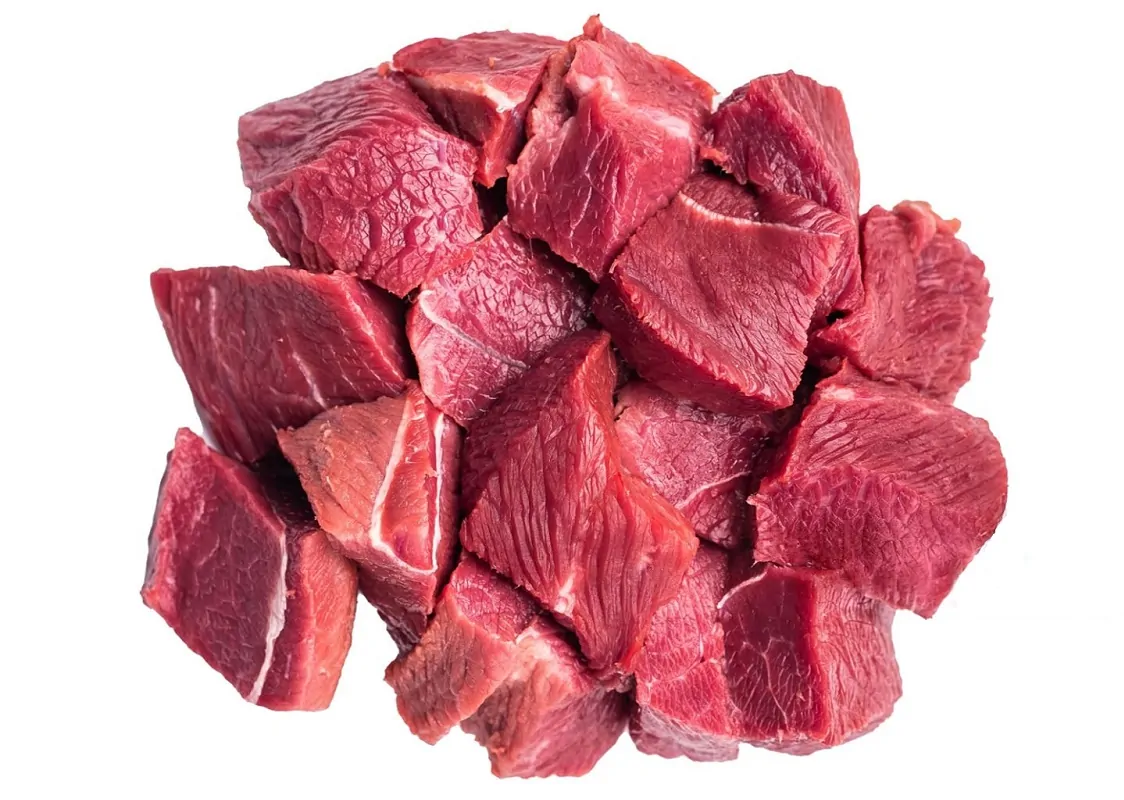
1. Drain thoroughly : Remove the meat from the marinade and drain it in a colander. Keep the marinade and vegetables separate.
2. Dry the meat : Thoroughly pat each piece dry with paper towels. This is essential for achieving a nice color when seared.
3. Filter the marinade : Pass the liquid through a chinois or a fine sieve to remove the herbs and spices.
Step 3: Searing (essential for flavors)
1. Heat the casserole : In an enameled cast iron casserole, heat 2 tablespoons of oil and the butter over high heat.
2. Sear the meat : Brown the pieces of wild boar in small batches for 4-5 minutes on each side. They should be well caramelized. Set them aside as they are done.
3. Sauté the vegetables : In the same pot, sauté the remaining chopped onions, sliced carrots and sliced mushrooms for 5 minutes.
Step 4: Simmering
1. Sprinkle with flour : Add the flour to the vegetables and mix well for 2 minutes to make a light roux.
2. Deglaze : Gradually pour in the strained marinade, stirring to avoid lumps.
3. Add the meat : Put all the pieces of wild boar back in the casserole dish with the bouquet garni.
4. Season : Add salt moderately (the sauce will reduce) and pepper generously.
5. Simmer : Cover and cook over very low heat for 2.5 to 3 hours. The meat should be very tender. Stir gently every 30 minutes.
Step 5: The finishing touches
1. Check if it's cooked : The meat should fall apart easily with a fork. If it's still resistant, continue cooking for another 30 minutes.
2. Reduce the sauce : Remove the lid and simmer for 15-20 minutes to concentrate the flavors. The sauce should coat the back of a spoon.
3. Final connection (optional) :
- Add the grated dark chocolate squares (they add richness)
- Incorporate the redcurrant jelly for a slightly sweet and savory touch
- Fry the bacon and pearl onions separately and add them to the stew
4. Adjust the seasoning : Taste and adjust salt and pepper if necessary.
Nutritional values (per serving)
| Nutrient | Quantity |
|---|---|
| Calories | 420 kcal |
| Proteins | 38 g |
| Lipids | 18 g |
| Carbohydrates | 15 g |
| Fibers | 3 g |
| Iron | 4.5 mg |
Note: Wild boar is a lean meat, rich in protein and iron, excellent for health (except in creamy sauce).
Some mistakes to avoid
❌ Not marinating long enough : Minimum 12 hours, ideally 24-48 hours for tender meat without too strong a taste.
❌ Overloading the casserole dish when searing : Brown in small batches, otherwise the meat boils instead of caramelizing.
❌ Forgetting to dry the meat : Moist meat does not brown and releases too much water into the sauce.
❌ Cooking over too high a heat : The stew should simmer gently, not boil. Overcooking toughens the meat.
❌ Using a poor quality wine : The wine concentrates in the sauce, use a wine that you would gladly drink.
The perfect accompaniment for wild boar stew
Dauphinoise potatoes (recommended)
Ingredients :
- 1 kg of potatoes (Bintje or Charlotte)
- 40 cl of full liquid cream
- 20 cl of whole milk
- 2 cloves of garlic
- Nutmeg
- Salt, pepper
Preparation :
- Peel and finely slice the potatoes (2-3 mm)
- Rub a gratin dish with garlic
- Alternate layers of potatoes and cream mixed with milk
- Season each layer with salt, pepper and grated nutmeg
- Bake at 180°C for 1 hour 15 minutes to 1 hour 30 minutes until golden brown
Other recommended accompaniments
- Creamy polenta: Smooth and comforting
- Spätzle: Traditional Alsatian noodles
- Celeriac purée: Slightly sweetened
- Sautéed mushrooms: Porcini, chanterelles or oyster mushrooms
- Roasted chestnuts: For an autumnal touch
- Fresh pasta: Tagliatelle or pappardelle
Which wine should you choose for your wild boar stew?
The choice of wine is crucial to the success of the wild boar stew. Opt for powerful, tannic, and full-bodied red wines.
For marinating and cooking
- Cahors : Tannic and robust, the king of stews (Malbec)
- Madiran : Powerful with pronounced tannins (Tannat)
- Côtes-du-Rhône Villages : Generous and spicy (Syrah, Grenache)
- Corbières or Fitou : Full-bodied Languedoc wines
- Bandol : Tannic and structured (Mourvèdre)
- Bourgogne Passe-tout-grains : A more delicate option
For the food and wine pairing at the service
Ideally, serve the same wine used for cooking, but slightly higher quality:
- Cahors AOC (8-12€): The classic pairing
- Châteauneuf-du-Pape (€20-35): For special occasions
- Bandol red (15-25€): Elegant and powerful
- Saint-Émilion Grand Cru (€18-30): Refined
If you need to deepen your knowledge on the subject or learn about common mistakes in oenology, we have created a short educational quiz on wine to help you see things more clearly!
Which cut of wild boar should I choose for a stew?
The choice of the cut of wild boar is crucial for the final tenderness of the stew.
The best cuts of meat
1. The shoulder ⭐⭐⭐⭐⭐
- Marbled and gelatinous meat
- Becomes very tender after long cooking
- The chefs' number 1 choice
2. The necklace ⭐⭐⭐⭐⭐
- Very tasty and melts in your mouth
- Lots of gelatin = creamy sauce
- Excellent value for money
3. The thigh ⭐⭐⭐⭐
- Perfect for long simmers
- Tasty meat
- Thinner than the shoulder
4. The cheeks ⭐⭐⭐⭐⭐
- Ultra-melting
- More expensive but exceptional
- Reduced cooking time (2 hours)
Pieces to avoid!
- The fillet and the rib: Too lean, they dry out during cooking
- The whole leg of lamb: Better roasted than in a stew
- The lower cuts are very tough: Unpleasant texture even after cooking
To learn more, discover our advice on which cuts of meat to choose, depending on the type of recipe you're preparing. This also applies to wild boar, although this meat is more gamey and has a stronger flavor.
Regional variations of wild boar stew
Beef stew, Burgundy style
An enhanced version with 200g of sautéed smoked bacon, caramelized pearl onions, and button mushrooms. Use a Pinot Noir from Burgundy for the marinade and serve with steamed potatoes.
Provençal civet
Add Herbes de Provence (2 tbsp), 100g of black olives, and the zest of one orange to the marinade. Replace some of the wine with Côtes-de-Provence. Serve with creamy polenta.
Alsatian stew
Replace 1/3 of the red wine with Alsatian dark beer, add 10 juniper berries, and serve with homemade spätzle. Accompany with lightly vinegared sauerkraut as a side dish.
What starter should I serve with the main course?
Opt for light starters that prepare the palate without overwhelming it.
Our suggested appetizers
Cold appetizers:
- Homemade game terrine with port jelly
- Lamb's lettuce salad with confit gizzards and walnuts, dressed with aged wine vinaigrette
- Porcini mushroom carpaccio with hazelnut oil (when in season)
- Autumn salad (arugula, roasted pears, Roquefort cheese, walnuts)
Hot appetizers:
- Cream of wild mushroom soup with bacon crisps
- Poached egg on toast with bacon and red wine emulsion
- Crispy black pudding and apple compote
- Puff pastry with mushrooms and foie gras
Stew, daube or ragoût: what are the differences?
| Criteria | Stew | Stew | Stew |
|---|---|---|---|
| Meat | Game only | Beef or wild boar | All meats |
| Marinade | Required 24-48 hours | Optional | None |
| Wine | Full-bodied red | Red + herbs | Variable or without |
| Cooking | 2:30-3:00 | 3-4 hours | 1h30-2h |
| Texture | Tender meat | Very soft | Meat in chunks |
Wild boar stew is distinguished by its long marinade in red wine and the exclusive use of game, unlike daube (stewed beef) and ragoût (shorter cooking without marinade).
Chef's tips and tricks
Before cooking
✅ Take the meat out of the refrigerator 1 hour beforehand: It will sear better at room temperature
✅ Dry the meat thoroughly: Otherwise it will boil instead of browning
✅ Use a cast iron casserole dish: It distributes heat evenly
During cooking
✅ Don't add salt too early: The sauce reduces and concentrates the salt
✅ Control the heat: It should just simmer, not boil
✅ Skim regularly: For a clear and glossy sauce
D-Day
✅ Prepare the stew the day before: The flavors develop while resting, it's even better reheated
✅ Skim the fat from the sauce: If prepared in advance, remove the solidified fat from the surface
✅ Warm gently: 30 minutes over very low heat
Preserving wild boar stew
In the refrigerator: 3-4 days in an airtight container. In the freezer: 2-3 months (freeze the sauce and meat together). Defrosting: 24 hours in the refrigerator, then gently reheat.
Answers to your questions
Can you make a stew with another type of meat?
Yes! The recipe works perfectly with roe deer (same cooking time), doe or deer (more tender meat, reduce to 2 hours), hare (traditional, cook for 1.5-2 hours) or beef (economical version with chuck or shin).
How do you remove the strong taste of wild boar?
Three effective solutions: prepare a long 48-hour marinade with red wine, quickly blanch the meat for 5 minutes in boiling water before marinating, or add 2-3 tablespoons of wine vinegar to the marinade.
Can you cook civet without a marinade?
Technically yes, but marinating is highly recommended as it tenderizes the meat, reduces the gamey taste, and adds complex flavors. Absolute minimum: 6 hours of marinating.
The stew is too runny, how can I thicken it?
Several techniques: let it reduce uncovered for 20-30 minutes, add 1 tbsp of cornflour dissolved in a little water, blend some pieces of vegetables from the sauce, or add 1-2 squares of dark chocolate.
How long does the marinade keep?
The marinade can be kept in the refrigerator for 3-4 days if you wish to prepare it in several batches.
In summary
Wild boar stew is a dish with character that requires time and patience, but the result is exceptional.
This traditional recipe, perfected over generations, transforms rustic meat into a refined and comforting dish.
The keys to success: a long marinade (24-48 hours), perfect searing of the meat, gentle and prolonged cooking (2.5-3 hours), a good full-bodied red wine and a smooth side dish.
Feel free to personalize this recipe to your liking and prepare it the day before for even more developed flavors.
Wild boar stew is therefore the perfect dish to serve to family and friends during festive autumn and winter meals, provided that your guests still appreciate the taste of wild meat!
Enjoy your meal and share your culinary experiences with as many people as possible! 🍷🍖
Have you tried this recipe? Leave a comment to share your experience and personal tips!
