
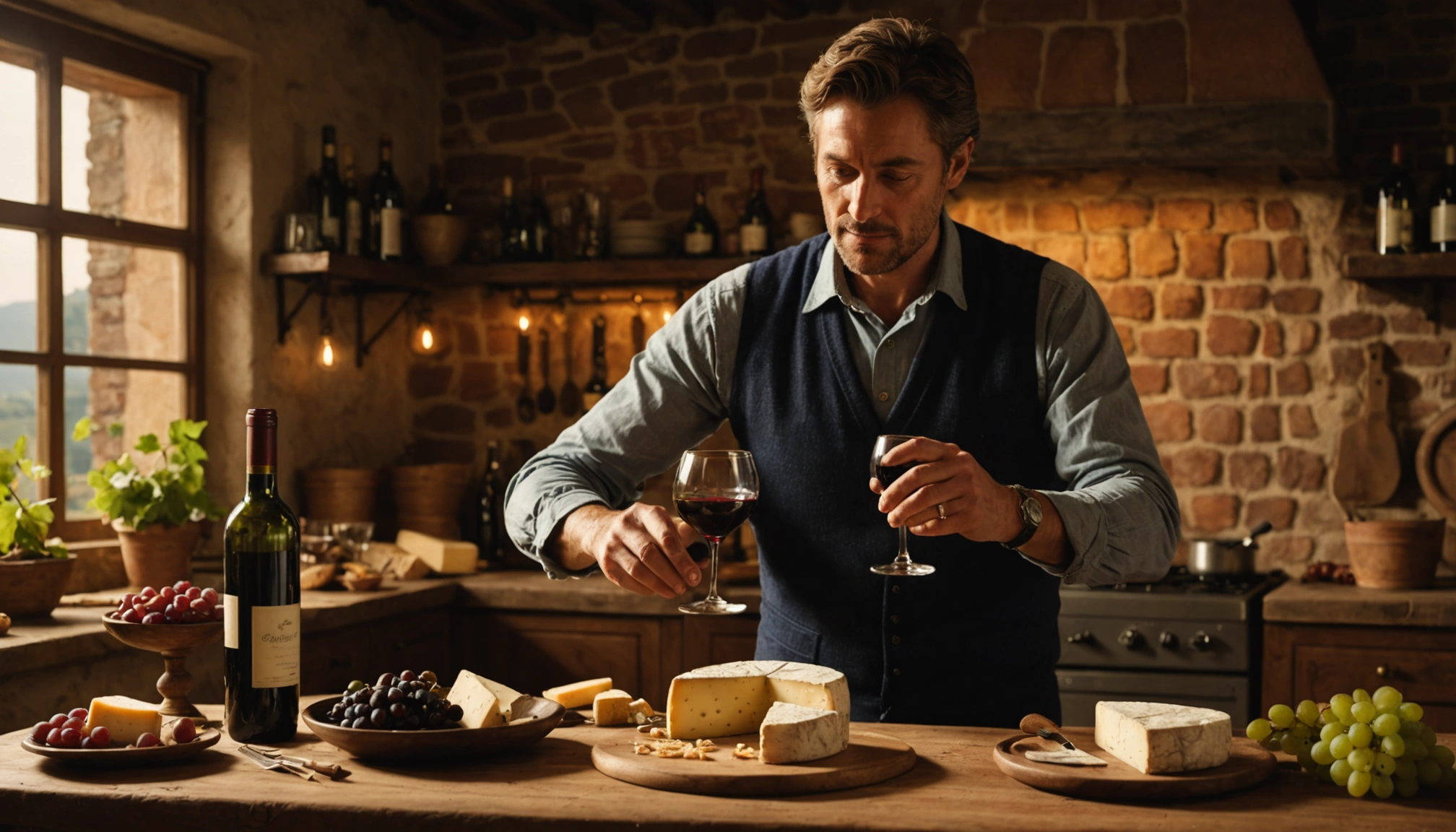
Barbaresco wine, a viticultural jewel of the Italian Piedmont, represents one of the most refined expressions of the Nebbiolo grape variety.
Less well-known than its cousin Barolo but just as noble, this exceptional wine impresses with its elegance, aromatic complexity and ability to age gracefully.
Through this article, we invite you to discover the many facets of this oenological treasure, its distinctive characteristics, and how to fully appreciate it.
Barolo wine: unique aromas and secrets of noble grape varieties
Barbaresco is often compared to its famous neighbor, Barolo, but it possesses its own unique personality. Its elegant and complex character attracts wine lovers from all over the world.
For those who wish to explore further the fascinating world of Barbaresco, discovering its subtleties and nuances is an enriching experience.
Each bottle takes you on a tasting journey to the heart of the Piedmont hills, revealing the art of local winemakers.

Barolo and Barbaresco share common roots but each possess their own distinct identity. These two great Piedmont wines reveal the quintessence of Italian terroir through the Nebbiolo grape variety.
Nebbiolo grape variety: the essence of Barolo
Barolo, this prestigious Italian wine, is produced exclusively from the Nebbiolo grape variety. Its powerful tannins and aromatic richness make it a unique nectar.
Imagine notes of rose, truffle, cherry and a subtle touch of tar: that's the complexity promised by every sip.
Its imposing structure and depth make it incomparable. Over time, it transforms, revealing even more refined aromas after several decades of aging.
This is a wine that patiently waits for its peak to guarantee an unforgettable tasting experience.
The ideal Barolo tasting: moments and techniques
Waiting a decade for a Barolo may seem like a long time, but patience is often rewarded with an explosion of flavors and aromas. While some winemakers have embraced more approachable styles, time remains the ally of this prestigious wine.
To fully appreciate a Barolo, use a generously sized balloon glass that will allow its aromas to fully develop. Let it breathe for at least an hour and serve it between 16 and 18°C.
This is where its complexity is revealed, offering a rich and nuanced sensory experience with every sip.
Food and wine pairings to enhance your wine tasting
Italian cuisine and fine wines like Barbaresco and Barolo create memorable pairings. Their tannic structure and aromatic complexity call for dishes of equal caliber.

Food and wine pairings: dishes perfect for a Barolo
Barolo is the perfect companion to rich and generous dishes. Its complexity pairs wonderfully with a truffle risotto, where each bite reveals a unique aromatic depth.
Braised red meats, on the other hand, absorb the powerful notes of the wine, creating a perfect harmony.
In Piedmont, tajarin topped with ragù and brasati al Barolo are classic dishes that enhance this nectar.
The mature cheeses from the region, with their assertive character, also provide a tasty contrast.
The power and elegance of Barolo transform every meal into a memorable experience.
A refined selection of Italian Tuscan wines
To find an exceptional Chianti, look for the Chianti Classico Riserva or Gran Selezione appellations. These labels are synonymous with quality and highlight the typicity of Sangiovese, the king of grape varieties in the region.
During a getaway to Tuscany, explore iconic estates such as Antinori or Castello di Brolio. These visits will immerse you in the local winemaking tradition.
To enrich your experience, take a look at the Lidl catalogue which regularly offers affordable Italian selections.
This will allow you to compare the subtleties between artisanal productions and more commercial offerings, thus revealing all the richness of Tuscan terroirs.
Exceptional wines: the secrets to refined choices
Italy's wine heritage is brimming with treasures, of which Barbaresco is one of the finest examples. Understanding regional specificities allows you to refine your choices and explore the diversity of Italian wine expressions.

Barolo and Tuscany: treasures of Italian wines
In the world of great Italian wines, some names immediately evoke exceptional expertise and centuries-old tradition.
Barolo and Barbaresco, true jewels of Piedmont, captivate with their complexity and longevity in the cellar.
This is where renowned producers like Giacomo Conterno or Gaja work with passion to offer wines that tell the story and richness of their land.
In Tuscany, Brunello di Montalcino and Chianti Classico command respect with their majestic stature. These wines embody the quintessence of the Tuscan terroir, revealing with every sip a harmony between power and elegance.
Biondi-Santi for Brunello is synonymous with a unique heritage, perpetuated with dedication from generation to generation.
These wines are not just drinks: they are an unforgettable sensory experience!
Wine duel: Italian wine vs. Burgundy
Barbaresco, with its delicate complexity, is reminiscent of the great Burgundies.
These two wines, made from unique grape varieties – Nebbiolo for Barbaresco and Pinot Noir for Bourgogne – captivate with their subtle and nuanced expressions.
An aromatic elegance characterizes these exceptional wines. Their plot-by-plot approach to the terroir testifies to a particular attention paid to every detail of their production.
While Pinot Noir retains a fine tannic structure, Barbaresco is a wine distinguished by more present tannins and a lively acidity that gives it a pronounced character.
Practical tasting: unique uses and contexts
The art of wine tasting adapts to circumstances and personal preferences. Whether on a terrace or at special occasions, the choice of wine deserves careful consideration tailored to the context.
Choosing the perfect wine for a terrace
When it comes to enjoying a good glass of wine on the terrace, let yourself be tempted by light and refreshing Italian wines. Imagine a Barbera d'Alba with fruity aromas or a Dolcetto bursting with freshness. These wines bring a joyful touch to your moments in the sun.

For those seeking a more refined yet accessible experience, Langhe Nebbiolo proves to be a wise choice.
Its elegance and conviviality make it the perfect companion for a relaxed outdoor tasting. Forget the sometimes intimidating power of grand cru wines: here, it's all about balance and simple pleasure shared with friends.
Alternatives to Italian wine for every occasion
Explore unexpected wine horizons by discovering the wines of Mora Caino in Abruzzo or the stunning whites of Friuli. These treasures deserve your attention, rivaling the great Italian names while offering a new tasting adventure.
For those seeking unique flavors, some producers dedicate themselves to the age-old art of creating traditional balsamic vinegars. Made from reduced grape must and aged in barrels, these elixirs add a unique dimension to your dishes.
Thanks to wine tourism platforms, it is now easier than ever to organize personalized tours to discover these hidden gems in less famous but equally fascinating wine regions.
Barbaresco unveiled between mystery and winemaking elegance
Barbaresco wine embodies the very essence of Italian winemaking excellence, combining centuries-old tradition and modern know-how.
Its finesse, complexity and elegance make it a prestigious ambassador of Piedmont and a treasure to discover for any lover of great wines.
Whether enjoyed young for its liveliness or after several years of aging for its depth, Barbaresco stands out with a unique sensory experience that testifies to the richness of Italy's oenological heritage.
| Features | Description | Advice |
|---|---|---|
| Aromatic | Barbaresco offers complex notes of rose, truffle and cherry. | Enjoy it with earthy dishes like mushroom risottos. |
| Aging | It improves with age, revealing more subtle aromas. | Let it age for at least 10 years for the optimal experience. |
| Food and Wine Pairings | Ideal with red meats and mature cheeses from Piedmont. | Consider pairing it with a brasato al Barolo for perfect harmony. |
Frequently Asked Questions
What is the average cost of a Barbaresco?
Prices range from €30 to €150, depending on the year and the producer. For good value, explore recent vintages or lesser-known but respected producers.
What are the alternatives to Barbaresco?
Consider Langhe Nebbiolo for a more affordable option. Chianti Classico also offers an interesting alternative, with its typical Sangiovese grapes and fine tannic structure.
How to properly store Italian wine?
Keep it in a cool, dark place. The ideal temperature is between 12°C and 16°C, and store it lying down to keep the cork moist. This preserves the wine's quality over time.
What mistakes should you avoid when tasting?
Don't open the bottle too late: let it breathe for at least an hour before tasting. Also, avoid serving it too cold so as not to mask its complex aromas.
