
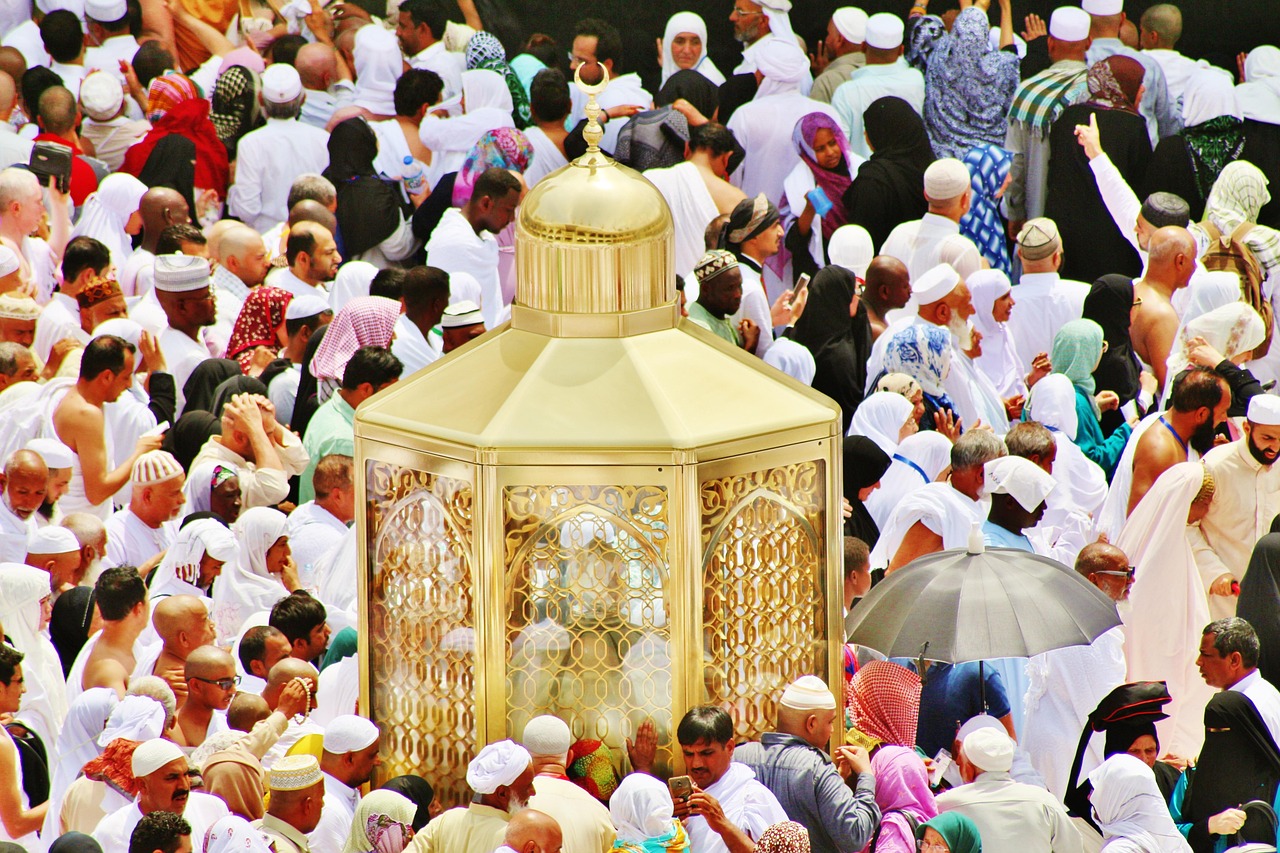
Going on Umrah is not a trip like any other. It is a spiritual journey, a physical trip to a unique place, but also a logistical project that requires planning.
In 2026, procedures have become digitalized, controls reinforced, and periods of high demand better regulated: preparation therefore remains the key to a peaceful stay.
Tourist visa or eVisa, Nusuk platform, choice of agency, ihram, rituals, health, budget… Here is a clear guide to approach your pilgrimage methodically, leaving nothing to chance.
A pilgrimage to Mecca can transform a life. But it must begin under the right conditions.
Umrah or Hajj: Understanding what you are preparing for
First useful reflex: do not confuse the two.
The Hajj is the great pilgrimage, one of the five pillars of Islam, which takes place on specific dates of the Hijri calendar and requires a complete ritual journey (Mina, Arafat, Muzdalifah, Jamarat).
TheUmrah, on the other hand, can be performed throughout the year, except on the days of Hajj. It is often called the "minor pilgrimage," even though for the one who experiences it, it is anything but minor.
In practice, Umrah is based on four stages: entering the state of ihram at a miqat (place of consecration), performing the tawaf (seven circumambulations around the Kaaba), making the sa'i between the hills of Safa and Marwa, then shaving or cutting one's hair.
In addition to this, there is almost always a visit to Medina to pray at the Prophet's Mosque.
It is not mandatory in Umrah, but it has become a deeply ingrained tradition in the majority of trips organized from France.
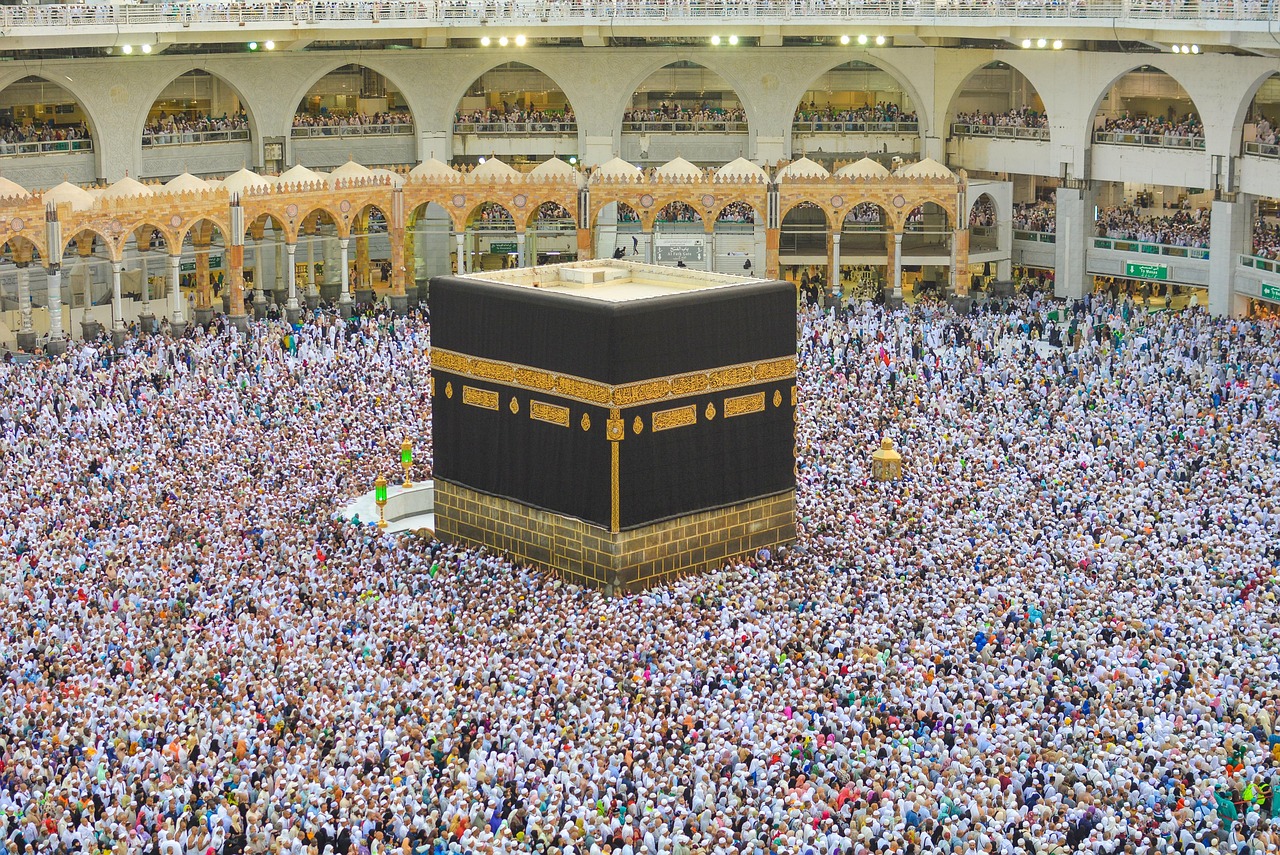
When to go? The right time depends on your profile
The calendar decides almost everything: the price, the crowds, the on-site experience.
Three main periods traditionally attract French-speaking pilgrims: Ramadan (highly sought-after, high prices, very dense crowds, unparalleled spiritual intensity), school holidays (summer, All Saints' Day, Christmas) and the low season between major religious holidays (October, November outside of holidays, February early March).
To be avoided, except in exceptional circumstances: the weeks immediately preceding the Hajj, when access to Mecca may be regulated to manage the flow.
For a first Umrah, the low season often remains the best compromise: more time for prayers, more space around the Kaaba, and a more accessible budget.
For those wishing to travel in a guided group, comparing several offers before booking allows you to identify the tour that best suits your pace and budget.
A reputable operator like Muslim Umrah Holidays, for example, offers several packages depending on the duration, proximity to the Haram, or the inclusion of a visit to Medina—these are precisely the parameters that make the difference on-site.
One last piece of advice regarding the period: if you are travelling with elderly people or young children, avoid the heat peaks of July-August.
Temperatures can exceed 45°C in Mecca, and the rituals require physical endurance and concentration.
Visa, eVisa, Nusuk: the real 2026 checklist
For the past few years, Saudi Arabia has opened its tourist eVisa to more than fifty nationalities, including France.
This visa can, in most cases, allow you to perform Umrah. It is applied for online, on the official portal visa.visitsaudi.com, and remains valid for one year with multiple entries.
Approved agencies also offer classic "Umrah" visas, often included in packages.
This must be checked before applying:
- Passport valid for at least six months after the return date, with a minimum of two blank pages.
- Spelling is exactly the same for passport, visa and reservations.
- Travel insurance covering medical care in Saudi Arabia (often required).
- Account created on the official Nusuk (
nusuk.sa), which centralizes access authorizations to certain holy places, including the Rawdah in Medina, and certain time slots during peak periods.
A practical recommendation that is often forgotten: keep all confirmations (flight, hotel, visa, Nusuk reservations) in duplicate, on your phone and in printed form.
The network can be unstable around the Haram, and a QR code that you cannot load can cost you an hour of patience.
Choosing your agency: the good signs, and the bad ones
The French-speaking Umrah travel market is large.
To distinguish reputable operators, here are some concrete criteria:
- A valid travel agency license in France (Atout France registration) and, ideally, Saudi accreditations for on-site operations.
- Transparent packages : prices clearly include flight, hotel, transfers, tour guide, visa, and insurance. Beware of "starting from" offers without details.
- A French-speaking religious guide on site, able to explain the rituals and answer practical questions.
- The hotel's proximity to the Haramis measured in meters, not minutes (marketing loves minutes). In Mecca, sleeping 200 meters away or 1,200 meters away literally changes your Umrah experience.
- Verifiable customer reviews, notably on Google and Trustpilot, and customer service reachable before and during the trip.
Bad signs: abnormally low price, no SIRET number, pressure to book "the last places", and no clear mention of insurance or cancellation conditions.
Ihram, luggage, health: preparing the body as much as the heart
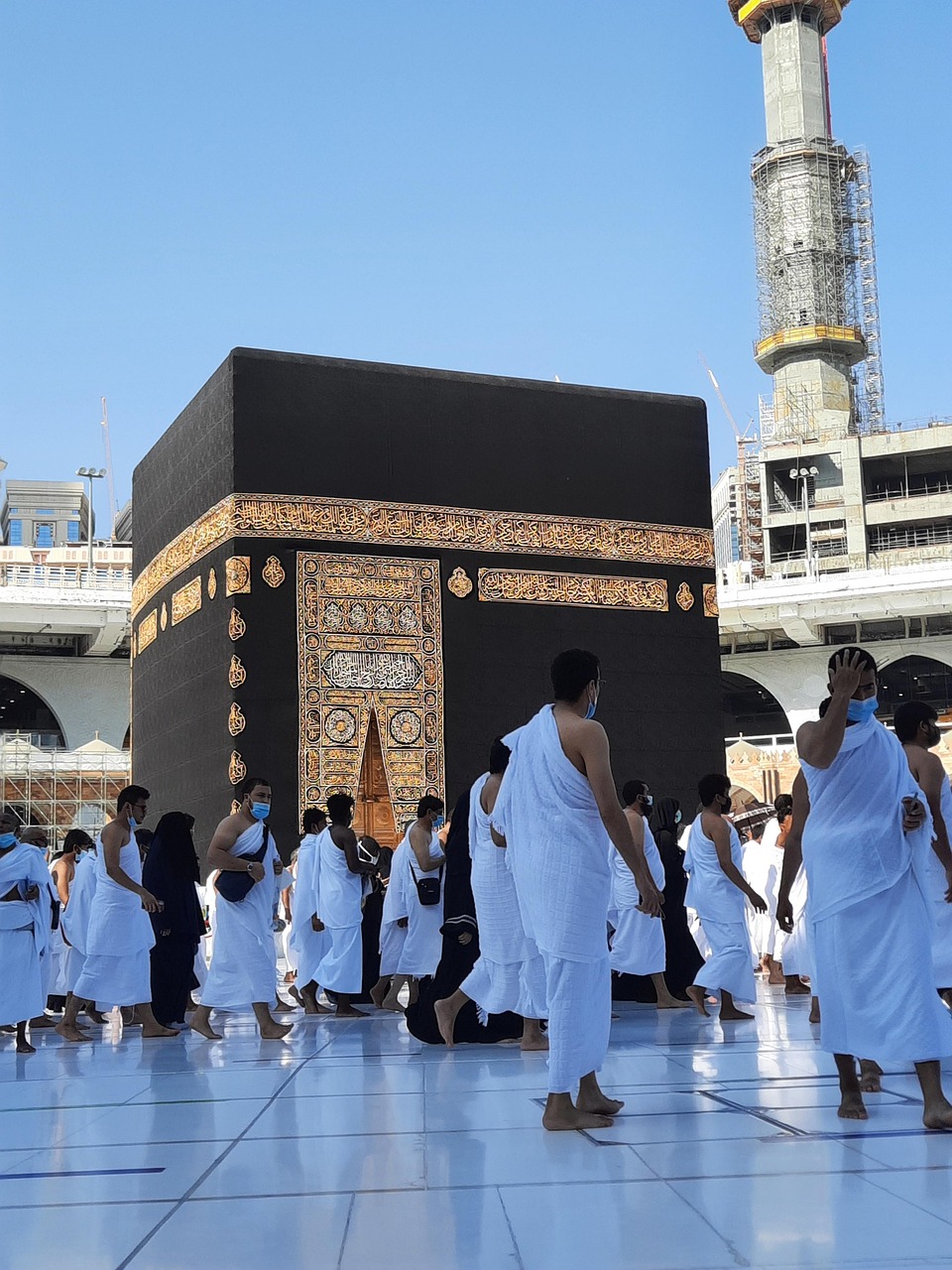
Ihramstate into which the pilgrim enters before performing Umrah.
For men, it translates to two pieces of unsewn white fabric (izar and rida).
For women, ordinary clothing is sufficient, provided it is loose-fitting, simple, and covers the entire body except for the face and hands.
Provide two ihrams for men (a spare is very useful in case of heat or unforeseen circumstances) and several loose-fitting outfits for women.
When it comes to luggage, travel light.
A useful little list: comfortable sandals that are easy to slip on and off, a reusable water bottle, a belt-pouch for passport and money, a portable charger, personal medication with prescription, tissues, and a small backpack for daily trips between the hotel and the Haram.
On the health, plan ahead: vaccination against meningitis (ACWY) is generally required to obtain the visa, which is valid for three years.
Consult an international vaccination center at least one month before departure
Once there, hydrate regularly, walk at your own pace, and do not hesitate to use the wheelchairs available around the Kaaba if fatigue or physical difficulty sets in: there is no shame in that, it is even provided for.
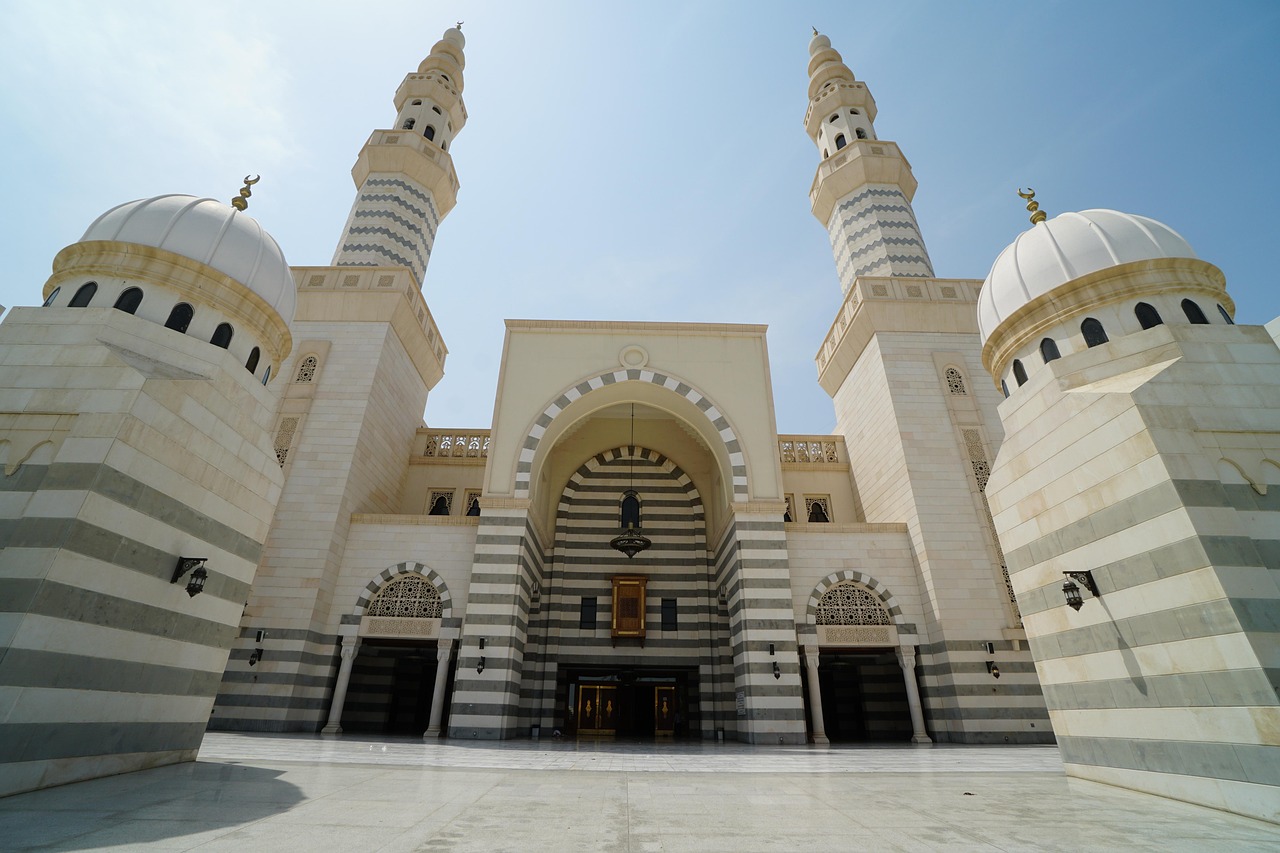
Rituals: Understanding them before experiencing them
Understanding what you are going to do profoundly changes the quality of the experience.
The tawaf consists of circling the Kaaba seven times in a counter-clockwise direction, starting and ending facing the Black Stone (Hajar al-Aswad).
The sa'i consists of making seven round trips between the hills of Safa and Marwa, in memory of Hajar searching for water for her son Ismail.
The ritual concludes with the halq (complete shaving for men) or the taqsir (symbolic haircut). For women, a cut lock of hair is sufficient.
Many agencies offer pre-departure training : take advantage of it!
Reading a booklet is helpful, but repeating the invocations and the chronology of the steps in a group makes everything flow more smoothly once you're there.
Budget: What to expect from France
The cost of an Umrah varies considerably depending on the season, duration, and hotel quality. Here are some guidelines for 2026:
- Economy package (10 days, hotel 800-1500 m from the Haram): €1,800 to €2,300 per person.
- Standard package (10-12 days, hotel 200-500 m away): €2,500 to €3,500.
- Ramadan package or premium hotel : €4,000 to €7,000, sometimes more for the last ten days.
In addition, budget an "extras" envelope of at least €200 to €400 for meals outside the hotel, souvenirs, tips and unforeseen expenses.
Prepare your heart as much as your suitcase
No practical guide can replace the inner dimension of the journey.
Before leaving, many pilgrims take the time to review their intentions, ask forgiveness from their loved ones, and settle what can be settled.
It is an ancient spiritual tradition, and it makes the stay considerably more peaceful.
The Umrah is often described by those who have experienced it as a timeless moment. The administrative and logistical preparation is not a detail: it is precisely what allows one, once there, to focus solely on what is essential.
May Allah make your journey easy and accept your worship.