
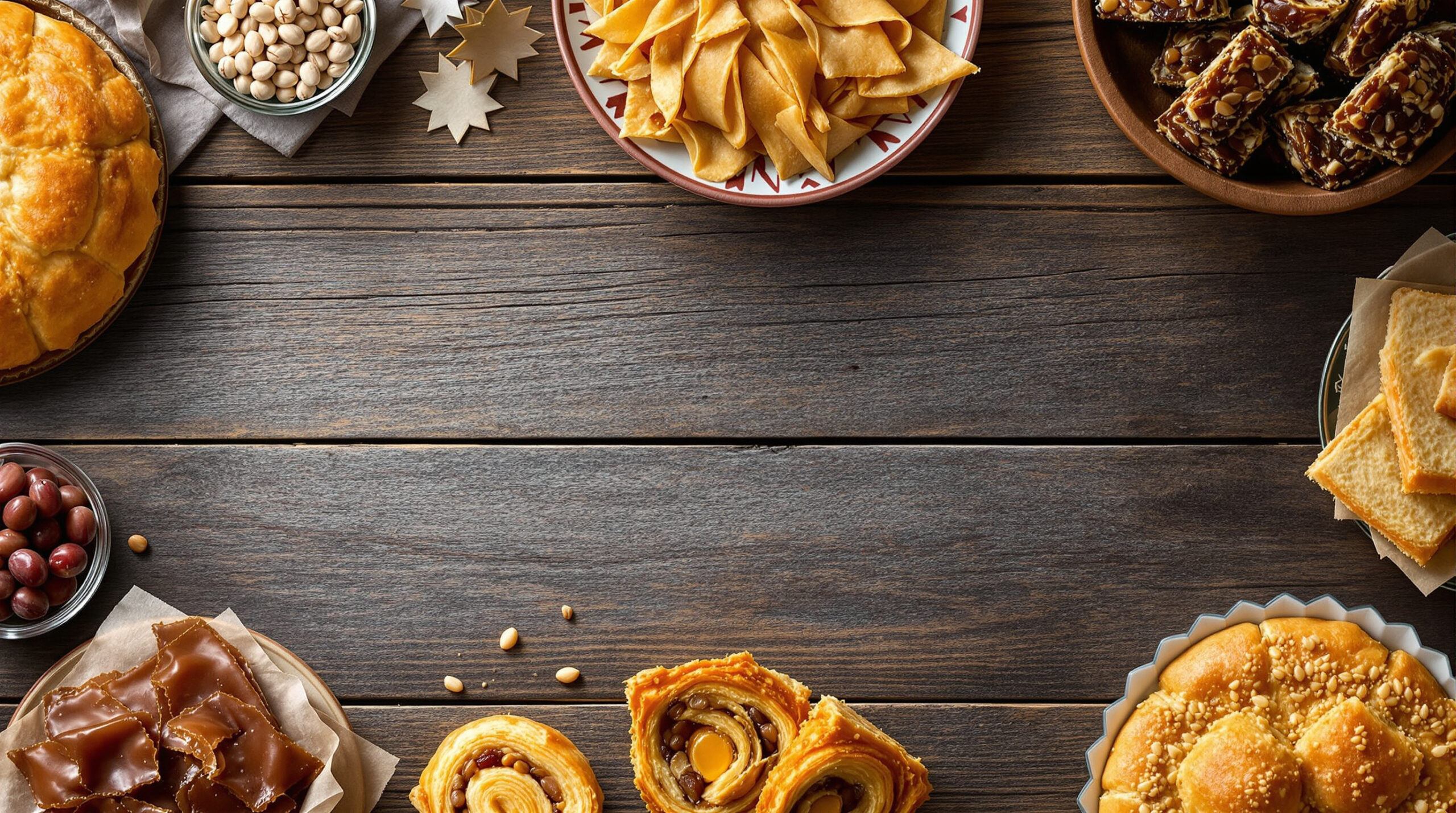
Between mountains, orchards and generous tables, Armenia has developed an art of sweets that tells the story of families as much as that of trade routes.
Armenian desserts do not seek to be trendy: they focus on bold textures, aromas of roasted nuts, cinnamon or cloves, and a sweetness that is often more pronounced than in other Asian traditions.
In a neighborhood bakery in Yerevan as in a diaspora kitchen, you find the same precise gestures, learned by watching a grandmother roll out dough, prepare a syrup, or brown an oven.
These are traditional Armenian pastries where every detail counts: the crispy layers of pastry, the glistening honey , the perfect balance of dried fruit and spice. And then there's that typical convivial atmosphere: strong coffee, black tea, a plate being passed around…
Even when a savory dish like Jingyalov hats appears in the middle of the meal, dessert time remains a small celebration.
Here is a gourmet journey through ten classics, with their origins, their ingredients and the occasions when they make perfect sense.
An overview of traditional Armenian desserts: cultural landmarks and emblematic flavors
In many homes, baking is passed down like a family language.
Aram, a fictional pastry chef from Yerevan, often sums it up like this: “You don’t just learn a recipe, you learn when to serve it and why.”
This idea helps to understand the place of Armenian desserts : they accompany visits, religious festivals, weddings, but also simple Sundays when one wants “something good” with coffee.
The ingredients, dosages and conversions recur like a signature: nuts, almonds, sometimes hazelnuts, dried fruit, butter, honey, and warm spices.
Cinnamon and nutmeg provide a warming sensation, while cloves or star anise add a more vibrant touch.
This mix explains why some sweets fall somewhere between Middle Eastern influences and more “bakery” habits in the Western sense, with dense cakes, shortbread cookies and flavored syrups.
Some names keep coming up everywhere. Gata, for example, is somewhere between brioche bread and cake, with a buttery and sweet filling.
Baklava , also called Pakhlava , plays the card of thin layers and syrup, with an aromatic nuance specific to Armenia.
Alongside these, you can find more home-style preparations, such as rice pudding, or biscuits that can be made quickly to welcome someone unexpectedly.
And it's not just cakes. Some specialties are almost "travel sweets", like Sujukh (a treat made from nuts coated in a thickened must), often given or shared on special occasions.
Even a more discreet dessert becomes a symbol of hospitality: you cut, you serve, you gently insist on having another slice.
Ultimately, these sweet treats are a way of saying “you are at home”, and it is this warmth that makes you want to move on to tasting, dessert by dessert.
Keep this in mind before choosing what to taste :
- Textures are central: flaky, shortbread, soft, creamy.
- The nuts are often toasted to enhance the flavor.
- The syrups are not just sweet: they are lemony, spicy, sometimes studded.
- The service includes: tea/coffee, sharing platter, multiple small portions.
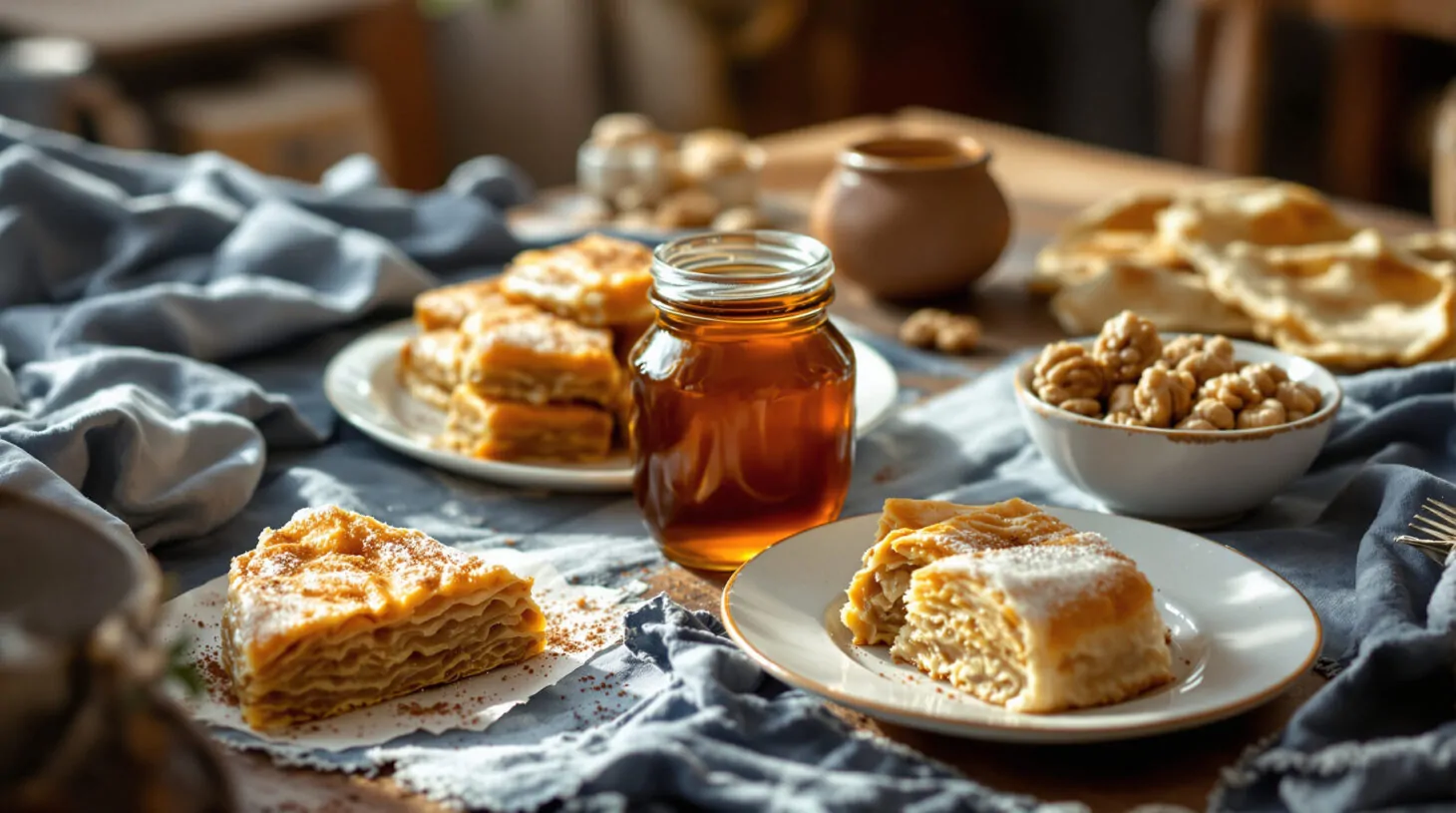
With these guidelines, we can get to the heart of the matter and recognize what makes each specialty truly unique.
The 10 best traditional Armenian desserts: flavors, origins, and tasting moments
1) Armenian Gata: the brioche-like cake with a buttery center
Gata sweets , often served with black tea or coffee.
Its reputation comes from its contrast: a tender dough, a slightly golden exterior, and above all a filling sometimes called “khoriz” made of butter, sugar, flour, a pinch of salt and nuts.
Five ingredients, but a very rich result!
Traditionally, the dough is left to rise, which explains the longer total time, even if the active preparation remains quite simple.
In some families, the top is decorated with fork designs, like a small signature.
A common anecdote among bakers: you can recognize a good gata by the aroma of hazelnut butter that fills the kitchen even before it's fully baked.
It's a "sharing" dessert, one that's cut into generous slices to welcome guests.
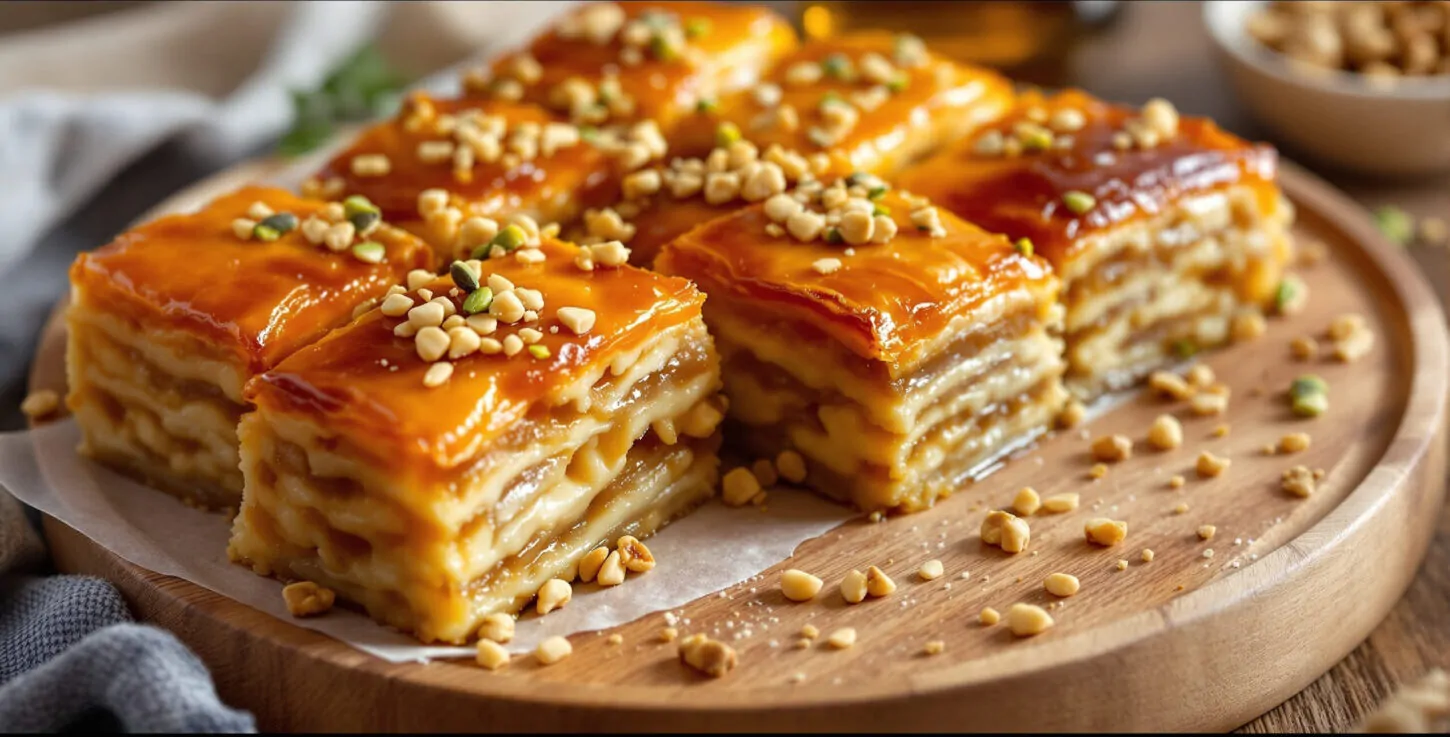
2) Armenian Baklava/Pakhlava: flaky pastry and spiced syrup
Baklava , often called Pakhlava in Armenia , consists of very thin layers of phyllo pastry and a filling of chopped dried fruit, usually flavored with spices.
The striking difference lies in the syrup: water, sugar, lemon, but also cloves, sometimes with a note of lime which brings a more spicy and very aromatic side.
It is often prepared for parties and large gatherings, as it keeps well and is easily served in diamond shapes.
In Aram's workshop, they say that the "right" time to pour the syrup is a matter of seconds: too early, the puff pastry softens; too late, the center remains dry.
This dessert, both crispy and melting, is a true marker of celebration.
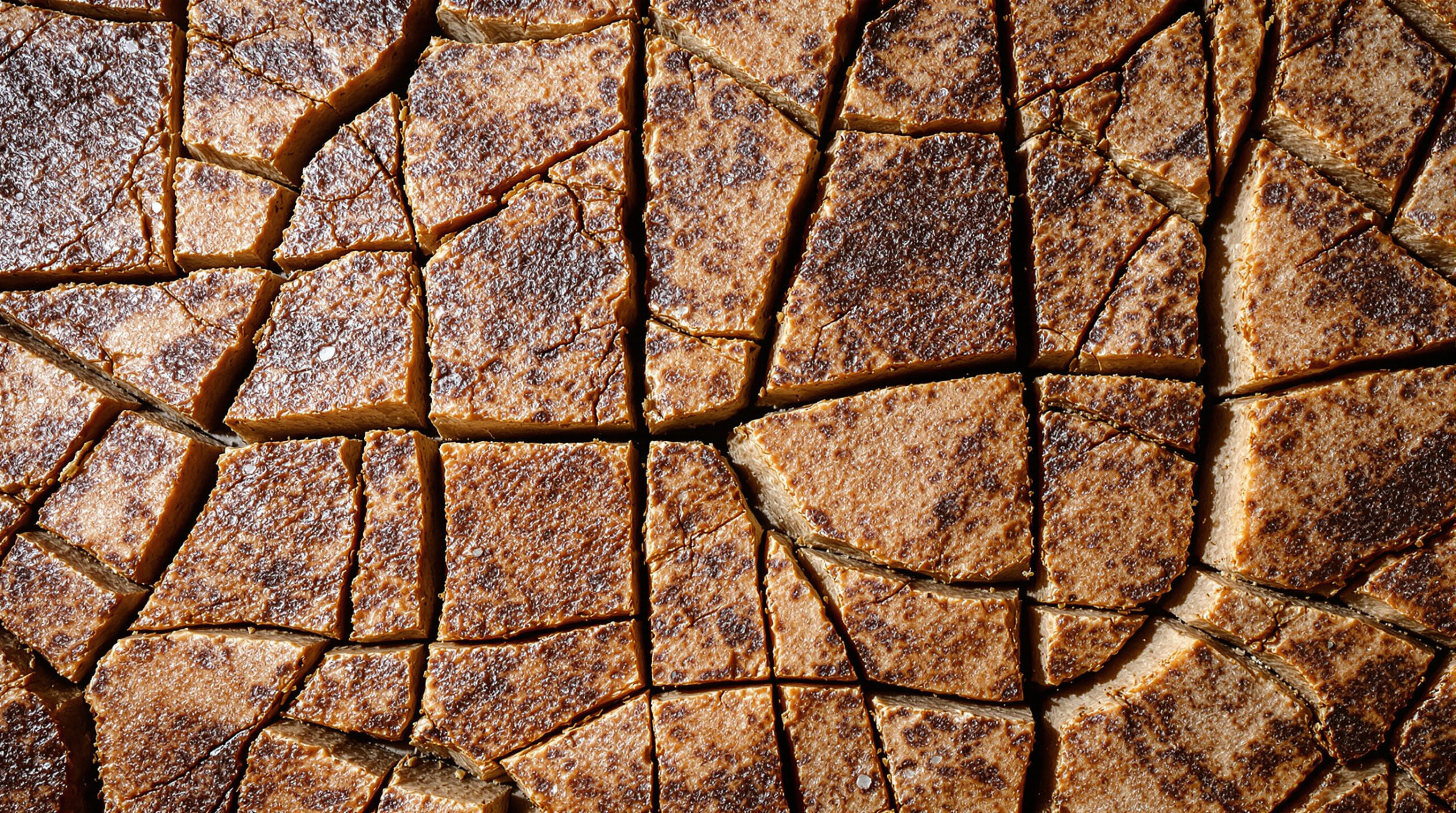
3) Armenian nutmeg cake: simple, but unforgettable
This cake has a rustic look that may surprise, but it wins you over with its fabulous scent.
Nutmeg and brown sugar create a warm, almost woody aroma that draws everyone into the kitchen. The walnuts on top add a crunchy, toasty flavor that balances the sweetness.
The preparation is intentionally simple: mix, bake, and let the magic of the spices work its charm. It's often enjoyed at home, casually, when you want a comforting snack.
The anecdote we often hear: skeptics change their minds after just one bite, because simplicity doesn't mean a lack of character.
This cake is a reminder that Armenian pastry can be direct, straightforward, while remaining generous.
4) The Nazook: the small golden pastry, cousin of the gata
Nazook (or nazuk) is an individual, golden and delicate pastry .
It is also found in culturally similar areas, particularly in Russia, illustrating the region's culinary exchanges. It is sweet, buttery, with a soft texture inside and a slight chewiness at the edge.
It is often compared to Gata, because the spirit is similar: dough + sweet nut filling.
The main difference is visual and practical. The nazook fits in the hand, slips into a box, and is easily used when visiting.
At Aram's, they prepare it early in the morning: "When it comes out of the oven, it has this honey color, and it reassures the whole neighborhood." It's the sweetness of everyday life, the one you buy "just one or two"... then end up sharing.
5) Nazook with cranberries and citrus fruits: a bright and tangy variation
This version retains the shape and buttery base of the Nazook, but adds a fruity twist. Dried cranberries and a hint of citrus bring a tangy note that awakens the palate.
Cinnamon sugar is often added, creating a contrast between spicy warmth and lemony freshness.
This is a variation that is readily served when you want to lighten the sensation of sweetness without giving up the comforting aspect.
If cranberries are not to be liked, raisins work very well, and some families even use more pronounced zest to accentuate the flavor.
The anecdote: in a house, these "citrus" nazooks are sometimes reserved for guests, as a special touch, because they require a little extra care when seasoning.
6) Matzoon Biscuits: thick, soft, ready for coffee
Matzoon biscuits are renowned for their texture: thick, soft, almost like the “top” of a muffin.
They are prepared with simple ingredients from the cupboard, and that's precisely what makes them popular: they come in handy when someone comes over or when you want to fill a lunchbox.
The taste is reminiscent of hazelnut, with a moderate sweetness, which prevents it from becoming overpowering.
In Aram's world, these biscuits are "the discreet ones": not spectacular in the window, but often the first to disappear on the table.
They work very well with a hot drink, and children like them because they are easy to hold.
Their practicality does not detract from their charm: it is a pastry that focuses on comfort and loyalty, a bit like a recipe that you keep for a lifetime!
7) Armenian Apple Cake: dense, autumnal aroma
This apple cake is distinguished by its ease and aroma. With apples (often Gala), cinnamon, a touch of vanilla, and walnuts, it fills the kitchen with a wonderful fragrance while baking.
The texture is quite dense, which makes it satisfying even in small portions, and the pieces of fruit remain clearly visible.
The traditional method is simple: a bowl, a whisk, no need for complicated techniques!
This is an ideal dessert for the cooler seasons, when you're craving cinnamon and caramelized notes.
According to tradition: it's cut while still warm, and someone offers "just a small piece" which ends up being a nice slice. Served with tea, it becomes a complete snack, fruity, spicy, and very family-friendly.
8) Kourabia: ultra-buttery Armenian shortbread cookies
Kourabia shortbread that sometimes surprises with its appearance, but its crumbly texture pleases everyone.
The secret lies in the fat: often clarified butter, which gives a distinct richness and a particular melt-in-your-mouth quality.
With just a few ingredients (clarified butter, sugar, flour, almonds), you get a refined, almost minimalist biscuit!
It's often prepared for the holidays, or as a gift, because it keeps well. The important thing is not to overwork the dough in order to maintain its delicate texture.
Aram likes to sprinkle them lightly before baking to obtain a delicate surface.
The truest anecdote: you can tell the quality of a kourabia by the sound it makes when you break it—a small, sharp "crack," then it melts quickly. It's the perfect shortbread cookie to accompany a strong coffee!
9) Rice pudding: slow and creamy sweetness
Armenian rice pudding resembles other versions from around the world, but it retains a reassuring simplicity.
Rice, water, whole milk, sugar, cinnamon: few ingredients, but time. The cooking is slow, and it is this slow cooking that builds the creamy texture and smoothness.
It is often served warm or cold, depending on household custom. The cinnamon can be subtle or more prominent, sprinkled on top as a powder.
In some families, a large casserole is prepared the day before a party, because the dessert needs time to "settle".
It's the dessert that reconciles generations; the younger generation sees it as a delicious bowl, while the older generation finds in it a memory of the cuisine of yesteryear.
Once you agree to give it time, it becomes obvious!
10) Honey and spice biscuits: the scent of festive days
These biscuits, similar to traditions shared with the Russian world, require above all patience.
The total time is long because the dough rests for several hours, allowing the flavors to meld.
In addition to the classic flour-sugar mixture, coffee, honey, nutmeg, vanilla, star anise, allspice and other spices are added depending on the family.
On the palate, it's a controlled explosion: the sweetness of honey, the slight bitterness of coffee, the warmth of spices. The texture is soft, and the glaze provides a delicate crunch that contrasts pleasantly.
They are often prepared for times of celebration, when the house fills up and the boxes of biscuits are passed around.
Aram says that, in his neighborhood, the smell of these biscuits suggests that a family is preparing to receive guests.
This is a dessert that does more than just nourish: it creates a real atmosphere!
To extend this journey, many like to compare these sweets with other Armenian specialties served throughout a meal, such as Anoush abour (a sweet wheat soup, often associated with certain holidays) or Sujukh, which plays more of a confectionery role.
And if, in the middle, you come across Jingyalov hats, remember this above all: Armenian cuisine loves contrasts, and that's what makes dessert even more anticipated!
Seeing the steps in video helps to understand details that an ingredients list does not tell: the thickness of the puff pastry, the moment when the syrup should “sing” on the cake, or the exact color sought in the oven.
This is often where the difference lies between a decent pastry and a memorable, high-quality one.
Pairings and tasting tips for successfully making traditional Armenian pastries at home
When Aram welcomes friends who are discovering these recipes, he doesn't start by talking about technique. He starts by asking: "Do you prefer crispy or soft ?"
This simple question helps you choose right away!
If you enjoy a crispy texture, Baklava/Pakhlava is a perfect introduction. If you prefer a soft, buttery bite, Gata or Nazook will delight you from the very first slice.
Two points often come up in preparation:
First, the management of butter: in pasta and fillings, its quality is immediately noticeable.
Next, the cooking: we are looking for a golden “honey” color, never pale, and rarely too dark.
An oven that is too hot can burn the nutty flavors; an oven that is too mild leaves a heavy dough.
Many families use a sensory cue: the smell should change from “sweet” to “toasty” just before going out.
Syrups and spices also require a light touch. Cloves, for example, quickly impart their aroma, and in a baklava, they should suggest, not dominate.
Lemon and sometimes lime provide balance, preventing it from becoming cloying.
For nutmeg cakes or honey biscuits, the trick is to let it rest: the spices blend and become rounder, almost velvety.
When it comes to service, the importance of the drink is often underestimated!
An intense, short Armenian coffee pairs well with the buttery Kourabia. A black tea enhances the filling of the Gata and the creaminess of the rice pudding.
And if you're putting together a tasting plate, think about contrasts: a spiced biscuit, then a creamy bite, then a flaky slice. This alternation keeps the palate curious.
Finally, if you want a “cultural thread” around the dessert, serve a small portion of Sujukh to share alongside it or mention Anoush abour during the holidays: this gives meaning, and the indulgence also becomes a story to be told at the table.
The real success, in the end, is when guests ask not only for the recipe, but also for the good anecdote that goes with it!
What you need to know
What is the difference between Baklava and Pakhlava in Armenia?
In Armenia, the term Pakhlava is very often used to refer to the local baklava. The base remains phyllo pastry and walnuts, but the syrup is often spicier, notably with cloves and a touch of citrus (lemon, sometimes lime), which gives it a brighter and more fragrant profile.
Are Nazook and Gata the same thing?
They are similar in concept (buttery pastry and sweet nut filling), but not identical. Gata is often larger, more of a "sharing cake," and sometimes decorated. Nazook is more of an individual treat, a small golden pastry, convenient to serve as an afternoon snack or with coffee.
What is Sujukh, and is it really a dessert?
Yes, it's a very popular confection: nuts (often threaded) coated in a thickened mixture made from grape juice or must, then dried. The texture is slightly firm and fruity, and it's often given as a gift at parties or shared as a sweet snack.
What should I serve with these Armenian desserts for a simple pairing?
Armenian coffee or espresso pairs beautifully with buttery biscuits like kourabia. Black tea complements Gata and Nazook. For rice pudding, a simple pinch of cinnamon and a lightly sweetened hot beverage are all you need to maintain balance.
Are Jingyalov hats and Anoush abour desserts?
Jingyalov hats is more of a savory bread topped with herbs, but it sometimes appears in festive meals that conclude with Armenian desserts. Anoush abour, on the other hand, is a sweet preparation (often wheat-based) associated with certain traditions and festive occasions, and it can accompany a table of sweets.
