
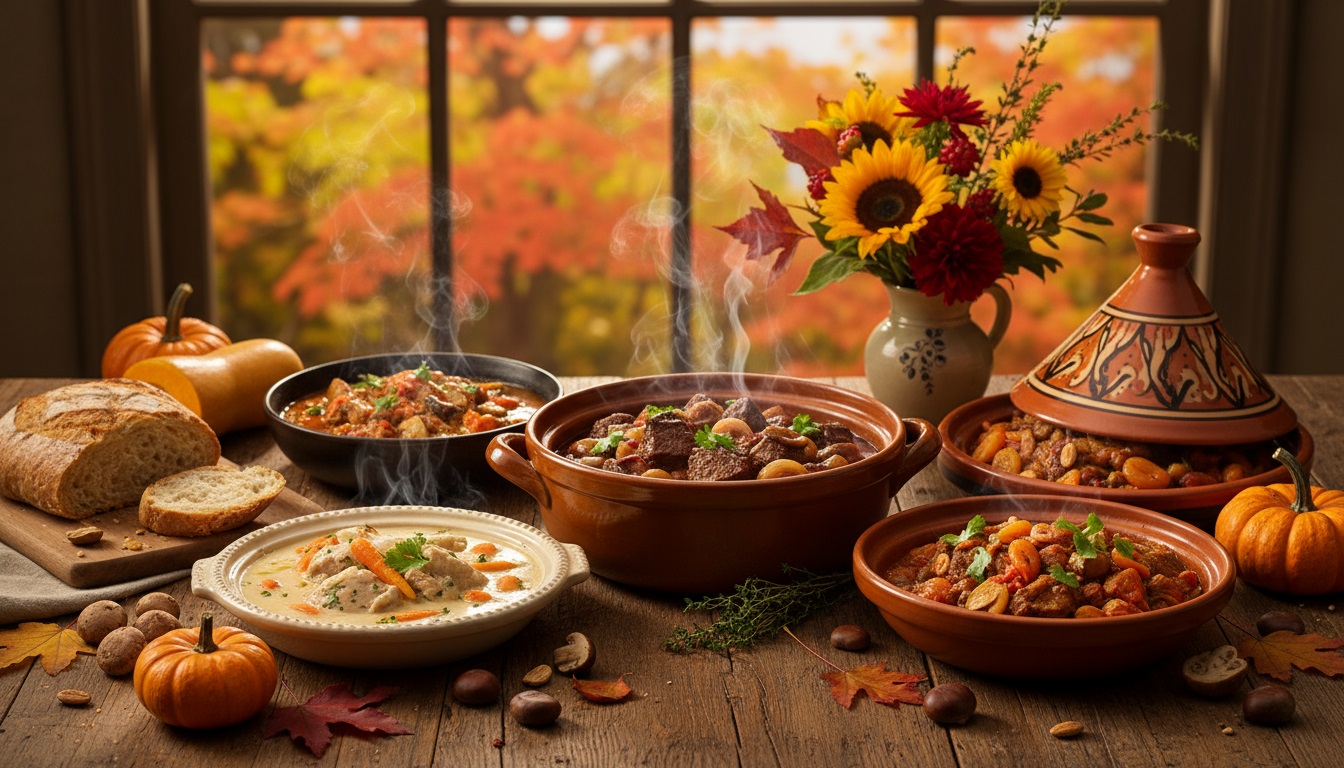
When temperatures drop, there's nothing like a good stew to warm up the house and fill it with flavor.
Beef bourguignon, blanquette, tagine or veal marengo: these dishes require little effort but a few good reflexes make all the difference!
Here are our 5 simple and effective tips for making better stews and delighting all your guests this autumn.
1. Choose your cuts of meat carefully
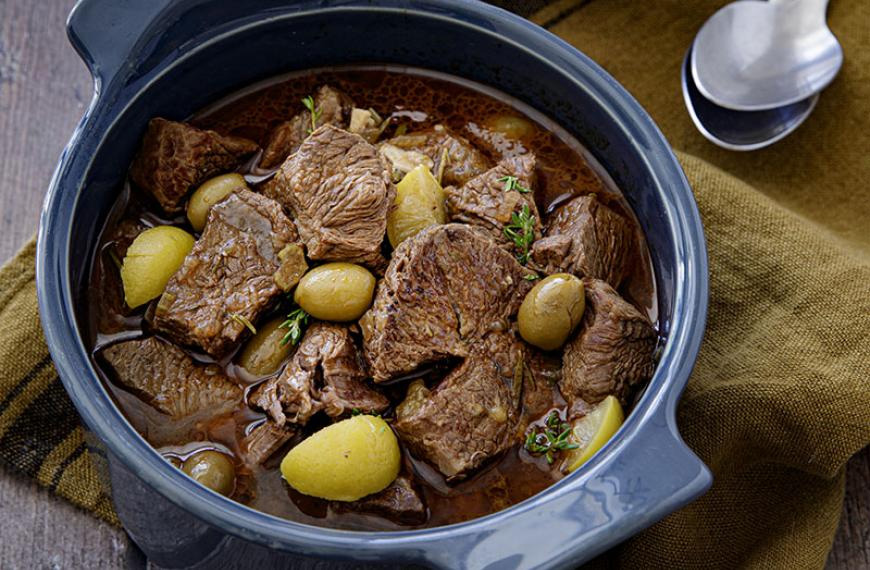
A successful stew always starts with the right cut of meat. The goal is to obtain tender, melt-in-your-mouth, and flavorful meat after slow cooking.
Prioritize:
- Beef : chuck, cheek, round, rump
- Veal : brisket, shank, shoulder
- Lamb : collar, shoulder
- Poultry : thighs or drumsticks
These pieces of meat literally transform when cooked: the collagen melts, the flesh becomes tender and the sauce absorbs the flavors.
Tip: the richer the cut of meat is in collagen, the better the result will be after several hours of cooking.
Ideal with a nice selection of stewing meat.
2. Always brown the meat before slow cooking
This is an often overlooked step… yet it's essential. Browning the meat over high heat before simmering it allows you to:
- Caramelizing the juices → more intense flavor
- To give the sauce a nice color
- To seal the meat to preserve its tenderness
Heat a little fat in a casserole dish or frying pan, sear the pieces for a few minutes on each side, then only add the liquids or vegetables.
Tip: proceed in several stages if necessary, so as not to “suffocate” the meat in the casserole dish.
3. Cook slowly… and patiently
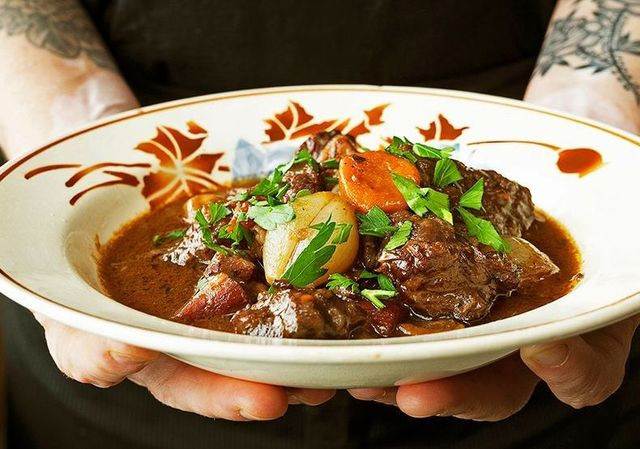
The secret to a good stew is time! The cooking must be gentle and prolonged, between 1.5 and 4 hours depending on the recipe and the cut of meat chosen.
Some key points:
- Low heat or oven at 150–160 °C
- Barely simmering meat
- Occasional mixing to prevent sticking
Tip: If you are using a casserole dish in the oven, cover it well to retain all the moisture and concentrate the flavors.
4. Mastering liquids and aromatics
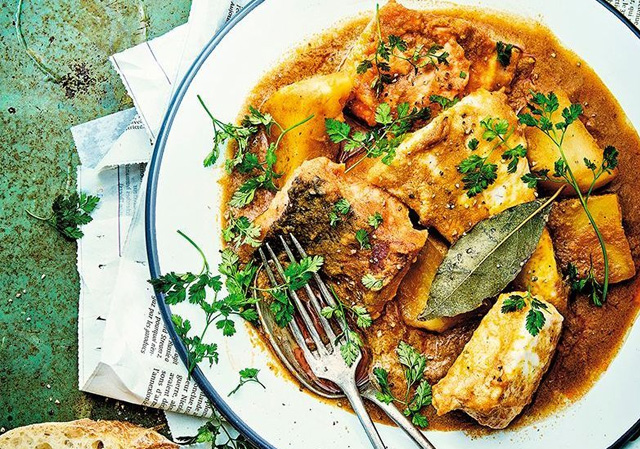
A stew should never be swimming in liquid. The liquid should just cover the food. Too much water, and the sauce will be bland; not enough, and it risks sticking.
For a flavorful result:
- Use homemade stock or a strong stock rather than water.
- Measure the herbs carefully: bouquet garni, garlic, onions, thyme, bay leaf, cloves…
- Do not add all the salt at the beginning → adjust at the end of cooking.
5. Let it rest… or reheat it the next day
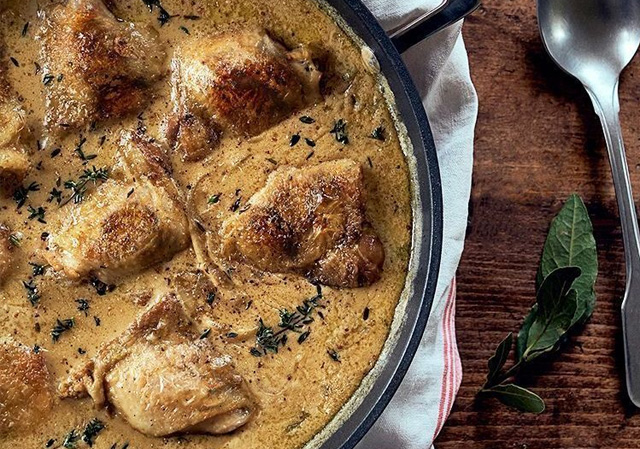
A stew is often better the next day. During rest, the flavors continue to develop and the sauce thickens naturally.
For best results:
- Allow to cool, then store in a cool place.
- Reheat slowly over low heat or in the oven the next day.
- Adjust the seasoning just before serving.
Tip: This resting period is particularly beneficial for beef or veal dishes.
Your questions about the success of slow-cooked dishes
What are the best cuts of meat for braising?
- Beef: chuck, cheek, round, rump
- Veal: shank, brisket, shoulder
- Lamb: collar, shoulder
- Poultry: thighs or drumsticks
How long should it simmer for?
Between 1.5 and 4 hours depending on the recipe. The richer the cut of meat is in collagen, the better it can withstand (and benefit from) long cooking times. For a wild boar stew, for example, you should allow between 2 and 3 hours…
Can a stew be prepared in advance?
Yes, it's even recommended! Rest enhances flavors and simplifies meal planning.
Should the casserole dish be covered during cooking?
Yes, especially to retain moisture. A well-sealed casserole dish ensures even cooking.
In summary
Slow-cooked dishes are the epitome of autumn cuisine: warm, fragrant, and incredibly comforting. By choosing the right cuts of meat, mastering a low heat, and taking your time, you'll achieve bistro-worthy results!
