New York

Everything about New York
New York City receives more than 60 million visitors every year, making it one of the most visited cities on the planet. Visiting New York means stepping into a place that practically invented the modern idea of a big city.
The skyline alone is worth the trip. But the real draw is how much this city rewards curiosity, neighborhood by neighborhood, block by block.
From the harbor to Harlem, from a corner deli to a world-class museum, New York delivers at every scale. What follows is everything you need to plan a sharp, well-timed visit.
Why visit New York?
What makes New York unique
New York is not one city but several cities stacked on top of each other. Manhattan alone packs in financial districts, art enclaves, immigrant neighborhoods, and green spaces within a few square miles.
The cultural density of New York has no real equivalent in North America. Jazz clubs sit next to Michelin-starred restaurants. A subway ride costs the same whether you end up in a gallery or a fish market.
That compression is what separates New York from every other destination on the continent.
New York at a glance
New York City spans five boroughs: Manhattan, Brooklyn, Queens, the Bronx, and Staten Island. The metropolitan area is home to over 8 million residents, speaking more than 200 languages.
The best period to visit New York runs from April to June and September to November. Crowds are manageable, temperatures are pleasant, and the city's cultural calendar is at its fullest.
Budget-wise, New York sits in a moderate-to-elevated range for Western travelers, but careful planning keeps costs very reasonable.
What to see and do in New York?
Statue of Liberty
The Statue of Liberty stands 93 meters tall from ground to torch tip, a gift from France inaugurated in 1886. She watches over New York Harbor from Liberty Island, visible from the southern tip of Manhattan.
Ferries depart from Battery Park and run throughout the day. Booking tickets in advance is strongly recommended, especially for access to the pedestal or the crown.
The crown visit requires climbing 354 steps and tickets sell out weeks ahead. Even a visit to the island grounds, without going inside, gives travelers a powerful sense of scale and history.
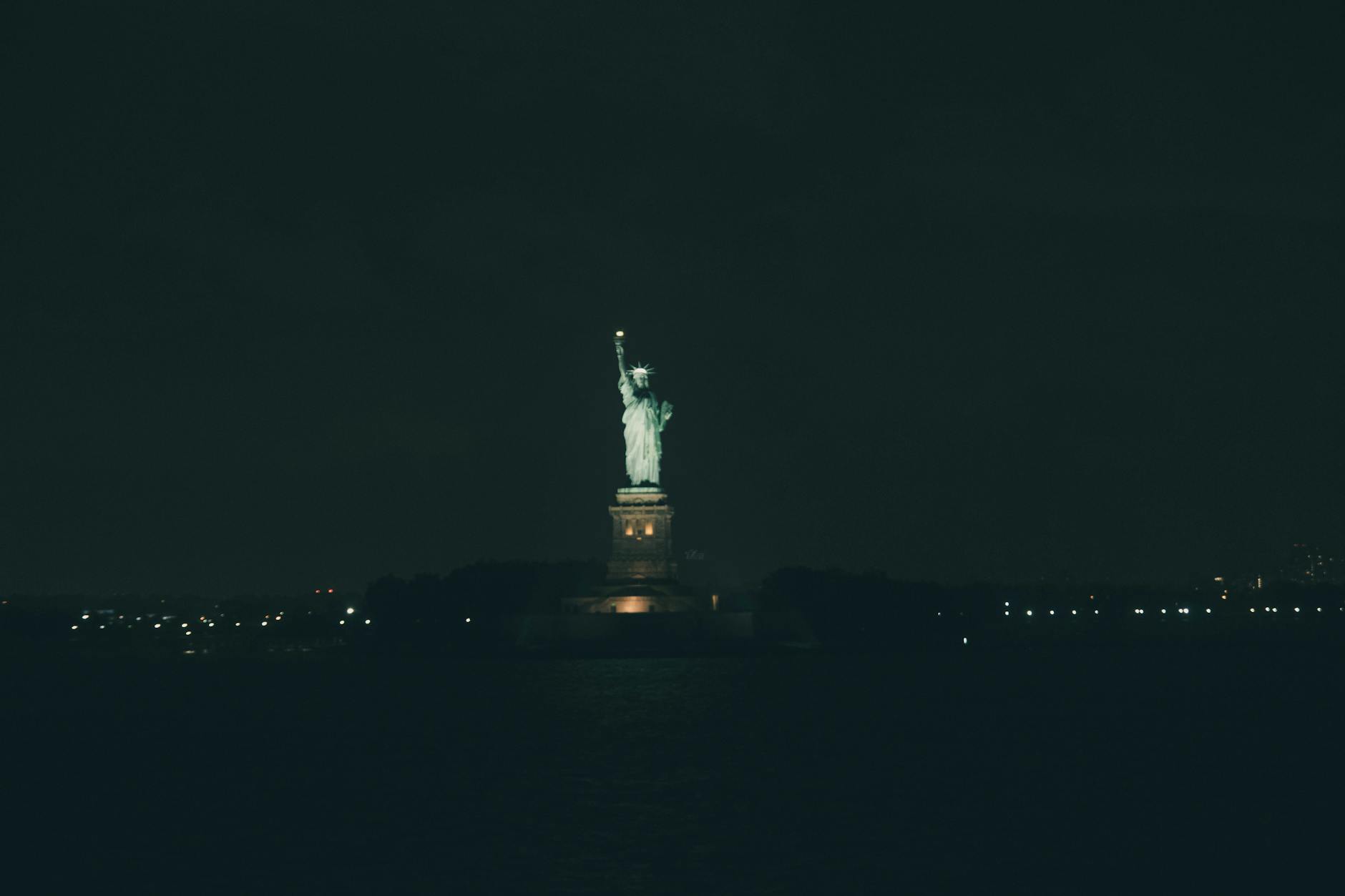
Ellis Island is included in the same ferry ticket. The immigration museum there documents the arrival of more than 12 million people between 1892 and 1954.
Central Park
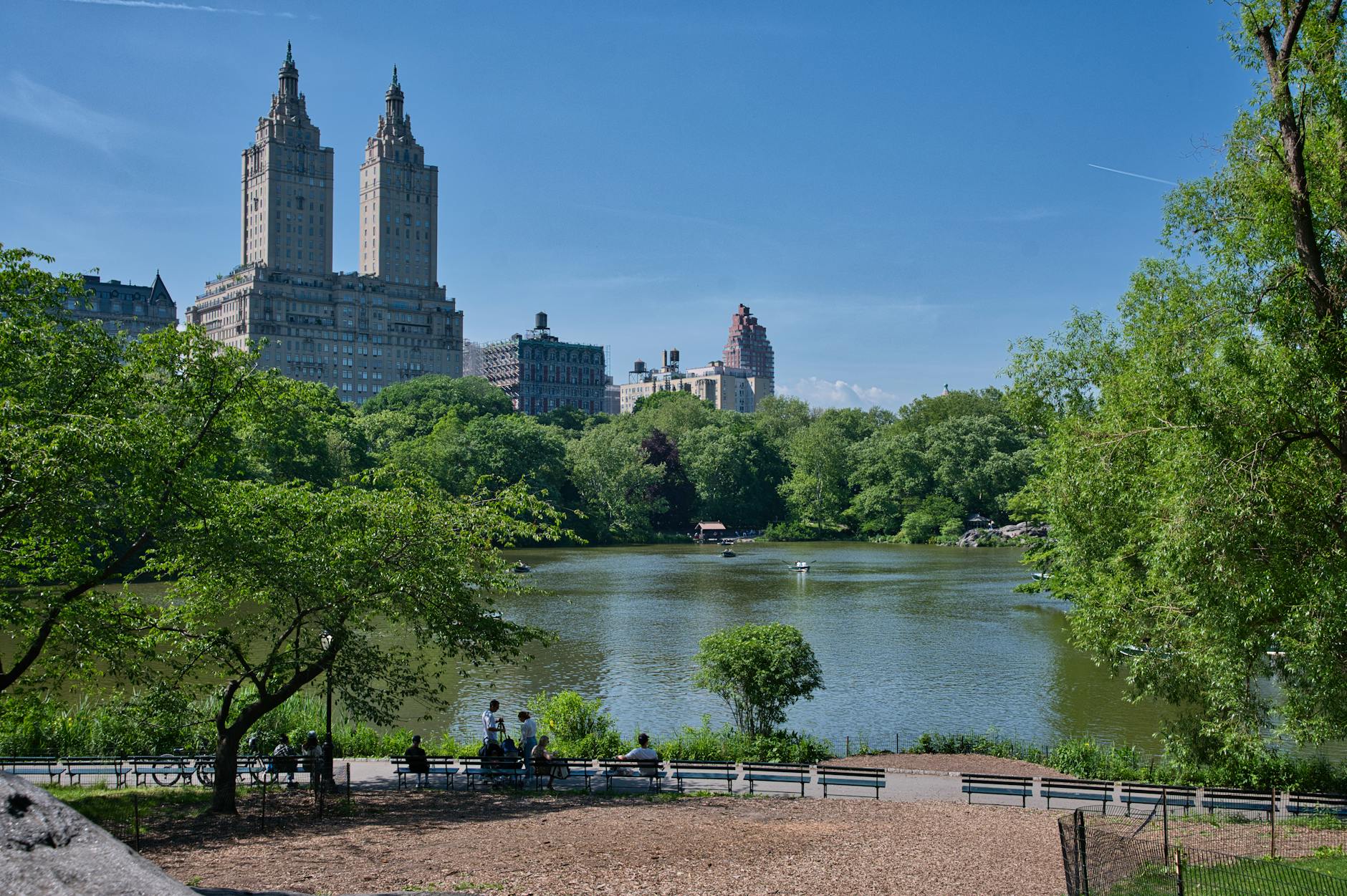
Central Park stretches 341 hectares through the middle of Manhattan, a deliberate green interruption in one of the densest urban grids in the world. Designed by Frederick Law Olmsted and Calvert Vaux, it opened in 1858.
Locals jog, read, play chess, and watch birds here. Visitors quickly learn that the park is not a single attraction but a collection of dozens: Bethesda Fountain, the Ramble, Strawberry Fields, the Reservoir.
Renting a bike is one of the fastest ways to cover ground. The loop road runs 10 kilometers and gives a strong sense of the park's surprising variety of landscapes.
In spring, the cherry blossoms near the Conservatory Garden draw serious crowds. In autumn, the foliage turns the park into something that looks almost fictional.
Times Square
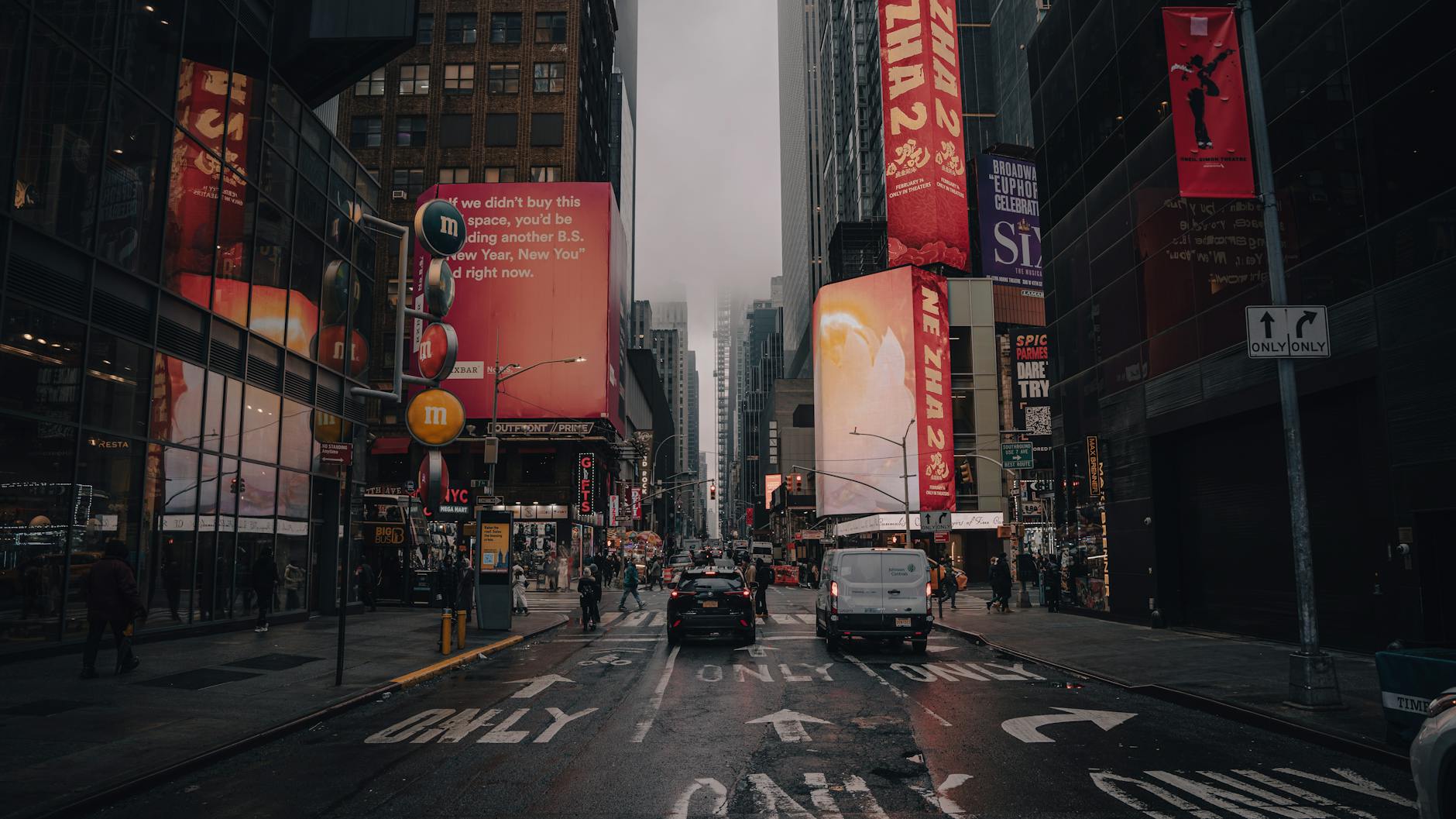
Times Square is loud, bright, and relentlessly commercial. It is also genuinely spectacular at night, when the LED billboards light up the surrounding blocks in shifting colors.
Visitor reviews confirm that most people spend between 30 minutes and an hour here before moving on. That is the right amount of time. Times Square is a visual experience, not a destination for lingering.
The area sits at the crossroads of Broadway and Seventh Avenue, at the heart of the Theater District. Same-day TKTS booths on the square sell Broadway tickets at significant discounts.
Early mornings are the unexpected sweet spot. Before 8 a.m., Times Square is almost quiet, and the light hitting those giant signs creates a completely different atmosphere from the evening chaos.
Metropolitan Museum of Art
The Metropolitan Museum of Art, known simply as "the Met," holds a permanent collection of more than 1.5 million works spanning 5,000 years of human history. It is one of the largest art museums in the world.
The Egyptian Wing, with its reconstructed Temple of Dendur, stops visitors cold. The European paintings galleries, the arms and armor collection, and the rooftop sculpture garden each deserve focused time.
Allocate at least three hours for a focused visit, more if Greek antiquities or modern art are priorities. Local guides recommend arriving right at opening to get ahead of school groups and tour buses.
Suggested admission is around 30 USD for adults. New York State residents pay what they choose. The museum faces Central Park on Fifth Avenue, making it easy to combine both in a single morning.
Food and local cuisine in New York
New York's food scene is the direct result of 400 years of immigration. Every major culinary tradition in the world has a foothold here, and many have been here long enough to evolve into something distinctly New Yorker.
A New York bagel is not interchangeable with bagels elsewhere. The combination of local water chemistry and old-school baking techniques produces a chew and crust that has resisted replication. Ess-a-Bagel and Russ and Daughters on the Lower East Side are reference points.
Pizza by the slice is a street food institution. A classic cheese slice from a no-frills counter in Midtown or the Village often outperforms anything from a sit-down restaurant.
The outer boroughs deserve serious attention. Flushing in Queens hosts one of the most concentrated Chinese food scenes outside of China. Arthur Avenue in the Bronx remains the city's true Italian neighborhood, less touristic than Little Italy in Manhattan.
For a proper dinner, neighborhoods like the West Village, Williamsburg in Brooklyn, and the Lower East Side are dense with independent restaurants at a range of price points.
Brunch on weekends is a genuine New York ritual, not just a tourist activity. Expect lines at popular spots, usually moving within 20 to 30 minutes.
Getting to New York and getting around
Getting there
New York is served by three major airports: John F. Kennedy (JFK), Newark Liberty (EWR) in New Jersey, and LaGuardia (LGA). JFK and Newark handle most international flights.
From Europe, flight times average 7 to 8 hours. Dozens of airlines operate direct routes from Paris, London, Amsterdam, and other major hubs. Booking six to eight weeks in advance generally produces the best fares.
The AirTrain from JFK connects to the subway system, making it possible to reach Midtown Manhattan for under 10 USD. Newark has a similar train connection via NJ Transit into Penn Station.
Getting around
The New York City subway runs 24 hours a day, seven days a week, across 472 stations. It is the backbone of daily movement for most New Yorkers and the most practical tool for visitors.
A single ride costs 2.90 USD. The OMNY contactless payment system accepts credit cards and mobile payments directly at the turnstile. Weekly unlimited passes are worth the investment for stays of five days or more.
Walking is underrated. Many Manhattan neighborhoods are compact enough to cover entirely on foot, which is also the best way to notice the street-level details that define each area.
Yellow taxis and rideshare apps are available everywhere. They are useful late at night or when traveling with luggage, but rarely faster than the subway during peak hours.
Budget and practical tips
How much to budget for New York
New York can be done on a tight budget or at great expense, depending on choices made around accommodation and dining. A realistic daily budget for a mid-range traveler runs between 150 and 250 USD per day.
Accommodation is the biggest variable. A decent hotel in Manhattan averages 200 to 300 USD per night. Brooklyn and Queens have cheaper options with solid subway access to Manhattan.
Many of the city's best experiences cost nothing. Central Park, the High Line, the Brooklyn Bridge walk, and most neighborhood exploration are entirely free.
Museum admission varies. The Met operates on a suggested donation model for some visitors. The Museum of Modern Art (MoMA) charges 30 USD, but free evenings are available on certain days of the week.
Best time to visit: April to June and September to November
Spring and autumn are the two windows when New York performs at its best. Temperatures stay between 10 and 22 degrees Celsius, crowds are lighter than in summer, and hotel rates dip noticeably compared to July and August.
Summer in New York is hot, humid, and busy. It has its pleasures, including free outdoor concerts and Shakespeare in the Park, but the heat can be punishing and prices spike sharply.
Winter is underappreciated. The city at Christmas is genuinely beautiful, with the Rockefeller Center tree and skating rinks drawing visitors. January and February are quieter and significantly cheaper for flights and hotels.
September to November brings the best combination of weather, events, and value. The New York Film Festival, the Frieze art fair, and the marathon all fall within this window, giving the city extra energy.
Frequently Asked Questions about New York
See all destinations in United States
Miami
In Miami, United States, sunlit days roll from the Art Deco glamour of South Beach to salsa-scented streets…
DiscoverChicago
Chicago, Illinois, hits hard from the first glance: the Cloud Gate in Millennium Park, the Art Institute's…
DiscoverLos Angeles
Los Angeles, California's sprawling metropolis, pulls travelers from Hollywood Boulevard's Walk of Fame to…
Discover