Explore United States
4 destinations to discover
Everything about United States
Traveling to United States means stepping into a country of staggering contrasts — desert canyons, neon-lit skylines, dense forests, and Gulf Coast beaches, all within a single landmass roughly the size of a continent.
Few destinations pack this much geographic and cultural variety into one nation. From Pacific surf towns to Appalachian hollers, every region runs on its own rhythm and flavor.
With over 330 million people spread across 50 states and nearly 9.8 million square kilometers, visiting United States rewards slow travelers and fast movers alike.
Why Travel to United States?
What Sets United States Apart from Other Destinations
The United States holds a rare distinction: it functions almost like a collection of countries compressed into one political border. The sheer range of landscapes and subcultures means no two visits feel identical.
National parks alone cover over 340,000 square kilometers. The contrast between urban density and raw wilderness is difficult to match anywhere else on Earth.
Add to that a cultural output — music, cinema, food — that has shaped global tastes for a century. The American road trip remains one of travel's most iconic experiences for a reason.
United States at a Glance
- Capital: Washington, D.C.
- Population: approximately 335 million
- Area: 9.8 million km²
- Currency: US Dollar (USD)
- Official language: English (de facto)
- Time zones: six across the contiguous states
- International dialing code: +1
The United States ranks among the world's top tourist destinations, welcoming roughly 80 million international visitors per year in pre-pandemic figures.
Regions and Cities to Explore
The Main Regions of United States
The Pacific West stretches from Washington State's rain-soaked forests down through California's coastline and into the Mojave Desert. It's a region that shifts dramatically within a few hours' drive.
The Mountain West and Southwest cover Utah's red rock terrain, Arizona's Grand Canyon, and New Mexico's high-altitude desert. Travelers describe this corridor as visually unlike anywhere in the world.
The South carries its own distinct identity — from Louisiana's bayou culture to Georgia's red clay and Tennessee's rolling hills. Music, food, and history layer densely here.
The Northeast packs dense history, Ivy League campuses, and dramatic fall foliage into a compact corridor running from Washington, D.C., to Boston.
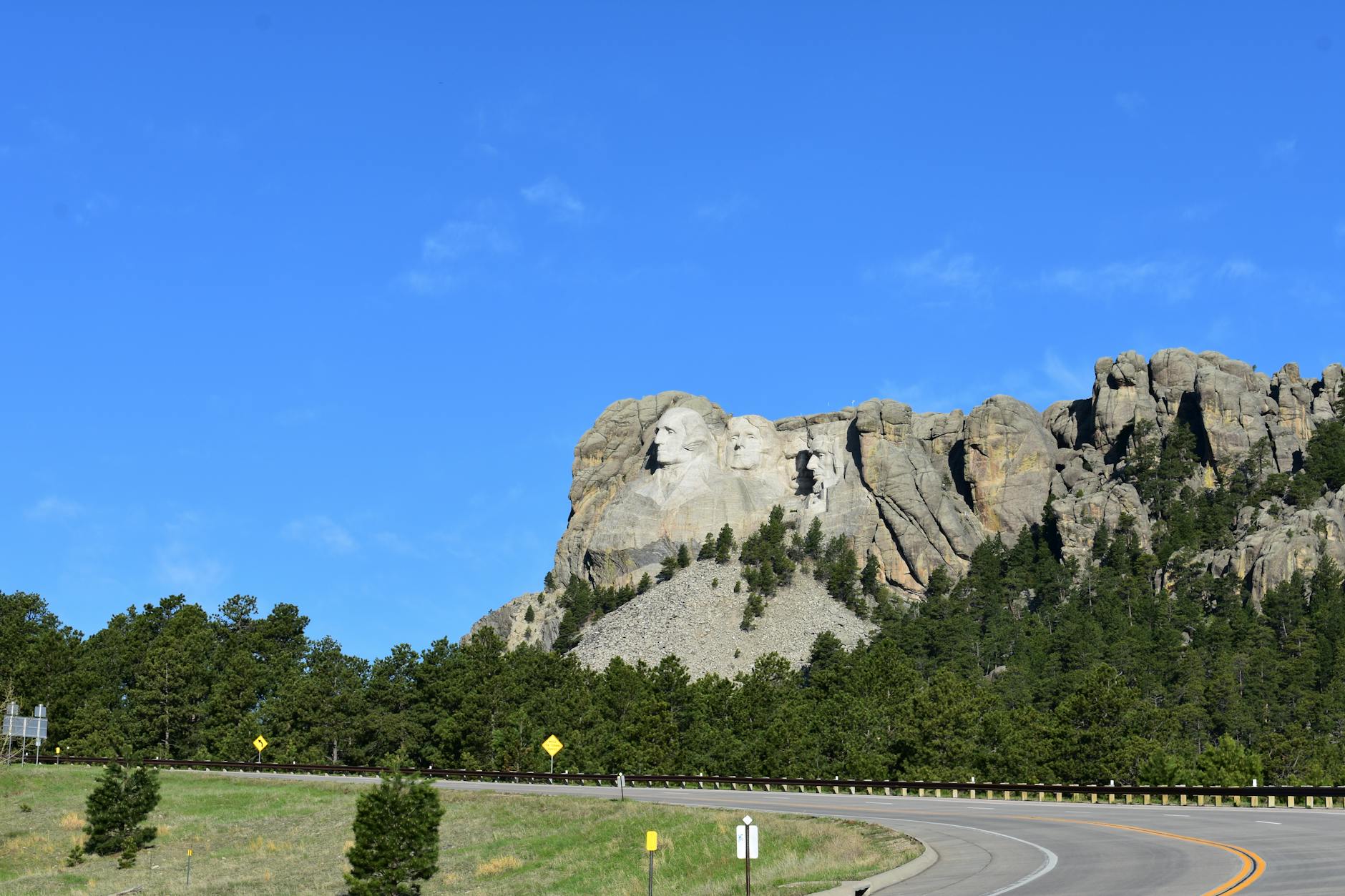
The Midwest is underrated by international travelers. Chicago alone rivals any world city, while the Great Lakes and open plains reward those who venture beyond the coasts.
Which Cities Should You Visit?
Albuquerque, New Mexico sits at 1,600 meters elevation, flanked by the Sandia Mountains. It blends Native American, Hispanic, and Anglo cultures with remarkable ease — and hosts the world's largest hot air balloon festival each October.
Asheville, North Carolina has earned a reputation as one of America's most creative small cities. The Blue Ridge Parkway practically starts at its doorstep, and the craft beer scene rivals cities ten times its size.
Atlanta, Georgia functions as the South's cultural capital. It's the birthplace of both Martin Luther King Jr. and Coca-Cola — two facts that tell you a great deal about the city's contradictions.
Austin, Texas runs loud and proud on live music, barbecue, and a tech-fueled energy that has transformed it over the past two decades. Local guides recommend arriving with extra time — the city has a habit of detaining visitors longer than planned.
Baltimore, Maryland surprises travelers expecting a rough port town. The Inner Harbor and the historic Fells Point neighborhood make a strong case for a longer stay.
Boise, Idaho sits at the gateway to some of the West's least-visited wilderness. The city itself is compact, walkable, and backed by the Boise Foothills — great for hiking within minutes of downtown.
Culture, Traditions and Way of Life
American culture is best understood as a conversation between regional identities rather than a single national character. What feels normal in New York City can seem foreign in rural Montana or coastal Louisiana.
Sports function almost as a civic religion. Football Sundays, baseball summers, and basketball seasons shape social calendars in ways that international visitors often find surprising.
Tipping is not optional — it's woven into the service economy. A standard tip of 18–20% at restaurants reflects how most hospitality workers earn their income.
Religious life varies dramatically by region. The Bible Belt across the South and Midwest maintains a cultural conservatism that contrasts sharply with coastal urban centers.
Music runs deep and geographic. Blues from the Mississippi Delta, country from Nashville, jazz from New Orleans, hip-hop from Atlanta — these aren't marketing categories, they're living traditions.
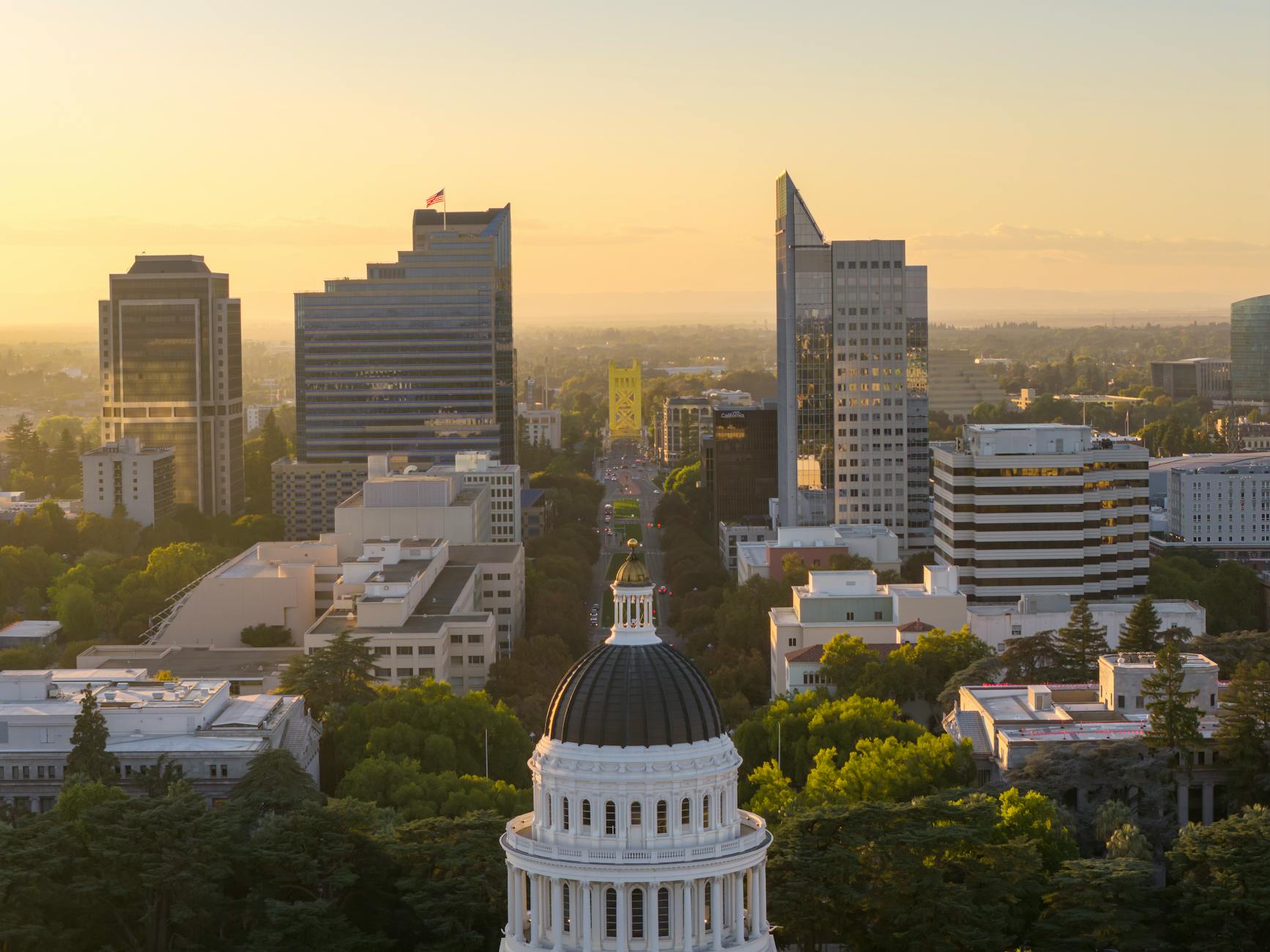
Local communities take genuine pride in regional identity. Visitor reviews confirm that engaging with locals about their town, state, or region almost always unlocks warmer exchanges and better recommendations than any guidebook provides.
Food: The Flavors of United States
American food resists easy summary. The barbecue traditions alone — Texas brisket, Carolina pulled pork, Kansas City ribs — represent distinct regional philosophies, and arguments between devotees get heated.
Southern cooking anchors itself in butter, cast iron, and patience. Fried chicken, shrimp and grits, and biscuits with gravy belong to a tradition stretching back centuries.
New Mexico deserves special mention for its green and red chile culture. The famous question "red or green?" asked at every local diner refers to which chile sauce you want — and the correct answer is usually "Christmas" (both).
Street food and food trucks have transformed American cities. Austin's food truck parks serve Korean tacos, Vietnamese banh mi, and smoked brisket within the same block.
Craft brewing has exploded nationwide. Asheville alone hosts over 40 breweries — more per capita than almost any American city — and the beer culture in Boise, Atlanta, and Baltimore has followed suit.
Expect portion sizes to run large by international standards. A budget of $15–25 USD per meal at casual restaurants covers most cities outside premium dining districts.
Practical Information
Visa and Entry Requirements
Citizens of 42 countries can enter the United States under the Visa Waiver Program (VWP), which requires an approved ESTA application completed at least 72 hours before departure. The ESTA fee is $21 USD.
All other nationalities must apply for a B-1/B-2 tourist visa at a US embassy. Processing times vary significantly by country, and waiting periods can stretch to several months in high-demand locations.
A valid passport with at least six months of remaining validity is required. Entry is not guaranteed even with a valid visa — border officers retain final authority.
Budget and Cost of Living
Budget travelers can manage on roughly $80–100 USD per day, covering a hostel bed, food truck meals, and local transport. Mid-range travel runs $150–250 USD per day comfortably.
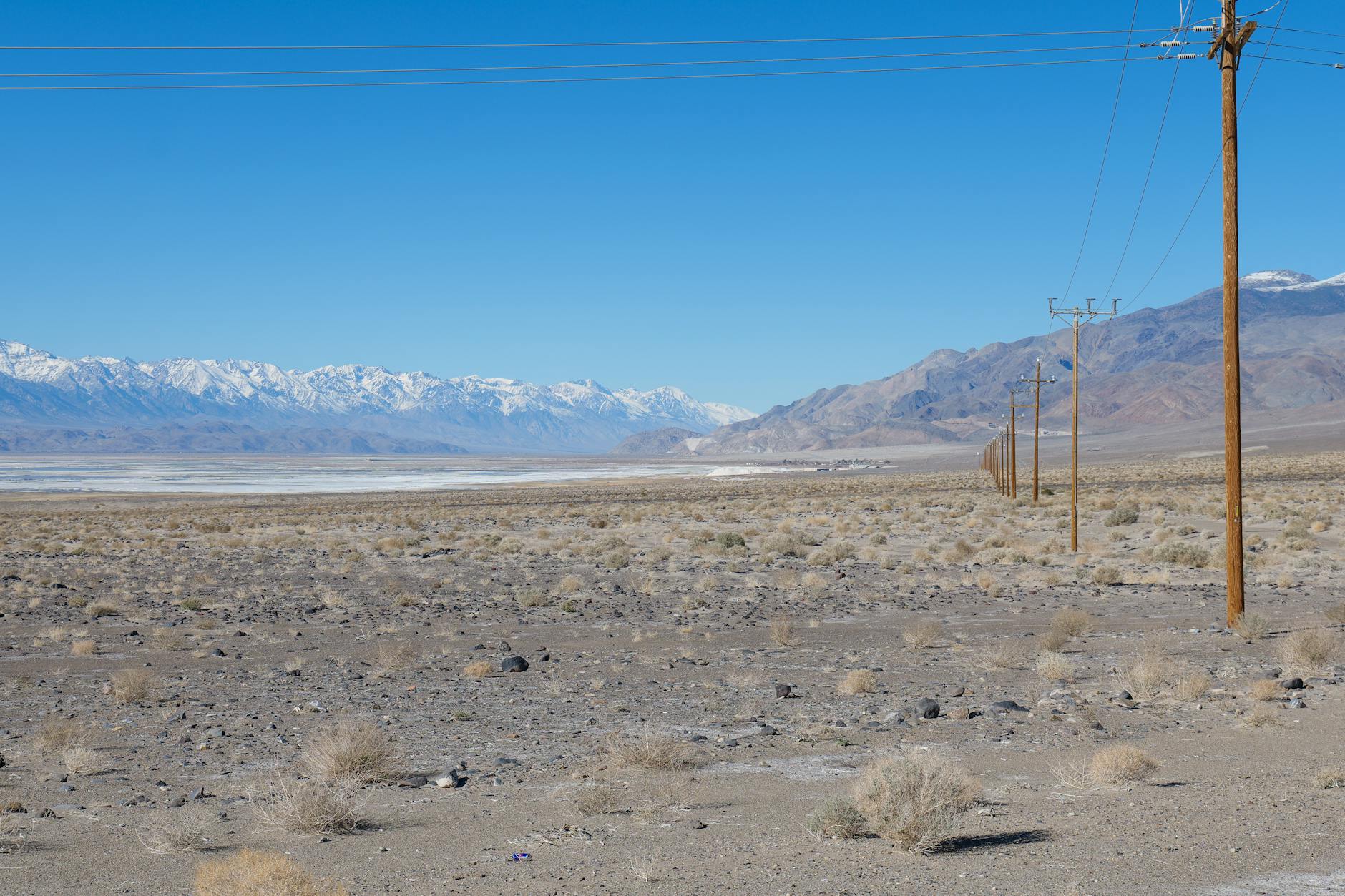
Accommodation costs vary widely: a hostel dorm averages $35–50 USD, a mid-range hotel $120–180 USD, while cities like New York and San Francisco push those figures considerably higher.
Domestic flights are often affordable when booked in advance. Cross-country routes between major hubs regularly appear for $80–150 USD on budget carriers.
Getting Around
The car remains king across most of the country. Renting a vehicle opens destinations that no train or bus can reach — particularly across the Southwest and Mountain West.
Amtrak connects major cities but runs slowly compared to European rail. The California Zephyr and the Southwest Chief routes are scenic experiences worth taking for the journey itself.
Major cities like New York, Chicago, and Washington D.C. have reliable metro systems. Ride-hailing apps fill the gaps in most mid-sized cities where public transit is limited.
When to Visit United States?
The United States spans six time zones and climate types ranging from subarctic to tropical — so the best time to visit depends entirely on which part of the country you're targeting.
Spring (March–May) brings mild temperatures across most of the South and Midwest, and wildflowers to the desert Southwest. Texas bluebonnet season in April draws photographers from across the country.
Summer (June–August) is peak season for the Pacific Northwest, New England, and national parks. Crowds at places like Yellowstone and the Grand Canyon reach their maximum — booking accommodation months ahead is strongly advised.
Fall (September–November) is arguably the finest season in the Northeast and Appalachians. Asheville and the Blue Ridge Parkway turn extraordinary shades of amber and crimson through October.
Winter (December–February) works well for Florida, the Gulf Coast, and Southern California. Ski destinations in Colorado and Utah peak during these months, while cities like Austin and Albuquerque stay mild and far less crowded than their summer selves.
Traveler reviews consistently point to the shoulder seasons of April–May and September–October as the sweet spot — lower prices, manageable crowds, and comfortable temperatures across most regions.
Frequently Asked Questions about United States
Best destinations in United States
Chicago
Chicago, Illinois, hits hard from the first glance: the Cloud Gate in Millennium Park, the Art Institute's world-class collections, and the…
ExploreLos Angeles
Los Angeles, California's sprawling metropolis, pulls travelers from Hollywood Boulevard's Walk of Fame to the breezy Santa Monica Pier and…
ExploreMiami
In Miami, United States, sunlit days roll from the Art Deco glamour of South Beach to salsa-scented streets in Little Havana and bold color…
ExploreNew York
New York, United States, hits hard from the first glance: the Statue of Liberty rising over the harbor, Central Park sprawling through…
Explore