Chicago

Everything about Chicago
Did you know Chicago’s skyline helped invent the modern skyscraper after the Great Chicago Fire of 1871? Visiting Chicago means stepping into a city where architecture, art, and lakefront life collide in surprising ways.
One moment, reflective steel turns you into a tiny figure inside a giant sculpture. The next, you are looking up from a riverwalk at towers that rewrite the rules of design, block by block.
Come for world-class museums and big-city energy, stay for beaches on Lake Michigan and neighborhoods with real character. The best part is how easily the city shifts from polished downtown to local taverns and music rooms.
Why visit Chicago?
Chicago rewards travelers who like cities with substance and style. It is bold, friendly, and built for wandering, with a lakefront that feels like a natural reset button after a day of museums.
Visitor reviews confirm how quickly plans fill up here, because attractions sit close together and transit is straightforward. A skyline cruise, a deep-dish dinner, and a late jazz set can fit into one day.
Local guides recommend looking beyond the postcard sights to catch Chicago’s day-to-day magic. That might mean an early coffee in the Loop, sunset on the lake, or a neighborhood festival that spills into the street.
What makes Chicago unique
Chicago is the city of architecture tours for a reason, it pioneered steel-frame construction and keeps pushing design forward. The view from the Chicago River shows why so many photographers come back again.
The lakefront changes the whole mood of downtown. Travelers note that you can move from skyscrapers to beaches, bike paths, and parks within minutes, with Lake Michigan stretching like an inland sea.
Culture runs deep and stays accessible. Between the Art Institute of Chicago, public art in parks, and a music scene that ranges from blues to house, the city feels creative without trying too hard.
Chicago at a glance
Chicago sits in Amérique du Nord on the southwestern edge of Lake Michigan, with a downtown core known as the Chicago Loop. Most first-time highlights cluster around the Loop and the lakefront.
The city’s size is not theoretical, it is concrete. The City of Chicago reports roughly 2.7 million residents, and the metro area spreads far into Illinois and neighboring states.
Expect a premium trip, especially for hotels in peak season. The payback is a dense line-up of museums, theaters, and restaurants, plus long summer evenings that keep the waterfront alive.
What to see and do in Chicago?
Chicago’s best sights work well as a mix of big-ticket landmarks and smaller pauses. Plan a few anchor attractions, then leave room for riverwalk strolls, cafés, and spontaneous detours.
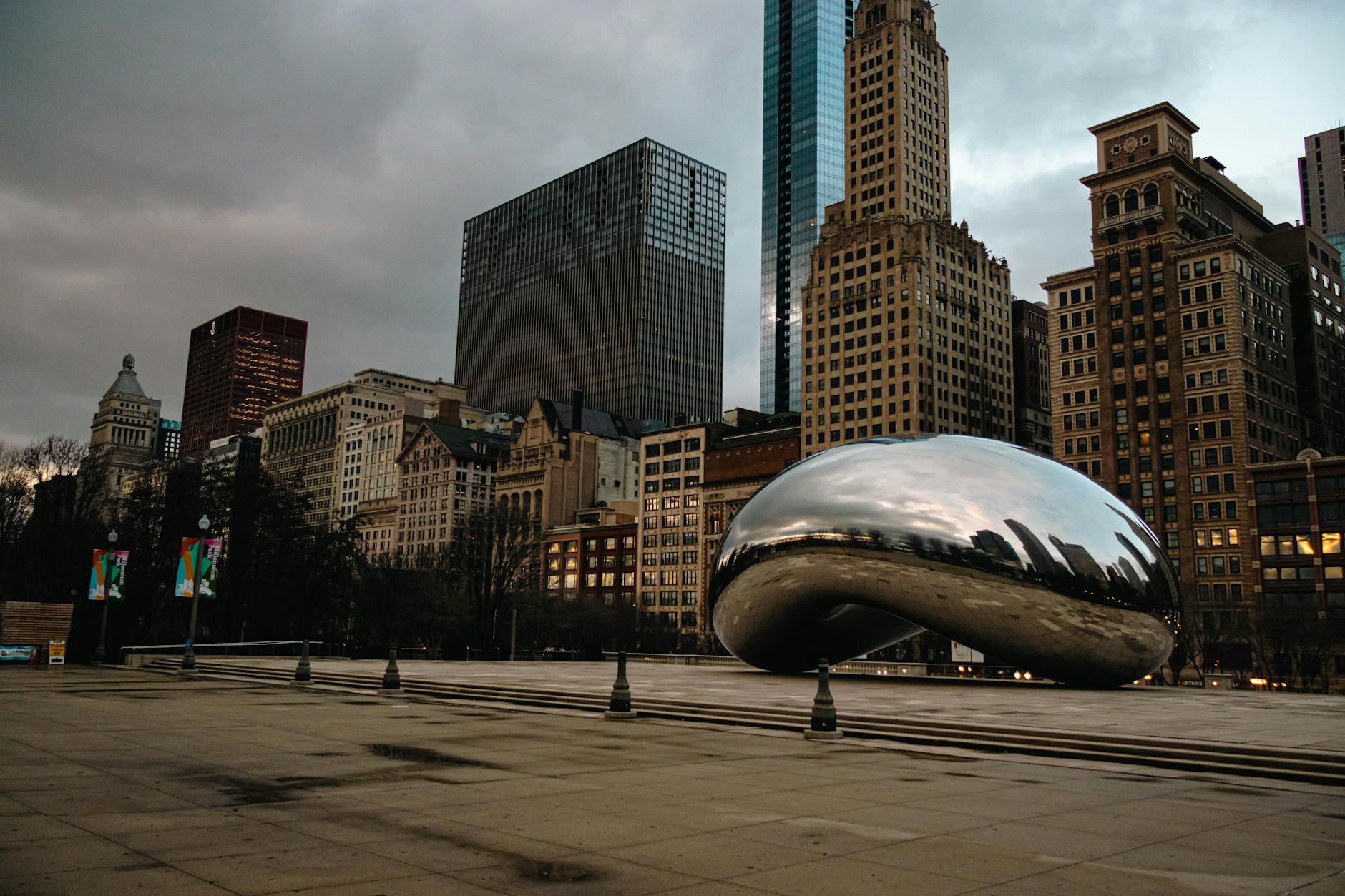
Many visitors build days around geography. Pair the Loop with the river, then slide north or south along the lakefront for parks, beaches, and museums.
- Millennium Park (Cloud Gate) for public art and people-watching.
- the Art Institute of Chicago for a world-class collection.
- the Chicago Loop architecture for a street-level design safari.
- Navy Pier for lake views and family-friendly energy.
Millennium Park (Cloud Gate)
Millennium Park is downtown’s outdoor living room, and it stays busy for good reason. The star is Cloud Gate (nicknamed “the Bean”), a mirrored sculpture that bends the skyline into playful shapes.
Arrive early if photos matter, because midday crowds form fast in summer. Travelers note that the most fun angles appear when you walk under the arch and watch reflections multiply.
Do not stop at the sculpture. the Jay Pritzker Pavilion hosts concerts, and the surrounding lawns turn into picnic territory on warm evenings.
In winter, the nearby skating ribbon and seasonal lights change the vibe. In summer, fountains, gardens, and pop-up events keep the park feeling like a festival zone.
Art Institute of Chicago
the Art Institute of Chicago is a heavyweight museum that can justify half a day, even for travelers who “don’t do museums.” Its galleries range from Impressionist icons to contemporary works that spark debate.
Visitor reviews confirm that the collection feels unusually broad and well-curated. Highlights often include Seurat’s A Sunday on La Grande Jatte and rooms that trace American art through changing eras.
Start with a loose plan instead of trying to see everything. Local docents recommend choosing two or three sections, then letting curiosity pull you into side galleries.
When energy dips, the museum café and nearby park benches make a good reset. Step outside and the city snaps back into focus, with Michigan Avenue right at the doorstep.
Chicago Loop Architecture
The Loop is Chicago’s design classroom in real time. Look up and you see early skyscraper ideas next to sleek modern towers, with the river acting like a runway for dramatic façades.
Travelers note that the best way to understand it is on foot with a short list of buildings. Add the Chicago Riverwalk for angles that street corners cannot give.
For a deep dive, architecture cruises consistently rank as a top activity. They translate the skyline into stories about engineering, ambition, and reinvention, without requiring any technical background.
Do not ignore the “L” trains overhead, they shape the Loop’s sound and look. At night, illuminated tracks and theater marquees add a classic Chicago mood.
Navy Pier
Navy Pier is built for easy fun, with wide views over Lake Michigan and a steady buzz from families, couples, and groups. It is part promenade, part entertainment hub, and part scenic lookout.
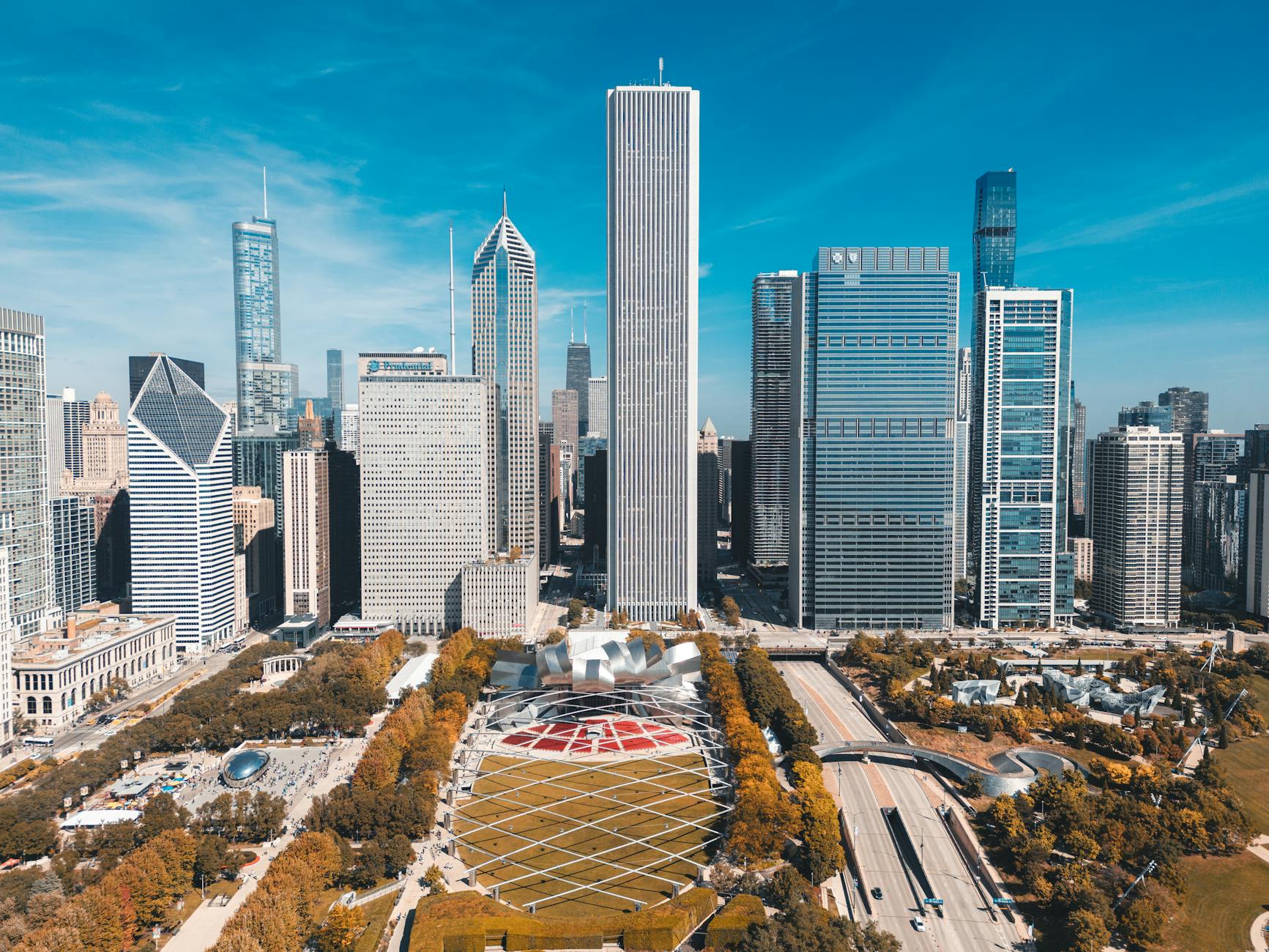
Ride the Centennial Wheel for a higher perspective on the skyline and the lake. On clear days, the water looks almost oceanic, and the city’s grid appears crisp and geometric.
Food kiosks and casual spots cover quick bites, while seasonal programming brings fireworks and outdoor events. Check schedules, because summer nights can feel like a mini street party.
It also works as a launch point for boat tours. Sunset departures tend to sell out first, especially between June and August, so booking ahead often saves frustration.
Food & local cuisine in Chicago
Chicago eats are bold and comforting, with a mix of immigrant roots and local inventions. Visitors quickly learn that the city’s food identity goes far beyond one famous pizza style.
Deep-dish pizza is the headline, but it is best treated like a sit-down meal. Travelers note that it arrives hot and heavy, with a buttery crust and a sauce-forward top layer.
Then there is the Chicago-style hot dog, traditionally served “dragged through the garden.” Expect mustard, neon relish, onions, tomato, sport peppers, pickle, and celery salt on a poppy-seed bun.
Italian beef sandwiches bring another local classic. The best versions come dipped in jus, with sweet peppers or spicy giardiniera, and they require a stack of napkins.
Fine dining also plays a big role in a premium trip. Tasting menus and chef-led counters fill up quickly on weekends, especially in peak season, so reservations matter.
For a more local rhythm, aim for neighborhood bakeries, Polish delis, Mexican taquerías, and jazz-club supper spots. A single evening can move from cocktails in the Loop to late snacks in River North.
Getting to Chicago and getting around
Chicago is easy to reach and surprisingly manageable once inside the city. The downtown grid is walkable, and public transit connects key areas without needing a car.
For a smoother trip, base lodging near the Loop, River North, or Streeterville. That keeps major sights, the riverwalk, and lakefront paths within quick reach.
Getting there
Most international travelers arrive via O’Hare International Airport (ORD), one of the busiest hubs in the United States. Midway (MDW) serves many domestic routes and budget carriers.
From O’Hare, the CTA Blue Line links the airport to downtown without transfers. It is often the simplest choice during rush hour, when traffic can turn airport rides into a slow crawl.
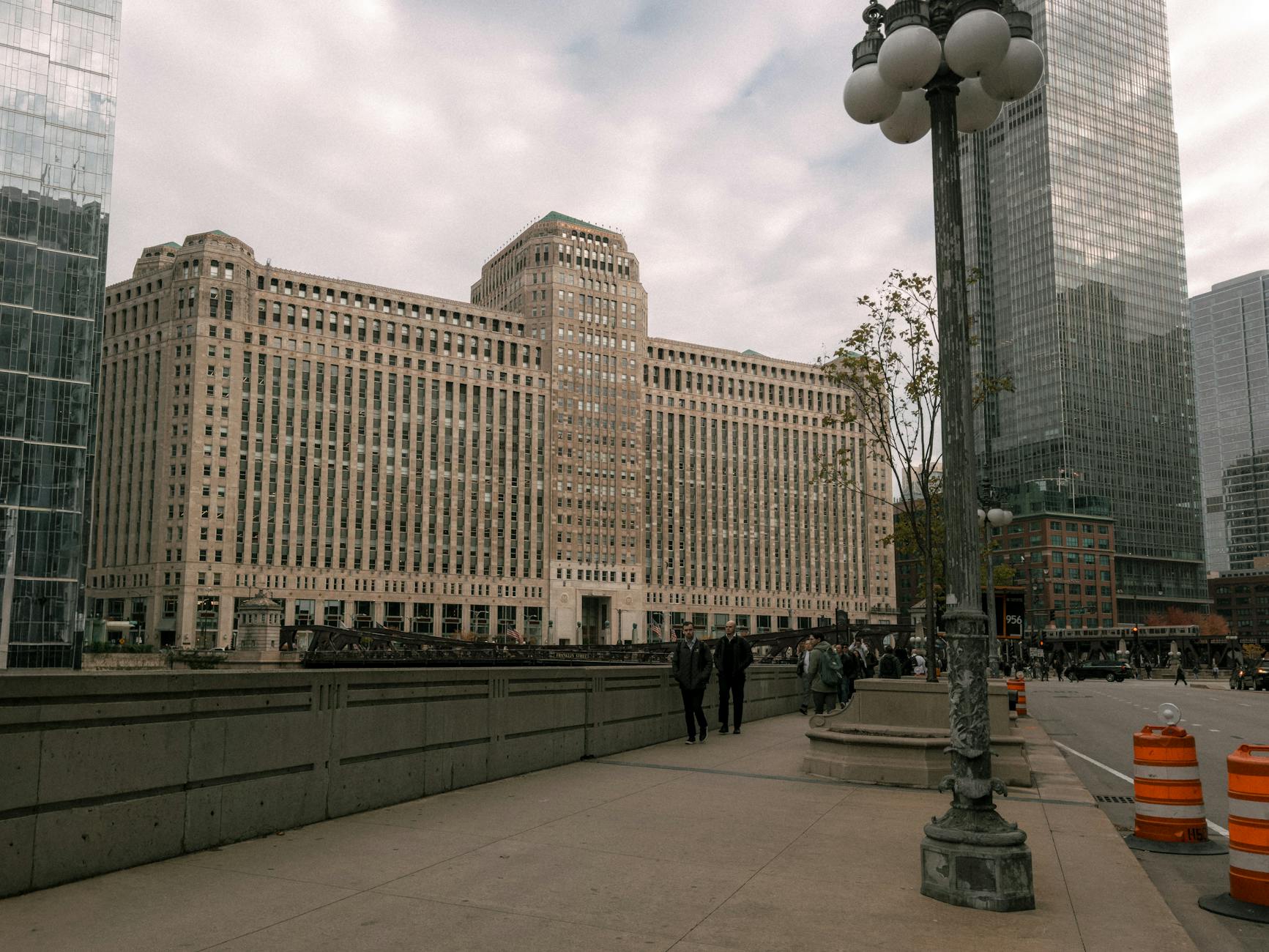
Long-distance trains also arrive at Union Station, which sits close to the Loop. Buses and intercity coaches add cheaper options, but schedules vary widely by season and day.
Getting around
The CTA “L” trains and buses cover most visitor routes, and day passes can be good value with multiple rides. Travelers note that train signage is clear, but platform awareness matters at busy stations.
Walking works well in central areas, particularly between the Loop, Millennium Park, and the riverwalk. Comfortable shoes pay off because blocks are long and sidewalks stay active.
Rideshares and taxis are plentiful, but costs rise fast at peak times. For lakefront days, cycling is a favorite, with long paths that link beaches, parks, and museum areas.
Budget & practical tips
Chicago fits a premium budget, especially from late spring through early fall. Hotels, tickets, and dining can add up quickly, but smart planning keeps the experience smooth.
Bundle attractions by neighborhood to reduce transit time and temptation for pricey last-minute rides. A well-paced itinerary also makes room for free pleasures like parks, riverwalk strolls, and skyline viewpoints.
Safety and comfort come down to city basics. Stay alert late at night, keep valuables simple, and use well-lit streets around transit stops.
How much to budget for Chicago
For a €€€ stay, many travelers plan for higher hotel rates in central neighborhoods, especially on summer weekends. Add museum tickets, architecture cruise fares, and one or two splurge meals, and the total climbs quickly.
A typical premium day often includes: a quality hotel room, a paid attraction or two, rides or transit passes, and dining that mixes casual classics with one standout reservation. Booking hotels early usually gives the best selection near the Loop and the lakefront.
To control spend, choose lunch specials, visit free parks, and limit rideshares. Visitor reviews confirm that walking plus the “L” handles most sightseeing without feeling restrictive.
Best time to visit: May to October
May to October is the sweet spot for Chicago, with patios, festivals, and long lakefront days. Summer brings the biggest crowds, but also the fullest calendar of outdoor concerts and events.
Late May and June often balance pleasant weather with slightly better availability. September is a favorite among repeat visitors, with warm days, cooler nights, and a calmer feel after peak season.
Pack layers even in summer, because lake breezes can flip the temperature fast. Rain showers roll through, so a compact umbrella and water-resistant shoes can save the day.
Frequently Asked Questions about Chicago
See all destinations in United States
Miami
In Miami, United States, sunlit days roll from the Art Deco glamour of South Beach to salsa-scented streets…
DiscoverNew York
New York, United States, hits hard from the first glance: the Statue of Liberty rising over the harbor…
DiscoverLos Angeles
Los Angeles, California's sprawling metropolis, pulls travelers from Hollywood Boulevard's Walk of Fame to…
Discover