Los Angeles

Everything about Los Angeles
What city spreads across 500 square miles yet still feels like dozens of distinct neighborhoods stitched together by sunshine and freeways? Visiting Los Angeles means stepping into a place that is simultaneously a global film capital, a beach town, and a world-class cultural destination.
Few cities carry this much weight in the collective imagination. The reality, though, is richer and stranger than any postcard.
From the hills of Hollywood to the Pacific shore at Santa Monica, LA rewards those who look beyond the clichés. The depth here surprises nearly every first-time visitor.
Why visit Los Angeles?
What makes Los Angeles unique
Los Angeles sits at a rare intersection: serious art museums, legendary film history, and 75 miles of coastline all within the same metro area.
The city's neighborhoods each carry a distinct personality. Silver Lake feels nothing like Beverly Hills. Koreatown feels nothing like Venice Beach.
That plurality is the point. No single version of LA tells the whole story, which is exactly why travelers keep returning to figure it out.
Los Angeles at a glance
With a population of roughly 4 million in the city proper, LA is the second-largest city in the United States. It sits in Southern California, bordered by the San Gabriel Mountains to the north and the Pacific Ocean to the west.
The metro area spans multiple counties and dozens of incorporated cities. Navigating it takes planning, but the payoff is access to an extraordinary range of experiences concentrated in one sprawling region.
What to see and do in Los Angeles?
Hollywood Boulevard (Walk of Fame)
The Hollywood Walk of Fame stretches more than 1.3 miles along Hollywood Boulevard, embedding over 2,700 terrazzo and brass stars into the sidewalk. Each star honors a figure from film, television, music, radio, or live theater.
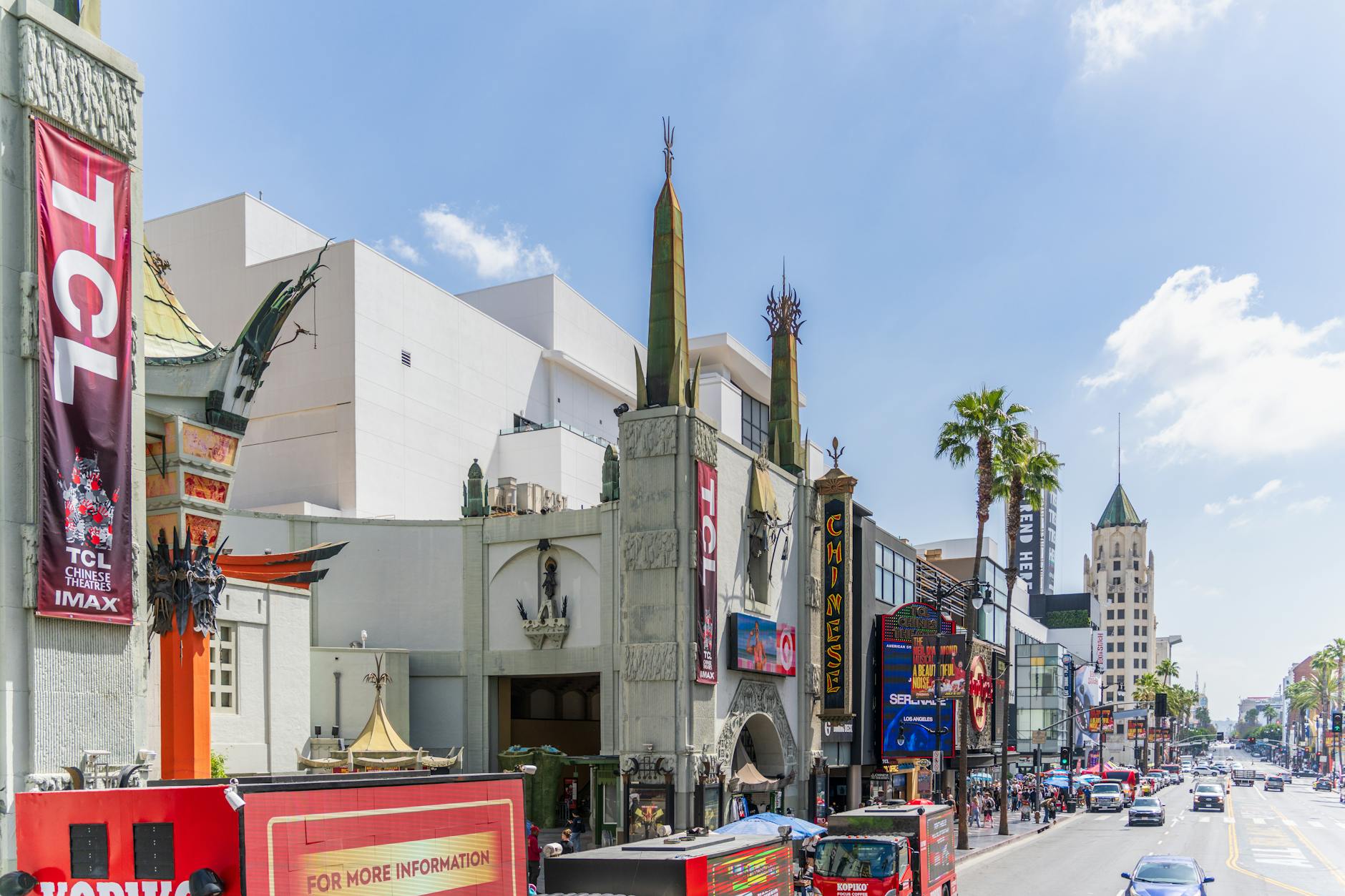
The experience is more textured than a simple tourist stroll. The TCL Chinese Theatre sits right here, its forecourt filled with celebrity handprints and footprints pressed into concrete since 1927.
Local guides recommend arriving in the morning before heat and crowds build. The surrounding area has grown considerably in recent years, with the Ovation Hollywood complex adding dining and retail directly adjacent to the historic boulevard.
Santa Monica Pier
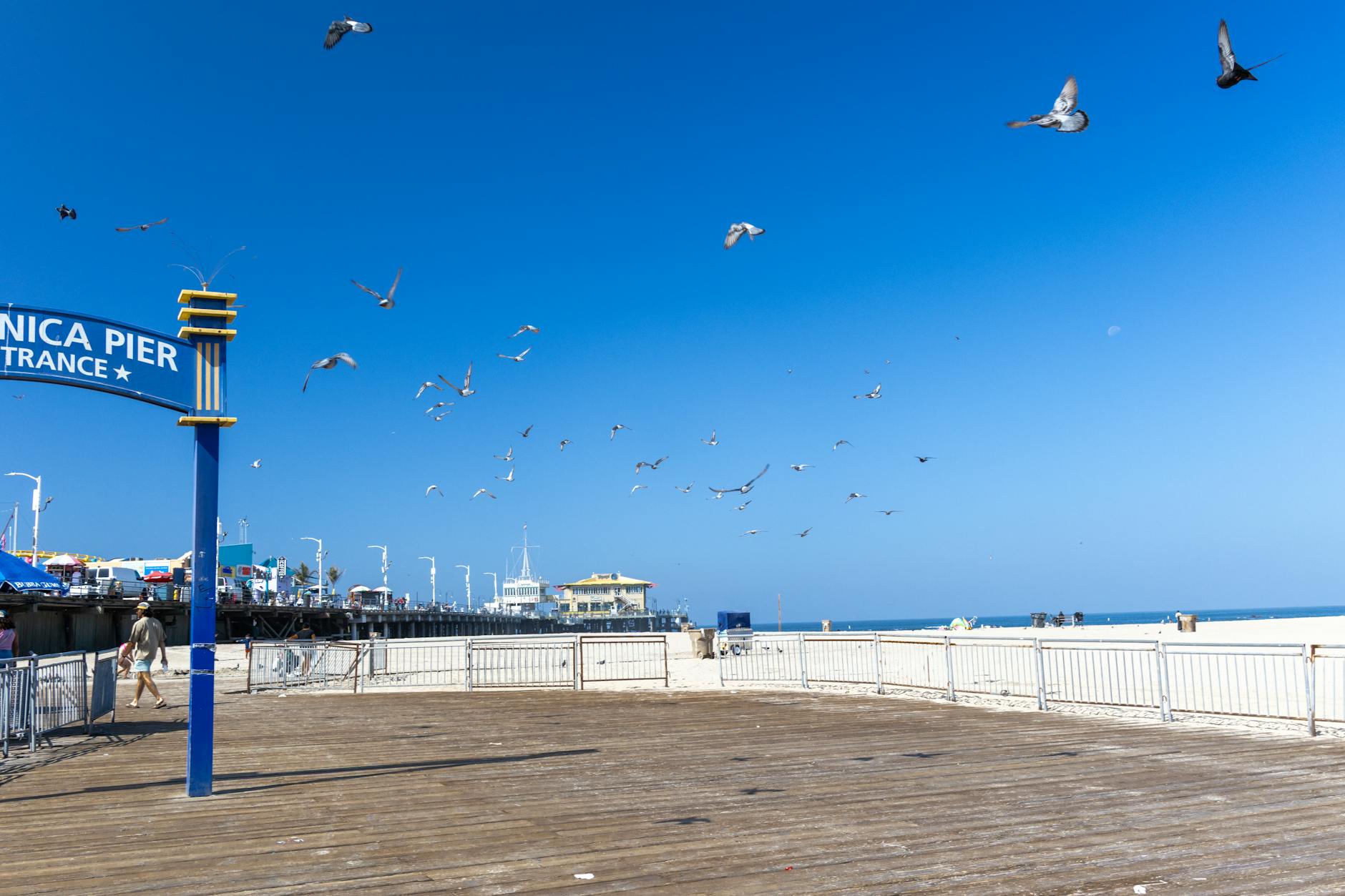
Santa Monica Pier is the western terminus of Route 66, a fact that gives this sun-bleached structure an almost mythological weight in American travel history. The pier juts 1,600 feet over the Pacific and has stood since 1909.
Pacific Park, the small amusement park at the pier's end, runs a solar-powered Ferris wheel with views stretching from Malibu to Palos Verdes on clear days. Visitor reviews consistently single out those views as among the most memorable in Southern California.
The beach directly below the pier is wide and accessible. Nearby the Santa Monica Promenade connects the waterfront to a vibrant pedestrian shopping street just a few blocks inland.
Getty Center
The Getty Center perches on a hilltop in the Santa Monica Mountains at roughly 900 feet elevation, accessible by a dedicated tram from its base parking structure. Richard Meier's travertine campus opened in 1997 and remains architecturally stunning.
The permanent collection covers European paintings, drawings, sculpture, and decorative arts from the Middle Ages through the 19th century. Van Gogh's Irises and Rembrandt's The Abduction of Europa both live here.
Admission to the museum itself is free, though parking carries a fee. The garden designed by Robert Irwin alone justifies the trip, a descending bowl of plantings that changes with the seasons in unexpected ways.
Universal Studios
Universal Studios Hollywood is a working film and television studio that also functions as a major theme park, which makes it genuinely different from a pure entertainment complex. The Studio Tour, a tram ride through active backlots, has operated since 1964.
The Wizarding World of Harry Potter opened here in 2016 and remains the park's most popular draw. Traveler data consistently shows it as the single most photographed location on property.
Plan for a full day. The lower lot, accessed by a steep escalator system built into the hillside, holds the more intense ride experiences including Jurassic World and the Transformers attraction. Purchasing tickets in advance reduces both cost and wait time at the gates.
Food and local cuisine in Los Angeles
Los Angeles has one of the most diverse food cultures in North America. The city's population draws from every part of the globe, and that shows directly on the plate.
Tacos from a truck or a small family-run taqueria represent some of the best eating in the city at any price point. The east side neighborhoods, particularly Boyle Heights, are widely recognized as having the strongest concentration of authentic Mexican food.
Koreatown's density of Korean barbecue restaurants is unmatched outside of Seoul. Tables come equipped with built-in grills, and the late-night culture here runs well past midnight on weekends.
The San Gabriel Valley, east of downtown, holds one of the largest concentrations of Chinese restaurants outside of China. Dim sum spots like Sea Harbour have earned national attention from serious food writers.
For something more California-specific, look for the farm-to-table ethos that runs through restaurants like Sqirl in Los Feliz or Gjusta in Venice. These places define a regional cooking style built on fresh produce, quality sourcing, and relaxed presentation.
Budget for food varies wildly. A taco truck lunch costs under $10. A dinner at a well-regarded mid-range restaurant runs $50 to $80 per person with drinks.
Getting to Los Angeles and getting around
Getting there
Los Angeles International Airport (LAX) is the primary gateway, ranking among the ten busiest airports in the world. Nonstop transatlantic flights connect it to major European hubs including London, Paris, Frankfurt, and Amsterdam, with flight times of roughly 10 to 11 hours from Western Europe.
The smaller Hollywood Burbank Airport and Long Beach Airport serve domestic routes and can be more convenient depending on the destination neighborhood. A new automated people mover connecting LAX to regional rail is scheduled for completion in 2026.
Getting around
A rental car remains the most flexible option for exploring Los Angeles. The freeway system is extensive, and while traffic is genuinely heavy during peak hours, distances between major attractions are too large for comfortable walking.
The Metro rail network has expanded significantly in recent years, now connecting downtown to Santa Monica via the Expo Line and to Hollywood via the Red Line. For visitors staying near these corridors, transit is a legitimate alternative to driving. Rideshare apps are widely used throughout the city.
Budget and practical tips
How much to budget for Los Angeles
Los Angeles sits firmly in the premium budget range. A mid-range hotel in a central neighborhood like West Hollywood or Santa Monica costs between $250 and $400 per night.
Daily expenses add up quickly. Budget roughly $80 to $120 per day for food if mixing casual spots with one sit-down meal. Theme park tickets for Universal Studios run approximately $109 to $179 depending on the date and tier chosen.
Parking fees are a consistent expense for drivers. Many attractions charge $15 to $30 for on-site parking. The Getty Center is a notable exception in its quality-to-cost ratio, with free museum entry offsetting the parking cost.
Best time to visit: March to May and September to November
Spring and fall represent the clearest windows for visiting LA. Temperatures sit comfortably between 18°C and 26°C, humidity stays low, and the famous marine layer that mutes June mornings has not yet settled in.
Summer, particularly June and July, brings June Gloom, a coastal fog pattern that keeps beach days grey well into the afternoon. August and September occasionally bring intense heat inland, sometimes exceeding 38°C in the valleys.
March through May sees fewer crowds at major attractions than summer. September and October combine reliable warmth with thinner tourist numbers, making them particularly well-suited for first-time visitors who want to cover the city efficiently.
Frequently Asked Questions about Los Angeles
See all destinations in United States
New York
New York, United States, hits hard from the first glance: the Statue of Liberty rising over the harbor…
DiscoverChicago
Chicago, Illinois, hits hard from the first glance: the Cloud Gate in Millennium Park, the Art Institute's…
DiscoverMiami
In Miami, United States, sunlit days roll from the Art Deco glamour of South Beach to salsa-scented streets…
Discover